Agriculture and agricultural engineering
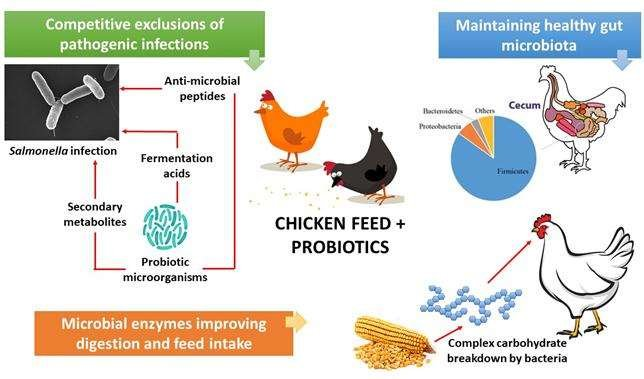
Traditionally, to promote growth and prevent disease, the poultry industry has relied on antibiotics. The extensive use of these drugs has resulted in the appearance of antibiotic-resistant bacteria, which cause a serious health threat. Consequently, probiotics (live beneficial microorganisms) have become progressively vital as a sustainable and actual alternative. Generally, probiotics support intestinal health, stimulate the immune system, and advance nutrient absorption. In fact, probiotics have many benefits, unlike the risks related to the use of antibiotics. Probiotics play an important role in reducing the disease incidence through endorsing a balanced
inhibiting the pathogenic bacteria colonization, and intestinal flora. Previous scientific studies have shown that probiotic strains like Lactobacillus and Bacillus can considerably enhance the feed efficiency, growth, and overall health of poultry. Overall, probiotics represent a promising approach for attracting poultry production by promoting food safety and sustainable agricultural applications, due to increasing support from the agricultural sector and consumer need for antibiotic-free poultry production.
Kawther Hkeem Ibrahem (2026). Probiotics as an Alternative to Antibiotics in Poultry. Sana'a University Journal of Applied Sciences and Technology, 1781-1786. DOI: https://doi.org/10.59628/jast.v4i2.2245
Kawther Hkeem Ibrahem . “ Probiotics as an Alternative to Antibiotics in Poultry.” Sana'a University Journal of Applied Sciences and Technology, 2026, pp. 1781-1786. https://doi.org/10.59628/jast.v4i2.2245. Accessed 30 Oct. 2026.
Kawther Hkeem Ibrahem . 2026. “ Probiotics as an Alternative to Antibiotics in Poultry.” Sana'a University Journal of Applied Sciences and Technology : 1781-1786. DOI: https://doi.org/10.59628/jast.v4i2.2245
Kawther Hkeem Ibrahem (2026) ‘ Probiotics as an Alternative to Antibiotics in Poultry’, Sana'a University Journal of Applied Sciences and Technology, pp. 1781-1786. doi: 10.59628/jast.v4i2.2245
@article{jast2026_art2245,
    author  = {Kawther Hkeem Ibrahem },
    title   = { Probiotics as an Alternative to Antibiotics in Poultry},
    journal = {Sana'a University Journal of Applied Sciences and Technology},    year    = {2026},    month   = {February},    pages   = {1781-1786},    doi     = {10.59628/jast.v4i2.2245},
    url     = {https://doi.org/10.59628/jast.v4i2.2245},}
Probiotics as an Alternative to Antibiotics in Poultry
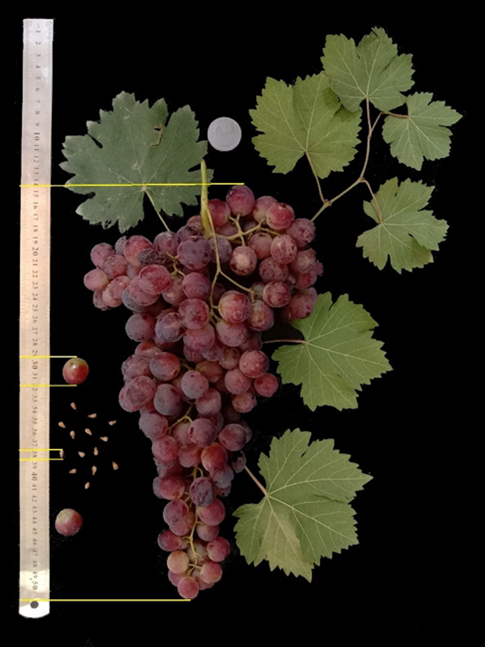
The study was conducted to characterize the morphological traits of A’asmi Cultivar of Yemeni grape (Vitis vinifera L.) in the Bani Hashish district during the 2021 and 2022 seasons, based on OIV, UPOV, and IPGRI standards. The aim was to establish a database documenting the morphological characteristics and certain chemical properties of the Cultivar, to support breeding programs, preserve genetic diversity, and enhance agricultural productivity amid environmental challenges. The study involved 10 fruiting vines from a farm in the village of Bayt al-Nukhif, Wadi al-Sir, where 105 traits were measured, encompassing young and mature shoots, leaves, flowers, clusters, berries, and seeds, in addition to the evaluation of selected chemical properties such as soluble sugars, acidity, pH, and vitamin C using standardized methodologies. The results revealed a notable coherence in the morphological traits of the Cultivar. The young shoot was characterized by an open and fully developed apex before the node, indicating vigorous vegetative growth and an ability to adapt to warm seasons, while a weak expression of anthocyanins on the pubescence suggested a potential genetic limitation in expressing this pigment and its effect on the plant’s response to environmental stresses. The mature shoot exhibited a nearly vertical growth pattern with a balanced color distribution on its sides and a reduced pubescence density, which may improve ventilation and reduce the risk of fungal diseases. The leaves maintained stability in terms of shape, size, and number of lobes, with a balanced pigment distribution that reflects an equilibrium between genetic and environmental factors to enhance photosynthetic efficiency and nutrient transport. At the cluster and berry level, productive traits were manifested through a loose distribution of berries and a long conical shape, along with an increase in berry number and stability in dimensional ratios and weight. The seeds showed dimensional stability with variations in biomass accumulation, reflecting the influence of environmental factors. Furthermore, the hermaphroditic floral structure contributed to both self- and cross-pollination, thereby enhancing genetic diversity. Overall, the study comprehensively documented and evaluated the morphological and chemical performance of the A’asmi Cultivar under changing environmental conditions.
Taiseer M. Al-Sanhani, Hasan A. Aldobai (2025). Ampelographic Characterization of the A’asmi Cultivar of Yemeni Grape (Vitis vinifera L.). Sana'a University Journal of Applied Sciences and Technology, 819-847. DOI: https://doi.org/10.59628/jast.v3i3.1628
Taiseer M. Al-Sanhani, Hasan A. Aldobai . “Ampelographic Characterization of the A’asmi Cultivar of Yemeni Grape (Vitis vinifera L.).” Sana'a University Journal of Applied Sciences and Technology, 2025, pp. 819-847. https://doi.org/10.59628/jast.v3i3.1628. Accessed 30 Oct. 2026.
Taiseer M. Al-Sanhani, Hasan A. Aldobai . 2025. “Ampelographic Characterization of the A’asmi Cultivar of Yemeni Grape (Vitis vinifera L.).” Sana'a University Journal of Applied Sciences and Technology : 819-847. DOI: https://doi.org/10.59628/jast.v3i3.1628
Taiseer M. Al-Sanhani, Hasan A. Aldobai (2025) ‘Ampelographic Characterization of the A’asmi Cultivar of Yemeni Grape (Vitis vinifera L.)’, Sana'a University Journal of Applied Sciences and Technology, pp. 819-847. doi: 10.59628/jast.v3i3.1628
@article{jast2025_art1628,
    author  = {Taiseer M. Al-Sanhani, Hasan A. Aldobai },
    title   = {Ampelographic Characterization of the A’asmi Cultivar of Yemeni Grape (Vitis vinifera L.)},
    journal = {Sana'a University Journal of Applied Sciences and Technology},    year    = {2025},    month   = {June},    pages   = {819-847},    doi     = {10.59628/jast.v3i3.1628},
    url     = {https://doi.org/10.59628/jast.v3i3.1628},}
Ampelographic Characterization of the A’asmi Cultivar of Yemeni Grape (Vitis vinifera L.)
The study aimed to analyze the impact of climate change on water requirements and productivity of improved Arabic wheat in the Sana'a Basin, by conducting field experiments for two agricultural seasons (2023-2024 AD) on the farm of the Faculty of Agriculture, Sana'a University. It included three irrigation treatments: (full irrigation (I1), 75% deficit irrigation (I2), and 50% deficit irrigation (I3) of the full irrigation) using a randomized complete block design. The Aqua Crop model was used for modeling, calibrated with data from the first agricultural season of 2023 and validated with data from the second agricultural season of 2024. The model was validated using three global climate models: CNRM-CM5, GFDL-ESM2M, and EARTH-EC, and two gas emission scenarios: Rcp4.5 and Rcp8.5, for each model, and at an increased and constant CO2 concentration (350 ppm). The study revealed that irrigation treatment (I2) achieved the highest water productivity (WPET) values during the two seasons, ranging from 0.72 to 0.69 tons/m³, respectively. Its water permeability (WPI) ranged from 0.74 to 0.72 tons/m³, respectively. The correlation coefficient (R²) showed high agreement between the calculated and predicted values for grain productivity and biomass for the two seasons, ranging from 99.93 to 100. and (99, 95%) (%), respectively. The grain productivity values for the two seasons were higher in irrigation treatment (I1), ranging between (2.27, 2.52) (tons/ha), respectively, compared to irrigation treatments (I2) and (I3), which ranged between (2.15, 1.95), (1.0, 1.02) (tons/ha), respectively, at a significance level of (0.05). Climate changes recorded an increase in maximum temperatures by 2.47°C for the RCP8.5 scenario and the period 2040–2059, according to the EC-Earth model. Meanwhile, rainfall recorded a decrease of 16.18 mm in the RCP8.5 scenario for the same period and the GFDL-ESM2M model, compared to the reference (historical) period (2005 , 1986) With increased CO₂, irrigation treatment (I1) achieved the highest grain productivity value. (3.24) (tons/ha) according to the RCP8.5 scenario for the period (2020-2039), while under constant CO₂, the lowest value was recorded for irrigation treatment (I3) (0.82) (tons/ha) according to the RCP4.5 scenario for the same period . The highest actual evapotranspiration values were recorded for treatment (I1) at (384.60) (mm) according to the RCP8.5 scenario for the period (2020-2039) under constant CO₂. The lowest values were recorded for treatment (I3) under increasing CO₂, at (266.0 (mm) according to the RCP8.5 scenario for the period (2039-2020 ) The study showed that the experimental site will witness an increase in the productivity of the improved Arabic wheat crop, and assuming an increase in carbon dioxide concentration, this contributes to increased crop productivity.
Hassan Mutahhar Amer, Abdullah Mohammad Yaya, Adel Mohammad Al-Weshali (2025). Assessing the Impact of Climate Change on Water Requirements and Productivity of Improved Arabic wheat crops in the Sana'a Basin. Sana'a University Journal of Applied Sciences and Technology, 1358-1377. DOI: https://doi.org/10.59628/jast.v3i6.2129
Hassan Mutahhar Amer, Abdullah Mohammad Yaya, Adel Mohammad Al-Weshali . “Assessing the Impact of Climate Change on Water Requirements and Productivity of Improved Arabic wheat crops in the Sana'a Basin.” Sana'a University Journal of Applied Sciences and Technology, 2025, pp. 1358-1377. https://doi.org/10.59628/jast.v3i6.2129. Accessed 30 Oct. 2026.
Hassan Mutahhar Amer, Abdullah Mohammad Yaya, Adel Mohammad Al-Weshali . 2025. “Assessing the Impact of Climate Change on Water Requirements and Productivity of Improved Arabic wheat crops in the Sana'a Basin.” Sana'a University Journal of Applied Sciences and Technology : 1358-1377. DOI: https://doi.org/10.59628/jast.v3i6.2129
Hassan Mutahhar Amer, Abdullah Mohammad Yaya, Adel Mohammad Al-Weshali (2025) ‘Assessing the Impact of Climate Change on Water Requirements and Productivity of Improved Arabic wheat crops in the Sana'a Basin’, Sana'a University Journal of Applied Sciences and Technology, pp. 1358-1377. doi: 10.59628/jast.v3i6.2129
@article{jast2025_art2129,
    author  = {Hassan Mutahhar Amer, Abdullah Mohammad Yaya, Adel Mohammad Al-Weshali },
    title   = {Assessing the Impact of Climate Change on Water Requirements and Productivity of Improved Arabic wheat crops in the Sana'a Basin},
    journal = {Sana'a University Journal of Applied Sciences and Technology},    year    = {2025},    month   = {December},    pages   = {1358-1377},    doi     = {10.59628/jast.v3i6.2129},
    url     = {https://doi.org/10.59628/jast.v3i6.2129},}
Assessing the Impact of Climate Change on Water Requirements and Productivity of Improved Arabic wheat crops in the Sana'a Basin

This study presents a comprehensive, high-resolution assessment of the theoretical and practical solar energy potential in the Republic of Yemen using satellite-derived data from the SolarGIS platform, available via the Global Solar Atlas. The analysis incorporates key solar radiation components including Direct Normal Irradiance (DNI), Diffuse Horizontal Irradiance (DIF), Global Horizontal Irradiance (GHI), and Global Tilted Irradiance at optimal tilt (GTI), along with auxiliary factors such as optimal tilt angle, air temperature, and elevation above sea level. GHI values across Yemen range between 5.46 and 6.88 kWh/m². Approximately 7.62% of the country's area exhibits the highest theoretical photovoltaic potential (6.8–7.05 kWh/m²), while 47.27% falls within a very high potential range (6.6–6.8 kWh/m²). For DNI, values vary between 3.76 and 7.29 kWh/m², with 1.45% of the land categorized as globally top-tier potential (7.2–7.75 kWh/m²), and 15.38% classified as high (6.7–7.2 kWh/m²). DIF values range from 1.83 to 2.76 kWh/m², with 38.5% of the area concentrated within the 2.1–2.2 kWh/m² range. GTI values vary between 5.66 and 7.27 kWh/m², where 13.64% of the country is classified under high irradiance (7.1–7.3 kWh/m²). Regarding practical photovoltaic output (PVOUT), around 2.35% of Yemen’s area falls within the highest operational efficiency class (5.6–5.9 kWh/kWp), and 24.41% is classified as very high (5.4–5.6 kWh/kWp), while 90.09% of the land area achieves at least 5 kWh/kWp. Based on the three evaluation levels (0, 1, and 2), the assessed areas are 455,112 km², 235,748 km², and 219,364 km² respectively, representing 86.2%, 44.65%, and 41.54% of the total land area of Yemen (527,970 km²). Regions with PVOUT values above 5.6 kWh/kWp cover approximately 1.7–2% of the area, while the area exceeding the national average of 5.2 kWh/kWp amounts to 152,007 km². These findings highlight the abundance of solar resources in Yemen, demonstrating the country's strong potential for large-scale solar energy deployment. This supports the development of strategic, sustainable national energy plans aimed at electricity generation and long-term energy independence.
Adel M. Al-Weshali, Abdullah M. Yaya (2026). Assessment of the Potential Photovoltaic Power in Yemen Using Satellite Data and GIS. Sana'a University Journal of Applied Sciences and Technology, 1528-1544. DOI: https://doi.org/10.59628/jast.v4i1.2155
Adel M. Al-Weshali, Abdullah M. Yaya . “Assessment of the Potential Photovoltaic Power in Yemen Using Satellite Data and GIS.” Sana'a University Journal of Applied Sciences and Technology, 2026, pp. 1528-1544. https://doi.org/10.59628/jast.v4i1.2155. Accessed 30 Oct. 2026.
Adel M. Al-Weshali, Abdullah M. Yaya . 2026. “Assessment of the Potential Photovoltaic Power in Yemen Using Satellite Data and GIS.” Sana'a University Journal of Applied Sciences and Technology : 1528-1544. DOI: https://doi.org/10.59628/jast.v4i1.2155
Adel M. Al-Weshali, Abdullah M. Yaya (2026) ‘Assessment of the Potential Photovoltaic Power in Yemen Using Satellite Data and GIS’, Sana'a University Journal of Applied Sciences and Technology, pp. 1528-1544. doi: 10.59628/jast.v4i1.2155
@article{jast2026_art2155,
    author  = {Adel  M. Al-Weshali, Abdullah M. Yaya },
    title   = {Assessment of the Potential Photovoltaic Power in Yemen Using Satellite Data and GIS},
    journal = {Sana'a University Journal of Applied Sciences and Technology},    year    = {2026},    month   = {January},    pages   = {1528-1544},    doi     = {10.59628/jast.v4i1.2155},
    url     = {https://doi.org/10.59628/jast.v4i1.2155},}
Assessment of the Potential Photovoltaic Power in Yemen Using Satellite Data and GIS
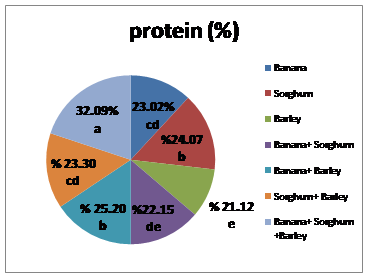
Mushroom cultivation is virtually non-existent in Yemen, despite it becoming increasingly common as an effective biotechnological practice for recycling agricultural by-products into valuable human food. Most farmers dispose of their agricultural waste, while it could be utilized beneficially as substrates for mushroom production.This study was conducted to investigate the effect of available agricultural waste mixtures on the growth of fungus Pleurotus ostreatus, yield and their components when used as substrates. Various agricultural waste and their mixtures were used, including banana, sorghum, barley, (banana + sorghum in a 1:1 ratio), (banana + barley in a 1:1 ratio) (sorghum + barley in a 1:1 ratio) and (banana + sorghum + barley in a 1:1:1 ratio), as substrates for improving fungus Pleurotus ostreatus growth. The experiment was carried out using a completely randomized design. The substrates were sterilized after preparation and packed into heat-resistant polypropylene bags. They were then inoculated with spawn and incubated. The results indicated that the shortest incubation period was observed (21.67 days) when using barley straw as a substrate. Additionally, the shortest duration for incubation and the formation of pinheads was achieved with the mixture of sorghum and barley, with durations of (25.67 and 10 days, respectively). The results showed that the highest number of clusters was obtained when using the substrate composed of a mixture of sorghum + barley, reaching 3.33 clusters. The maximum average number of fruits was recorded for the substrate mixtures when using the composed mixture of banana and barley, with a count of 7.00 fruit/cluster. Furthermore, the highest total productivity was obtained from the substrate composed of a mixture of (sorghum + barley), amounting to (810 g) with a biological efficiency of 91.2%. The fruiting bodies were analyzed for protein content, and the highest protein percentage (32.09%) was recorded when using the substrate mixture of (banana + sorghum + barley). Based on the research findings, we can conclude that agricultural waste mixtures can lead to increased productivity of oyster mushrooms and utilize the abundance of agricultural waste for mushroom production, enhancing their properties by incorporating them with barley residues. This, in turn, provides an alternative protein source.
Nesreen, K. Al-Huwaidi, Hasan, A. A. Aldobai (2024). E Effect of agricultural substrates mixtures on yield and components in oyster mushroom (Pleurotus ostreatus). Sana'a University Journal of Applied Sciences and Technology, 215-222. DOI: https://doi.org/10.59628/jast.v2i3.767
Nesreen, K. Al-Huwaidi, Hasan, A. A. Aldobai . “E Effect of agricultural substrates mixtures on yield and components in oyster mushroom (Pleurotus ostreatus).” Sana'a University Journal of Applied Sciences and Technology, 2024, pp. 215-222. https://doi.org/10.59628/jast.v2i3.767. Accessed 30 Oct. 2026.
Nesreen, K. Al-Huwaidi, Hasan, A. A. Aldobai . 2024. “E Effect of agricultural substrates mixtures on yield and components in oyster mushroom (Pleurotus ostreatus).” Sana'a University Journal of Applied Sciences and Technology : 215-222. DOI: https://doi.org/10.59628/jast.v2i3.767
Nesreen, K. Al-Huwaidi, Hasan, A. A. Aldobai (2024) ‘E Effect of agricultural substrates mixtures on yield and components in oyster mushroom (Pleurotus ostreatus)’, Sana'a University Journal of Applied Sciences and Technology, pp. 215-222. doi: 10.59628/jast.v2i3.767
@article{jast2024_art767,
    author  = {Nesreen, K.  Al-Huwaidi, Hasan, A. A.  Aldobai },
    title   = {E Effect of agricultural substrates mixtures on yield and components in oyster mushroom (Pleurotus ostreatus)},
    journal = {Sana'a University Journal of Applied Sciences and Technology},    year    = {2024},    month   = {June},    pages   = {215-222},    doi     = {10.59628/jast.v2i3.767},
    url     = {https://doi.org/10.59628/jast.v2i3.767},}
E Effect of agricultural substrates mixtures on yield and components in oyster mushroom (Pleurotus ostreatus)
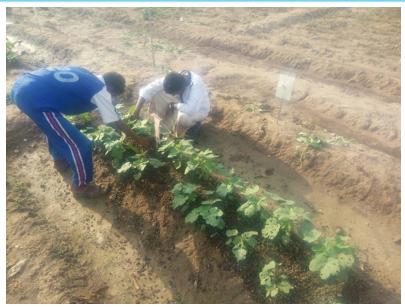
This research has an aim to study the effect of using types of soil mulches on soil moisture conservation, water use efficiency and crop yield when cultivating okra. The experiment consists of four treatments: 1) waterpads (P), 2) soil mulching by agricultural residual (R), 3) soil mulching by manure (M), 4) soil mulching by black polyethylene (E), and a control treatment 5) no mulching (W). The results showed that treatments (M) and (E) was higher significant than others treatments in conservation soil moisture, and increasing the Irrigation intervals, as a result, total irrigation water quantities added decreased by 16.72% comparing with control treatment (W). The results proved that treatment (E) recorded the highest increasing in okra productivity by 80.12%, followed by treatment (M) increasing percentage of 54.74%, Therefore, results of (E) treatment recorded highest efficiency of water use by 110.48%, followed by treatment (M) with a percentage of 80.79%.
Abdullatif H. Alwashali, Adel M. Al-Weshali, Abdullah M. Yaya (2026). Effect of Utilizing Soil Moisture Conservation Techniques on Conserving Groundwater in Wadi Zabid – Tihama. Sana'a University Journal of Applied Sciences and Technology, 1798-1813. DOI: https://doi.org/10.59628/jast.v4i3.2229
Abdullatif H. Alwashali, Adel M. Al-Weshali, Abdullah M. Yaya . “Effect of Utilizing Soil Moisture Conservation Techniques on Conserving Groundwater in Wadi Zabid – Tihama.” Sana'a University Journal of Applied Sciences and Technology, 2026, pp. 1798-1813. https://doi.org/10.59628/jast.v4i3.2229. Accessed 30 Oct. 2026.
Abdullatif H. Alwashali, Adel M. Al-Weshali, Abdullah M. Yaya . 2026. “Effect of Utilizing Soil Moisture Conservation Techniques on Conserving Groundwater in Wadi Zabid – Tihama.” Sana'a University Journal of Applied Sciences and Technology : 1798-1813. DOI: https://doi.org/10.59628/jast.v4i3.2229
Abdullatif H. Alwashali, Adel M. Al-Weshali, Abdullah M. Yaya (2026) ‘Effect of Utilizing Soil Moisture Conservation Techniques on Conserving Groundwater in Wadi Zabid – Tihama’, Sana'a University Journal of Applied Sciences and Technology, pp. 1798-1813. doi: 10.59628/jast.v4i3.2229
@article{jast2026_art2229,
    author  = {Abdullatif H. Alwashali, Adel M. Al-Weshali, Abdullah M. Yaya  },
    title   = {Effect of Utilizing Soil Moisture Conservation Techniques on Conserving Groundwater in Wadi Zabid – Tihama},
    journal = {Sana'a University Journal of Applied Sciences and Technology},    year    = {2026},    month   = {March},    pages   = {1798-1813},    doi     = {10.59628/jast.v4i3.2229},
    url     = {https://doi.org/10.59628/jast.v4i3.2229},}
Effect of Utilizing Soil Moisture Conservation Techniques on Conserving Groundwater in Wadi Zabid – Tihama

This study evaluated the antioxidant potential of Yemeni red onion peels (YROP) extract in enhancing the oxidative stability of refined, bleached, and deodorized palm olein (RBDPO) Oil under deep-frying conditions (170–180°C for 25hours). The extract, applied at 200 and 400ppm, was compared to the synthetic antioxidant TBHQ (100ppm). At 400ppm, the extract effectively reduced free fatty acids and peroxide values by over 20%, preserved oil color, and achieved an oxidative stability index (OSI) of 15.20hours, close to TBHQ (17.53hours) and superior to untreated oil (10.25hours). Antioxidant activity (49.05% DPPH inhibition) and total phenolic content (37.36mg GAE/g DW) supported its effectiveness. These findings indicate that the YROP extract demonstrates notable antioxidant potential, enhancing oil quality and shelf life, while promoting sustainable utilization of agro-industrial waste.
Talal Abdulrazaq AL-Kawry, Ali Mansour Senan, Abdulbaki Saeed Al-Zaimi, Mushtaq Faisal Al-Afour (2025). Enhancing Oxidative Stability of Palm Olein Oil Using Yemeni Red Onion Peels Extract (Allium cepa L.) During Deep-Frying. Sana'a University Journal of Applied Sciences and Technology, 1306-1314. DOI: https://doi.org/10.59628/jast.v3i6.2000
Talal Abdulrazaq AL-Kawry, Ali Mansour Senan, Abdulbaki Saeed Al-Zaimi, Mushtaq Faisal Al-Afour . “Enhancing Oxidative Stability of Palm Olein Oil Using Yemeni Red Onion Peels Extract (Allium cepa L.) During Deep-Frying.” Sana'a University Journal of Applied Sciences and Technology, 2025, pp. 1306-1314. https://doi.org/10.59628/jast.v3i6.2000. Accessed 30 Oct. 2026.
Talal Abdulrazaq AL-Kawry, Ali Mansour Senan, Abdulbaki Saeed Al-Zaimi, Mushtaq Faisal Al-Afour . 2025. “Enhancing Oxidative Stability of Palm Olein Oil Using Yemeni Red Onion Peels Extract (Allium cepa L.) During Deep-Frying.” Sana'a University Journal of Applied Sciences and Technology : 1306-1314. DOI: https://doi.org/10.59628/jast.v3i6.2000
Talal Abdulrazaq AL-Kawry, Ali Mansour Senan, Abdulbaki Saeed Al-Zaimi, Mushtaq Faisal Al-Afour (2025) ‘Enhancing Oxidative Stability of Palm Olein Oil Using Yemeni Red Onion Peels Extract (Allium cepa L.) During Deep-Frying’, Sana'a University Journal of Applied Sciences and Technology, pp. 1306-1314. doi: 10.59628/jast.v3i6.2000
@article{jast2025_art2000,
    author  = {Talal Abdulrazaq AL-Kawry, Ali Mansour Senan, Abdulbaki Saeed Al-Zaimi, Mushtaq Faisal Al-Afour },
    title   = {Enhancing Oxidative Stability of Palm Olein Oil Using Yemeni Red Onion Peels Extract (Allium cepa L.) During Deep-Frying},
    journal = {Sana'a University Journal of Applied Sciences and Technology},    year    = {2025},    month   = {December},    pages   = {1306-1314},    doi     = {10.59628/jast.v3i6.2000},
    url     = {https://doi.org/10.59628/jast.v3i6.2000},}
Enhancing Oxidative Stability of Palm Olein Oil Using Yemeni Red Onion Peels Extract (Allium cepa L.) During Deep-Frying

A GIS-based Soil Conservation Service Curve Number (SCS-CN) approach was used to estimate surface-runoff potential in Yemen’s arid Abyan Delta (∼1,237 km2). Sentinel-2 (10 m) imagery was classified into major land-cover types and combined with hydrologic soil groups (HYSOGs) to assign CN values under Antecedent Moisture Condition II. The composite CN map (67–100; mean = 91.8) indicates limited infiltration across large areas of bare or impervious surfaces on clayey soils. Using the standard SCS-CN equations, event runoff was simulated for representative storm depths of 74, 124, and 174 mm. The model produced direct-runoff depths of ∼52, 100, and 150 mm, corresponding to runoff coefficients of ∼71%, 81%, and 86%, and basin-wide volumes of 0.65, 1.24, and 1.85 × 10⁸ m3, respectively. Spatial attribution shows that high-CN zones (notably barren HSG-C/D units and built-up/roads) generate most of the runoff despite covering a smaller fraction of the delta. The results identify priority areas for spate-irrigation, retention, and recharge interventions, and provide a reproducible baseline for flood-risk reduction and water-harvesting planning in data-scarce drylands. The workflow can be readily updated with improved soils, land-use, or climate inputs to support adaptive management.
Sady Alsady, Marwan Al-Badani, Zamzam Mubarak (2025). Estimating Surface Runoff Potential in the Abyan Delta, Yemen Using GIS-Based SCS-Curve Number Method. Sana'a University Journal of Applied Sciences and Technology, 1164-1170. DOI: https://doi.org/10.59628/jast.v3i5.1987
Sady Alsady, Marwan Al-Badani, Zamzam Mubarak . “Estimating Surface Runoff Potential in the Abyan Delta, Yemen Using GIS-Based SCS-Curve Number Method.” Sana'a University Journal of Applied Sciences and Technology, 2025, pp. 1164-1170. https://doi.org/10.59628/jast.v3i5.1987. Accessed 30 Oct. 2026.
Sady Alsady, Marwan Al-Badani, Zamzam Mubarak . 2025. “Estimating Surface Runoff Potential in the Abyan Delta, Yemen Using GIS-Based SCS-Curve Number Method.” Sana'a University Journal of Applied Sciences and Technology : 1164-1170. DOI: https://doi.org/10.59628/jast.v3i5.1987
Sady Alsady, Marwan Al-Badani, Zamzam Mubarak (2025) ‘Estimating Surface Runoff Potential in the Abyan Delta, Yemen Using GIS-Based SCS-Curve Number Method’, Sana'a University Journal of Applied Sciences and Technology, pp. 1164-1170. doi: 10.59628/jast.v3i5.1987
@article{jast2025_art1987,
    author  = {Sady Alsady, Marwan Al-Badani, Zamzam Mubarak },
    title   = {Estimating Surface Runoff Potential in the Abyan Delta, Yemen Using GIS-Based SCS-Curve Number Method},
    journal = {Sana'a University Journal of Applied Sciences and Technology},    year    = {2025},    month   = {October},    pages   = {1164-1170},    doi     = {10.59628/jast.v3i5.1987},
    url     = {https://doi.org/10.59628/jast.v3i5.1987},}
Estimating Surface Runoff Potential in the Abyan Delta, Yemen Using GIS-Based SCS-Curve Number Method
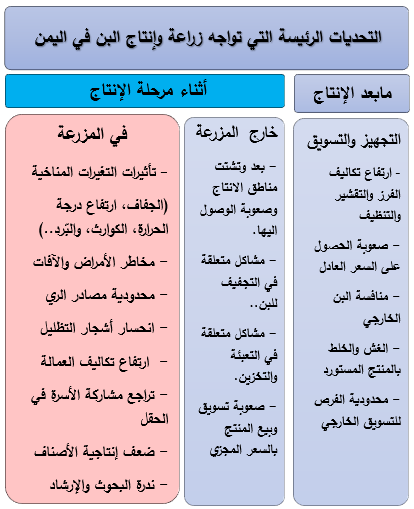
This research work comes based on for participatory research methodology between the Faculty of Agriculture, Food and Environment at Sana'a University, the Participatory Foundation for Research and Dissemination (PFRD) and the Yemeni Association for Sustainable Agriculture Development (YASAD), in which 20 samples of Yemeni Coffee Landraces (YCL) were collected and tested at an early stage and under an environmentally controlled condition in order to highlight the importance of genetic traits related to the ability of the coffee crop to face drought. This requires the existence of genetic variation that researchers rely on in genetic improvement procedures to increase the ability of local varieties to endure biotic and abiotic stresses of which drought and lack of water are at the forefront of these factors. In this study, the results showed that there are significant genetic variation in most of the studied traits, and that calculating the components of genetic, and environmental variances enabled the estimation of the degree of heritability, whose values varied between (9-90%), and enabled the distinction of traits that can be relied on in evaluating genetic resources and selecting local varieties and landraces that can be propagated and cultivated or introduced in breeding and genetic improvement programs to produce varieties that are more tolerant and suitable for drought and water shortages and reduce the effects of current and potential climate changes in the future. Principal Component Analyses (PCA) and clustering analyses have enabled the sorting of genetic groups with multiple traits that have demonstrated genetic variation and characterized the most stable and adapted local landraces under drought conditions in the early stages of plant life, plants have been retained and research and evaluation will continue under agricultural field conditions.
Soltana Mohamed Abdulrahman Enabah, Mahassen Munibari, Amin Al-Hakimi (2025). Evaluation of Genetic Variation in Yemeni Coffee Landraces (Coffea arabica L.) for some Morpho-physiological Traits Related to Drought Resistance. Sana'a University Journal of Applied Sciences and Technology, 1241-1258. DOI: https://doi.org/10.59628/jast.v3i6.2147
Soltana Mohamed Abdulrahman Enabah, Mahassen Munibari, Amin Al-Hakimi . “Evaluation of Genetic Variation in Yemeni Coffee Landraces (Coffea arabica L.) for some Morpho-physiological Traits Related to Drought Resistance.” Sana'a University Journal of Applied Sciences and Technology, 2025, pp. 1241-1258. https://doi.org/10.59628/jast.v3i6.2147. Accessed 30 Oct. 2026.
Soltana Mohamed Abdulrahman Enabah, Mahassen Munibari, Amin Al-Hakimi . 2025. “Evaluation of Genetic Variation in Yemeni Coffee Landraces (Coffea arabica L.) for some Morpho-physiological Traits Related to Drought Resistance.” Sana'a University Journal of Applied Sciences and Technology : 1241-1258. DOI: https://doi.org/10.59628/jast.v3i6.2147
Soltana Mohamed Abdulrahman Enabah, Mahassen Munibari, Amin Al-Hakimi (2025) ‘Evaluation of Genetic Variation in Yemeni Coffee Landraces (Coffea arabica L.) for some Morpho-physiological Traits Related to Drought Resistance’, Sana'a University Journal of Applied Sciences and Technology, pp. 1241-1258. doi: 10.59628/jast.v3i6.2147
@article{jast2025_art2147,
    author  = {Soltana Mohamed Abdulrahman Enabah, Mahassen Munibari, Amin Al-Hakimi },
    title   = {Evaluation of Genetic Variation in Yemeni Coffee Landraces (Coffea arabica L.) for some Morpho-physiological Traits Related to Drought Resistance},
    journal = {Sana'a University Journal of Applied Sciences and Technology},    year    = {2025},    month   = {December},    pages   = {1241-1258},    doi     = {10.59628/jast.v3i6.2147},
    url     = {https://doi.org/10.59628/jast.v3i6.2147},}
Evaluation of Genetic Variation in Yemeni Coffee Landraces (Coffea arabica L.) for some Morpho-physiological Traits Related to Drought Resistance
Pearl Millet (Pennisetum glaucum (L.) R. Br.) is an important crop plant cultivated in many countries, including Yemen, due to its high nutritional value. Landrace, temperatures, and rainfall are crucial factors when it comes to improving the cultivation of crops for the benefit of man and animals. Therefore, the aim of this study was to statistically evaluate the morphological (Plant height, Leaf area, area index and number, and inflorescence length) & physiological (Biomass, Grain Yield, and Seed weight) parameters of 20 Pearl Millet landraces that comply with the amount of rainfall to produce the best grain yielding and/or high biomass production when cultivated in the Al-Mawasit district, Taiz. The Grain Yield of landrace 25508 (mean grain yield of 3.1 t/ha) was found to be greater than the grain yield produced by the other studied landraces. Moreover, landraces 25366 and 25353 were found to give the greatest biomass (mean biomass of 6.7t/ha).
Alhadi, F. A, Ibrahim, H.M, Alkadasy, A. K (2023). Evaluation of Some Growth Parameters of Millet (Pennisetum glaucum (L.) R. Br.) Landraces Cultivated in Al-Mawaset District, Taiz Governorate, Yemen. Sana'a University Journal of Applied Sciences and Technology. DOI: https://doi.org/10.59628/jast.v1i4.563
Alhadi, F. A, Ibrahim, H.M, Alkadasy, A. K . “Evaluation of Some Growth Parameters of Millet (Pennisetum glaucum (L.) R. Br.) Landraces Cultivated in Al-Mawaset District, Taiz Governorate, Yemen.” Sana'a University Journal of Applied Sciences and Technology, 2023, https://doi.org/10.59628/jast.v1i4.563. Accessed 30 Oct. 2026.
Alhadi, F. A, Ibrahim, H.M, Alkadasy, A. K . 2023. “Evaluation of Some Growth Parameters of Millet (Pennisetum glaucum (L.) R. Br.) Landraces Cultivated in Al-Mawaset District, Taiz Governorate, Yemen.” Sana'a University Journal of Applied Sciences and Technology DOI: https://doi.org/10.59628/jast.v1i4.563
Alhadi, F. A, Ibrahim, H.M, Alkadasy, A. K (2023) ‘Evaluation of Some Growth Parameters of Millet (Pennisetum glaucum (L.) R. Br.) Landraces Cultivated in Al-Mawaset District, Taiz Governorate, Yemen’, Sana'a University Journal of Applied Sciences and Technology. doi: 10.59628/jast.v1i4.563
@article{jast2023_art563,
    author  = {Alhadi, F. A, Ibrahim, H.M, Alkadasy, A. K },
    title   = {Evaluation of Some Growth Parameters of Millet (Pennisetum glaucum (L.) R.   Br.) Landraces Cultivated in Al-Mawaset District, Taiz Governorate, Yemen},
    journal = {Sana'a University Journal of Applied Sciences and Technology},    year    = {2023},    month   = {December},    doi     = {10.59628/jast.v1i4.563},
    url     = {https://doi.org/10.59628/jast.v1i4.563},}
Evaluation of Some Growth Parameters of Millet (Pennisetum glaucum (L.) R. Br.) Landraces Cultivated in Al-Mawaset District, Taiz Governorate, Yemen
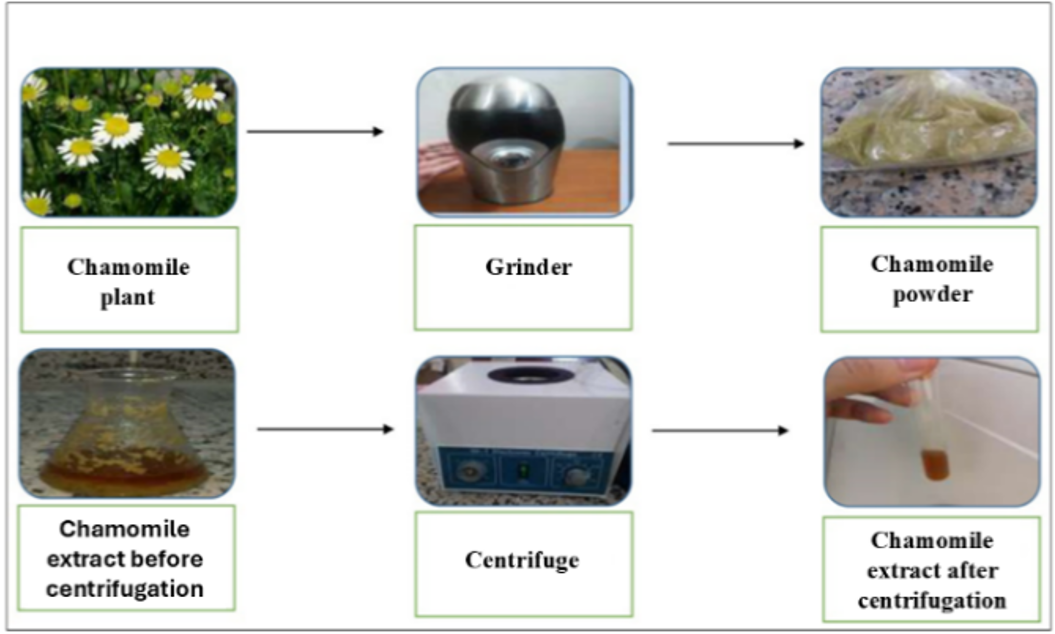
Green synthesis offers an environmentally benign approach for producing functional metal oxide nanomaterials. In this study, chamomile extract was employed as a natural reducing and stabilizing agent to synthesize ZnO and MgO nanoparticles under identical reaction conditions. The nanoparticles were prepared at 30 °C for 30 min under neutral pH, followed by heat treatment at 400 °C for five hours to remove residual moisture and promote crystallization. Structural and morphological characteristics were examined using X-ray diffraction (XRD), UV–visible spectroscopy and scanning electron microscopy (SEM). The UV–Vis spectra exhibited characteristic absorption peaks at 369 nm for ZnO and 265 nm for MgO. XRD analysis confirmed the formation of hexagonal wurtzite ZnO and face-centered cubic MgO phases, with calculated crystallite sizes of 8.35 nm and 11.58 nm, respectively. SEM images revealed predominantly spherical ZnO nanoparticles forming agglomerated secondary structures (55–70 nm) and spherical MgO nanoparticles with primary sizes ranging from 60–75 nm. The results demonstrate that chamomile extract serves as an effective biotemplate for controlling the nucleation and growth of ZnO and MgO nanoparticles, leading to well-defined structural and morphological features. This study highlights the potential of plant-mediated synthesis as a sustainable route for producing stable nanomaterials suitable for biomedical and environmental applications, reinforcing the role of green chemistry in advancing eco-friendly nanotechnology.
Ali Hashim Mohammed, Ali Maajal Ali, Mohaimen Baseem Awf, Rafaa Abd Alkareem Abdulwahid, Laith Saleh, Ghassan Adnan Naeem (2026). Green Synthesis and Characterization of ZnO and MgO Nanoparticles Using Chamomile Extract. Sana'a University Journal of Applied Sciences and Technology, 1825-1830. DOI: https://doi.org/10.59628/jast.v4i3.2488
Ali Hashim Mohammed, Ali Maajal Ali, Mohaimen Baseem Awf, Rafaa Abd Alkareem Abdulwahid, Laith Saleh, Ghassan Adnan Naeem . “Green Synthesis and Characterization of ZnO and MgO Nanoparticles Using Chamomile Extract.” Sana'a University Journal of Applied Sciences and Technology, 2026, pp. 1825-1830. https://doi.org/10.59628/jast.v4i3.2488. Accessed 30 Oct. 2026.
Ali Hashim Mohammed, Ali Maajal Ali, Mohaimen Baseem Awf, Rafaa Abd Alkareem Abdulwahid, Laith Saleh, Ghassan Adnan Naeem . 2026. “Green Synthesis and Characterization of ZnO and MgO Nanoparticles Using Chamomile Extract.” Sana'a University Journal of Applied Sciences and Technology : 1825-1830. DOI: https://doi.org/10.59628/jast.v4i3.2488
Ali Hashim Mohammed, Ali Maajal Ali, Mohaimen Baseem Awf, Rafaa Abd Alkareem Abdulwahid, Laith Saleh, Ghassan Adnan Naeem (2026) ‘Green Synthesis and Characterization of ZnO and MgO Nanoparticles Using Chamomile Extract’, Sana'a University Journal of Applied Sciences and Technology, pp. 1825-1830. doi: 10.59628/jast.v4i3.2488
@article{jast2026_art2488,
    author  = {Ali Hashim Mohammed, Ali Maajal Ali, Mohaimen Baseem Awf, Rafaa Abd Alkareem Abdulwahid, Laith Saleh, Ghassan Adnan Naeem },
    title   = {Green Synthesis and Characterization of ZnO and MgO Nanoparticles Using Chamomile Extract},
    journal = {Sana'a University Journal of Applied Sciences and Technology},    year    = {2026},    month   = {March},    pages   = {1825-1830},    doi     = {10.59628/jast.v4i3.2488},
    url     = {https://doi.org/10.59628/jast.v4i3.2488},}
Green Synthesis and Characterization of ZnO and MgO Nanoparticles Using Chamomile Extract
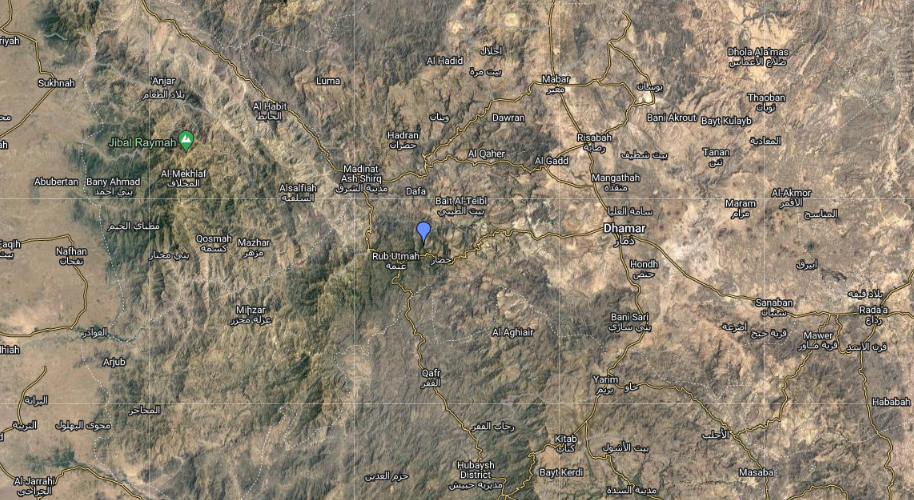
In natural habitats of wild plants, growth, and productivity are influenced by various environmental factors, including edaphic and climatic conditions. Yemen has many natural habitats that contain endemic plants. Thymus laevigatus is one of these plants distributed in higher mountain areas in the Northern part of the country. Assessment of environmental factors in these areas is still limited. So, this study aimed to analyze the edaphic and climatic factors affecting the growth of wild thyme in the Utmah Natural Reserve. Soils 0-25, and 25-50 cm deep were randomly sampled from the rhizosphere of the thyme. Edaphic factors include soil texture, organic matter, pH, EC, mobile potassium (K2O) and phosphorous (P2O5), Exchangeable (Ca, Mg, Na), Available (Fe, Zn, Mn), and total Calcium carbonate (CaCO3). The meteorological data (precipitation, temperature, and average monthly sunshine duration) for 2015-2022 were obtained from the Water and Environment Center – Sana’a University. Results showed that K2O, Zn, and Ca concentrations are deficient; Mn is adequate; Mg is near moderate; P2O5 is moderate; Fe and organic matter are adequate; Na is high. Soil is without salinity and pH is alkaline. The soil texture is sandy loam. The bioclimatic zone is semi-arid with a temperate winter. Wet periods are months of April, May, mid-July, August, and October with a yearly average rainfall of 377.13 mm. Minimum temperatures are between 6.83-15.01°C, while the maximum is between 23.21-31.16°C. The average sunshine hours during thyme growth season are 10.68 h/ day. The obtained results represent the basic requirements for the growth and productivity of thyme in its natural habitats. Also, it provides preliminary information that can be used to plan conservation projects for this plant and contribute to its domestication and cultivation.
Adel Sultan Alqadasi, Younis Ahmed Humaid (2024). Investigation of Edaphic and Climatic Factors for Thymus laevigatus in Utmah Natural Reserve, Yemen. Sana'a University Journal of Applied Sciences and Technology, 413-421. DOI: https://doi.org/10.59628/jast.v2i5.1096
Adel Sultan Alqadasi, Younis Ahmed Humaid . “Investigation of Edaphic and Climatic Factors for Thymus laevigatus in Utmah Natural Reserve, Yemen.” Sana'a University Journal of Applied Sciences and Technology, 2024, pp. 413-421. https://doi.org/10.59628/jast.v2i5.1096. Accessed 30 Oct. 2026.
Adel Sultan Alqadasi, Younis Ahmed Humaid . 2024. “Investigation of Edaphic and Climatic Factors for Thymus laevigatus in Utmah Natural Reserve, Yemen.” Sana'a University Journal of Applied Sciences and Technology : 413-421. DOI: https://doi.org/10.59628/jast.v2i5.1096
Adel Sultan Alqadasi, Younis Ahmed Humaid (2024) ‘Investigation of Edaphic and Climatic Factors for Thymus laevigatus in Utmah Natural Reserve, Yemen’, Sana'a University Journal of Applied Sciences and Technology, pp. 413-421. doi: 10.59628/jast.v2i5.1096
@article{jast2024_art1096,
    author  = {Adel Sultan Alqadasi, Younis Ahmed Humaid },
    title   = {Investigation of Edaphic and Climatic Factors for Thymus laevigatus in Utmah Natural Reserve, Yemen},
    journal = {Sana'a University Journal of Applied Sciences and Technology},    year    = {2024},    month   = {October},    pages   = {413-421},    doi     = {10.59628/jast.v2i5.1096},
    url     = {https://doi.org/10.59628/jast.v2i5.1096},}
Investigation of Edaphic and Climatic Factors for Thymus laevigatus in Utmah Natural Reserve, Yemen
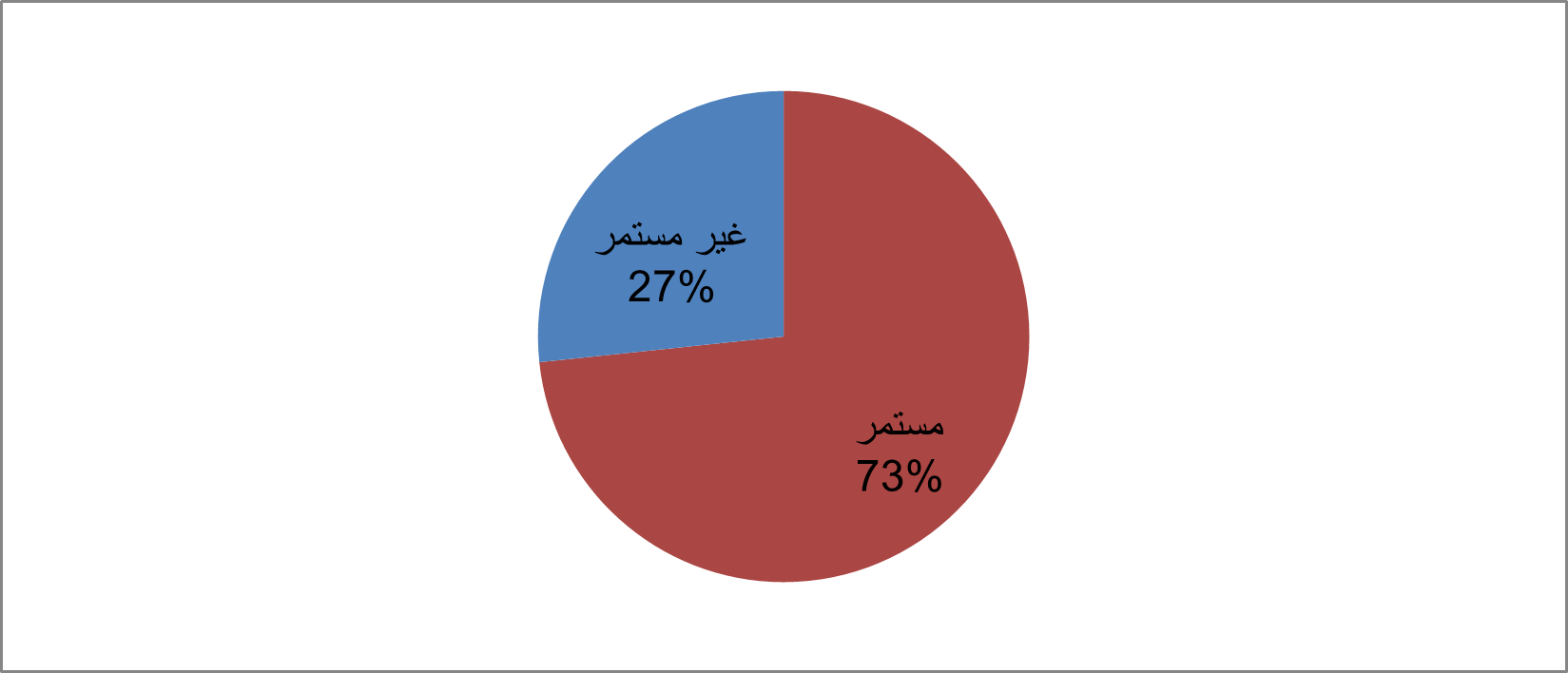
This study aims to assess the level of adoption of modern agricultural technologies among tomato farmers in Dhamar and Ibb governorates in the Republic of Yemen during the period 2023–2024, and to identify the key factors influencing this adoption. A social survey method was employed, and data were collected from a purposive sample of 150 farmers using a validated questionnaire. Data were analyzed using descriptive and inferential statistical techniques through SPSS and Excel, including frequencies, percentages, Pearson correlation, and multiple regression analysis. The results revealed that 78% of the farmers adopted improved hybrid varieties and modern irrigation networks, while 75% applied recommended fertilization practices. Despite the relatively high initial adoption rates, the continuity of use declined sharply, particularly for modern irrigation (5.1%) and integrated pest management (10%). The overall adoption level was found to be low, with 45.4% of respondents classified within the low-adoption category, compared to only 19.3% with a high level of adoption. The findings indicated statistically significant correlations at the 0.05 level between adoption degree and each of the following variables: production of improved varieties, fertilizer requirements, and water requirements. Conversely, no significant relationship was found between adoption and either disease incidence or general benefit from the technology. Multiple regression analysis showed that the studied technical variables explained only a small portion of the variation in adoption (R² = 0.035), suggesting that additional socio-economic, educational, and extension-related factors may play a stronger role. The study concludes that adoption of modern technologies among tomato farmers remains limited and faces several constraints. It recommends strengthening agricultural extension services, providing financial and technical support, enhancing farmer training programs, and improving access to resources in order to increase technology adoption and ensure sustainable improvement in tomato productivity in Yemen.
Muhammad Muhammad Yahya Daws, Taha Yassin Al-Adimi, Ali Qasim Ismail (2026). Modern Agricultural Technology Adoption Among Tomato Farmers in Dhamar and Ibb Governorates, Yemen. Sana'a University Journal of Applied Sciences and Technology, 1724-1740. DOI: https://doi.org/10.59628/jast.v4i2.1814
Muhammad Muhammad Yahya Daws, Taha Yassin Al-Adimi, Ali Qasim Ismail . “Modern Agricultural Technology Adoption Among Tomato Farmers in Dhamar and Ibb Governorates, Yemen.” Sana'a University Journal of Applied Sciences and Technology, 2026, pp. 1724-1740. https://doi.org/10.59628/jast.v4i2.1814. Accessed 30 Oct. 2026.
Muhammad Muhammad Yahya Daws, Taha Yassin Al-Adimi, Ali Qasim Ismail . 2026. “Modern Agricultural Technology Adoption Among Tomato Farmers in Dhamar and Ibb Governorates, Yemen.” Sana'a University Journal of Applied Sciences and Technology : 1724-1740. DOI: https://doi.org/10.59628/jast.v4i2.1814
Muhammad Muhammad Yahya Daws, Taha Yassin Al-Adimi, Ali Qasim Ismail (2026) ‘Modern Agricultural Technology Adoption Among Tomato Farmers in Dhamar and Ibb Governorates, Yemen’, Sana'a University Journal of Applied Sciences and Technology, pp. 1724-1740. doi: 10.59628/jast.v4i2.1814
@article{jast2026_art1814,
    author  = {Muhammad Muhammad Yahya Daws, Taha Yassin Al-Adimi, Ali Qasim Ismail },
    title   = {Modern Agricultural Technology Adoption Among Tomato Farmers in Dhamar and Ibb Governorates, Yemen},
    journal = {Sana'a University Journal of Applied Sciences and Technology},    year    = {2026},    month   = {February},    pages   = {1724-1740},    doi     = {10.59628/jast.v4i2.1814},
    url     = {https://doi.org/10.59628/jast.v4i2.1814},}
Modern Agricultural Technology Adoption Among Tomato Farmers in Dhamar and Ibb Governorates, Yemen
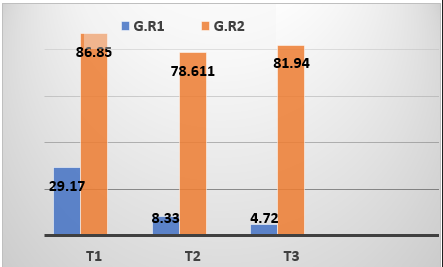
Biscuits are dry food products that are highly susceptible to moisture uptake during storage due to their porous structure and low initial moisture content, making the control of water vapor transfer a critical factor in maintaining product stability. This study aimed to evaluate the effectiveness of metallized biaxially oriented polypropylene (Metallized BOPP) packaging in reducing moisture uptake through a direct comparison with non-metallized biaxially oriented polypropylene (BOPP) packaging in a single biscuit product, while also monitoring the response of three biscuit products stored under metallized packaging. A longitudinal field study was conducted over a twelve-month period at three storage locations in Yemen. Monthly measurements of moisture content, water activity, and sensory properties were collected, and the data were analyzed using linear mixed models. The results showed that metallized packaging was associated with significantly lower moisture content and water activity compared with BOPP packaging in the product used for the direct packaging comparison, accompanied by a clear improvement in crispness. The analysis also indicated that storage time was the factor most strongly associated with changes in both physical and sensory properties. Among the products stored under metallized packaging only, no significant differences were observed in moisture content, whereas differences were detected in water activity and sensory properties. These findings support the effectiveness of metallized packaging within the limits of a direct comparison conducted on a single product, while highlighting differences in product responses under the same packaging system.
Khaled Mohammed Assag, Jalal Fadel, Abdulmajid Bajash (2026). Moisture Stability and Sensory Quality of Metallized-Packaged Biscuits During Storage: A Comparison with Non-Metallized Packaging in a Single Product. Sana'a University Journal of Applied Sciences and Technology, 2361-2383. DOI: https://doi.org/10.59628/jast.v4i8.3050
Khaled Mohammed Assag, Jalal Fadel, Abdulmajid Bajash . “Moisture Stability and Sensory Quality of Metallized-Packaged Biscuits During Storage: A Comparison with Non-Metallized Packaging in a Single Product.” Sana'a University Journal of Applied Sciences and Technology, 2026, pp. 2361-2383. https://doi.org/10.59628/jast.v4i8.3050. Accessed 30 Oct. 2026.
Khaled Mohammed Assag, Jalal Fadel, Abdulmajid Bajash . 2026. “Moisture Stability and Sensory Quality of Metallized-Packaged Biscuits During Storage: A Comparison with Non-Metallized Packaging in a Single Product.” Sana'a University Journal of Applied Sciences and Technology : 2361-2383. DOI: https://doi.org/10.59628/jast.v4i8.3050
Khaled Mohammed Assag, Jalal Fadel, Abdulmajid Bajash (2026) ‘Moisture Stability and Sensory Quality of Metallized-Packaged Biscuits During Storage: A Comparison with Non-Metallized Packaging in a Single Product’, Sana'a University Journal of Applied Sciences and Technology, pp. 2361-2383. doi: 10.59628/jast.v4i8.3050
@article{jast2026_art3050,
    author  = {Khaled Mohammed Assag, Jalal Fadel, Abdulmajid Bajash },
    title   = {Moisture Stability and Sensory Quality of Metallized-Packaged Biscuits During Storage: A Comparison with Non-Metallized Packaging in a Single Product},
    journal = {Sana'a University Journal of Applied Sciences and Technology},    year    = {2026},    month   = {August},    pages   = {2361-2383},    doi     = {10.59628/jast.v4i8.3050},
    url     = {https://doi.org/10.59628/jast.v4i8.3050},}
Moisture Stability and Sensory Quality of Metallized-Packaged Biscuits During Storage: A Comparison with Non-Metallized Packaging in a Single Product
The research was carried out during 2023/2024, in the laboratory of the Participatory Foundation for Research and Dissemination and the Faculty of Agriculture, Foods, and Environment, Sana'a University, Yemen under controlled condition, for the objective to improve genetic variation in Yemeni coffee. The seeds of a local variety "Udini" were used, and four treatments, namely the control without any treatment of the seeds, the second treatment was soaked with sodium azide solution at a concentration of 0.1 molar and the third treatment was treated with the seeds extract of the Harmel plant (Peganum harmala L.), and the fourth by dipping the roots of the coffee seedlings after germination with the extract of Harmel, in this treatment all the plants were died within the first weeks of dipping the seedling roots in the Harmal extract, this indicates the importance of using lower concentrations and immersion times. The results showed that the use of mutational chemicals had a role in causing changes in the speed and rate of seed germination, in the length of seedlings, and in the number and length of roots, and the analysis of the frequency curves showed that the distribution of the frequency of the natural plant population was clearly affected in the treatments by the mutagenic substances compared to the natural control group in relation to the most traits. The phenotypic transformations that appeared on the cotyledon leaves and on the real leaves developing on the first node were recorded, and seven forms of deformations were distinguished, represented in heterogeneity in the cotyledon leaves and in the real leaves and in the cotyledon leaves and real leaves together. These results clearly indicate that mutations can be used as a tool to improve genetic variation in Yemeni coffee.
Buthaina Othman Abdullah Bahwirth, Amin Abdo Sofian AL-Hakimi, Mahasen Al-Munibari (2026). Mutation Induction in a Yemeni Coffee Variety Using Sodium Azide and Peganum harmala seeds Extract. Sana'a University Journal of Applied Sciences and Technology, 1977-1997. DOI: https://doi.org/10.59628/jast.v4i4.2538
Buthaina Othman Abdullah Bahwirth, Amin Abdo Sofian AL-Hakimi, Mahasen Al-Munibari . “Mutation Induction in a Yemeni Coffee Variety Using Sodium Azide and Peganum harmala seeds Extract.” Sana'a University Journal of Applied Sciences and Technology, 2026, pp. 1977-1997. https://doi.org/10.59628/jast.v4i4.2538. Accessed 30 Oct. 2026.
Buthaina Othman Abdullah Bahwirth, Amin Abdo Sofian AL-Hakimi, Mahasen Al-Munibari . 2026. “Mutation Induction in a Yemeni Coffee Variety Using Sodium Azide and Peganum harmala seeds Extract.” Sana'a University Journal of Applied Sciences and Technology : 1977-1997. DOI: https://doi.org/10.59628/jast.v4i4.2538
Buthaina Othman Abdullah Bahwirth, Amin Abdo Sofian AL-Hakimi, Mahasen Al-Munibari (2026) ‘Mutation Induction in a Yemeni Coffee Variety Using Sodium Azide and Peganum harmala seeds Extract’, Sana'a University Journal of Applied Sciences and Technology, pp. 1977-1997. doi: 10.59628/jast.v4i4.2538
@article{jast2026_art2538,
    author  = {Buthaina Othman Abdullah Bahwirth, Amin Abdo Sofian AL-Hakimi, Mahasen Al-Munibari },
    title   = {Mutation Induction in a Yemeni Coffee Variety Using Sodium Azide and Peganum harmala seeds Extract},
    journal = {Sana'a University Journal of Applied Sciences and Technology},    year    = {2026},    month   = {April},    pages   = {1977-1997},    doi     = {10.59628/jast.v4i4.2538},
    url     = {https://doi.org/10.59628/jast.v4i4.2538},}
Mutation Induction in a Yemeni Coffee Variety Using Sodium Azide and Peganum harmala seeds Extract

Postharvest rice losses in Nigeria persist at 15–25%, partly attributable to the absence of standardised optimization frameworks for mechanised smallholder threshers. No study has directly compared Response Surface Methodology (RSM) and Taguchi optimization in this context. This PRISMA 2020 systematic review and metaanalysis synthesises 35 studies (2010–2025) sourced from Scopus, Google Scholar, and AJOL, comprising RSM (n=12), Taguchi (n=8), hybrid (n=3), and factorial ANOVA (n=12) designs. Meta-analytic procedures included Cohen’s d effect size computation, variance ratio analysis, Egger’s regression, and trim-and-fill correction. Cylinder speed (optimal: 750–825 RPM; reported precision peak approximately 770 RPM) contributed 62.4% of threshing efficiency variance. Moisture content optima were 13–14% for grain quality and 16–18% for maximum throughput. Feed rate optimum was 3 kg·min−1, blower air velocity peaked cleaning efficiency at 99.32% (6.0 m·s−1), and a 4.5 Hz vibrating sieve reduced scatter loss from 5.2% to 1.8%. Meta-analysis revealed no significant difference in threshing efficiency between RSM (94.2%) and Taguchi (93.1%) frameworks (p=0.21; Cohen’s d=+0.35), though RSM yielded 26–40% lower output variance (differences not statistically significant; p > 0.27). Publication bias inflated mean throughput by 8.3%; the bias-adjusted estimate is 187 kg·h−1. A hybrid sequential strategy — Taguchi L screening followed by RSM-CCD refinement — is recommended for future optimization studies.
Raphael Segun Bello, Abdulgafar Usman, Igwe Dennis Chibueze, Ogbonnaya Boniface Onu, Mumuni Olanrewaju Saliu (2026). Optimizing Rice Thresher Performance in Nigeria: A Systematic Review and Meta-Analytic Synthesis of Response Surface. Sana'a University Journal of Applied Sciences and Technology, 2334-2354. DOI: https://doi.org/10.59628/jast.v4i7.3051
Raphael Segun Bello, Abdulgafar Usman, Igwe Dennis Chibueze, Ogbonnaya Boniface Onu, Mumuni Olanrewaju Saliu . “Optimizing Rice Thresher Performance in Nigeria: A Systematic Review and Meta-Analytic Synthesis of Response Surface.” Sana'a University Journal of Applied Sciences and Technology, 2026, pp. 2334-2354. https://doi.org/10.59628/jast.v4i7.3051. Accessed 30 Oct. 2026.
Raphael Segun Bello, Abdulgafar Usman, Igwe Dennis Chibueze, Ogbonnaya Boniface Onu, Mumuni Olanrewaju Saliu . 2026. “Optimizing Rice Thresher Performance in Nigeria: A Systematic Review and Meta-Analytic Synthesis of Response Surface.” Sana'a University Journal of Applied Sciences and Technology : 2334-2354. DOI: https://doi.org/10.59628/jast.v4i7.3051
Raphael Segun Bello, Abdulgafar Usman, Igwe Dennis Chibueze, Ogbonnaya Boniface Onu, Mumuni Olanrewaju Saliu (2026) ‘Optimizing Rice Thresher Performance in Nigeria: A Systematic Review and Meta-Analytic Synthesis of Response Surface’, Sana'a University Journal of Applied Sciences and Technology, pp. 2334-2354. doi: 10.59628/jast.v4i7.3051
@article{jast2026_art3051,
    author  = {Raphael Segun Bello, Abdulgafar Usman, Igwe Dennis Chibueze, Ogbonnaya Boniface Onu, Mumuni Olanrewaju Saliu },
    title   = {Optimizing Rice Thresher Performance in Nigeria: A Systematic Review and Meta-Analytic Synthesis of Response Surface},
    journal = {Sana'a University Journal of Applied Sciences and Technology},    year    = {2026},    month   = {July},    pages   = {2334-2354},    doi     = {10.59628/jast.v4i7.3051},
    url     = {https://doi.org/10.59628/jast.v4i7.3051},}
Optimizing Rice Thresher Performance in Nigeria: A Systematic Review and Meta-Analytic Synthesis of Response Surface
The population of the study were (39) respondents who attended the training programs during 2009, data was collected through a questionnaire that was specially designed for assessing the study objectives, the frequencies, percentages, mean, standard deviation, and Borich model to estimate, analyze, and interpret the results. The most important results of the study were that the majority of respondents (84.61%) had knowledge of the agricultural extension areas and were moderately full, 82% of the respondents recognized the importance of the indicative areas of work that significantly and very important, and 64.1% of the respondents their ability was in both medium and low level. The study shows that the degree of the respondent's training needs assessment was in the field of development, maintenance, and use of natural resources (5.4 degrees) as first training needs, then the area of raising the efficiency of marketing of agricultural products (4.90 degrees), and finally the development and A positive significant relationship was found at the level of (0.05) between the degree of knowledge and age and educational level and the value of the correlation coefficient was (0.296 and 0.359). A negative significant relationship at the level of (0.01) between the degree of knowledge and the date of the last course participated. The value of the correlation coefficient was (-0.374) and with a negative relationship at the level of (0.05) between the degree of knowledge and the number of training courses, the value of the correlation coefficient was (-0.180). A positive significant relationship between the degree of perception at the level of (0.05) and the educational level, the value of the correlation coefficient was (0.321), and a positive perception relationship between the degree of ability of the respondents at the level of (0.05) and between specialization and the value of the correlation coefficient was (0.309).
Ahmed Abdulwali Ali Al-Samawi (2025). Perception of Some of Agricultural Extension workers to the Importance of the Agricultural Extension Areas and Their Training Needs Assessment (Case study). Sana'a University Journal of Applied Sciences and Technology, 663-678. DOI: https://doi.org/10.59628/jast.v3i1.1228
Ahmed Abdulwali Ali Al-Samawi . “Perception of Some of Agricultural Extension workers to the Importance of the Agricultural Extension Areas and Their Training Needs Assessment (Case study).” Sana'a University Journal of Applied Sciences and Technology, 2025, pp. 663-678. https://doi.org/10.59628/jast.v3i1.1228. Accessed 30 Oct. 2026.
Ahmed Abdulwali Ali Al-Samawi . 2025. “Perception of Some of Agricultural Extension workers to the Importance of the Agricultural Extension Areas and Their Training Needs Assessment (Case study).” Sana'a University Journal of Applied Sciences and Technology : 663-678. DOI: https://doi.org/10.59628/jast.v3i1.1228
Ahmed Abdulwali Ali Al-Samawi (2025) ‘Perception of Some of Agricultural Extension workers to the Importance of the Agricultural Extension Areas and Their Training Needs Assessment (Case study)’, Sana'a University Journal of Applied Sciences and Technology, pp. 663-678. doi: 10.59628/jast.v3i1.1228
@article{jast2025_art1228,
    author  = {Ahmed Abdulwali Ali Al-Samawi },
    title   = {Perception of Some of Agricultural Extension workers to the Importance of the Agricultural Extension Areas and Their Training Needs Assessment  (Case study)},
    journal = {Sana'a University Journal of Applied Sciences and Technology},    year    = {2025},    month   = {February},    pages   = {663-678},    doi     = {10.59628/jast.v3i1.1228},
    url     = {https://doi.org/10.59628/jast.v3i1.1228},}
Perception of Some of Agricultural Extension workers to the Importance of the Agricultural Extension Areas and Their Training Needs Assessment (Case study)

Salinity is one of the most pervasive abiotic stressors limiting global agricultural productivity, particularly by impairing seed germination in sensitive species, such as chili peppers (Capsicum spp.). This study rigorously evaluated the potential of nature-derived biostimulants to alleviate salinityinduced germination inhibition in three agronomically important Yemeni chili pepper genotypes: Haimi (H), Hajjah (J), and Jawfi3 (V3). Aqueous extracts from red beetroot, prickly pear fruit, carrot roots, and moringa leaves and flowers were subjected to an optimized 18-hour seed priming protocol. The seeds were germinated at three salinity levels (0, 150, and 250 mM NaCl) in a randomized complete block design. The results revealed a striking mitigation of salinity stress at 150 mM NaCl by all plant extracts, with substantial protective effects observed at the extreme 250 mM NaCl concentration. Notably, beetroot extract emerged as the most potent biostimulant, consistently delivering the highest Extract Stimulation Index (ESI%) across all germination parameters including germination percentage (GrP%), mean germination time (MGT), germination speed (GSC), and radicle length. Its performance was robust across all genotypes and salinity levels, thereby highlighting its broad-spectrum efficacy.
These findings provide the first empirical evidence that cost-effective natural extracts, particularly from red beetroot and prickly pear fruit, can match or surpass synthetic priming agents in enhancing seed germination under saline conditions.
Elham Arraf, Isam Al-madhagi, Hemiar Haissam (2025). Plant Extracts Are a Promising Solution to Alleviate Salinity Stress at the Chili Pepper Germination Stage. Sana'a University Journal of Applied Sciences and Technology, 868- 884. DOI: https://doi.org/10.59628/jast.v3i3.1663
Elham Arraf, Isam Al-madhagi, Hemiar Haissam . “Plant Extracts Are a Promising Solution to Alleviate Salinity Stress at the Chili Pepper Germination Stage.” Sana'a University Journal of Applied Sciences and Technology, 2025, pp. 868- 884. https://doi.org/10.59628/jast.v3i3.1663. Accessed 30 Oct. 2026.
Elham Arraf, Isam Al-madhagi, Hemiar Haissam . 2025. “Plant Extracts Are a Promising Solution to Alleviate Salinity Stress at the Chili Pepper Germination Stage.” Sana'a University Journal of Applied Sciences and Technology : 868- 884. DOI: https://doi.org/10.59628/jast.v3i3.1663
Elham Arraf, Isam Al-madhagi, Hemiar Haissam (2025) ‘Plant Extracts Are a Promising Solution to Alleviate Salinity Stress at the Chili Pepper Germination Stage’, Sana'a University Journal of Applied Sciences and Technology, pp. 868- 884. doi: 10.59628/jast.v3i3.1663
@article{jast2025_art1663,
    author  = {Elham Arraf, Isam Al-madhagi, Hemiar Haissam },
    title   = {Plant Extracts Are a Promising Solution to Alleviate Salinity Stress at the Chili Pepper Germination Stage},
    journal = {Sana'a University Journal of Applied Sciences and Technology},    year    = {2025},    month   = {June},    pages   = {868- 884},    doi     = {10.59628/jast.v3i3.1663},
    url     = {https://doi.org/10.59628/jast.v3i3.1663},}
Plant Extracts Are a Promising Solution to Alleviate Salinity Stress at the Chili Pepper Germination Stage

Plastic-covered greenhouses are widely used in Yemen to cultivate various vegetable crops, often without adequate consideration of their microclimatic conditions. This study evaluated the key microclimatic factors affecting plant growth, including air temperature, relative humidity, humidity ratio, and heat content. Air temperature and relative humidity were measured both inside and outside a 36 meter-long plastic-covered greenhouse. Internal measurements were performed at three locations: the entrance, middle, and end sections. Psychrometric equations were used to calculate the humidity ratio and heat content of air. The results indicated that the air temperature inside the greenhouse was lower than outside during the early and late afternoon hours, with a maximum difference of 3.4°C. However, between 8:00 AM and 3:00 PM, the internal temperature exceeded the external temperature, peaking at 7.5°C higher at 11:00 AM. On average, the internal daytime temperature was 25.9°C (ranging from 8.3°C to 34.9°C), while the nighttime average was 11.8°C (ranging from 8.4°C to 19.1°C). The relative humidity inside the greenhouse remained consistently higher than outside, fluctuating between 32% and 84% throughout the day. The average internal daytime relative humidity was 49.7% (ranging from 32.0% to 86.4%), whereas the nighttime average was 76.1% (ranging from 52.3% to 86.3%). The humidity ratio and heat content remained stable at night, but increased significantly during the daytime. A longitudinal variation was observed, with the greenhouse entrance exhibiting a humidity ratio of 4.3 kg of water per kg of air and a heat content of 12.2 kJ/kg, both lower than those recorded in the middle and end sections. The average internal daytime humidity ratio was 13.2 kg of water per kg of air (ranging from 7.7 to 17.5), while the nighttime average was 8.3 kg of water per kg of air (ranging from 7.6 to 9.5). Similarly, the average internal daytime heat content was 59.8 kJ/kg (ranging from 27.8 to 78.2), while the nighttime average was 33.4 kJ/kg (ranging from 27.9 to 43.3). Based on these findings, this study recommends enhancing greenhouse ventilation through mechanical systems powered by solar panels or by optimizing existing natural ventilation methods.
Hesham A. Ahmed, Abdulkareem Al-Mogahed, Adel Mohammed Ahmed (2025). Psychrometric Evaluation of Air Properties Under the Conditions of Plastic-Covered Greenhouses. Sana'a University Journal of Applied Sciences and Technology, 756-769. DOI: https://doi.org/10.59628/jast.v3i2.1627
Hesham A. Ahmed, Abdulkareem Al-Mogahed, Adel Mohammed Ahmed . “Psychrometric Evaluation of Air Properties Under the Conditions of Plastic-Covered Greenhouses.” Sana'a University Journal of Applied Sciences and Technology, 2025, pp. 756-769. https://doi.org/10.59628/jast.v3i2.1627. Accessed 30 Oct. 2026.
Hesham A. Ahmed, Abdulkareem Al-Mogahed, Adel Mohammed Ahmed . 2025. “Psychrometric Evaluation of Air Properties Under the Conditions of Plastic-Covered Greenhouses.” Sana'a University Journal of Applied Sciences and Technology : 756-769. DOI: https://doi.org/10.59628/jast.v3i2.1627
Hesham A. Ahmed, Abdulkareem Al-Mogahed, Adel Mohammed Ahmed (2025) ‘Psychrometric Evaluation of Air Properties Under the Conditions of Plastic-Covered Greenhouses’, Sana'a University Journal of Applied Sciences and Technology, pp. 756-769. doi: 10.59628/jast.v3i2.1627
@article{jast2025_art1627,
    author  = {Hesham A. Ahmed, Abdulkareem Al-Mogahed, Adel Mohammed Ahmed },
    title   = {Psychrometric Evaluation of Air Properties Under the Conditions of Plastic-Covered Greenhouses},
    journal = {Sana'a University Journal of Applied Sciences and Technology},    year    = {2025},    month   = {April},    pages   = {756-769},    doi     = {10.59628/jast.v3i2.1627},
    url     = {https://doi.org/10.59628/jast.v3i2.1627},}
Psychrometric Evaluation of Air Properties Under the Conditions of Plastic-Covered Greenhouses
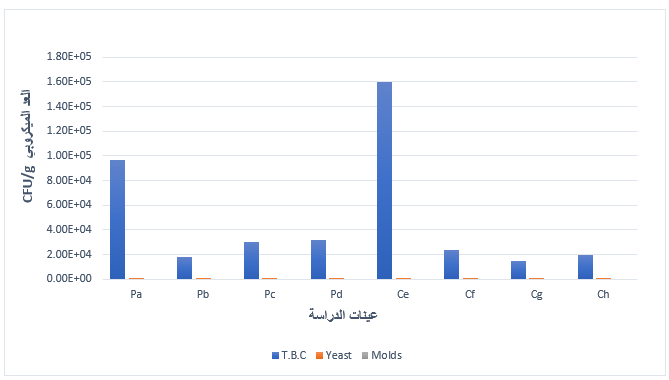
Extruded foods are widely available in the Yemeni market, necessitating an assessment of their quality and food safety. This study aimed to evaluate the quality and safety of selected locally produced extruded foods made from corn grits by determining certain additives and mineral contents and evaluating the physical, sensory, and microbiological characteristics of eight samples, including four samples of puffed corn and four samples of corn crisps. The results showed that all samples were free of preservatives specifically benzoic acid and sorbic acid and artificial sweeteners, namely aspartame, sodium saccharin, and acesulfame potassium. Magnesium concentrations ranged from 116 to 226 mg/kg, zinc from 0.1 to 16.8 mg/kg, manganese from 0.41 to 5.11 mg/kg, and nickel from 0.1 to 1.5 mg/kg, while iron was not detected in most samples, with the exception of three samples ranging from 44.7 to 0.7 mg/kg; copper and cadmium were not detected. Sensory evaluation scores ranged from 2.89 to 3.84 out of 5; sample Pd of puffed corn showed the highest scores for overall appearance, taste, and texture, whereas sample Ch of corn crisps recorded the highest mouthfeel score. Sample Pd also exhibited the lowest bulk density (0.07 g/cm³) and the highest expansion ratio (5.79), while sample Cg of corn crisps recorded the highest product increase percentage (98.33%). Microbiologically, all samples were free of molds, and yeast counts ranged from 1×10² to 1×10³ CFU/g, within permissible limits. However, the total bacterial count in sample Ce of corn crisps reached approximately 1.6×10⁵ CFU/g, exceeding the permissible limit. Overall, most samples showed acceptable quality and microbiological safety, although variations were observed in their mineral, physical, and sensory characteristics. These findings emphasize the importance of periodic monitoring and adherence to good manufacturing practices to ensure product quality and safety.
Asma’a Qaid Al-Ghwil, Jalal Ahmad Fadl, Abdulmajeed Bajash Abdullah (2026). Quality Evaluation of Locally Produced Puffs and Crisps Made from Corn Grits Using Extrusion Technology. Sana'a University Journal of Applied Sciences and Technology, 2635-2652. DOI: https://doi.org/10.59628/jast.v4i10.3597
Asma’a Qaid Al-Ghwil, Jalal Ahmad Fadl, Abdulmajeed Bajash Abdullah . “Quality Evaluation of Locally Produced Puffs and Crisps Made from Corn Grits Using Extrusion Technology.” Sana'a University Journal of Applied Sciences and Technology, 2026, pp. 2635-2652. https://doi.org/10.59628/jast.v4i10.3597. Accessed 30 Oct. 2026.
Asma’a Qaid Al-Ghwil, Jalal Ahmad Fadl, Abdulmajeed Bajash Abdullah . 2026. “Quality Evaluation of Locally Produced Puffs and Crisps Made from Corn Grits Using Extrusion Technology.” Sana'a University Journal of Applied Sciences and Technology : 2635-2652. DOI: https://doi.org/10.59628/jast.v4i10.3597
Asma’a Qaid Al-Ghwil, Jalal Ahmad Fadl, Abdulmajeed Bajash Abdullah (2026) ‘Quality Evaluation of Locally Produced Puffs and Crisps Made from Corn Grits Using Extrusion Technology’, Sana'a University Journal of Applied Sciences and Technology, pp. 2635-2652. doi: 10.59628/jast.v4i10.3597
@article{jast2026_art3597,
    author  = {Asma’a Qaid Al-Ghwil, Jalal Ahmad Fadl, Abdulmajeed Bajash Abdullah },
    title   = {Quality Evaluation of Locally Produced Puffs and Crisps Made from Corn Grits Using Extrusion Technology},
    journal = {Sana'a University Journal of Applied Sciences and Technology},    year    = {2026},    month   = {October},    pages   = {2635-2652},    doi     = {10.59628/jast.v4i10.3597},
    url     = {https://doi.org/10.59628/jast.v4i10.3597},}
Quality Evaluation of Locally Produced Puffs and Crisps Made from Corn Grits Using Extrusion Technology

This study elucidates the role of salicylic acid (SA) in modulating salinity stress responses in parsley through a controlled RCBD experiment at Taiz University. Plants exposed to incremental NaCl concentrations (0–200 mM) either alone or in combination with three SA concentrations (0, 0.1, and 0.5 mM) exhibited dose-dependent growth inhibition. With 200 mM NaCl, reduced shoot length by 42% and dry matter by 35%, while concurrently suppressing protein content (28%) and catalase activity (40%) but elevating proline accumulation (69%). SA application (0.1 mM) significantly alleviated moderate stress (100 mM NaCl), restoring physiological parameters and enhancing antioxidant defenses, notably increasing catalase activity by 30–35% and reducing proline by 25–30%. Intriguingly, SA’s efficacy was temporally constrained, with optimal protection at 15 days that diminished under prolonged exposure. Biochemical profiling revealed a stress-threshold response: ascorbate peroxidase activity remained stable at ≤ 150 mM NaCl but increased 20–25% at 50–100 mM NaCl with 0.5 mM SA. Critically, high SA (0.5 mM) synergized with extreme salinity (200 mM NaCl) to induce complete mortality, demonstrating a concentration-dependent phytotoxic shift. These findings establish 0.1 mM SA and 100 mM NaCl as critical thresholds for stress mitigation.
Isam Al-madhagi, Emtiyaaz AL-Maqtary , Khalid AL-Mureish (2025). Salicylic Acid Alleviates Moderate Salinity-Induced Stress in Petroselinum crispum (Mill.), within Reduced Effectiveness under Prolonged High Salinity Conditions. Sana'a University Journal of Applied Sciences and Technology, 800-818. DOI: https://doi.org/10.59628/jast.v3i3.1651
Isam Al-madhagi, Emtiyaaz AL-Maqtary , Khalid AL-Mureish . “Salicylic Acid Alleviates Moderate Salinity-Induced Stress in Petroselinum crispum (Mill.), within Reduced Effectiveness under Prolonged High Salinity Conditions.” Sana'a University Journal of Applied Sciences and Technology, 2025, pp. 800-818. https://doi.org/10.59628/jast.v3i3.1651. Accessed 30 Oct. 2026.
Isam Al-madhagi, Emtiyaaz AL-Maqtary , Khalid AL-Mureish . 2025. “Salicylic Acid Alleviates Moderate Salinity-Induced Stress in Petroselinum crispum (Mill.), within Reduced Effectiveness under Prolonged High Salinity Conditions.” Sana'a University Journal of Applied Sciences and Technology : 800-818. DOI: https://doi.org/10.59628/jast.v3i3.1651
Isam Al-madhagi, Emtiyaaz AL-Maqtary , Khalid AL-Mureish (2025) ‘Salicylic Acid Alleviates Moderate Salinity-Induced Stress in Petroselinum crispum (Mill.), within Reduced Effectiveness under Prolonged High Salinity Conditions’, Sana'a University Journal of Applied Sciences and Technology, pp. 800-818. doi: 10.59628/jast.v3i3.1651
@article{jast2025_art1651,
    author  = {Isam Al-madhagi, Emtiyaaz AL-Maqtary , Khalid AL-Mureish  },
    title   = {Salicylic Acid Alleviates Moderate Salinity-Induced Stress in Petroselinum crispum (Mill.), within Reduced Effectiveness under Prolonged High Salinity Conditions},
    journal = {Sana'a University Journal of Applied Sciences and Technology},    year    = {2025},    month   = {June},    pages   = {800-818},    doi     = {10.59628/jast.v3i3.1651},
    url     = {https://doi.org/10.59628/jast.v3i3.1651},}
Salicylic Acid Alleviates Moderate Salinity-Induced Stress in Petroselinum crispum (Mill.), within Reduced Effectiveness under Prolonged High Salinity Conditions

This study evaluated soil and plant contamination by heavy metals (Fe, Cu, Zn, Mn) in the Sana’a Basin,
Yemen, resulting from irrigation with well water located near three pollution sources: (A) the municipal
landfill in Al-Azraqain, (B) sewage effluents in Bani Al-Harith, and (C) stormwater runoff in Al-Rawdah.
Four wells were sampled per site, and a pot experiment using radish (Raphanus sativus L.) was conducted
during the spring season (February–April) to assess enrichment, transfer, and bioaccumulation factors.
Results revealed that Fe and Mn were most concentrated in wells near the landfill (A), likely due to
ferrous and metallic waste, while Cu was highest in Bani Al-Harith (B), possibly linked to coppercontaining materials and pipelines. Zn levels peaked in Al-Rawdah (C), attributed to stormwater transport
across agricultural soils treated with Zn-containing fertilizers and pesticides. Although none of the
detected concentrations exceeded permissible irrigation water limits, soil contents of Fe and Mn increased
substantially after cultivation (279% and 245% of initial values, respectively), whereas Cu and Zn rose by
32% and 59%.
Enrichment factor (EF) analysis indicated Cu accumulation in soils irrigated with water from all wells.
Pollution sources significantly influenced Mn concentrations in both shoots and roots, Fe in roots only,
and Zn variably between shoots and roots depending on the site. Radish exhibited effective Zn
accumulation in both shoots and roots under irrigation with water from site B, but only in roots under site
A, suggesting its potential as a bioindicator for Zn-contaminated soils.
Translocation factor (TF) results showed that radish efficiently absorbed and translocated Cu from roots to
shoots at site A, but not at sites B or C. Bioaccumulation factor (BAF) values in radish roots followed the
order Zn (1.18) > Cu (0.14) > Mn (0.13) > Fe (0.04). The findings highlight a potential human health risk
associated with heavy metal accumulation in edible plants and their entry into the food chain.
Ali Mohammad Abdulrahman Al-Mosawa , Salim Ali Abdo Al-Jaradi (2025). The Effect of Irrigation with Well Water from the Sana'a Basin, Near Various Pollution Sources, on Some Heavy metals in Soil and Radish Plants. Sana'a University Journal of Applied Sciences and Technology, 1108-1136. DOI: https://doi.org/10.59628/jast.v3i5.2065
Ali Mohammad Abdulrahman Al-Mosawa , Salim Ali Abdo Al-Jaradi . “The Effect of Irrigation with Well Water from the Sana'a Basin, Near Various Pollution Sources, on Some Heavy metals in Soil and Radish Plants.” Sana'a University Journal of Applied Sciences and Technology, 2025, pp. 1108-1136. https://doi.org/10.59628/jast.v3i5.2065. Accessed 30 Oct. 2026.
Ali Mohammad Abdulrahman Al-Mosawa , Salim Ali Abdo Al-Jaradi . 2025. “The Effect of Irrigation with Well Water from the Sana'a Basin, Near Various Pollution Sources, on Some Heavy metals in Soil and Radish Plants.” Sana'a University Journal of Applied Sciences and Technology : 1108-1136. DOI: https://doi.org/10.59628/jast.v3i5.2065
Ali Mohammad Abdulrahman Al-Mosawa , Salim Ali Abdo Al-Jaradi (2025) ‘The Effect of Irrigation with Well Water from the Sana'a Basin, Near Various Pollution Sources, on Some Heavy metals in Soil and Radish Plants’, Sana'a University Journal of Applied Sciences and Technology, pp. 1108-1136. doi: 10.59628/jast.v3i5.2065
@article{jast2025_art2065,
    author  = {Ali Mohammad Abdulrahman Al-Mosawa , Salim Ali Abdo Al-Jaradi },
    title   = {The Effect of Irrigation with Well Water from the Sana'a Basin, Near Various Pollution Sources, on Some Heavy metals in Soil and Radish Plants},
    journal = {Sana'a University Journal of Applied Sciences and Technology},    year    = {2025},    month   = {October},    pages   = {1108-1136},    doi     = {10.59628/jast.v3i5.2065},
    url     = {https://doi.org/10.59628/jast.v3i5.2065},}
The Effect of Irrigation with Well Water from the Sana'a Basin, Near Various Pollution Sources, on Some Heavy metals in Soil and Radish Plants
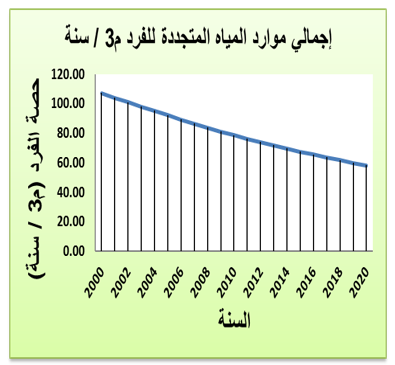
Water resources in Yemen constitute a critical determinant for achieving sustainable agricultural development; however, the country confronts substantial challenges stemming from severe deterioration in the economic efficiency of water utilization, resulting in aquifer depletion and widening resource-demand disparities. This research aims to analyze water resource conditions and their implications for sustainable agricultural development (2000–2023), employing descriptive-analytical methodology and econometric approaches based on official data. Findings confirm Yemen's classification among the world's most water-scarce nations, with per capita renewable water availability of 58 m³ annually—substantially below the absolute water scarcity threshold (500 m³)—demonstrating statistically significant annual decline of 3.01%. Analysis reveals structural imbalances in water resource management, in which the agricultural sector appropriates over 90% of resources, exerting immense pressure on groundwater reserves depleting beyond natural recharge rates while contributing merely 8% to GDP. Water use efficiency stands at USD 9.24/m³, below global averages, with water stress levels exceeding safe thresholds by 169.76%. Econometric analysis demonstrates a strong inverse correlation (r = -0.958) with statistical significance between water use efficiency and prevalence of undernourishment, whereby the model attributes 93.4% of undernourishment variance to agricultural water efficiency and per capita GDP. The crisis intensifies due to qat cultivation expansion (26.8% of irrigated lands in 2023), juxtaposed with limited modern irrigation technology adoption (14% only). The research recommends formulating and enforcing comprehensive water policies, implementing effective pricing mechanisms, expanding sustainable agriculture practices, and regulating water-intensive crop cultivation to ensure optimal water utilization, food security achievement, and sustainable agricultural development.
Hamid Abdullah Ali Alsamhari, Khaled Kassem Kaid Saleh (2026). The Efficiency of Water Resources use and its Impact in Achieving Sustainable Agricultural Development in Yemen During the Period (2000–2023). Sana'a University Journal of Applied Sciences and Technology, 1694-1723. DOI: https://doi.org/10.59628/jast.v4i2.2116
Hamid Abdullah Ali Alsamhari, Khaled Kassem Kaid Saleh . “The Efficiency of Water Resources use and its Impact in Achieving Sustainable Agricultural Development in Yemen During the Period (2000–2023).” Sana'a University Journal of Applied Sciences and Technology, 2026, pp. 1694-1723. https://doi.org/10.59628/jast.v4i2.2116. Accessed 30 Oct. 2026.
Hamid Abdullah Ali Alsamhari, Khaled Kassem Kaid Saleh . 2026. “The Efficiency of Water Resources use and its Impact in Achieving Sustainable Agricultural Development in Yemen During the Period (2000–2023).” Sana'a University Journal of Applied Sciences and Technology : 1694-1723. DOI: https://doi.org/10.59628/jast.v4i2.2116
Hamid Abdullah Ali Alsamhari, Khaled Kassem Kaid Saleh (2026) ‘The Efficiency of Water Resources use and its Impact in Achieving Sustainable Agricultural Development in Yemen During the Period (2000–2023)’, Sana'a University Journal of Applied Sciences and Technology, pp. 1694-1723. doi: 10.59628/jast.v4i2.2116
@article{jast2026_art2116,
    author  = {Hamid Abdullah Ali Alsamhari, Khaled Kassem Kaid Saleh },
    title   = {The Efficiency of Water Resources use and its Impact in Achieving Sustainable Agricultural Development in Yemen During the Period (2000–2023)},
    journal = {Sana'a University Journal of Applied Sciences and Technology},    year    = {2026},    month   = {February},    pages   = {1694-1723},    doi     = {10.59628/jast.v4i2.2116},
    url     = {https://doi.org/10.59628/jast.v4i2.2116},}
The Efficiency of Water Resources use and its Impact in Achieving Sustainable Agricultural Development in Yemen During the Period (2000–2023)
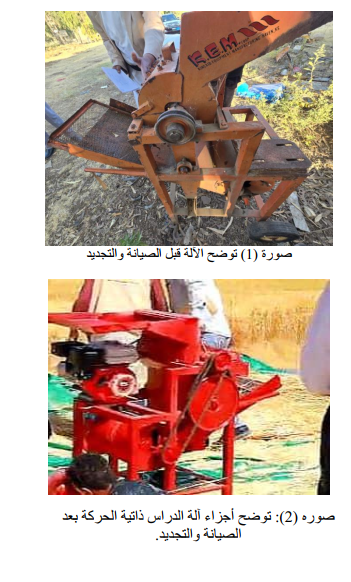
Threshing and winnowing are essential post-harvest operations in cereal production, particularly for smallholdings, where traditional manual methods demand extensive labor, time, and cost, while also increasing grain losses during transport. To address these limitations, a self propelled threshing and winnowing machine suitable for small-scale farms was developed. This study evaluated the effects of four drum rotational speeds (800, 1000, 1200, and 1400 rpm) and four feed rates (20, 25, 30, and 35 kg) on wheat productivity, operating time, threshing efficiency, energy consumption, operating cost, and cleaning efficiency. The results indicated that wheat productivity increased with higher drum speed and feed rate, reaching a maximum at 1400 rpm and 35 kg. Operating time decreased with increasing drum speed and increased with higher feed rates, with the shortest time (39.1 min) observed at 1400 rpm and 20 kg. Conversely, threshing efficiency decreased as drum speed increased but improved with higher feed rates, achieving a maximum value of 89.2% at 800 rpm and 35 kg. Total grain losses, energy consumption, and operating costs increased with both drum speed and feed rate, while cleaning efficiency declined. The lowest grain loss (5.38%), minimum energy consumption (41.4 kWh), lowest operating cost, and highest cleaning efficiency (92.2%) were recorded at 800 rpm and a feed rate of 20 kg. Overall, although higher speeds and feed rates enhance productivity, they adversely affect efficiency, losses, and costs. Therefore, optimal operating conditions depend on balancing productivity and performance, with the best overall performance achieved at 800 rpm and 20 kg feed rate.
Ahmed Sharaf , Abdullah Omer (2026). The impact of drum rotational speed and feeding rate on the performance of a wheat threshing machine Productivity Energy, and cost. Sana'a University Journal of Applied Sciences and Technology, 1831-1843. DOI: https://doi.org/10.59628/jast.v4i3.2204
Ahmed Sharaf , Abdullah Omer . “The impact of drum rotational speed and feeding rate on the performance of a wheat threshing machine Productivity Energy, and cost.” Sana'a University Journal of Applied Sciences and Technology, 2026, pp. 1831-1843. https://doi.org/10.59628/jast.v4i3.2204. Accessed 30 Oct. 2026.
Ahmed Sharaf , Abdullah Omer . 2026. “The impact of drum rotational speed and feeding rate on the performance of a wheat threshing machine Productivity Energy, and cost.” Sana'a University Journal of Applied Sciences and Technology : 1831-1843. DOI: https://doi.org/10.59628/jast.v4i3.2204
Ahmed Sharaf , Abdullah Omer (2026) ‘The impact of drum rotational speed and feeding rate on the performance of a wheat threshing machine Productivity Energy, and cost’, Sana'a University Journal of Applied Sciences and Technology, pp. 1831-1843. doi: 10.59628/jast.v4i3.2204
@article{jast2026_art2204,
    author  = {Ahmed Sharaf , Abdullah Omer },
    title   = {The impact of drum rotational speed and feeding rate on the performance of a wheat threshing machine Productivity Energy, and cost},
    journal = {Sana'a University Journal of Applied Sciences and Technology},    year    = {2026},    month   = {March},    pages   = {1831-1843},    doi     = {10.59628/jast.v4i3.2204},
    url     = {https://doi.org/10.59628/jast.v4i3.2204},}
The impact of drum rotational speed and feeding rate on the performance of a wheat threshing machine Productivity Energy, and cost
The study aimed mainly to identify reasons and difficulties behind low levels of modern hives adoption among Yemeni beekeepers. The research was implemented on a sample of one hundred beekeepers in three governorates at northern heights. Data has been collected by using a questionnaire through personal interview.
Results showed that main reasons behind low levels of modern hives adoption were as following: unavailability in local markets (47%), lack of knowledge to use it (44%), get open during transportation and travelling (31%), its heavy weight (22%), it needs more time to work with (16%) and uncertainty of its success (14%).
Results showed that users of modern hives did not exceed 12% among the research sample. Users of modern hives cleared that they are facing six problems: 1- Wax base addition (58.3%), 2- Queen replacement (50%), 3- Gets open during transportation and travelling (50%), 4- Weakness of bees (25%), 5- It needs more time to work with (25%) , 6- Its heavy weight (16.7%).
Generally, results reflect an excessive gap in extension and training programs in the beekeeping section, which needs a lot of work in the seeing future.
Keywords: Honeybees, difficulties, adoption, modern hives.
Taha Y. Al-Adimi, Ahmed A. Al-Samawi (2025). The Reasons of Avoiding Yemeni Beekeepers to use the Modern Hives . Sana'a University Journal of Applied Sciences and Technology, 679 - 689. DOI: https://doi.org/10.59628/jast.v3i1.1229
Taha Y. Al-Adimi, Ahmed A. Al-Samawi . “The Reasons of Avoiding Yemeni Beekeepers to use the Modern Hives .” Sana'a University Journal of Applied Sciences and Technology, 2025, pp. 679 - 689. https://doi.org/10.59628/jast.v3i1.1229. Accessed 30 Oct. 2026.
Taha Y. Al-Adimi, Ahmed A. Al-Samawi . 2025. “The Reasons of Avoiding Yemeni Beekeepers to use the Modern Hives .” Sana'a University Journal of Applied Sciences and Technology : 679 - 689. DOI: https://doi.org/10.59628/jast.v3i1.1229
Taha Y. Al-Adimi, Ahmed A. Al-Samawi (2025) ‘The Reasons of Avoiding Yemeni Beekeepers to use the Modern Hives ’, Sana'a University Journal of Applied Sciences and Technology, pp. 679 - 689. doi: 10.59628/jast.v3i1.1229
@article{jast2025_art1229,
    author  = {Taha Y. Al-Adimi, Ahmed A. Al-Samawi },
    title   = {The Reasons of Avoiding Yemeni Beekeepers to use the Modern Hives },
    journal = {Sana'a University Journal of Applied Sciences and Technology},    year    = {2025},    month   = {February},    pages   = {679 - 689},    doi     = {10.59628/jast.v3i1.1229},
    url     = {https://doi.org/10.59628/jast.v3i1.1229},}
The Reasons of Avoiding Yemeni Beekeepers to use the Modern Hives
Nothing has been published in this category yet.

Sana'a University Journal
of Applied Sciences and Technology
A peer-reviewed, open-access journal publishing high-quality research in applied sciences, engineering, and technology since 2023.
