
This study focused on one traditional herb used in Yemen, Caralluma deflersiana. The antioxidant activity of the extracts was examined using the bipyridine-ferric reducing antioxidant capacity assay, as well as the antibacterial activity against S. aureus, P. aeruginosa, E. coli, and C. albicans microbial strains using the agar diffusion method. The highest antioxidant activity was observed for the ethyl acetate extract. 370 µg ASA/mg ascorbic equivalent µg ASA/mg (p< 0.05). Acetone and chloroform extracts showed decreased activity and 340 and 305 ascorbic equivalents µg ASA/mg, respectively. The three extracts inhibited the growth of the three bacterial and one fungal species, with MIC values ranging from 55.0- 80.7 µg/ml. The selected extracts may be developed to explore new pharmacological possibilities for their application.
Bushra M. al-attab, Maher A. Almaqtari, Ahmed Yahya Mubarak (2024). Antioxidant and antimicrobial of three extracts of Caralluma deflersiana Laver. Sana'a University Journal of Applied Sciences and Technology, 154-157. DOI: https://doi.org/10.59628/jast.v2i2.862
Bushra M. al-attab, Maher A. Almaqtari, Ahmed Yahya Mubarak . “Antioxidant and antimicrobial of three extracts of Caralluma deflersiana Laver.” Sana'a University Journal of Applied Sciences and Technology, 2024, pp. 154-157. https://doi.org/10.59628/jast.v2i2.862. Accessed 31 Oct. 2026.
Bushra M. al-attab, Maher A. Almaqtari, Ahmed Yahya Mubarak . 2024. “Antioxidant and antimicrobial of three extracts of Caralluma deflersiana Laver.” Sana'a University Journal of Applied Sciences and Technology : 154-157. DOI: https://doi.org/10.59628/jast.v2i2.862
Bushra M. al-attab, Maher A. Almaqtari, Ahmed Yahya Mubarak (2024) ‘Antioxidant and antimicrobial of three extracts of Caralluma deflersiana Laver’, Sana'a University Journal of Applied Sciences and Technology, pp. 154-157. doi: 10.59628/jast.v2i2.862
@article{jast2024_art862,
    author  = {Bushra M. al-attab, Maher A. Almaqtari, Ahmed Yahya Mubarak },
    title   = {Antioxidant and antimicrobial of three extracts of Caralluma deflersiana Laver},
    journal = {Sana'a University Journal of Applied Sciences and Technology},    year    = {2024},    month   = {May},    pages   = {154-157},    doi     = {10.59628/jast.v2i2.862},
    url     = {https://doi.org/10.59628/jast.v2i2.862},}
Antioxidant and antimicrobial of three extracts of Caralluma deflersiana Laver

Boswellia sacra, belonging to the genus Boswellia (family: Burseraceae), is a natural source of fragrant resin known as frankincense (Luban), which has held significant economic, medicinal, and religious importance since ancient Yemeni civilization. Predominantly distributed in the South Arabian Peninsula, frankincense resin contains diverse chemical compounds, including terpenoids, essential oils, gum acids, sesquiterpenes, phenolic compounds, and aldehydes, each contributing to its medicinal, therapeutic, and aromatic properties. The aromatic oleo-gum-resin from B. sacra is renowned for its use in traditional medicine to treat gastric disorders, hepatic ailments, and more. Additionally, frankincense finds applications in the cosmetic, perfume, beverage, and food industries due to its rich bioactive compounds, particularly boswellic acids and their derivatives. Although several studies have explored the constituents and pharmacological activities of frankincense, comprehensive research consolidating the valuable information on B. sacra is scarce. This review highlights the phytochemistry, traditional uses, and pharmacological activities of B. sacra, with a focus on its description, distribution, biochemical composition, and biological activities within the Arabian Peninsula. The aim is to provide a holistic understanding of B. sacra’s potential therapeutic applications and pharmacological properties.
Qais Yusuf M. Abdullah, Bushra .M. Alattab, Amani A.M. Al-Gaadbi, Saad Al-Arnoot, Khaled Hussein, Amal A. Abu Al-rejal, Hassan M. Ibrahim, Maher A. Al.Maqtari, Athmar Riyadh (2025). Boswellia sacra in South Arabian Peninsula: A Review. Sana'a University Journal of Applied Sciences and Technology, 604-620. DOI: https://doi.org/10.59628/jast.v3i1.1475
Qais Yusuf M. Abdullah, Bushra .M. Alattab, Amani A.M. Al-Gaadbi, Saad Al-Arnoot, Khaled Hussein, Amal A. Abu Al-rejal, Hassan M. Ibrahim, Maher A. Al.Maqtari, Athmar Riyadh . “Boswellia sacra in South Arabian Peninsula: A Review.” Sana'a University Journal of Applied Sciences and Technology, 2025, pp. 604-620. https://doi.org/10.59628/jast.v3i1.1475. Accessed 31 Oct. 2026.
Qais Yusuf M. Abdullah, Bushra .M. Alattab, Amani A.M. Al-Gaadbi, Saad Al-Arnoot, Khaled Hussein, Amal A. Abu Al-rejal, Hassan M. Ibrahim, Maher A. Al.Maqtari, Athmar Riyadh . 2025. “Boswellia sacra in South Arabian Peninsula: A Review.” Sana'a University Journal of Applied Sciences and Technology : 604-620. DOI: https://doi.org/10.59628/jast.v3i1.1475
Qais Yusuf M. Abdullah, Bushra .M. Alattab, Amani A.M. Al-Gaadbi, Saad Al-Arnoot, Khaled Hussein, Amal A. Abu Al-rejal, Hassan M. Ibrahim, Maher A. Al.Maqtari, Athmar Riyadh (2025) ‘Boswellia sacra in South Arabian Peninsula: A Review’, Sana'a University Journal of Applied Sciences and Technology, pp. 604-620. doi: 10.59628/jast.v3i1.1475
@article{jast2025_art1475,
    author  = {Qais Yusuf M. Abdullah, Bushra .M. Alattab, Amani A.M. Al-Gaadbi, Saad Al-Arnoot, Khaled Hussein, Amal A. Abu Al-rejal, Hassan M. Ibrahim, Maher  A. Al.Maqtari, Athmar Riyadh },
    title   = {Boswellia sacra in South Arabian Peninsula: A Review},
    journal = {Sana'a University Journal of Applied Sciences and Technology},    year    = {2025},    month   = {February},    pages   = {604-620},    doi     = {10.59628/jast.v3i1.1475},
    url     = {https://doi.org/10.59628/jast.v3i1.1475},}
Boswellia sacra in South Arabian Peninsula: A Review

Myrrh, derived from Commiphora myrrha (C. myrrha) has been valued since biblical times for its use in incense, perfumes, and traditional medicines. Scientific investigations of its chemical composition began more than a century ago. This review compiles recent findings on the historical significance, geographical distribution, traditional medicinal uses, phytochemical constituents, biological activities, pharmaceutical effects, toxicity, and extraction techniques of C. myrrha. Particular focus is given to the components of the volatile oil, resin, and gum. Information was sourced from digital databases (PubMed, Google Scholar, Web of Science) and ethnopharmacological literature published between 2000 and December 2024. Traditionally, C. myrrha has been used to treat ulcers, pain, digestive and bone disorders, wounds, arthritis, and circulatory problems, particularly in Ayurvedic and Chinese medicines. Pharmacological studies have confirmed its antioxidant, anti-inflammatory, cytotoxic, antimicrobial, hepatoprotective, antiviral, and antiulcer properties, with emerging interest in its potential role in the treatment of Coronavirus Disease 2019. In addition, it is widely used in cosmetics and aromatherapy. Analytical studies have identified essential oils, terpenoids, and steroids, with the resin being particularly rich in bioactive compounds. Future research on the stem, bark, and leaves may uncover additional therapeutic agents.
Sadeq H. Azzam, Qais Y.M. Abdullah, Ebrahim A. Al-Mamary, Khaled M. Naji (2025). Comprehensive Review of Yemeni Commiphora myrrha: Phytochemicals, Extraction Methods, Therapeutic Properties, and Medicinal Applications. Sana'a University Journal of Applied Sciences and Technology, 1008-1032. DOI: https://doi.org/10.59628/jast.v3i4.1787
Sadeq H. Azzam, Qais Y.M. Abdullah, Ebrahim A. Al-Mamary, Khaled M. Naji . “Comprehensive Review of Yemeni Commiphora myrrha: Phytochemicals, Extraction Methods, Therapeutic Properties, and Medicinal Applications.” Sana'a University Journal of Applied Sciences and Technology, 2025, pp. 1008-1032. https://doi.org/10.59628/jast.v3i4.1787. Accessed 31 Oct. 2026.
Sadeq H. Azzam, Qais Y.M. Abdullah, Ebrahim A. Al-Mamary, Khaled M. Naji . 2025. “Comprehensive Review of Yemeni Commiphora myrrha: Phytochemicals, Extraction Methods, Therapeutic Properties, and Medicinal Applications.” Sana'a University Journal of Applied Sciences and Technology : 1008-1032. DOI: https://doi.org/10.59628/jast.v3i4.1787
Sadeq H. Azzam, Qais Y.M. Abdullah, Ebrahim A. Al-Mamary, Khaled M. Naji (2025) ‘Comprehensive Review of Yemeni Commiphora myrrha: Phytochemicals, Extraction Methods, Therapeutic Properties, and Medicinal Applications’, Sana'a University Journal of Applied Sciences and Technology, pp. 1008-1032. doi: 10.59628/jast.v3i4.1787
@article{jast2025_art1787,
    author  = {Sadeq H.  Azzam, Qais Y.M.  Abdullah, Ebrahim A. Al-Mamary, Khaled M. Naji },
    title   = {Comprehensive Review of Yemeni Commiphora myrrha: Phytochemicals, Extraction Methods, Therapeutic Properties, and Medicinal Applications},
    journal = {Sana'a University Journal of Applied Sciences and Technology},    year    = {2025},    month   = {August},    pages   = {1008-1032},    doi     = {10.59628/jast.v3i4.1787},
    url     = {https://doi.org/10.59628/jast.v3i4.1787},}
Comprehensive Review of Yemeni Commiphora myrrha: Phytochemicals, Extraction Methods, Therapeutic Properties, and Medicinal Applications
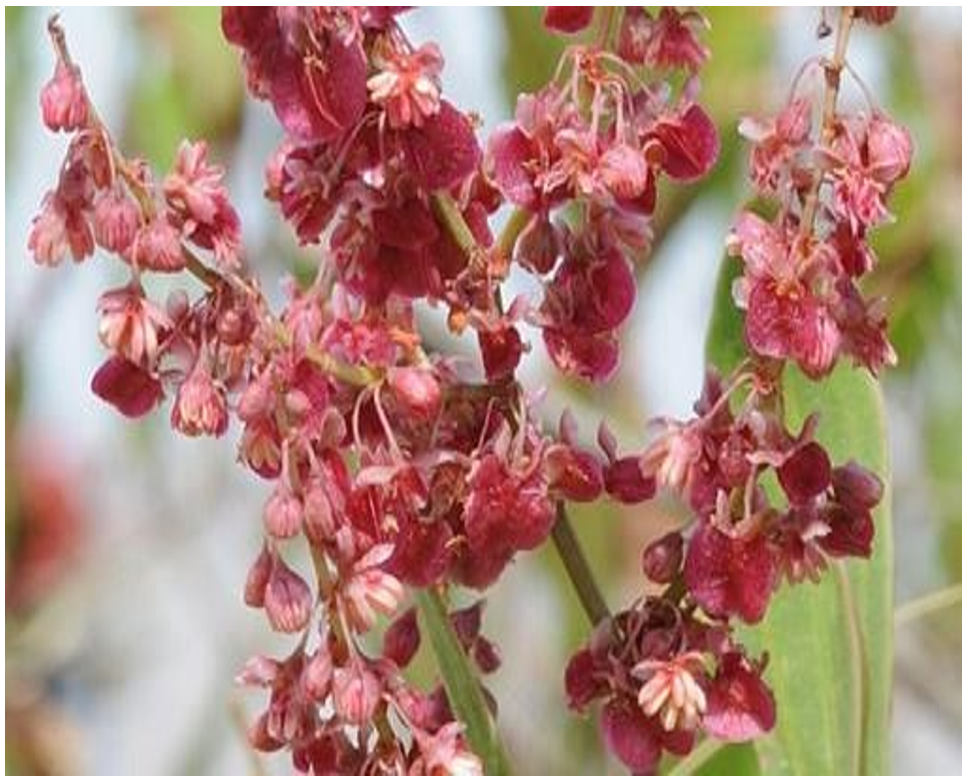
Green nanobiotechnology represents a sustainable and cost-effective platform for synthesizing metallic nanoparticles using biologically driven mechanisms. In this study, silver nanoparticles (AgNPs) were biosynthesized for the first time using methanolic and ethanolic extracts of Rumex nervosus flowers and fruits. Phytochemical profiling confirmed the presence of phenolics, flavonoids, tannins, and related secondary metabolites in R.nervosus flower and fruit extracts, which served as intrinsic reducing and stabilizing agents for AgNP synthesis. The formation of Silver Nanoparticles was indicated by a distinct color transition and further verified by ultraviolet–Visible Spectroscopy, which revealed characteristic surface plasmon resonance. Fourier transform infrared spectroscopy demonstrated notable shifts in the O–H, C=O, C–O, and C–N vibrational bands in the extracts, confirming their involvement in metal ion reduction and capping. X-ray diffraction analysis revealed a face-centered cubic crystalline structure with an average crystallite diameter ranging from 20.7–23.9 nm. Antioxidant evaluation via the 2, 2-diphenyl-1-picrylhydrazyl assay showed that AgNPs exhibited superior radical-scavenging capacity compared to crude extracts, with methanolic AgNPs demonstrating the highest activity (91.69%). Antimicro- bial testing revealed that ethanolic AgNPs displayed significant inhibitory activity against gram-negative bacteria, whereas methanolic AgNPs showed negligible effects owing to enhanced nanoparticle stabilization and reduced Ag + availability. These results highlight that R. nervosus is an effective biomediator for AgNP formation with promising antioxidant and antibacterial applications.
Reham Aref, Hassan.M. Ibrahim, Maher Ali Almaqtari, Esam M. Aqlan (2026). Green Synthesis, Characterization, and Biological Evaluation of Silver Nanoparticles Using Rumex nervosus Flower and Fruit Extracts. Sana'a University Journal of Applied Sciences and Technology, 2088-2102. DOI: https://doi.org/10.59628/jast.v4i5.2764
Reham Aref, Hassan.M. Ibrahim, Maher Ali Almaqtari, Esam M. Aqlan . “Green Synthesis, Characterization, and Biological Evaluation of Silver Nanoparticles Using Rumex nervosus Flower and Fruit Extracts.” Sana'a University Journal of Applied Sciences and Technology, 2026, pp. 2088-2102. https://doi.org/10.59628/jast.v4i5.2764. Accessed 31 Oct. 2026.
Reham Aref, Hassan.M. Ibrahim, Maher Ali Almaqtari, Esam M. Aqlan . 2026. “Green Synthesis, Characterization, and Biological Evaluation of Silver Nanoparticles Using Rumex nervosus Flower and Fruit Extracts.” Sana'a University Journal of Applied Sciences and Technology : 2088-2102. DOI: https://doi.org/10.59628/jast.v4i5.2764
Reham Aref, Hassan.M. Ibrahim, Maher Ali Almaqtari, Esam M. Aqlan (2026) ‘Green Synthesis, Characterization, and Biological Evaluation of Silver Nanoparticles Using Rumex nervosus Flower and Fruit Extracts’, Sana'a University Journal of Applied Sciences and Technology, pp. 2088-2102. doi: 10.59628/jast.v4i5.2764
@article{jast2026_art2764,
    author  = {Reham Aref, Hassan.M. Ibrahim, Maher Ali Almaqtari, Esam M. Aqlan },
    title   = {Green Synthesis, Characterization, and Biological Evaluation of Silver Nanoparticles Using Rumex nervosus Flower and Fruit Extracts},
    journal = {Sana'a University Journal of Applied Sciences and Technology},    year    = {2026},    month   = {May},    pages   = {2088-2102},    doi     = {10.59628/jast.v4i5.2764},
    url     = {https://doi.org/10.59628/jast.v4i5.2764},}
Green Synthesis, Characterization, and Biological Evaluation of Silver Nanoparticles Using Rumex nervosus Flower and Fruit Extracts

Vachellia flava, synonym Acacia ehrenbergiana, known as “Salam” in Arabic, is a wild flowering tall tree belong to Fabaceae family. In Yemen, it thrives in specific ecological niches and traditionally utilized for charcoal and Qataran production, firewood and apiculture, yielding high-quality honey. This study aimed to conduct the first qualitative analysis of the phytochemical constituents of different solvent extracts of the leaves, bark, and pods of Yemeni V.flava, alongside the aqueous solution of its produced honey. The plant parts were subjected to serial exhaustive extraction using petroleum ether, acetone, and methanol using Soxhlet extraction. The obtained extracts were subjected to the test of several phytochemical classes following the standard procedures. Phytochemical screening revealed distinct profiles across extracts. The petroleum ether leaves extract contained exclusively phytosterols, triterpenes, and terpenoids, whereas methanol and acetone extracts shared alkaloids, glycosides, flavonoids, phenolics, carbohydrates, proteins, and fatty acids with methanol uniquely containing saponins and acetone exhibiting amino acids and phytosterols. Bark petroleum ether extract showed glycosides, phytosterols, triterpenes, and terpenoids, while methanol and acetone extracts both contained alkaloids, anthraquinones, glycosides, flavonoids, phenolics, proteins, amino acids, and fatty acids; methanol included saponins, and acetone had additional carbohydrates and phytosterols. Pods petroleum ether extract contained alkaloids and phytosterols, while methanol and acetone extracts featured glycosides, carbohydrates, flavonoids, phenolics, proteins, amino acids, and phytosterols while methanol extract alone contained anthraquinones. Analysis of aqueous honey solution detected only alkaloids, carbohydrates, phenols, flavonoids, and proteins. Notably, petroleum ether extracts of bark and pods contained glycosides and alkaloids, respectively, suggesting the presence of nonpolar forms of these metabolites in Yemeni V. flava. The findings demonstrate that both V. flava and its honey harbor a diverse array of bioactive phytochemicals with potential applications in medicinal and industrial sectors.
Najat Ahmed Al-Odaini, Abeer Omar Obeid, Maysoon Abdulrahman Al Zubairy, Kholood Harrash Shaya (2025). Qualitative Phytochemical Analysis of Yemeni Vachellia flava Fabaceae and Its Honey. Sana'a University Journal of Applied Sciences and Technology, 1137-1144. DOI: https://doi.org/10.59628/jast.v3i5.1798
Najat Ahmed Al-Odaini, Abeer Omar Obeid, Maysoon Abdulrahman Al Zubairy, Kholood Harrash Shaya . “Qualitative Phytochemical Analysis of Yemeni Vachellia flava Fabaceae and Its Honey.” Sana'a University Journal of Applied Sciences and Technology, 2025, pp. 1137-1144. https://doi.org/10.59628/jast.v3i5.1798. Accessed 31 Oct. 2026.
Najat Ahmed Al-Odaini, Abeer Omar Obeid, Maysoon Abdulrahman Al Zubairy, Kholood Harrash Shaya . 2025. “Qualitative Phytochemical Analysis of Yemeni Vachellia flava Fabaceae and Its Honey.” Sana'a University Journal of Applied Sciences and Technology : 1137-1144. DOI: https://doi.org/10.59628/jast.v3i5.1798
Najat Ahmed Al-Odaini, Abeer Omar Obeid, Maysoon Abdulrahman Al Zubairy, Kholood Harrash Shaya (2025) ‘Qualitative Phytochemical Analysis of Yemeni Vachellia flava Fabaceae and Its Honey’, Sana'a University Journal of Applied Sciences and Technology, pp. 1137-1144. doi: 10.59628/jast.v3i5.1798
@article{jast2025_art1798,
    author  = {Najat Ahmed Al-Odaini, Abeer Omar Obeid, Maysoon Abdulrahman Al Zubairy, Kholood Harrash Shaya },
    title   = {Qualitative Phytochemical Analysis of Yemeni Vachellia flava Fabaceae and Its Honey},
    journal = {Sana'a University Journal of Applied Sciences and Technology},    year    = {2025},    month   = {October},    pages   = {1137-1144},    doi     = {10.59628/jast.v3i5.1798},
    url     = {https://doi.org/10.59628/jast.v3i5.1798},}
Qualitative Phytochemical Analysis of Yemeni Vachellia flava Fabaceae and Its Honey

We report a highly efficient method for synthesizing carbamatoalkyl naphthols via one-pot, three-component condensation involving 2-naphthol, aldehydes, and butyl carbamates. This reaction, facilitated by cerium ammonium nitrate, can be performed under solvent-free conditions at 80°C and generally occurs within a short time frame. The resulting compounds were thoroughly characterized by FT-IR, 1H NMR, 13C NMR, and mass spectrometry. Additionally, the antimicrobial properties and biocompatibility of the newly synthesized compounds were evaluated using laboratory tests. The findings indicated that these compounds exhibited significant biological activity compared to standard antibiotics, and their hemocompatibility was confirmed.
Sadeq H Saleh Azzam, Sami Q.S. Abdullah, Maher A Al Maqtari, Mona Saad Al-Ezzi (2025). Solvent-Free One-Pot Synthesis of Butyl N-[(2-Hydroxy-1-naphthyl)(aryl)methyl]carbamate Derivatives and Their Biological Evaluation. Sana'a University Journal of Applied Sciences and Technology, 1043-1055. DOI: https://doi.org/10.59628/jast.v3i5.1954
Sadeq H Saleh Azzam, Sami Q.S. Abdullah, Maher A Al Maqtari, Mona Saad Al-Ezzi . “Solvent-Free One-Pot Synthesis of Butyl N-[(2-Hydroxy-1-naphthyl)(aryl)methyl]carbamate Derivatives and Their Biological Evaluation.” Sana'a University Journal of Applied Sciences and Technology, 2025, pp. 1043-1055. https://doi.org/10.59628/jast.v3i5.1954. Accessed 31 Oct. 2026.
Sadeq H Saleh Azzam, Sami Q.S. Abdullah, Maher A Al Maqtari, Mona Saad Al-Ezzi . 2025. “Solvent-Free One-Pot Synthesis of Butyl N-[(2-Hydroxy-1-naphthyl)(aryl)methyl]carbamate Derivatives and Their Biological Evaluation.” Sana'a University Journal of Applied Sciences and Technology : 1043-1055. DOI: https://doi.org/10.59628/jast.v3i5.1954
Sadeq H Saleh Azzam, Sami Q.S. Abdullah, Maher A Al Maqtari, Mona Saad Al-Ezzi (2025) ‘Solvent-Free One-Pot Synthesis of Butyl N-[(2-Hydroxy-1-naphthyl)(aryl)methyl]carbamate Derivatives and Their Biological Evaluation’, Sana'a University Journal of Applied Sciences and Technology, pp. 1043-1055. doi: 10.59628/jast.v3i5.1954
@article{jast2025_art1954,
    author  = {Sadeq H Saleh Azzam, Sami Q.S.  Abdullah, Maher A Al Maqtari, Mona Saad Al-Ezzi },
    title   = {Solvent-Free One-Pot Synthesis of Butyl N-[(2-Hydroxy-1-naphthyl)(aryl)methyl]carbamate Derivatives and Their Biological Evaluation},
    journal = {Sana'a University Journal of Applied Sciences and Technology},    year    = {2025},    month   = {October},    pages   = {1043-1055},    doi     = {10.59628/jast.v3i5.1954},
    url     = {https://doi.org/10.59628/jast.v3i5.1954},}
Solvent-Free One-Pot Synthesis of Butyl N-[(2-Hydroxy-1-naphthyl)(aryl)methyl]carbamate Derivatives and Their Biological Evaluation
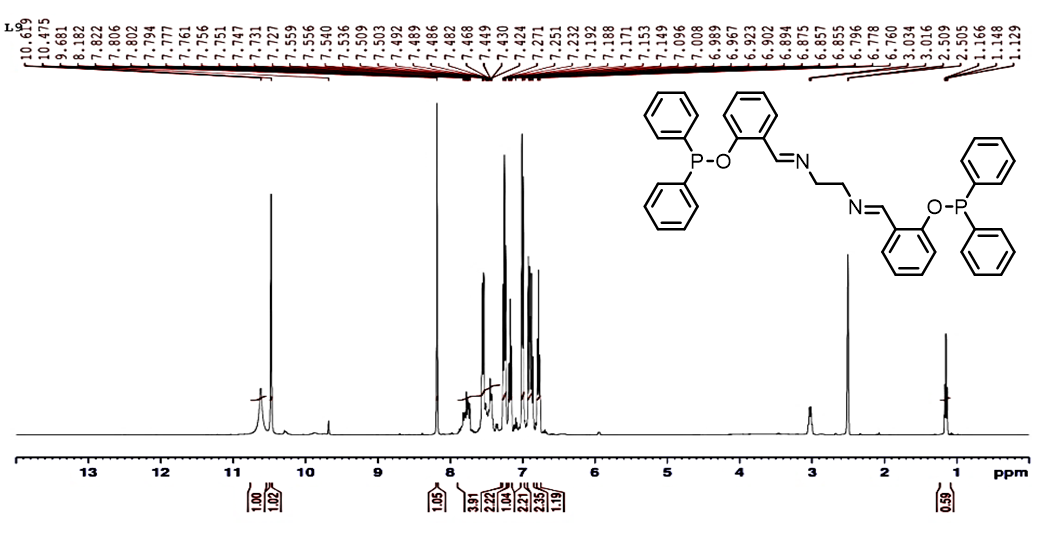
In this study, three novel organophosphorus Schiff base derivatives (OPC1–OPC3) were successfully synthesized by condensing chlorodiphenylphosphine with different Schiff bases derived from various aldehydes and hydrazine derivatives. The structural elucidation of the synthesized compounds was achieved using comprehensive spectroscopic analyses, including FTIR, UV-Vis, and both 1H and 13C NMR spectroscopy. Elemental analysis and physical property measurements further confirmed the proposed molecular structures. Spectroscopic data revealed characteristic azomethine (C=N), phosphorus–carbon (P–C), and phosphorus oxygen (P–O–C) stretching bands, confirming the successful formation of the organophosphorus Schiff base framework. The synthesized compounds were tested for antibacterial activity against Escherichia coli, Pseudomonas aeruginosa, and Staphylococcus aureus using the agar well diffusion method. The results demonstrated that all compounds exhibited moderate to significant antibacterial activity, with OPC2 and OPC3 showing notable inhibition zones compared to OPC1. These findings suggest that the incorporation of organophosphorus moieties into Schiff base ligands enhances their biological potency and provides a promising route for developing new bioactive organophosphorus materials.
Dheya A. Hameed, Fathi M. Al-Azab, Yasmin M.S. Jamil, Nedhal A.A. Al-Selwi, (2026). Synthesis, Spectroscopic Characterization, and Antibacterial Evaluation of Novel Organophosphorus Schiff Base Derivatives Derived from Chlorodiphenylphosphine. Sana'a University Journal of Applied Sciences and Technology, 1871-1880. DOI: https://doi.org/10.59628/jast.v4i3.2636
Dheya A. Hameed, Fathi M. Al-Azab, Yasmin M.S. Jamil, Nedhal A.A. Al-Selwi, . “Synthesis, Spectroscopic Characterization, and Antibacterial Evaluation of Novel Organophosphorus Schiff Base Derivatives Derived from Chlorodiphenylphosphine.” Sana'a University Journal of Applied Sciences and Technology, 2026, pp. 1871-1880. https://doi.org/10.59628/jast.v4i3.2636. Accessed 31 Oct. 2026.
Dheya A. Hameed, Fathi M. Al-Azab, Yasmin M.S. Jamil, Nedhal A.A. Al-Selwi, . 2026. “Synthesis, Spectroscopic Characterization, and Antibacterial Evaluation of Novel Organophosphorus Schiff Base Derivatives Derived from Chlorodiphenylphosphine.” Sana'a University Journal of Applied Sciences and Technology : 1871-1880. DOI: https://doi.org/10.59628/jast.v4i3.2636
Dheya A. Hameed, Fathi M. Al-Azab, Yasmin M.S. Jamil, Nedhal A.A. Al-Selwi, (2026) ‘Synthesis, Spectroscopic Characterization, and Antibacterial Evaluation of Novel Organophosphorus Schiff Base Derivatives Derived from Chlorodiphenylphosphine’, Sana'a University Journal of Applied Sciences and Technology, pp. 1871-1880. doi: 10.59628/jast.v4i3.2636
@article{jast2026_art2636,
    author  = {Dheya A. Hameed, Fathi M. Al-Azab, Yasmin M.S. Jamil, Nedhal A.A. Al-Selwi,   },
    title   = {Synthesis, Spectroscopic Characterization, and Antibacterial Evaluation of Novel Organophosphorus Schiff Base Derivatives Derived from Chlorodiphenylphosphine},
    journal = {Sana'a University Journal of Applied Sciences and Technology},    year    = {2026},    month   = {March},    pages   = {1871-1880},    doi     = {10.59628/jast.v4i3.2636},
    url     = {https://doi.org/10.59628/jast.v4i3.2636},}
Synthesis, Spectroscopic Characterization, and Antibacterial Evaluation of Novel Organophosphorus Schiff Base Derivatives Derived from Chlorodiphenylphosphine
Nothing has been published in this category yet.

Sana'a University Journal
of Applied Sciences and Technology
A peer-reviewed, open-access journal publishing high-quality research in applied sciences, engineering, and technology since 2023.
