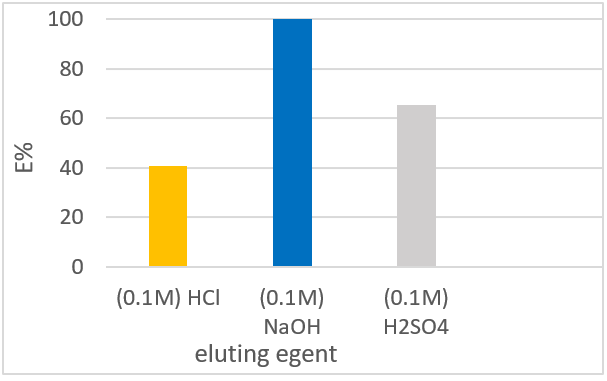
This study aimed to modify pumice using aluminum chloride as an adsorbent for defluoridation. Batch and column experiments were carried out to evaluate the effects of pH, initial fluoride concentration, contact time, dose, and temperatur. The modified pumice adsorbent showed good fluoride removal in both batch and column studies. Fluoride up-take was observed to be effective >7%, at pH 6.5-7.5, and adsorption equilibrium time was observed at 60 min. the adsorption results were modelled using kinetic and isotherm models. Experimental data indicated that fluoride adsorption follows the second pseudo-order kinetics model (R2 > 0.99) and fits well with both the Freundlich and Langmuir isotherm models, which showed favorability for the adsorption of fluoride with a maximum capacity of 0.083 mg/g. The negative values of ∆Ho and ∆Go indicate that the adsorption process was feasible, exothermic, and spontaneous. The column performance showed the best fluoride uptake efficiency, with a breakthrough capacity of 0.48 mg/g. The %R was approximately %100 using0.1M NaOH. Fluoride levels in real wells water decreased dramatically (e.g. 4.1-0.88, 7.1-1.54, and 6.2-1.46 mg/L). The results revealed that modified pumice has the potential for fluoride removal from drinking water.
Mahfoudh M. AL-Hamadi, Anass A. Alnedhary, Hadi Ali Quria’a, Ghadeer M. al-mutawakel (2024). Adsorption Isotherm, Kinetic and Thermodynamic Studies for Removal of Fluoride Ions from Drinking Water Using Modified Natural Pumice. Sana'a University Journal of Applied Sciences and Technology, 403-412. DOI: https://doi.org/10.59628/jast.v2i5.1151
Mahfoudh M. AL-Hamadi, Anass A. Alnedhary, Hadi Ali Quria’a, Ghadeer M. al-mutawakel . “Adsorption Isotherm, Kinetic and Thermodynamic Studies for Removal of Fluoride Ions from Drinking Water Using Modified Natural Pumice.” Sana'a University Journal of Applied Sciences and Technology, 2024, pp. 403-412. https://doi.org/10.59628/jast.v2i5.1151. Accessed 30 Oct. 2026.
Mahfoudh M. AL-Hamadi, Anass A. Alnedhary, Hadi Ali Quria’a, Ghadeer M. al-mutawakel . 2024. “Adsorption Isotherm, Kinetic and Thermodynamic Studies for Removal of Fluoride Ions from Drinking Water Using Modified Natural Pumice.” Sana'a University Journal of Applied Sciences and Technology : 403-412. DOI: https://doi.org/10.59628/jast.v2i5.1151
Mahfoudh M. AL-Hamadi, Anass A. Alnedhary, Hadi Ali Quria’a, Ghadeer M. al-mutawakel (2024) ‘Adsorption Isotherm, Kinetic and Thermodynamic Studies for Removal of Fluoride Ions from Drinking Water Using Modified Natural Pumice’, Sana'a University Journal of Applied Sciences and Technology, pp. 403-412. doi: 10.59628/jast.v2i5.1151
@article{jast2024_art1151,
    author  = {Mahfoudh M. AL-Hamadi, Anass A.  Alnedhary, Hadi Ali Quria’a, Ghadeer M. al-mutawakel },
    title   = {Adsorption Isotherm, Kinetic and Thermodynamic Studies for Removal of Fluoride Ions from Drinking Water Using Modified Natural Pumice},
    journal = {Sana'a University Journal of Applied Sciences and Technology},    year    = {2024},    month   = {October},    pages   = {403-412},    doi     = {10.59628/jast.v2i5.1151},
    url     = {https://doi.org/10.59628/jast.v2i5.1151},}
Adsorption Isotherm, Kinetic and Thermodynamic Studies for Removal of Fluoride Ions from Drinking Water Using Modified Natural Pumice

This study introduces simple, rapid, accurate, precise, and environmentally friendly spectrophotometric approaches for the simultaneous determination of Metronidazole (MNZ) and Diloxanide Furoate (DLF) in laboratory-prepared mixtures and combined pharmaceutical formulations. The proposed method employs the Partial Least Squares (PLS) chemometric technique, which successfully eliminates the need for prior chemical separation steps. This approach aligns with Green Analytical Chemistry (GAC) principles, offering a significantly greener alternative by avoiding the consumption of hazardous organic solvents and reducing overall analysis time and waste generation compared to the established High-Performance Liquid Chromatography (HPLC) reference. Calibration models were developed over concentration ranges of 8-24 μg mL for MNZ and 3-12 μg/mL for DLF. Spectral data for 25 mixtures containing varying ratios of both drugs were recorded in the range of 240-320 nm. The PLS model demonstrated significant superiority and robustness in resolving the severe spectral overlap between the two analytes and effectively managing the complexity of the pharmaceutical matrix, a challenge that compromises conventional univariate methods. The developed methodology was fully validated according to ICH guidelines, exhibiting excellent linearity, precision, and accuracy. Mean percentage recoveries for MNZ and DLF in the pharmaceutical formulation were found to be highly satisfactory, indicating minimal matrix interference.
Moneer M. Al-Gadh, Anas Al-Nadhary , Mahfoudh M Al-Hamadi, Maher Ali. Almaqtari (2026). Chemometric-Assisted UV Spectrophotometric Determination of Metronidazole and Diloxanide Furoate in Binary Pharmaceutical Formulations. Sana'a University Journal of Applied Sciences and Technology, 1640-1655. DOI: https://doi.org/10.59628/jast.v4i2.2481
Moneer M. Al-Gadh, Anas Al-Nadhary , Mahfoudh M Al-Hamadi, Maher Ali. Almaqtari . “Chemometric-Assisted UV Spectrophotometric Determination of Metronidazole and Diloxanide Furoate in Binary Pharmaceutical Formulations.” Sana'a University Journal of Applied Sciences and Technology, 2026, pp. 1640-1655. https://doi.org/10.59628/jast.v4i2.2481. Accessed 30 Oct. 2026.
Moneer M. Al-Gadh, Anas Al-Nadhary , Mahfoudh M Al-Hamadi, Maher Ali. Almaqtari . 2026. “Chemometric-Assisted UV Spectrophotometric Determination of Metronidazole and Diloxanide Furoate in Binary Pharmaceutical Formulations.” Sana'a University Journal of Applied Sciences and Technology : 1640-1655. DOI: https://doi.org/10.59628/jast.v4i2.2481
Moneer M. Al-Gadh, Anas Al-Nadhary , Mahfoudh M Al-Hamadi, Maher Ali. Almaqtari (2026) ‘Chemometric-Assisted UV Spectrophotometric Determination of Metronidazole and Diloxanide Furoate in Binary Pharmaceutical Formulations’, Sana'a University Journal of Applied Sciences and Technology, pp. 1640-1655. doi: 10.59628/jast.v4i2.2481
@article{jast2026_art2481,
    author  = {Moneer M. Al-Gadh, Anas  Al-Nadhary , Mahfoudh M Al-Hamadi, Maher Ali.  Almaqtari },
    title   = {Chemometric-Assisted UV Spectrophotometric Determination of Metronidazole and Diloxanide Furoate in Binary Pharmaceutical Formulations},
    journal = {Sana'a University Journal of Applied Sciences and Technology},    year    = {2026},    month   = {February},    pages   = {1640-1655},    doi     = {10.59628/jast.v4i2.2481},
    url     = {https://doi.org/10.59628/jast.v4i2.2481},}
Chemometric-Assisted UV Spectrophotometric Determination of Metronidazole and Diloxanide Furoate in Binary Pharmaceutical Formulations

Currently, the number of consumers of tobacco products in the world is growing rapidly. In this regard, the number of tobacco companies and varieties is increasing. Many tobacco companies write a small amount of the ingredients found in a cigarette on the product package. This study aimed to determine the nicotine contents in different brands of cigarette smoke. The paper presents the results of the quantitative determination of nicotine in cigarette smoke samples through the practical application of a validated GC-FID method. The isolation of nicotine was performed by extraction with propanol. The GC-FID and method validation was performed through the parameters: linearity, precision, limits of detection (LOD), and quantification (LOQ). The correlation coefficient was 0.9998 over the nicotine standard range (5 to 500 ppm). The relative standard deviation (%RSD) ranged from 0.71 to 6.67 % and the obtained LOD and LOQ were 0.0926 and 0. 2777 ppm, respectively. For method validation, the correlation coefficient was 0.9987 over the spiked nicotine cigarette range (0.1 to 1.0 mg/cig.). The relative standard deviation (%RSD) ranged from 0.71 to 6.67% and the obtained LOD and LOQ were 0.1056 and 0.3166 ppm, respectively, which is much lower than the accepted value of 0.6 mg/cigarette according to the reference standards based on the results obtained from this work. The content of nicotine from 87 tobacco cigarettes samples was determined. For the local 19 of 21 and imported 45 of 66 tobacco samples exceeded the permitted limit, the variation limits of the nicotine content were more restricted (0.512-1.564 and 0.640-2.415 mg/cig.), respectively
Fatima Murshed, Naji A. Almasehali, Anass A. Alnedhary, Mohammed A. Algarady (2024). Determination of Nicotine Contents in Local and Imported Cigarettes Smoke in Yemeni Markets Using Gas Chromatography Flame Ionization Detector (GC-FID). Sana'a University Journal of Applied Sciences and Technology, 265-274. DOI: https://doi.org/10.59628/jast.v2i3.955
Fatima Murshed, Naji A. Almasehali, Anass A. Alnedhary, Mohammed A. Algarady . “Determination of Nicotine Contents in Local and Imported Cigarettes Smoke in Yemeni Markets Using Gas Chromatography Flame Ionization Detector (GC-FID).” Sana'a University Journal of Applied Sciences and Technology, 2024, pp. 265-274. https://doi.org/10.59628/jast.v2i3.955. Accessed 30 Oct. 2026.
Fatima Murshed, Naji A. Almasehali, Anass A. Alnedhary, Mohammed A. Algarady . 2024. “Determination of Nicotine Contents in Local and Imported Cigarettes Smoke in Yemeni Markets Using Gas Chromatography Flame Ionization Detector (GC-FID).” Sana'a University Journal of Applied Sciences and Technology : 265-274. DOI: https://doi.org/10.59628/jast.v2i3.955
Fatima Murshed, Naji A. Almasehali, Anass A. Alnedhary, Mohammed A. Algarady (2024) ‘Determination of Nicotine Contents in Local and Imported Cigarettes Smoke in Yemeni Markets Using Gas Chromatography Flame Ionization Detector (GC-FID)’, Sana'a University Journal of Applied Sciences and Technology, pp. 265-274. doi: 10.59628/jast.v2i3.955
@article{jast2024_art955,
    author  = {Fatima Murshed, Naji A.  Almasehali, Anass A.  Alnedhary, Mohammed A. Algarady },
    title   = {Determination of Nicotine Contents in Local and Imported Cigarettes Smoke in Yemeni Markets Using Gas Chromatography Flame Ionization Detector (GC-FID)},
    journal = {Sana'a University Journal of Applied Sciences and Technology},    year    = {2024},    month   = {June},    pages   = {265-274},    doi     = {10.59628/jast.v2i3.955},
    url     = {https://doi.org/10.59628/jast.v2i3.955},}
Determination of Nicotine Contents in Local and Imported Cigarettes Smoke in Yemeni Markets Using Gas Chromatography Flame Ionization Detector (GC-FID)

This study addresses persistent methodological inconsistencies in phytochemical assays by developing a harmonized, high-sensitivity framework for TAC, TPC, and TFC. Using the Ferric Bipyridyl Reducing Capacity (FBRC), Folin-Ciocalteu, and Aluminum Chloride methods, critical parameters—including maximum wavelength (λmax), temperature, kinetics, pH, and stoichiometry—were systematically re-evaluated and optimized. The novelty of this work lies in the transition from empirical "snapshot" measurements to kinetically optimized and AOAC-validated protocols that ensure inter-laboratory reproducibility. Optimized conditions for TAC were established at 520 nm, pH 4, and 30 minutes at 50°C. TPC was optimized at 750 nm (20 min at 50°C), while TFC achieved stability at 430 nm after 10 minutes at ambient temperature. Unlike conventional methods that often suffer from baseline drift, these refined protocols achieved superior sensitivity. Comprehensive validation in accordance with AOAC guidelines confirmed high precision, with repeatability (%RSD) ranges of 0.82–5.68% (TAC), 0.85–6.22% (TPC), and 0.29–5.09% (TFC). Linearity was established over concentration ranges of 0.2–5 ppm for TAC (ascorbic acid equivalent), 1–10 ppm for TPC (gallic acid equivalent), and 2–20 ppm for TFC (quercetin equivalent). All methods demonstrated excellent linearity (R2 = 0.9978) and significantly lower limits of detection (LODs: 0.027, 0.164, and 0.065 ppm) than those reported in the literature. These protocols offer a rapid, cost-effective, standardized alternative to expensive chromatography. By resolving the kinetic and chemical variables that typically cause discrepancies in research, this study provides a validated "gold-standard" approach that ensures the global comparability of phytochemical data across diverse plant matrices.
Anass A. Alnedhary, Fatima A. Murshed, Maher A. Almaqtari, Amal A. S. AL Huzaim, Fadhailah A. Al-herdy Al-herdy (2026). Determination Standardization and Validation of Optimized Spectrophotometric Assays for Total Antioxidant, Polyphenol, and Flavonoid Determination: A Kinetic and Methodological Framework. Sana'a University Journal of Applied Sciences and Technology, 2166-2177. DOI: https://doi.org/10.59628/jast.v4i6.2774
Anass A. Alnedhary, Fatima A. Murshed, Maher A. Almaqtari, Amal A. S. AL Huzaim, Fadhailah A. Al-herdy Al-herdy . “Determination Standardization and Validation of Optimized Spectrophotometric Assays for Total Antioxidant, Polyphenol, and Flavonoid Determination: A Kinetic and Methodological Framework.” Sana'a University Journal of Applied Sciences and Technology, 2026, pp. 2166-2177. https://doi.org/10.59628/jast.v4i6.2774. Accessed 30 Oct. 2026.
Anass A. Alnedhary, Fatima A. Murshed, Maher A. Almaqtari, Amal A. S. AL Huzaim, Fadhailah A. Al-herdy Al-herdy . 2026. “Determination Standardization and Validation of Optimized Spectrophotometric Assays for Total Antioxidant, Polyphenol, and Flavonoid Determination: A Kinetic and Methodological Framework.” Sana'a University Journal of Applied Sciences and Technology : 2166-2177. DOI: https://doi.org/10.59628/jast.v4i6.2774
Anass A. Alnedhary, Fatima A. Murshed, Maher A. Almaqtari, Amal A. S. AL Huzaim, Fadhailah A. Al-herdy Al-herdy (2026) ‘Determination Standardization and Validation of Optimized Spectrophotometric Assays for Total Antioxidant, Polyphenol, and Flavonoid Determination: A Kinetic and Methodological Framework’, Sana'a University Journal of Applied Sciences and Technology, pp. 2166-2177. doi: 10.59628/jast.v4i6.2774
@article{jast2026_art2774,
    author  = {Anass A. Alnedhary, Fatima A. Murshed, Maher A. Almaqtari, Amal A. S. AL Huzaim, Fadhailah A. Al-herdy Al-herdy },
    title   = {Determination Standardization and Validation of Optimized Spectrophotometric Assays for Total Antioxidant, Polyphenol, and Flavonoid Determination: A Kinetic and Methodological Framework},
    journal = {Sana'a University Journal of Applied Sciences and Technology},    year    = {2026},    month   = {June},    pages   = {2166-2177},    doi     = {10.59628/jast.v4i6.2774},
    url     = {https://doi.org/10.59628/jast.v4i6.2774},}
Determination Standardization and Validation of Optimized Spectrophotometric Assays for Total Antioxidant, Polyphenol, and Flavonoid Determination: A Kinetic and Methodological Framework
The drug's stability, which is a prerequisite for good drug quality, cannot be simply established unless a reliable and trustworthy method for demonstrating stability is applied. Creating such a method is a challenging task. In this work, we developed and validated a reversed-phase stability indicating liquid chromatographic technique with photo diode-array detection to analyze paracetamol (PCM), methylparaben (MP), propylparaben (PP), and their degradants in commercial oral suspension. The compounds and their degradants were separated using a Phenomenex C8 column (250 mm x 4.6 mm, 5 µm) and a mobile phase of pH 4 consisting acetonitrile, potassium di-hydrogen ortho-phosphate, tri-ethylamine, and glacial acetic acid in a 40:58:1.5:0.5 ratio, at 1.2 mL/min. All chemicals separated in within 12 min. The developed method followed the guidelines of the International Conference on Harmonization (ICH) and fulfilled all its requirements in terms of linearity, recovery, reproducibility, detection, and quantitation limits. The dependability of the developed method was shown by recoveries of 98.88% to 101.80% in 102 samples from 34 batches, indicating that it can be used in quality control step for paracetamol, methylparaben, and propylparaben in oral suspension products.
Mahfoudh Al-Hamadi, Abdualqawi A. Numan, Amjd Hadi Alshmmakh, Anass Alnedhari, Ali Al-Kaf (2023). Develop and Validate a Stability-Indicating HPLC Assay Method for Paracetamol, and parabens in Pharmaceutical Dosages. Sana'a University Journal of Applied Sciences and Technology. DOI: https://doi.org/10.59628/jast.v1i4.539
Mahfoudh Al-Hamadi, Abdualqawi A. Numan, Amjd Hadi Alshmmakh, Anass Alnedhari, Ali Al-Kaf . “Develop and Validate a Stability-Indicating HPLC Assay Method for Paracetamol, and parabens in Pharmaceutical Dosages.” Sana'a University Journal of Applied Sciences and Technology, 2023, https://doi.org/10.59628/jast.v1i4.539. Accessed 30 Oct. 2026.
Mahfoudh Al-Hamadi, Abdualqawi A. Numan, Amjd Hadi Alshmmakh, Anass Alnedhari, Ali Al-Kaf . 2023. “Develop and Validate a Stability-Indicating HPLC Assay Method for Paracetamol, and parabens in Pharmaceutical Dosages.” Sana'a University Journal of Applied Sciences and Technology DOI: https://doi.org/10.59628/jast.v1i4.539
Mahfoudh Al-Hamadi, Abdualqawi A. Numan, Amjd Hadi Alshmmakh, Anass Alnedhari, Ali Al-Kaf (2023) ‘Develop and Validate a Stability-Indicating HPLC Assay Method for Paracetamol, and parabens in Pharmaceutical Dosages’, Sana'a University Journal of Applied Sciences and Technology. doi: 10.59628/jast.v1i4.539
@article{jast2023_art539,
    author  = {Mahfoudh Al-Hamadi, Abdualqawi A. Numan, Amjd Hadi Alshmmakh, Anass Alnedhari, Ali Al-Kaf },
    title   = {Develop and Validate a Stability-Indicating HPLC Assay Method for Paracetamol, and parabens in Pharmaceutical Dosages},
    journal = {Sana'a University Journal of Applied Sciences and Technology},    year    = {2023},    month   = {December},    doi     = {10.59628/jast.v1i4.539},
    url     = {https://doi.org/10.59628/jast.v1i4.539},}
Develop and Validate a Stability-Indicating HPLC Assay Method for Paracetamol, and parabens in Pharmaceutical Dosages

Almonds are rich in phenolic compounds with health benefits, but their matrix complexity makes measuring an- tioxidants challenging, requiring a sufficient extraction technique and high method sensitivity. This study aimed to develop, optimize, and validate an extraction method to assay the total antioxidant activity (TAA), total polyphenol content (TPC), and total flavonoid content (TFC) of different parts of almonds, including whole, kernel, and skin almond samples. Conventional extraction methods were compared with ultrasound assisted extraction efficiency. This study was performed on 34 cultivated Yemeni samples and 12 samples of imported almonds. The results showed that the combined vortex/sonication extraction method with methanol: acetone: water at a ratio of 1:1:1v/v/v was the most efficient, yielding the highest quantity of TAA, TPC, and TFC contents from the almond samples. The extraction method had high linearity and good sensitivity with a limit of detection (LOD) values of 0.019, 0.024, and 0.099 ppm for ascorbic acid, gallic acid, and quercetin respectively. The Yemeni almond had a higher antioxidant content than the imported types, with TAA, TPC, and TFC values ranging from 2.54±0.01–8.20±0.01 mg AAE/g (Ascorbic Acid Equivalent per g of almond sample), 0.75±0.01-1.91±0.03 mg GAE/g (Gallic Acid Equivalent per g of almond sample), 0.03±0.002-0.24±0.020 mg QE/g (Quercetin Equivalent per g of almond sample) respectively.
Fatima Murshed, Anass A. Alnedhary, Mahfoudh M. AL-Hamadi, Dalia Al-kufl (2024). Development and Optimization of the Sample Preparation Method to Determine the Antioxidants in the Yemeni Almond. Sana'a University Journal of Applied Sciences and Technology, 254-264. DOI: https://doi.org/10.59628/jast.v2i3.934
Fatima Murshed, Anass A. Alnedhary, Mahfoudh M. AL-Hamadi, Dalia Al-kufl . “Development and Optimization of the Sample Preparation Method to Determine the Antioxidants in the Yemeni Almond.” Sana'a University Journal of Applied Sciences and Technology, 2024, pp. 254-264. https://doi.org/10.59628/jast.v2i3.934. Accessed 30 Oct. 2026.
Fatima Murshed, Anass A. Alnedhary, Mahfoudh M. AL-Hamadi, Dalia Al-kufl . 2024. “Development and Optimization of the Sample Preparation Method to Determine the Antioxidants in the Yemeni Almond.” Sana'a University Journal of Applied Sciences and Technology : 254-264. DOI: https://doi.org/10.59628/jast.v2i3.934
Fatima Murshed, Anass A. Alnedhary, Mahfoudh M. AL-Hamadi, Dalia Al-kufl (2024) ‘Development and Optimization of the Sample Preparation Method to Determine the Antioxidants in the Yemeni Almond’, Sana'a University Journal of Applied Sciences and Technology, pp. 254-264. doi: 10.59628/jast.v2i3.934
@article{jast2024_art934,
    author  = {Fatima Murshed, Anass A. Alnedhary, Mahfoudh M. AL-Hamadi, Dalia Al-kufl },
    title   = {Development and Optimization of the Sample Preparation Method to Determine the Antioxidants in the Yemeni Almond},
    journal = {Sana'a University Journal of Applied Sciences and Technology},    year    = {2024},    month   = {June},    pages   = {254-264},    doi     = {10.59628/jast.v2i3.934},
    url     = {https://doi.org/10.59628/jast.v2i3.934},}
Development and Optimization of the Sample Preparation Method to Determine the Antioxidants in the Yemeni Almond
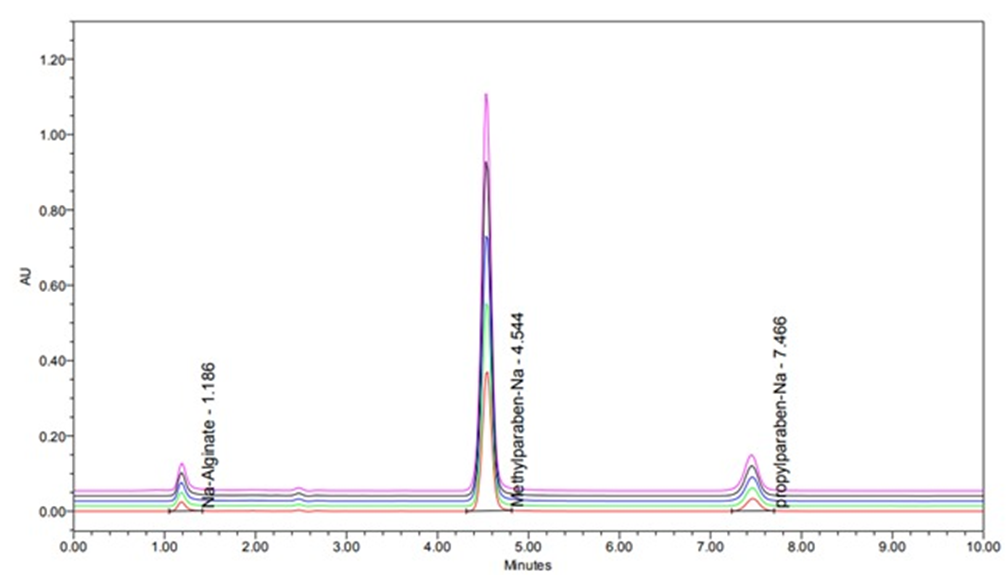
A stability-indicating high-performance liquid chromatographic (HPLC) method was developed and validated for simultaneous quantification of sodium alginate (Na Alg), sodium methylparaben (Na-MP), and sodium propylparaben (Na-PP) in oral suspension formulations. This method addresses the need for reliable quality control of complex pharmaceutical matrices. Separation was achieved on an Ultisil XB-CN(Cyanopropyl) column at 40 °C, using an isocratic mobile phase composed of 0.05 M potassium dihydrogen phosphate buffer (pH 5.2) and acetonitrile (80:20, v/v) at a flow rate of 1.5 mL/min, with detection at 210 nm. The method was validated in accordance with the ICH Q2(R1) and USP guidelines to assess linearity, accuracy, precision, specificity, and robustness. The technique demonstrated excellent linearity (R2 > 0.9998) over the concentration ranges of 10–1500, 1–150, and 0.16–24 μg/mL for Na-Alg, Na-MP, and Na-PP, respectively. The validation results showed high accuracy expressed as recovery (98.65–101.88%) across the tested concentration range of 50% to 150%, precision (%RSD < 1.9%), and sensitivity (LODs: 5.30, 0.038, and 0.062 μg/mL; LOQs: 17.65, 0.127, and 0.207 μg/mL) for Na-Alg, Na MP, and Na-PP, respectively. The degradation products were successfully resolved from the analytes, thereby confirming the specificity of the method. The developed HPLC method used to analyze 34 commercial alginate suspension samples was highly precise (%RSD < 1.5%) and accurate (94.66%–105.20% recovery). It reliably quantified Na-Alg and preservatives (Na-MP and Na-PP), with results consistently matching the label claims. This robust method is suitable for routine quality control and stability testing, and effectively combines regulatory compliance with practical pharmaceutical analysis.
Ahmed Y. M. Al-Saggier , Anass A. Alnedhary , Fatima A. Murshed (2026). Development and Validation of a Stability-Indicating HPLC Method for the Simultaneous Determination of Sodium Alginate and Parabens in Pharmaceutical Oral Suspensions. Sana'a University Journal of Applied Sciences and Technology, 1751-1765. DOI: https://doi.org/10.59628/jast.v4i2.2311
Ahmed Y. M. Al-Saggier , Anass A. Alnedhary , Fatima A. Murshed . “Development and Validation of a Stability-Indicating HPLC Method for the Simultaneous Determination of Sodium Alginate and Parabens in Pharmaceutical Oral Suspensions.” Sana'a University Journal of Applied Sciences and Technology, 2026, pp. 1751-1765. https://doi.org/10.59628/jast.v4i2.2311. Accessed 30 Oct. 2026.
Ahmed Y. M. Al-Saggier , Anass A. Alnedhary , Fatima A. Murshed . 2026. “Development and Validation of a Stability-Indicating HPLC Method for the Simultaneous Determination of Sodium Alginate and Parabens in Pharmaceutical Oral Suspensions.” Sana'a University Journal of Applied Sciences and Technology : 1751-1765. DOI: https://doi.org/10.59628/jast.v4i2.2311
Ahmed Y. M. Al-Saggier , Anass A. Alnedhary , Fatima A. Murshed (2026) ‘Development and Validation of a Stability-Indicating HPLC Method for the Simultaneous Determination of Sodium Alginate and Parabens in Pharmaceutical Oral Suspensions’, Sana'a University Journal of Applied Sciences and Technology, pp. 1751-1765. doi: 10.59628/jast.v4i2.2311
@article{jast2026_art2311,
    author  = {Ahmed Y. M. Al-Saggier , Anass A. Alnedhary , Fatima A. Murshed  },
    title   = {Development and Validation of a Stability-Indicating HPLC Method for the Simultaneous Determination of Sodium Alginate and Parabens in Pharmaceutical Oral Suspensions},
    journal = {Sana'a University Journal of Applied Sciences and Technology},    year    = {2026},    month   = {February},    pages   = {1751-1765},    doi     = {10.59628/jast.v4i2.2311},
    url     = {https://doi.org/10.59628/jast.v4i2.2311},}
Development and Validation of a Stability-Indicating HPLC Method for the Simultaneous Determination of Sodium Alginate and Parabens in Pharmaceutical Oral Suspensions
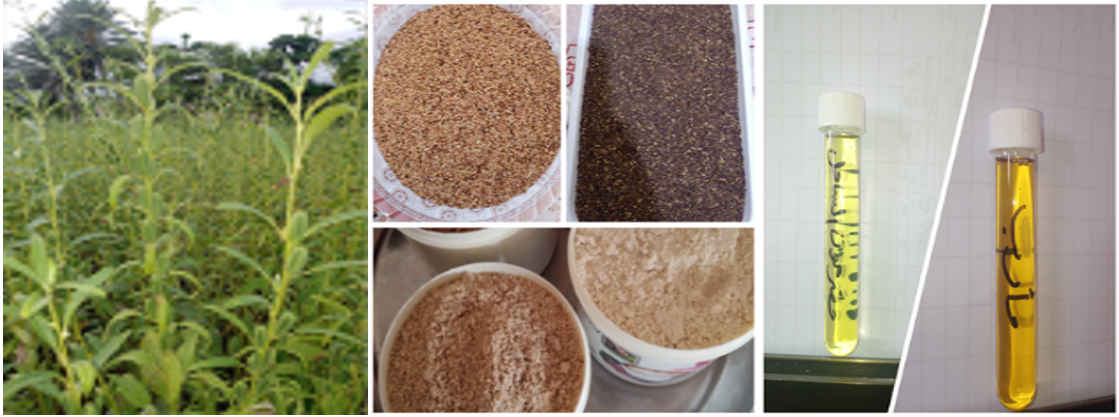
This study investigates the fatty acid profile and physicochemical properties of sesame seed oil extracted from two regions in Yemen, Marib and Hadhramaut. Oil was extracted using the Soxhlet method with n-hexane as the solvent. The physicochemical parameters analyzed included free fatty acid content (FFA%), acid value (A.V.), iodine value (I.V.), saponification value (S.V.), refractive index (R.I.), density, moisture content, specific gravity (S.g.), and viscosity at 26 °C. The oil yield was 47.5% and 48% for sesame seeds from Marib and Hadhramaut, respectively. The Marib oil exhibited FFA of 3.38 ± 0.01%, A.V of 7.41 ± 0.04 mg NaOH/g, I.V of 99.41 ± 0.10 g I2/100 g, S.g of 197.75 ± 0.50 mg KOH/g, R.I of 1.461 ± 0.01, moisture content of 0.140 ± 0.05%, density of 0.871 ± 0.02 g/mL, S.g of 0.9442 ± 0.03, and viscosity of 31.75 cP. Corresponding values for Hadhramaut oil were FFA 1.21 ± 0.03%, A.V 2.65 ± 0.02 mg NaOH/g, I.V 99.92 ± 0.03 g I2/100 g, S.V 195.93 ± 0.40 mg KOH/g, R.I of 1.477 ± 0.01, moisture content 0.015 ± 0.01%, density 0.863 ± 0.02 g/mL, S.g of 0.951 ± 0.03, and viscosity 29.72 cP. Fourier-transform infrared spectroscopy (FTIR) and gas chromatography with flame ionization detection (GC-FID) were employed to characterize the chemical composition and fatty acid profile of the oils. The findings provide valuable insights into the quality and composition of Yemeni sesame oils, highlighting regional variations that may influence their nutritional and industrial applications.
Mahfoudh M. AL-Hamadi , Anass A. Alnedhary, Mohammed Bashanaini, Murad Bahadi, Fatima A. Murshed, Ranya A. Alalie, Waheeb Bin Frejan (2025). Fatty Acid Profile and Physicochemical Properties of Yemeni Sesame Seed Oil: An Analytical Study. Sana'a University Journal of Applied Sciences and Technology, 1330-1338. DOI: https://doi.org/10.59628/jast.v3i6.1949
Mahfoudh M. AL-Hamadi , Anass A. Alnedhary, Mohammed Bashanaini, Murad Bahadi, Fatima A. Murshed, Ranya A. Alalie, Waheeb Bin Frejan . “Fatty Acid Profile and Physicochemical Properties of Yemeni Sesame Seed Oil: An Analytical Study.” Sana'a University Journal of Applied Sciences and Technology, 2025, pp. 1330-1338. https://doi.org/10.59628/jast.v3i6.1949. Accessed 30 Oct. 2026.
Mahfoudh M. AL-Hamadi , Anass A. Alnedhary, Mohammed Bashanaini, Murad Bahadi, Fatima A. Murshed, Ranya A. Alalie, Waheeb Bin Frejan . 2025. “Fatty Acid Profile and Physicochemical Properties of Yemeni Sesame Seed Oil: An Analytical Study.” Sana'a University Journal of Applied Sciences and Technology : 1330-1338. DOI: https://doi.org/10.59628/jast.v3i6.1949
Mahfoudh M. AL-Hamadi , Anass A. Alnedhary, Mohammed Bashanaini, Murad Bahadi, Fatima A. Murshed, Ranya A. Alalie, Waheeb Bin Frejan (2025) ‘Fatty Acid Profile and Physicochemical Properties of Yemeni Sesame Seed Oil: An Analytical Study’, Sana'a University Journal of Applied Sciences and Technology, pp. 1330-1338. doi: 10.59628/jast.v3i6.1949
@article{jast2025_art1949,
    author  = {Mahfoudh M. AL-Hamadi , Anass A. Alnedhary, Mohammed Bashanaini, Murad Bahadi, Fatima A. Murshed, Ranya A. Alalie, Waheeb Bin Frejan },
    title   = {Fatty Acid Profile and Physicochemical Properties of Yemeni Sesame Seed Oil: An Analytical Study},
    journal = {Sana'a University Journal of Applied Sciences and Technology},    year    = {2025},    month   = {December},    pages   = {1330-1338},    doi     = {10.59628/jast.v3i6.1949},
    url     = {https://doi.org/10.59628/jast.v3i6.1949},}
Fatty Acid Profile and Physicochemical Properties of Yemeni Sesame Seed Oil: An Analytical Study

The nutritional quality of mulberries, particularly their antioxidant content, is vital for human health. Yemen produces mulberries in moderate quantities. This study validated the methods used to measure total antioxidant content (TAC), total polyphenols content (TPC), total flavonoid content (TFC), and vitamin C (Vit. C) in mulberry fruit samples Spectrophotometrically. The results demonstrated high repeatability, with relative standard deviation (% RSD) values ranging from 0.90 to 2.53 % for TAC, 0.65 to 1.87% for TPC, 1.55 to 3.48 % for TFC, and 0.64 to 2.64 % for vit. C. Additionally, the methods showed good linearity correlation coefficients (R2) values of 0.9964, 0.9984, 0.9985, and 0.9987, high sensitivity, LOD values of 0.089, 0.188, 0.585, and 8.070 ppm, respectively; LOQ values of 0.296, 0.630, 2.854, and 26.900 ppm, respectively, and satisfactory accuracy (%R values of 89.66 to 102.78 % for TAC, 99.76 to 105.14% for TPC, 90.93 to 103.66% for TFC, and 92.80 to 98.21% for Vit. C). Analysis of Yemeni mulberry samples revealed TAC values ranging from 3792.00±0.018 to 6333.33±0.027 mg AAE/kg fw, TPC from 1431.50±0.025 to 3729.60±0.007 mg GAE/kg fw, TFC from 215.20±0.051 to 541.85±0.020 mg QE/kg fw, and Vit. C from 410.26±0.100 to 850.82±0.050 mg AAE/kg fw. This study confirms the methods’ validity of antioxidants, which showed high sensitivity, accuracy, good linearity, and repeatability while testing Yemeni mulberry samples. The extracts exhibited high antioxidant activity, with potential applications in the prevention and treatment of oxidative stress-related diseases.
fatima murshed, Anass A. Alnedhary, Maher A. Almaqtari, Amal A. S. AL Huzaim, Dalia Al-kufl, Amal A. Abu Al-rejal (2025). Method Validation and Assessment of Total Antioxidants, Polyphenols, Flavonoids, and Vitamin C in Cultivated Mulberry in Yemen. Sana'a University Journal of Applied Sciences and Technology, 730-739. DOI: https://doi.org/10.59628/jast.v3i2.1546
fatima murshed, Anass A. Alnedhary, Maher A. Almaqtari, Amal A. S. AL Huzaim, Dalia Al-kufl, Amal A. Abu Al-rejal . “Method Validation and Assessment of Total Antioxidants, Polyphenols, Flavonoids, and Vitamin C in Cultivated Mulberry in Yemen.” Sana'a University Journal of Applied Sciences and Technology, 2025, pp. 730-739. https://doi.org/10.59628/jast.v3i2.1546. Accessed 30 Oct. 2026.
fatima murshed, Anass A. Alnedhary, Maher A. Almaqtari, Amal A. S. AL Huzaim, Dalia Al-kufl, Amal A. Abu Al-rejal . 2025. “Method Validation and Assessment of Total Antioxidants, Polyphenols, Flavonoids, and Vitamin C in Cultivated Mulberry in Yemen.” Sana'a University Journal of Applied Sciences and Technology : 730-739. DOI: https://doi.org/10.59628/jast.v3i2.1546
fatima murshed, Anass A. Alnedhary, Maher A. Almaqtari, Amal A. S. AL Huzaim, Dalia Al-kufl, Amal A. Abu Al-rejal (2025) ‘Method Validation and Assessment of Total Antioxidants, Polyphenols, Flavonoids, and Vitamin C in Cultivated Mulberry in Yemen’, Sana'a University Journal of Applied Sciences and Technology, pp. 730-739. doi: 10.59628/jast.v3i2.1546
@article{jast2025_art1546,
    author  = {fatima murshed, Anass A. Alnedhary, Maher A. Almaqtari, Amal A. S. AL Huzaim, Dalia Al-kufl, Amal A. Abu Al-rejal },
    title   = {Method Validation and Assessment of Total Antioxidants, Polyphenols, Flavonoids, and Vitamin C in Cultivated Mulberry in Yemen},
    journal = {Sana'a University Journal of Applied Sciences and Technology},    year    = {2025},    month   = {April},    pages   = {730-739},    doi     = {10.59628/jast.v3i2.1546},
    url     = {https://doi.org/10.59628/jast.v3i2.1546},}
Method Validation and Assessment of Total Antioxidants, Polyphenols, Flavonoids, and Vitamin C in Cultivated Mulberry in Yemen

The quality of grapes is an important issue for nutritional value and content of antioxidants, which are essential for human health. Yemen is Famous for growing different types of grapes in large quantities. This study aims to validate the analysis methods of determination of total antioxidants (TAC), polyphenols (TPC), flavonoids (TFC), and vitamin C (Vit. C) contents, in terms of linearity, repeatability, accuracy, and limits of detection (LOD) and quantification (LOQ), for measuring TAC, TPC, TFC, and Vit. C in grape samples, with good linearity (R2) are 0.9968, 0.9967, 0.9971, and 0.9966, exhibited high repeatability(% RSD) are ranged (1.452 – 4.836%), (0.720 – 3.240%), (0.766 - 6.001%), and (0.539-2.976%), also high sensitivity (LOD = 0.279, 0.243, 0.288, and 76.376 ppm), LOQ = (0.928, 0.809, 0.961, and 245.588 ppm), and the high accuracy (%R) (80.80-95.00%), (91.44-104.35%), (92.37-101.87), and (88.89-104.65%), respectively. The analysis results of fourteen Yemeni grape samples indicated that the highest value of TAC for a Black grape sample was 6755.3 mg AAE/kg, while the lowest value for the Asmi grape sample was 1621.7 mg AAE/kg. For the TPC, the highest value was 4718.3 mg GAE/kg for the Black grape whereas the lowest content was 1382.3 mg GAE/kg for the Asmi grape. TFC ranged from 341.8 for the Black grape to 32.0 mg QE /kg for the Asmi grape—lastly, Vit. C ranged from 2418.1mg AAE/kg Black grape to 766.5 mg AAE/kg for Asmi grape. This study indicated that Yemeni grape varieties exhibit high TAC, TPC, TFC, and Vit. C contents, which can be used as a natural source of antioxidants.
fatima murshed, Anass A. Alnedhary , Maher A. Almaqtari, Fadhailah A. Al-herdy (2025). Method Validation and Determination of Total Antioxidants, Polyphenols, Flavonoids, and Vitamin C Contents in the Yemeni Grapes. Sana'a University Journal of Applied Sciences and Technology, 740-748. DOI: https://doi.org/10.59628/jast.v3i2.1499
fatima murshed, Anass A. Alnedhary , Maher A. Almaqtari, Fadhailah A. Al-herdy . “Method Validation and Determination of Total Antioxidants, Polyphenols, Flavonoids, and Vitamin C Contents in the Yemeni Grapes.” Sana'a University Journal of Applied Sciences and Technology, 2025, pp. 740-748. https://doi.org/10.59628/jast.v3i2.1499. Accessed 30 Oct. 2026.
fatima murshed, Anass A. Alnedhary , Maher A. Almaqtari, Fadhailah A. Al-herdy . 2025. “Method Validation and Determination of Total Antioxidants, Polyphenols, Flavonoids, and Vitamin C Contents in the Yemeni Grapes.” Sana'a University Journal of Applied Sciences and Technology : 740-748. DOI: https://doi.org/10.59628/jast.v3i2.1499
fatima murshed, Anass A. Alnedhary , Maher A. Almaqtari, Fadhailah A. Al-herdy (2025) ‘Method Validation and Determination of Total Antioxidants, Polyphenols, Flavonoids, and Vitamin C Contents in the Yemeni Grapes’, Sana'a University Journal of Applied Sciences and Technology, pp. 740-748. doi: 10.59628/jast.v3i2.1499
@article{jast2025_art1499,
    author  = {fatima murshed, Anass A. Alnedhary , Maher A. Almaqtari, Fadhailah A. Al-herdy },
    title   = {Method Validation and Determination of Total Antioxidants, Polyphenols, Flavonoids, and Vitamin C Contents in the Yemeni Grapes},
    journal = {Sana'a University Journal of Applied Sciences and Technology},    year    = {2025},    month   = {April},    pages   = {740-748},    doi     = {10.59628/jast.v3i2.1499},
    url     = {https://doi.org/10.59628/jast.v3i2.1499},}
Method Validation and Determination of Total Antioxidants, Polyphenols, Flavonoids, and Vitamin C Contents in the Yemeni Grapes
The matrix's complexity makes measuring acrylamide in food items challenging, requiring a time-consuming extraction technique and high method sensitivity. A homemade solid phase extraction (SPE) device and a gas chromatography/nitrogen phosphorus detector (GC/NPD) were used to establish a simple and inexpensive acrylamide detection method in fried fish. Optimization and validation were used to measure acrylamide concentrations in twelve fried fish samples, four of which were home-fried and eight from Sana'a, Yemen, restaurants. The validated technique has high linearity R2 (0.995) in the 0.02–4 ppm range of acrylamide standards and good sensitivity with LOD (0.0062 ppm), substantially below the authorized level. The twelve samples had acrylamide values of 0.0583–0.4643 ppm. Due to variations in thermal treatments during frying, market-fried fish samples had greater acrylamide concentrations than home-fried fish samples. In the current study, the improved simple extraction process and GC/NPD protocol were useful for acrylamide measurement and may be employed as a prescreening tool for food sector acrylamide quantification.
Mahfoudh M. AL-Hammadi, Abdualqawi A. Numan, Anass A. Alnedhary, Fatima A. Murshed, Taiseer H. Al-Hoded (2023). Optimization, Validation, and Application of a Quantitative GC/NPD Method for Acrylamide Determination in Yemeni Fried Fish Samples. Sana'a University Journal of Applied Sciences and Technology. DOI: https://doi.org/10.59628/jast.v1i4.698
Mahfoudh M. AL-Hammadi, Abdualqawi A. Numan, Anass A. Alnedhary, Fatima A. Murshed, Taiseer H. Al-Hoded . “Optimization, Validation, and Application of a Quantitative GC/NPD Method for Acrylamide Determination in Yemeni Fried Fish Samples.” Sana'a University Journal of Applied Sciences and Technology, 2023, https://doi.org/10.59628/jast.v1i4.698. Accessed 30 Oct. 2026.
Mahfoudh M. AL-Hammadi, Abdualqawi A. Numan, Anass A. Alnedhary, Fatima A. Murshed, Taiseer H. Al-Hoded . 2023. “Optimization, Validation, and Application of a Quantitative GC/NPD Method for Acrylamide Determination in Yemeni Fried Fish Samples.” Sana'a University Journal of Applied Sciences and Technology DOI: https://doi.org/10.59628/jast.v1i4.698
Mahfoudh M. AL-Hammadi, Abdualqawi A. Numan, Anass A. Alnedhary, Fatima A. Murshed, Taiseer H. Al-Hoded (2023) ‘Optimization, Validation, and Application of a Quantitative GC/NPD Method for Acrylamide Determination in Yemeni Fried Fish Samples’, Sana'a University Journal of Applied Sciences and Technology. doi: 10.59628/jast.v1i4.698
@article{jast2023_art698,
    author  = {Mahfoudh M. AL-Hammadi, Abdualqawi A. Numan, Anass A. Alnedhary, Fatima A. Murshed, Taiseer H.  Al-Hoded },
    title   = {Optimization, Validation, and Application of a Quantitative GC/NPD Method for Acrylamide Determination in Yemeni Fried Fish Samples},
    journal = {Sana'a University Journal of Applied Sciences and Technology},    year    = {2023},    month   = {December},    doi     = {10.59628/jast.v1i4.698},
    url     = {https://doi.org/10.59628/jast.v1i4.698},}
Optimization, Validation, and Application of a Quantitative GC/NPD Method for Acrylamide Determination in Yemeni Fried Fish Samples
The presence of Hg in canned tuna flesh is a major source of customer concern. Thus, the primary goal of this investigation was to evaluate total mercury levels in Yemeni canned tuna. Thirty-one samples of seven popular locally canned tuna brands were acquired from local stores in Sana'a. A Direct Mercury Analyzer was used to determine the mercury content. The linearity of the method was tested by assessing a series of mercury standards in triplicates at concentrations ranging from 20 to 500 ppb. The correlation coefficient for this method was 0.9993. The repeatability of the procedure was measured as intra-day variation and given as the relative standard deviation, which did not exceed 4.45%. This indicated the excellent precision of the method. Mercury recoveries from spiked actual canned tuna samples were between 96.61% and 100.49%, demonstrating excellent accuracy and an acceptable procedure for mercury measurement. The limits of detection and quantitation were 1.62 ppb and 5.4 ppb, respectively. The mercury content in 31 canned tuna samples was less than the 500 ppb standard imposed by the Yemeni Organization for Standards Metrology and Quality Control (YSMO).
Mahfoudh M. AL-Hammadi, Anass A. Alnedhary, Abdualqawi A. Numan, Fatima A. Murshed, Ranya A. Al-Alie (2023). Validation and Determination of Mercury in Yemeni Common Canned Tuna Using Direct Mercury Analyzer. Sana'a University Journal of Applied Sciences and Technology. DOI: https://doi.org/10.59628/jast.v1i4.664
Mahfoudh M. AL-Hammadi, Anass A. Alnedhary, Abdualqawi A. Numan, Fatima A. Murshed, Ranya A. Al-Alie . “Validation and Determination of Mercury in Yemeni Common Canned Tuna Using Direct Mercury Analyzer.” Sana'a University Journal of Applied Sciences and Technology, 2023, https://doi.org/10.59628/jast.v1i4.664. Accessed 30 Oct. 2026.
Mahfoudh M. AL-Hammadi, Anass A. Alnedhary, Abdualqawi A. Numan, Fatima A. Murshed, Ranya A. Al-Alie . 2023. “Validation and Determination of Mercury in Yemeni Common Canned Tuna Using Direct Mercury Analyzer.” Sana'a University Journal of Applied Sciences and Technology DOI: https://doi.org/10.59628/jast.v1i4.664
Mahfoudh M. AL-Hammadi, Anass A. Alnedhary, Abdualqawi A. Numan, Fatima A. Murshed, Ranya A. Al-Alie (2023) ‘Validation and Determination of Mercury in Yemeni Common Canned Tuna Using Direct Mercury Analyzer’, Sana'a University Journal of Applied Sciences and Technology. doi: 10.59628/jast.v1i4.664
@article{jast2023_art664,
    author  = {Mahfoudh M. AL-Hammadi, Anass A. Alnedhary, Abdualqawi A. Numan, Fatima A. Murshed, Ranya A. Al-Alie  },
    title   = {Validation and Determination of Mercury in Yemeni Common Canned Tuna Using Direct Mercury Analyzer},
    journal = {Sana'a University Journal of Applied Sciences and Technology},    year    = {2023},    month   = {December},    doi     = {10.59628/jast.v1i4.664},
    url     = {https://doi.org/10.59628/jast.v1i4.664},}
Validation and Determination of Mercury in Yemeni Common Canned Tuna Using Direct Mercury Analyzer
Nothing has been published in this category yet.

Sana'a University Journal
of Applied Sciences and Technology
A peer-reviewed, open-access journal publishing high-quality research in applied sciences, engineering, and technology since 2023.
