Sana'a University Journal of Applied Sciences and Technology
The third volume - the sixth issue in the Sana'a University Journal of Applied Sciences and Technology
Article
How to Cite This Article
Soltana Mohamed Abdulrahman Enabah, Mahassen Munibari, Amin Al-Hakimi (2025). Evaluation of Genetic Variation in Yemeni Coffee Landraces (Coffea arabica L.) for some Morpho-physiological Traits Related to Drought Resistance. Sana'a University Journal of Applied Sciences and Technology, 1241-1258. DOI: https://doi.org/10.59628/jast.v3i6.2147
Soltana Mohamed Abdulrahman Enabah, Mahassen Munibari, Amin Al-Hakimi . “Evaluation of Genetic Variation in Yemeni Coffee Landraces (Coffea arabica L.) for some Morpho-physiological Traits Related to Drought Resistance.” Sana'a University Journal of Applied Sciences and Technology, 2025, pp. 1241-1258. https://doi.org/10.59628/jast.v3i6.2147. Accessed 6 Sep. 2026.
Soltana Mohamed Abdulrahman Enabah, Mahassen Munibari, Amin Al-Hakimi . 2025. “Evaluation of Genetic Variation in Yemeni Coffee Landraces (Coffea arabica L.) for some Morpho-physiological Traits Related to Drought Resistance.” Sana'a University Journal of Applied Sciences and Technology : 1241-1258. DOI: https://doi.org/10.59628/jast.v3i6.2147
Soltana Mohamed Abdulrahman Enabah, Mahassen Munibari, Amin Al-Hakimi (2025) ‘Evaluation of Genetic Variation in Yemeni Coffee Landraces (Coffea arabica L.) for some Morpho-physiological Traits Related to Drought Resistance’, Sana'a University Journal of Applied Sciences and Technology, pp. 1241-1258. doi: 10.59628/jast.v3i6.2147
@article{jast2025_art2147,
author = {Soltana Mohamed Abdulrahman Enabah, Mahassen Munibari, Amin Al-Hakimi },
title = {Evaluation of Genetic Variation in Yemeni Coffee Landraces (Coffea arabica L.) for some Morpho-physiological Traits Related to Drought Resistance},
journal = {Sana'a University Journal of Applied Sciences and Technology}, year = {2025}, month = {December}, pages = {1241-1258}, doi = {10.59628/jast.v3i6.2147},
url = {https://doi.org/10.59628/jast.v3i6.2147},}
Prevalence of Infectious Markers among Blood Donors in Sana’a, Yemen: A Cross-Sectional Study
Abstract
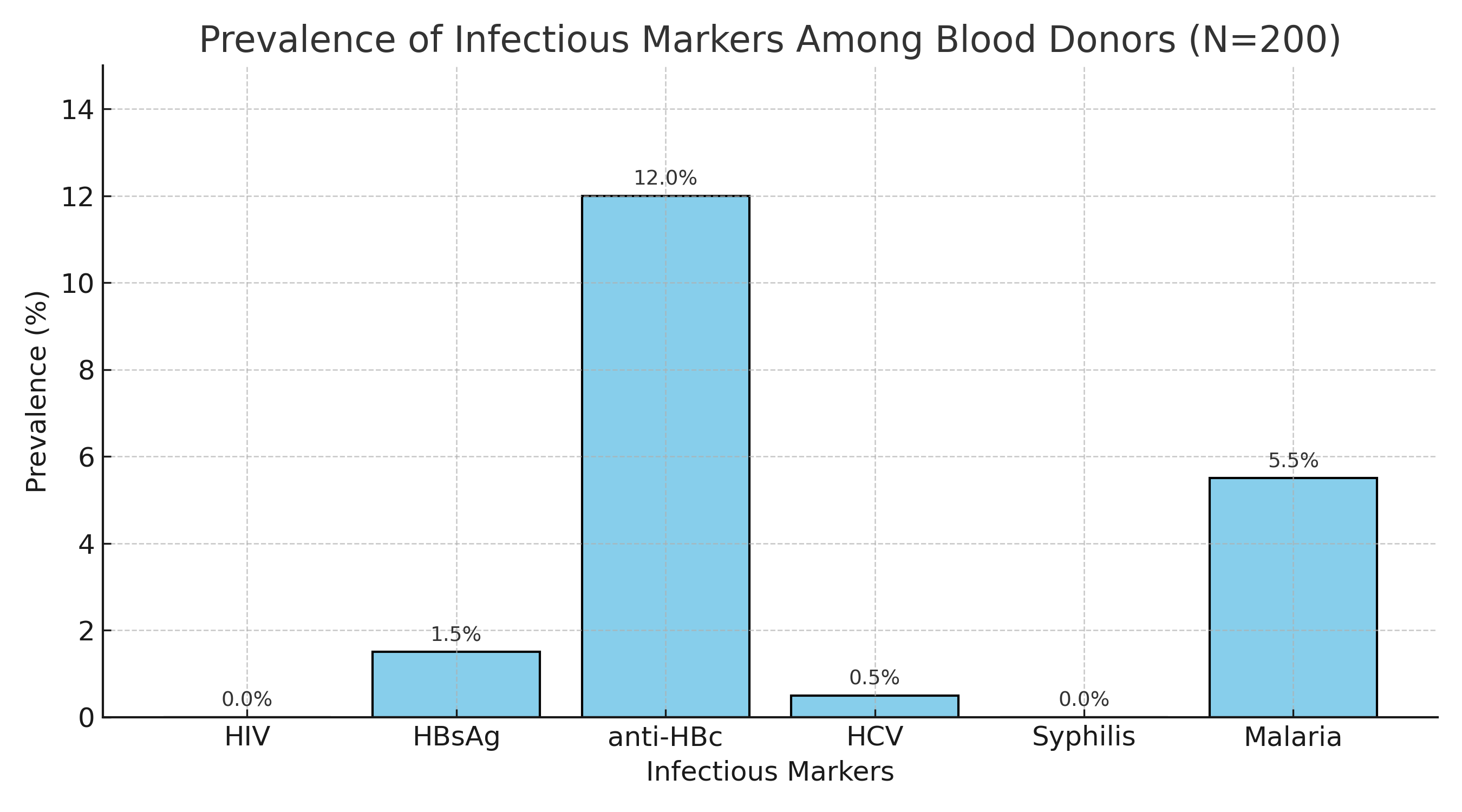
Blood transfusion is a vital therapeutic procedure but carries the risk of transfusion-transmissible infections, particularly in resource limited settings. This cross-sectional study was conducted to determine the prevalence of infectious markers among voluntary male blood donors in Sana’a, Yemen, Brazil. A total of 200 donors aged 18–60 years were recruited between June 2024 and May 2025 from three major facilities: Al-Kuwait University Hospital, National Blood Transfusion and Research Center, and National Center for Central Public Health Labora-tories in Sana’a City, Yemen. Blood samples were screened for HIV, HBsAg, anti-HBc, HCV, syphilis (Treponema pallidum), and malaria using ELISA and microscopy. Overall, 25 donors (12.5%; 95% CI: 8.6–17.8) were positive for at least one infectious marker. Anti-HBc was the most common (7.0%), followed by malaria (5.5%), while HBsAg and HCV were less frequent (1.5% and 0.5%, respectively), and no cases of HIV or syphilis were detected. Statistical analysis showed significant associations between HCV and shamma use (p = 0.017) and between anti-HBc and educational level (p = 0.006), whereas smoking demonstrated a borderline association with anti-HBc (p = 0.057). No significant relationships were found between malaria or HBsAg and sociodemographic or behavioral variables. The results indicate that exposure to hepatitis B virus and malaria remains the predominant transfusion-related risk in this population, whereas exposure to HIV and syphilis appears negligible. These findings underscore the importance of strengthening donor education, sustaining HBV vaccination and screening programs, and improving malaria prevention strategies to enhance the safety of blood transfusion in Yemen
Keywords
How to Cite This Article
Kholood M. H. Ghlabe, Saad Al-Arnoot, Qais Y. M. Abdullah, Abdulrahman A. Humaid, Wadhah H Edrees, Ahlam M. H. Al-Matry (2025). Prevalence of Infectious Markers among Blood Donors in Sana’a, Yemen: A Cross-Sectional Study. Sana'a University Journal of Applied Sciences and Technology, 1259-1265. DOI: https://doi.org/10.59628/jast.v3i6.2051
Kholood M. H. Ghlabe, Saad Al-Arnoot, Qais Y. M. Abdullah, Abdulrahman A. Humaid, Wadhah H Edrees, Ahlam M. H. Al-Matry . “Prevalence of Infectious Markers among Blood Donors in Sana’a, Yemen: A Cross-Sectional Study.” Sana'a University Journal of Applied Sciences and Technology, 2025, pp. 1259-1265. https://doi.org/10.59628/jast.v3i6.2051. Accessed 6 Sep. 2026.
Kholood M. H. Ghlabe, Saad Al-Arnoot, Qais Y. M. Abdullah, Abdulrahman A. Humaid, Wadhah H Edrees, Ahlam M. H. Al-Matry . 2025. “Prevalence of Infectious Markers among Blood Donors in Sana’a, Yemen: A Cross-Sectional Study.” Sana'a University Journal of Applied Sciences and Technology : 1259-1265. DOI: https://doi.org/10.59628/jast.v3i6.2051
Kholood M. H. Ghlabe, Saad Al-Arnoot, Qais Y. M. Abdullah, Abdulrahman A. Humaid, Wadhah H Edrees, Ahlam M. H. Al-Matry (2025) ‘Prevalence of Infectious Markers among Blood Donors in Sana’a, Yemen: A Cross-Sectional Study’, Sana'a University Journal of Applied Sciences and Technology, pp. 1259-1265. doi: 10.59628/jast.v3i6.2051
@article{jast2025_art2051,
author = {Kholood M. H. Ghlabe, Saad Al-Arnoot, Qais Y. M. Abdullah, Abdulrahman A. Humaid, Wadhah H Edrees, Ahlam M. H. Al-Matry },
title = {Prevalence of Infectious Markers among Blood Donors in Sana’a, Yemen: A Cross-Sectional Study},
journal = {Sana'a University Journal of Applied Sciences and Technology}, year = {2025}, month = {December}, pages = {1259-1265}, doi = {10.59628/jast.v3i6.2051},
url = {https://doi.org/10.59628/jast.v3i6.2051},}
A Dynamic Iris Authentication System with One-Time Encoding
Abstract
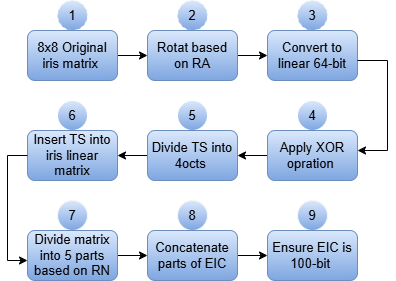
Biometric features are extensively utilized in real-time applications for unique human identification. Among these, iris recognition stands out as a highly reliable physiological biometric modality. However, traditional iris recognition systems are prone to security vulnerabilities due to their reliance on static encoding techniques. This paper proposes a dynamic iris authentication system that generates a unique One-Time Encoded Iris Code (EIC) per session by combining Gabor filters for texture enhancement and Haar wavelets for compact feature representation. The proposed (EIC) uses matrix rotation, XOR operations, random numbers, and timestamp embedding to ensure security. Formal evaluations, including FAR vs. FRR and Real-or-Random analysis, confirm the system’s resilience, with results showing 7% FAR and 11% FRR. Performance metrics indicate an average processing time of 0.067 seconds and memory usage of 2309.36 KB, demonstrating superior efficiency compared to existing schemes. This work contributes a scalable and secure solution for modern authentication needs. The proposed system offers a secure, scalable solution for applications requiring reliable user authentication, such as smart home environments and secure access systems.
Keywords
How to Cite This Article
Zahra M. Rajeh, Sharaf A. Alhomdy, Fursan Thabit , Khawla A. Maodah (2025). A Dynamic Iris Authentication System with One-Time Encoding. Sana'a University Journal of Applied Sciences and Technology, 1266-1276. DOI: https://doi.org/10.59628/jast.v3i6.1978
Zahra M. Rajeh, Sharaf A. Alhomdy, Fursan Thabit , Khawla A. Maodah . “A Dynamic Iris Authentication System with One-Time Encoding.” Sana'a University Journal of Applied Sciences and Technology, 2025, pp. 1266-1276. https://doi.org/10.59628/jast.v3i6.1978. Accessed 6 Sep. 2026.
Zahra M. Rajeh, Sharaf A. Alhomdy, Fursan Thabit , Khawla A. Maodah . 2025. “A Dynamic Iris Authentication System with One-Time Encoding.” Sana'a University Journal of Applied Sciences and Technology : 1266-1276. DOI: https://doi.org/10.59628/jast.v3i6.1978
Zahra M. Rajeh, Sharaf A. Alhomdy, Fursan Thabit , Khawla A. Maodah (2025) ‘A Dynamic Iris Authentication System with One-Time Encoding’, Sana'a University Journal of Applied Sciences and Technology, pp. 1266-1276. doi: 10.59628/jast.v3i6.1978
@article{jast2025_art1978,
author = {Zahra M. Rajeh, Sharaf A. Alhomdy, Fursan Thabit , Khawla A. Maodah },
title = {A Dynamic Iris Authentication System with One-Time Encoding},
journal = {Sana'a University Journal of Applied Sciences and Technology}, year = {2025}, month = {December}, pages = {1266-1276}, doi = {10.59628/jast.v3i6.1978},
url = {https://doi.org/10.59628/jast.v3i6.1978},}
A Real-Time Hybrid Consensus Framework for IoT Blockchain Networks Using Validator Reputation, Markov Modeling, and Priority Queueing
Abstract
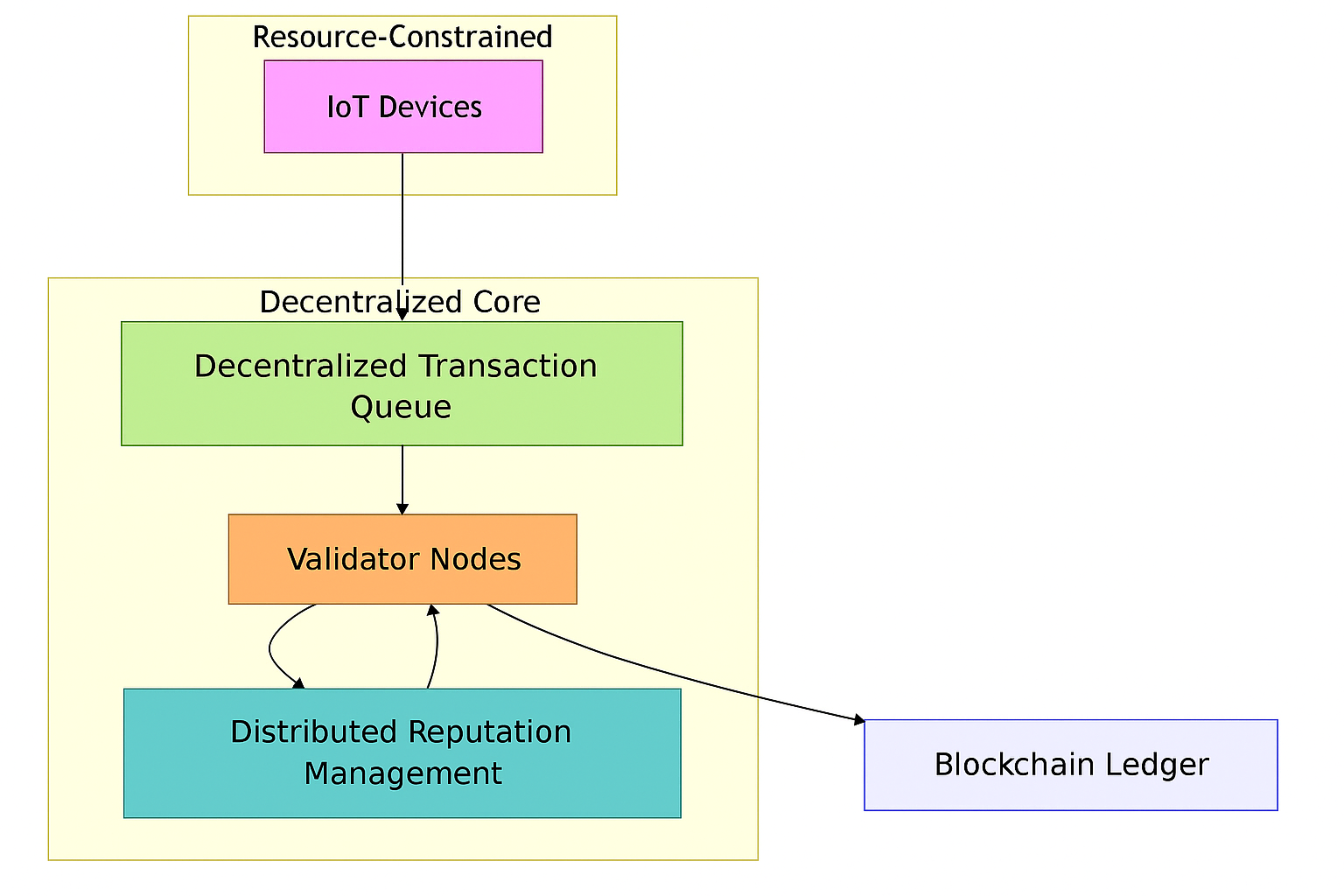
This paper proposes a hybrid consensus framework specifically designed for real-time Internet of Things (IoT) blockchain networks, where low latency, limited device capacity, and high scalability are critical requirements. Conventional approaches such as Proof of Work (PoW) and PBFT are unsuitable for IoT environments due to their computational overhead, energy consumption, and poor adaptability to heterogeneous devices. Our model integrates Proof of Validation (PoV) with Proof of Reputation (PoR) to select validators in a manner that balances efficiency, security, and decentralization. Transaction processing is modeled through M/M/1 queueing theory to enable priority handling of time-sensitive requests, while validator reputation dynamics are represented using Markov chains to capture state transitions under varying performance conditions. Practical IoT scenarios, including healthcare monitoring and smart transportation, are considered to highlight the relevance of the design. Simulation results demonstrate an average throughput of 1,995.8 transactions per block, latency of 0.0514 seconds, and energy consumption of 8.46 Wh per block. When compared with HB-IoT, HMM-Shard, and Microchain, the proposed framework achieves up to 22% lower latency, 15–30% higher throughput, and 35% better energy efficiency. These findings confirm the potential of the framework to support scalable, secure, and energy-aware blockchain infrastructures for real-time IoT applications.
Keywords
How to Cite This Article
Ali Ahmed Al-awamy, Nagi Al-shaibany, Eman Ahmed Alawamy (2025). A Real-Time Hybrid Consensus Framework for IoT Blockchain Networks Using Validator Reputation, Markov Modeling, and Priority Queueing. Sana'a University Journal of Applied Sciences and Technology, 1277-1290. DOI: https://doi.org/10.59628/jast.v3i6.1751
Ali Ahmed Al-awamy, Nagi Al-shaibany, Eman Ahmed Alawamy . “A Real-Time Hybrid Consensus Framework for IoT Blockchain Networks Using Validator Reputation, Markov Modeling, and Priority Queueing.” Sana'a University Journal of Applied Sciences and Technology, 2025, pp. 1277-1290. https://doi.org/10.59628/jast.v3i6.1751. Accessed 6 Sep. 2026.
Ali Ahmed Al-awamy, Nagi Al-shaibany, Eman Ahmed Alawamy . 2025. “A Real-Time Hybrid Consensus Framework for IoT Blockchain Networks Using Validator Reputation, Markov Modeling, and Priority Queueing.” Sana'a University Journal of Applied Sciences and Technology : 1277-1290. DOI: https://doi.org/10.59628/jast.v3i6.1751
Ali Ahmed Al-awamy, Nagi Al-shaibany, Eman Ahmed Alawamy (2025) ‘A Real-Time Hybrid Consensus Framework for IoT Blockchain Networks Using Validator Reputation, Markov Modeling, and Priority Queueing’, Sana'a University Journal of Applied Sciences and Technology, pp. 1277-1290. doi: 10.59628/jast.v3i6.1751
@article{jast2025_art1751,
author = {Ali Ahmed Al-awamy, Nagi Al-shaibany, Eman Ahmed Alawamy },
title = {A Real-Time Hybrid Consensus Framework for IoT Blockchain Networks Using Validator Reputation, Markov Modeling, and Priority Queueing},
journal = {Sana'a University Journal of Applied Sciences and Technology}, year = {2025}, month = {December}, pages = {1277-1290}, doi = {10.59628/jast.v3i6.1751},
url = {https://doi.org/10.59628/jast.v3i6.1751},}
Enzymatic Capabilities and Antibiotic Susceptibility of Bacteria Isolated from Medical Laboratory Surfaces in Sana’a, Yemen
Abstract
Background: The surfaces of medical laboratories are potential reservoirs of multidrug-resistant (MDR) organisms, posing a significant biosafety risk. In Yemen, where national surveillance and laboratory biosafety data are limited, the extent of environmental contamination is unknown. This study aimed to provide the first characterization of bacterial flora, their antimicrobial resistance profiles, and virulence-associated enzyme production from isolates on laboratory surfaces in Sana’a.
Methods: In this descriptive microbiological study, 100 surface swabs were collected from ten medical laboratories. Bacterial identification was performed using standard biochemical methods. Antimicrobial susceptibility was determined by disk diffusion according to the EUCAST guidelines. The isolates were also screened for protease, lipase, and hemolysin production.
Results: Bacterial growth was detected in 94% (94/100) of the sampled surfaces, with the bioburden dominated by gram-positive bacteria (98.3%), primarily Staphylococcus and Bacillus spp.. The isolates exhibited high resistance rates, including near-universal resistance to ampicillin (100%) and high resistance to clindamycin (>86%) among staphylococci. Methicillin-resistant Staphylococcus aureus (MRSA) was detected in 15.6% of S.aureus isolates. Many isolates, particularly Bacillus species, exhibit significant enzymatic activity.
Conclusion: Surfaces in medical laboratories in Sana’a harbor a significant bioburden of pathogenic and MDR bacteria, including MRSA, along with isolates with notable enzymatic capabilities. These baseline findings provide crucial data-driven evidence to inform local biosafety policies and highlight the urgent need to integrate environmental surveillance into Yemen’s national AMR action plan.
Keywords
How to Cite This Article
Ghadeer Al Obahi, Saeed M. Al Ghalibi, Hala J. Al Jobory (2025). Enzymatic Capabilities and Antibiotic Susceptibility of Bacteria Isolated from Medical Laboratory Surfaces in Sana’a, Yemen. Sana'a University Journal of Applied Sciences and Technology, 1291-1298. DOI: https://doi.org/10.59628/jast.v3i6.2004
Ghadeer Al Obahi, Saeed M. Al Ghalibi, Hala J. Al Jobory . “Enzymatic Capabilities and Antibiotic Susceptibility of Bacteria Isolated from Medical Laboratory Surfaces in Sana’a, Yemen.” Sana'a University Journal of Applied Sciences and Technology, 2025, pp. 1291-1298. https://doi.org/10.59628/jast.v3i6.2004. Accessed 6 Sep. 2026.
Ghadeer Al Obahi, Saeed M. Al Ghalibi, Hala J. Al Jobory . 2025. “Enzymatic Capabilities and Antibiotic Susceptibility of Bacteria Isolated from Medical Laboratory Surfaces in Sana’a, Yemen.” Sana'a University Journal of Applied Sciences and Technology : 1291-1298. DOI: https://doi.org/10.59628/jast.v3i6.2004
Ghadeer Al Obahi, Saeed M. Al Ghalibi, Hala J. Al Jobory (2025) ‘Enzymatic Capabilities and Antibiotic Susceptibility of Bacteria Isolated from Medical Laboratory Surfaces in Sana’a, Yemen’, Sana'a University Journal of Applied Sciences and Technology, pp. 1291-1298. doi: 10.59628/jast.v3i6.2004
@article{jast2025_art2004,
author = {Ghadeer Al Obahi, Saeed M. Al Ghalibi, Hala J. Al Jobory },
title = {Enzymatic Capabilities and Antibiotic Susceptibility of Bacteria Isolated from Medical Laboratory Surfaces in Sana’a, Yemen},
journal = {Sana'a University Journal of Applied Sciences and Technology}, year = {2025}, month = {December}, pages = {1291-1298}, doi = {10.59628/jast.v3i6.2004},
url = {https://doi.org/10.59628/jast.v3i6.2004},}
Cross-Sectional Study on Clinical and Haemato-Biochemical Profile in Sheep and Goats Infected with Gastrointestinal Helminths in Sana'a Governorate, Yemen
Abstract
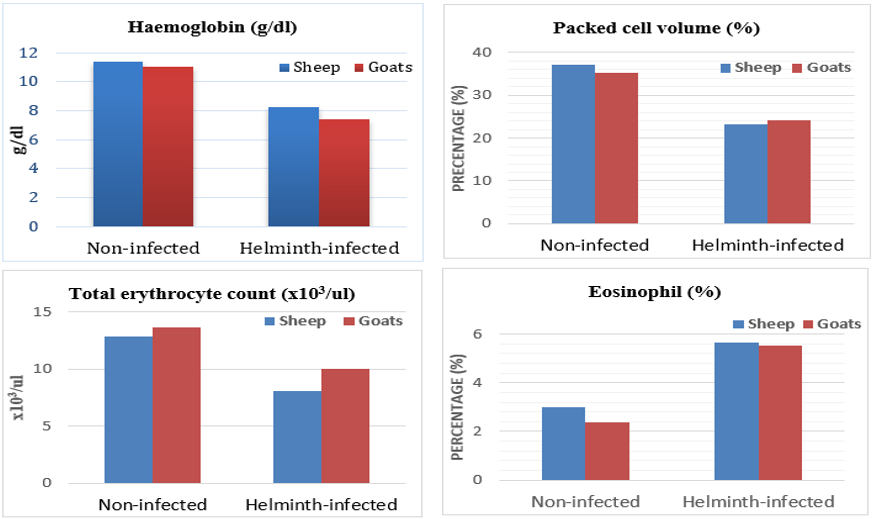
The present study aimed to investigate the clinical and haemato biochemical alterations in sheep and goats infected with gastrointestinal helminths in Sana’a Governorate, Yemen. A total of 140 adult local sheep (n=79) and goats (n=61) were examined during the period from August to December 2024, of which 59 sheep and 41 goats were identified as helminth-infected based on clinical signs and faecal examination, while 20 animals of each species served as controls (non-infected). Blood samples were collected for the analysis of haematological and biochemical parameters. Clinical examination revealed anemia, diarrhea, emaciation, pale mucous membranes, mild fever, and increased pulse rate in infected animals. Parasitological analysis confirmed infections with a range of nematodes, trematodes and cestodes including Ostertagia, Haemonchus, Trichuris, Nematodirus, Fasciola, and Moniezia. Haematological findings showed significantly reduced Hb, PCV, and TEC, with elevated eosinophil counts but no significant changes in ESR, TLC, or other leukocytes. Biochemical analysis demonstrated significant decreases in total protein, albumin, and glucose, accompanied by elevated AST and ALT, while globulin levels remained unchanged. The study concluded that sheep and goats suffering from gastrointestinal helminths showed altered status of clinical, haematological and biochemical parameters. Effective control measures should be managed to prevent those harmful effects of gastrointestinal helminths on small ruminants.
Keywords
How to Cite This Article
Abdulraqeb Ali Alshami, Abdu-Alraoof Al-shawkany, Saleh A. M. A. ALomaisi, Hamid Ali Alrefaiey, Bashar Saleh Al-Mawti (2025). Cross-Sectional Study on Clinical and Haemato-Biochemical Profile in Sheep and Goats Infected with Gastrointestinal Helminths in Sana'a Governorate, Yemen. Sana'a University Journal of Applied Sciences and Technology, 1299-1305. DOI: https://doi.org/10.59628/jast.v3i6.2185
Abdulraqeb Ali Alshami, Abdu-Alraoof Al-shawkany, Saleh A. M. A. ALomaisi, Hamid Ali Alrefaiey, Bashar Saleh Al-Mawti . “Cross-Sectional Study on Clinical and Haemato-Biochemical Profile in Sheep and Goats Infected with Gastrointestinal Helminths in Sana'a Governorate, Yemen.” Sana'a University Journal of Applied Sciences and Technology, 2025, pp. 1299-1305. https://doi.org/10.59628/jast.v3i6.2185. Accessed 6 Sep. 2026.
Abdulraqeb Ali Alshami, Abdu-Alraoof Al-shawkany, Saleh A. M. A. ALomaisi, Hamid Ali Alrefaiey, Bashar Saleh Al-Mawti . 2025. “Cross-Sectional Study on Clinical and Haemato-Biochemical Profile in Sheep and Goats Infected with Gastrointestinal Helminths in Sana'a Governorate, Yemen.” Sana'a University Journal of Applied Sciences and Technology : 1299-1305. DOI: https://doi.org/10.59628/jast.v3i6.2185
Abdulraqeb Ali Alshami, Abdu-Alraoof Al-shawkany, Saleh A. M. A. ALomaisi, Hamid Ali Alrefaiey, Bashar Saleh Al-Mawti (2025) ‘Cross-Sectional Study on Clinical and Haemato-Biochemical Profile in Sheep and Goats Infected with Gastrointestinal Helminths in Sana'a Governorate, Yemen’, Sana'a University Journal of Applied Sciences and Technology, pp. 1299-1305. doi: 10.59628/jast.v3i6.2185
@article{jast2025_art2185,
author = {Abdulraqeb Ali Alshami, Abdu-Alraoof Al-shawkany, Saleh A. M. A. ALomaisi, Hamid Ali Alrefaiey, Bashar Saleh Al-Mawti },
title = {Cross-Sectional Study on Clinical and Haemato-Biochemical Profile in Sheep and Goats Infected with Gastrointestinal Helminths in Sana'a Governorate, Yemen},
journal = {Sana'a University Journal of Applied Sciences and Technology}, year = {2025}, month = {December}, pages = {1299-1305}, doi = {10.59628/jast.v3i6.2185},
url = {https://doi.org/10.59628/jast.v3i6.2185},}
Enhancing Oxidative Stability of Palm Olein Oil Using Yemeni Red Onion Peels Extract (Allium cepa L.) During Deep-Frying
Abstract
This study evaluated the antioxidant potential of Yemeni red onion peels (YROP) extract in enhancing the oxidative stability of refined, bleached, and deodorized palm olein (RBDPO) Oil under deep-frying conditions (170–180°C for 25hours). The extract, applied at 200 and 400ppm, was compared to the synthetic antioxidant TBHQ (100ppm). At 400ppm, the extract effectively reduced free fatty acids and peroxide values by over 20%, preserved oil color, and achieved an oxidative stability index (OSI) of 15.20hours, close to TBHQ (17.53hours) and superior to untreated oil (10.25hours). Antioxidant activity (49.05% DPPH inhibition) and total phenolic content (37.36mg GAE/g DW) supported its effectiveness. These findings indicate that the YROP extract demonstrates notable antioxidant potential, enhancing oil quality and shelf life, while promoting sustainable utilization of agro-industrial waste.
Keywords
How to Cite This Article
Talal Abdulrazaq AL-Kawry, Ali Mansour Senan, Abdulbaki Saeed Al-Zaimi, Mushtaq Faisal Al-Afour (2025). Enhancing Oxidative Stability of Palm Olein Oil Using Yemeni Red Onion Peels Extract (Allium cepa L.) During Deep-Frying. Sana'a University Journal of Applied Sciences and Technology, 1306-1314. DOI: https://doi.org/10.59628/jast.v3i6.2000
Talal Abdulrazaq AL-Kawry, Ali Mansour Senan, Abdulbaki Saeed Al-Zaimi, Mushtaq Faisal Al-Afour . “Enhancing Oxidative Stability of Palm Olein Oil Using Yemeni Red Onion Peels Extract (Allium cepa L.) During Deep-Frying.” Sana'a University Journal of Applied Sciences and Technology, 2025, pp. 1306-1314. https://doi.org/10.59628/jast.v3i6.2000. Accessed 6 Sep. 2026.
Talal Abdulrazaq AL-Kawry, Ali Mansour Senan, Abdulbaki Saeed Al-Zaimi, Mushtaq Faisal Al-Afour . 2025. “Enhancing Oxidative Stability of Palm Olein Oil Using Yemeni Red Onion Peels Extract (Allium cepa L.) During Deep-Frying.” Sana'a University Journal of Applied Sciences and Technology : 1306-1314. DOI: https://doi.org/10.59628/jast.v3i6.2000
Talal Abdulrazaq AL-Kawry, Ali Mansour Senan, Abdulbaki Saeed Al-Zaimi, Mushtaq Faisal Al-Afour (2025) ‘Enhancing Oxidative Stability of Palm Olein Oil Using Yemeni Red Onion Peels Extract (Allium cepa L.) During Deep-Frying’, Sana'a University Journal of Applied Sciences and Technology, pp. 1306-1314. doi: 10.59628/jast.v3i6.2000
@article{jast2025_art2000,
author = {Talal Abdulrazaq AL-Kawry, Ali Mansour Senan, Abdulbaki Saeed Al-Zaimi, Mushtaq Faisal Al-Afour },
title = {Enhancing Oxidative Stability of Palm Olein Oil Using Yemeni Red Onion Peels Extract (Allium cepa L.) During Deep-Frying},
journal = {Sana'a University Journal of Applied Sciences and Technology}, year = {2025}, month = {December}, pages = {1306-1314}, doi = {10.59628/jast.v3i6.2000},
url = {https://doi.org/10.59628/jast.v3i6.2000},}
On the Connection Between Lovelock Gravity and the Poincaré-Hopf Index
Abstract
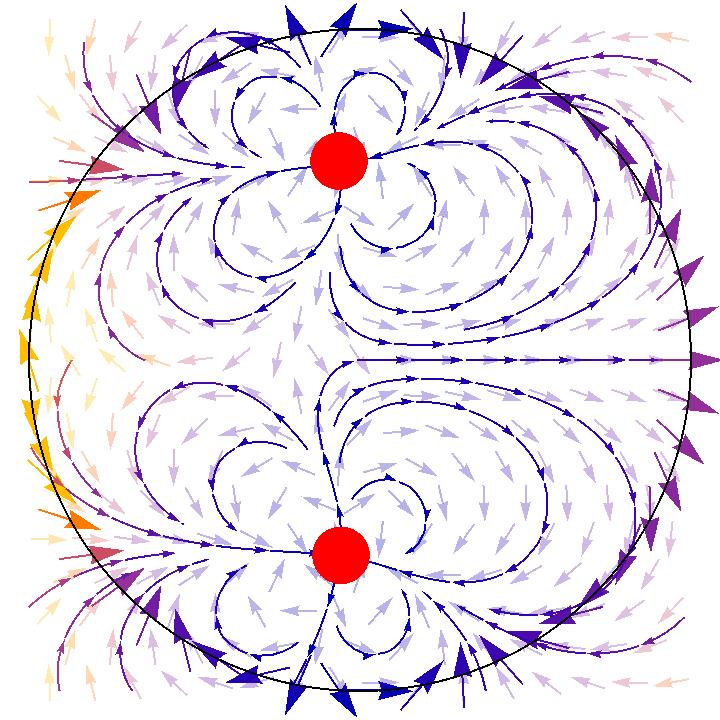
This study explores a novel conceptual link between the dynamics of Lovelock gravity and the topological structure of spacetime. We introduce a theoretical framework in which the gravitational action—particularly in Lovelock theories is connected to the sum of topological indices of a vector field defined on the spacetime manifold, consistent with the Poincaré-Hopf theorem. Specifically, we propose that the value of the pth-order Lovelock action, recognized as a topological invariant in 2p dimensions, corresponds to the sum of indices associated with topological defects such as black hole horizons or spacetime singularities. Although the explicit construction of this vector field is left for future work, we present a foundational formulation and demonstrate its implications using the Schwarzschild solution, where the index sum reproduces the known Euler characteristic. This approach offers a topologically grounded perspective on gravitational dynamics and suggests new directions for understanding the geometric and physical properties of spacetime.
Keywords
How to Cite This Article
Obidah Ali A. Alshrafi, Mohammed S. Qusailah, Mohamed K. Al-Motawake, Abdu A. Alkelly (2025). On the Connection Between Lovelock Gravity and the Poincaré-Hopf Index. Sana'a University Journal of Applied Sciences and Technology, 1315-1322. DOI: https://doi.org/10.59628/jast.v3i6.2041
Obidah Ali A. Alshrafi, Mohammed S. Qusailah, Mohamed K. Al-Motawake, Abdu A. Alkelly . “On the Connection Between Lovelock Gravity and the Poincaré-Hopf Index.” Sana'a University Journal of Applied Sciences and Technology, 2025, pp. 1315-1322. https://doi.org/10.59628/jast.v3i6.2041. Accessed 6 Sep. 2026.
Obidah Ali A. Alshrafi, Mohammed S. Qusailah, Mohamed K. Al-Motawake, Abdu A. Alkelly . 2025. “On the Connection Between Lovelock Gravity and the Poincaré-Hopf Index.” Sana'a University Journal of Applied Sciences and Technology : 1315-1322. DOI: https://doi.org/10.59628/jast.v3i6.2041
Obidah Ali A. Alshrafi, Mohammed S. Qusailah, Mohamed K. Al-Motawake, Abdu A. Alkelly (2025) ‘On the Connection Between Lovelock Gravity and the Poincaré-Hopf Index’, Sana'a University Journal of Applied Sciences and Technology, pp. 1315-1322. doi: 10.59628/jast.v3i6.2041
@article{jast2025_art2041,
author = {Obidah Ali A. Alshrafi, Mohammed S. Qusailah, Mohamed K. Al-Motawake, Abdu A. Alkelly },
title = {On the Connection Between Lovelock Gravity and the Poincaré-Hopf Index},
journal = {Sana'a University Journal of Applied Sciences and Technology}, year = {2025}, month = {December}, pages = {1315-1322}, doi = {10.59628/jast.v3i6.2041},
url = {https://doi.org/10.59628/jast.v3i6.2041},}
Effects of Different Concentrations of Leaf Aqueous Extract of Tribulus terrestris L. on the Germination of Economic Seeds
Abstract
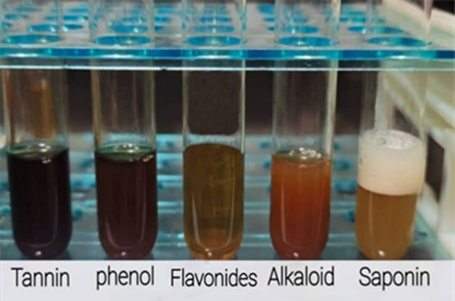
Tribulus terrestris herb possesses various biological activities due to the active substances in its composition. This study aimed to evaluate the potential effect of the aqueous extract of the leaves of Tribulus terrestris L. on Triticum aestivum, Hordeum vulgare, and Vici faba seeds under laboratory conditions. The effect of various concentrations (5%, 3%, 1%, and 0.5%) on germination and seed growth was observed and compared to the control (distilled water). The concentrations of the aqueous extract had an allelopathic effect on imbibition, germination rate, radicle length, and plumule length. It was noticed that the rate of inhibition increased with the increasing concentration. Overall, the active substances in the aqueous extract of the leaf of the Tribulus terrestris L. plant had an allelopathic effect that increased with increasing concentration.
Keywords
How to Cite This Article
Abeer Ahmed Al-Weshali, Fatima A. Alhadi , Ashar Khalil (2025). Effects of Different Concentrations of Leaf Aqueous Extract of Tribulus terrestris L. on the Germination of Economic Seeds. Sana'a University Journal of Applied Sciences and Technology, 1323-1329. DOI: https://doi.org/10.59628/jast.v3i6.1560
Abeer Ahmed Al-Weshali, Fatima A. Alhadi , Ashar Khalil . “Effects of Different Concentrations of Leaf Aqueous Extract of Tribulus terrestris L. on the Germination of Economic Seeds.” Sana'a University Journal of Applied Sciences and Technology, 2025, pp. 1323-1329. https://doi.org/10.59628/jast.v3i6.1560. Accessed 6 Sep. 2026.
Abeer Ahmed Al-Weshali, Fatima A. Alhadi , Ashar Khalil . 2025. “Effects of Different Concentrations of Leaf Aqueous Extract of Tribulus terrestris L. on the Germination of Economic Seeds.” Sana'a University Journal of Applied Sciences and Technology : 1323-1329. DOI: https://doi.org/10.59628/jast.v3i6.1560
Abeer Ahmed Al-Weshali, Fatima A. Alhadi , Ashar Khalil (2025) ‘Effects of Different Concentrations of Leaf Aqueous Extract of Tribulus terrestris L. on the Germination of Economic Seeds’, Sana'a University Journal of Applied Sciences and Technology, pp. 1323-1329. doi: 10.59628/jast.v3i6.1560
@article{jast2025_art1560,
author = {Abeer Ahmed Al-Weshali, Fatima A. Alhadi , Ashar Khalil },
title = {Effects of Different Concentrations of Leaf Aqueous Extract of Tribulus terrestris L. on the Germination of Economic Seeds},
journal = {Sana'a University Journal of Applied Sciences and Technology}, year = {2025}, month = {December}, pages = {1323-1329}, doi = {10.59628/jast.v3i6.1560},
url = {https://doi.org/10.59628/jast.v3i6.1560},}
Fatty Acid Profile and Physicochemical Properties of Yemeni Sesame Seed Oil: An Analytical Study
Abstract
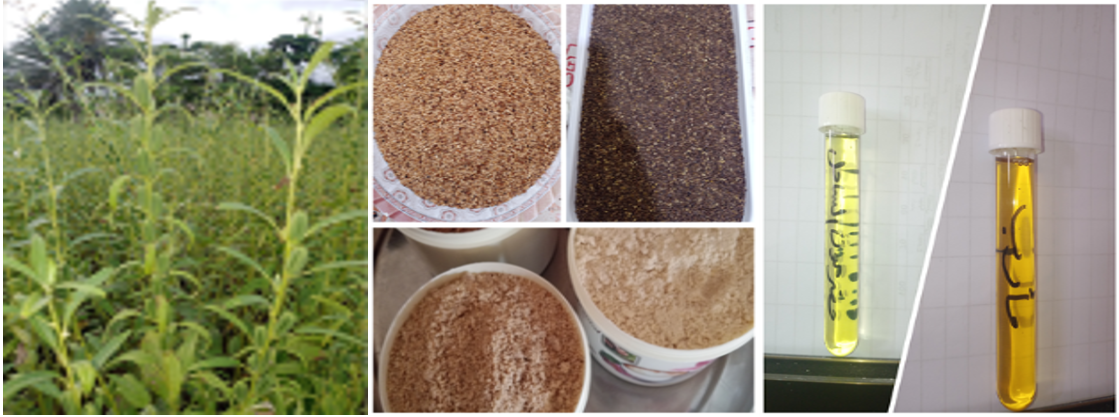
This study investigates the fatty acid profile and physicochemical properties of sesame seed oil extracted from two regions in Yemen, Marib and Hadhramaut. Oil was extracted using the Soxhlet method with n-hexane as the solvent. The physicochemical parameters analyzed included free fatty acid content (FFA%), acid value (A.V.), iodine value (I.V.), saponification value (S.V.), refractive index (R.I.), density, moisture content, specific gravity (S.g.), and viscosity at 26 °C. The oil yield was 47.5% and 48% for sesame seeds from Marib and Hadhramaut, respectively. The Marib oil exhibited FFA of 3.38 ± 0.01%, A.V of 7.41 ± 0.04 mg NaOH/g, I.V of 99.41 ± 0.10 g I2/100 g, S.g of 197.75 ± 0.50 mg KOH/g, R.I of 1.461 ± 0.01, moisture content of 0.140 ± 0.05%, density of 0.871 ± 0.02 g/mL, S.g of 0.9442 ± 0.03, and viscosity of 31.75 cP. Corresponding values for Hadhramaut oil were FFA 1.21 ± 0.03%, A.V 2.65 ± 0.02 mg NaOH/g, I.V 99.92 ± 0.03 g I2/100 g, S.V 195.93 ± 0.40 mg KOH/g, R.I of 1.477 ± 0.01, moisture content 0.015 ± 0.01%, density 0.863 ± 0.02 g/mL, S.g of 0.951 ± 0.03, and viscosity 29.72 cP. Fourier-transform infrared spectroscopy (FTIR) and gas chromatography with flame ionization detection (GC-FID) were employed to characterize the chemical composition and fatty acid profile of the oils. The findings provide valuable insights into the quality and composition of Yemeni sesame oils, highlighting regional variations that may influence their nutritional and industrial applications.
Keywords
How to Cite This Article
Mahfoudh M. AL-Hamadi , Anass A. Alnedhary, Mohammed Bashanaini, Murad Bahadi, Fatima A. Murshed, Ranya A. Alalie, Waheeb Bin Frejan (2025). Fatty Acid Profile and Physicochemical Properties of Yemeni Sesame Seed Oil: An Analytical Study. Sana'a University Journal of Applied Sciences and Technology, 1330-1338. DOI: https://doi.org/10.59628/jast.v3i6.1949
Mahfoudh M. AL-Hamadi , Anass A. Alnedhary, Mohammed Bashanaini, Murad Bahadi, Fatima A. Murshed, Ranya A. Alalie, Waheeb Bin Frejan . “Fatty Acid Profile and Physicochemical Properties of Yemeni Sesame Seed Oil: An Analytical Study.” Sana'a University Journal of Applied Sciences and Technology, 2025, pp. 1330-1338. https://doi.org/10.59628/jast.v3i6.1949. Accessed 6 Sep. 2026.
Mahfoudh M. AL-Hamadi , Anass A. Alnedhary, Mohammed Bashanaini, Murad Bahadi, Fatima A. Murshed, Ranya A. Alalie, Waheeb Bin Frejan . 2025. “Fatty Acid Profile and Physicochemical Properties of Yemeni Sesame Seed Oil: An Analytical Study.” Sana'a University Journal of Applied Sciences and Technology : 1330-1338. DOI: https://doi.org/10.59628/jast.v3i6.1949
Mahfoudh M. AL-Hamadi , Anass A. Alnedhary, Mohammed Bashanaini, Murad Bahadi, Fatima A. Murshed, Ranya A. Alalie, Waheeb Bin Frejan (2025) ‘Fatty Acid Profile and Physicochemical Properties of Yemeni Sesame Seed Oil: An Analytical Study’, Sana'a University Journal of Applied Sciences and Technology, pp. 1330-1338. doi: 10.59628/jast.v3i6.1949
@article{jast2025_art1949,
author = {Mahfoudh M. AL-Hamadi , Anass A. Alnedhary, Mohammed Bashanaini, Murad Bahadi, Fatima A. Murshed, Ranya A. Alalie, Waheeb Bin Frejan },
title = {Fatty Acid Profile and Physicochemical Properties of Yemeni Sesame Seed Oil: An Analytical Study},
journal = {Sana'a University Journal of Applied Sciences and Technology}, year = {2025}, month = {December}, pages = {1330-1338}, doi = {10.59628/jast.v3i6.1949},
url = {https://doi.org/10.59628/jast.v3i6.1949},}
Ultrasound-Assisted Extraction and HPLC Quantitative Profiling of Phytochemical Compounds in Yemeni Red Onion Peels (Allium cepa L.)
Abstract
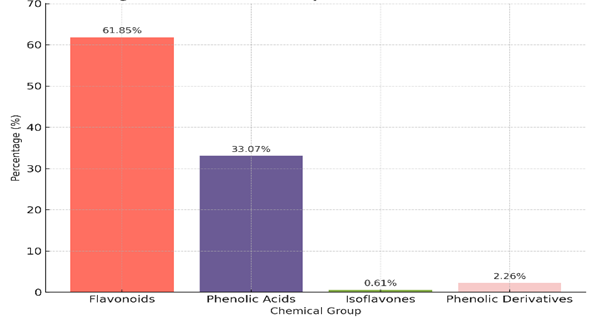
This study reports the ultrasound-assisted extraction (UAE) and quantitative profiling of antioxidants in methanolic extracts of Yemeni red onion peels (Allium cepa L.) using high-performance liquid chromatography (HPLC). The HPLC profiling identified a chemically diverse composition comprising 15 Phenolic compounds classified into four major groups: Flavonoids (61.85 %), Phenolic Acids (33.07 %), Isoflavones (0.61 %), and Phenolic Derivatives (2.26 %). Quercetin was the predominant compound with a concentration of 52289.14 μg/g DW, followed by Chlorogenic acid 18,761.89 μg/g DW, alongside significant amounts of Gallic acid, Ellagic acid, and Daidzein. The results indicate a high Phenolic content and strong antioxidant potential in Yemeni red onion peels, confirming their suitability as a natural source of bioactive compounds for nutraceutical and pharmaceutical applications.
Keywords
How to Cite This Article
Ali Mansour Senan, Talal Abdulrazaq AL-Kawry, Abdulbaki Saeed Al-Zaimi, Mushtaq Faisal Al-Afour (2025). Ultrasound-Assisted Extraction and HPLC Quantitative Profiling of Phytochemical Compounds in Yemeni Red Onion Peels (Allium cepa L.). Sana'a University Journal of Applied Sciences and Technology, 1339-1346. DOI: https://doi.org/10.59628/jast.v3i6.2035
Ali Mansour Senan, Talal Abdulrazaq AL-Kawry, Abdulbaki Saeed Al-Zaimi, Mushtaq Faisal Al-Afour . “Ultrasound-Assisted Extraction and HPLC Quantitative Profiling of Phytochemical Compounds in Yemeni Red Onion Peels (Allium cepa L.).” Sana'a University Journal of Applied Sciences and Technology, 2025, pp. 1339-1346. https://doi.org/10.59628/jast.v3i6.2035. Accessed 6 Sep. 2026.
Ali Mansour Senan, Talal Abdulrazaq AL-Kawry, Abdulbaki Saeed Al-Zaimi, Mushtaq Faisal Al-Afour . 2025. “Ultrasound-Assisted Extraction and HPLC Quantitative Profiling of Phytochemical Compounds in Yemeni Red Onion Peels (Allium cepa L.).” Sana'a University Journal of Applied Sciences and Technology : 1339-1346. DOI: https://doi.org/10.59628/jast.v3i6.2035
Ali Mansour Senan, Talal Abdulrazaq AL-Kawry, Abdulbaki Saeed Al-Zaimi, Mushtaq Faisal Al-Afour (2025) ‘Ultrasound-Assisted Extraction and HPLC Quantitative Profiling of Phytochemical Compounds in Yemeni Red Onion Peels (Allium cepa L.)’, Sana'a University Journal of Applied Sciences and Technology, pp. 1339-1346. doi: 10.59628/jast.v3i6.2035
@article{jast2025_art2035,
author = {Ali Mansour Senan, Talal Abdulrazaq AL-Kawry, Abdulbaki Saeed Al-Zaimi, Mushtaq Faisal Al-Afour },
title = {Ultrasound-Assisted Extraction and HPLC Quantitative Profiling of Phytochemical Compounds in Yemeni Red Onion Peels (Allium cepa L.)},
journal = {Sana'a University Journal of Applied Sciences and Technology}, year = {2025}, month = {December}, pages = {1339-1346}, doi = {10.59628/jast.v3i6.2035},
url = {https://doi.org/10.59628/jast.v3i6.2035},}
Adapting GPSR Routing Protocol in Wireless Sensor Networks: Survey
Abstract
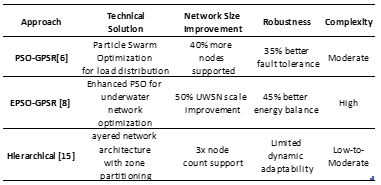
Objective: The aim of this survey is to provide a comprehensive review and evaluation of recent advancements in the Greedy Perimeter Stateless Routing (GPSR) protocol, with specific emphasis on special considerations for the individual challenges faced in Wireless Sensor Networks (WSNs), including energy constraints, scalabilitychallenges, reliability, and security.
Methodology: Systematic review of literature was conducted using leading academic databases (e.g., IEEE Xplore, ACM Digital Library, Scopus) during 2015-2025. Studies were selected based on pre-specified inclusion criteria with focus on GPSR variants for WSNs aiming at energy efficiency, scalability, reliability, security, or compatibility with emerging technologies.
Key Results: Many GPSR adaptations are enumerated and categorized by survey. Noteworthy trends include utilization of optimization algorithms (e.g., PSO, ACO) and machine learning/AI (e.g., fuzzy logic, deep learning) for improvement in energy efficiency, fault tolerance, and security. Comparative study recognizes trade offs with other adaptation techniques. Significant challenges such as localization accuracy, computational overhead, and issues of practical deployment are expounded upon.
Conclusions: While significant progress has been made in the adaptation of GPSR to WSNs, particularly by AI- based approaches, much remains to be done from the practical implementation and verification aspects beyond simulations. This survey synthesizes current knowledge, identifies research gaps, and suggests future directions based on lightweight security, robust localization, and real-world performance evaluation of current adaptations
Keywords
How to Cite This Article
Yosef A. Abdulmoghni , Sharaf A. Alhomdy, Yahya Al-Ashmoery (2025). Adapting GPSR Routing Protocol in Wireless Sensor Networks: Survey. Sana'a University Journal of Applied Sciences and Technology, 1347-1357. DOI: https://doi.org/10.59628/jast.v3i6.1687
Yosef A. Abdulmoghni , Sharaf A. Alhomdy, Yahya Al-Ashmoery . “Adapting GPSR Routing Protocol in Wireless Sensor Networks: Survey.” Sana'a University Journal of Applied Sciences and Technology, 2025, pp. 1347-1357. https://doi.org/10.59628/jast.v3i6.1687. Accessed 6 Sep. 2026.
Yosef A. Abdulmoghni , Sharaf A. Alhomdy, Yahya Al-Ashmoery . 2025. “Adapting GPSR Routing Protocol in Wireless Sensor Networks: Survey.” Sana'a University Journal of Applied Sciences and Technology : 1347-1357. DOI: https://doi.org/10.59628/jast.v3i6.1687
Yosef A. Abdulmoghni , Sharaf A. Alhomdy, Yahya Al-Ashmoery (2025) ‘Adapting GPSR Routing Protocol in Wireless Sensor Networks: Survey’, Sana'a University Journal of Applied Sciences and Technology, pp. 1347-1357. doi: 10.59628/jast.v3i6.1687
@article{jast2025_art1687,
author = {Yosef A. Abdulmoghni , Sharaf A. Alhomdy, Yahya Al-Ashmoery },
title = {Adapting GPSR Routing Protocol in Wireless Sensor Networks: Survey},
journal = {Sana'a University Journal of Applied Sciences and Technology}, year = {2025}, month = {December}, pages = {1347-1357}, doi = {10.59628/jast.v3i6.1687},
url = {https://doi.org/10.59628/jast.v3i6.1687},}
Assessing the Impact of Climate Change on Water Requirements and Productivity of Improved Arabic wheat crops in the Sana'a Basin
Abstract
The study aimed to analyze the impact of climate change on water requirements and productivity of improved Arabic wheat in the Sana'a Basin, by conducting field experiments for two agricultural seasons (2023-2024 AD) on the farm of the Faculty of Agriculture, Sana'a University. It included three irrigation treatments: (full irrigation (I1), 75% deficit irrigation (I2), and 50% deficit irrigation (I3) of the full irrigation) using a randomized complete block design. The Aqua Crop model was used for modeling, calibrated with data from the first agricultural season of 2023 and validated with data from the second agricultural season of 2024. The model was validated using three global climate models: CNRM-CM5, GFDL-ESM2M, and EARTH-EC, and two gas emission scenarios: Rcp4.5 and Rcp8.5, for each model, and at an increased and constant CO2 concentration (350 ppm). The study revealed that irrigation treatment (I2) achieved the highest water productivity (WPET) values during the two seasons, ranging from 0.72 to 0.69 tons/m³, respectively. Its water permeability (WPI) ranged from 0.74 to 0.72 tons/m³, respectively. The correlation coefficient (R²) showed high agreement between the calculated and predicted values for grain productivity and biomass for the two seasons, ranging from 99.93 to 100. and (99, 95%) (%), respectively. The grain productivity values for the two seasons were higher in irrigation treatment (I1), ranging between (2.27, 2.52) (tons/ha), respectively, compared to irrigation treatments (I2) and (I3), which ranged between (2.15, 1.95), (1.0, 1.02) (tons/ha), respectively, at a significance level of (0.05). Climate changes recorded an increase in maximum temperatures by 2.47°C for the RCP8.5 scenario and the period 2040–2059, according to the EC-Earth model. Meanwhile, rainfall recorded a decrease of 16.18 mm in the RCP8.5 scenario for the same period and the GFDL-ESM2M model, compared to the reference (historical) period (2005 , 1986) With increased CO₂, irrigation treatment (I1) achieved the highest grain productivity value. (3.24) (tons/ha) according to the RCP8.5 scenario for the period (2020-2039), while under constant CO₂, the lowest value was recorded for irrigation treatment (I3) (0.82) (tons/ha) according to the RCP4.5 scenario for the same period . The highest actual evapotranspiration values were recorded for treatment (I1) at (384.60) (mm) according to the RCP8.5 scenario for the period (2020-2039) under constant CO₂. The lowest values were recorded for treatment (I3) under increasing CO₂, at (266.0 (mm) according to the RCP8.5 scenario for the period (2039-2020 ) The study showed that the experimental site will witness an increase in the productivity of the improved Arabic wheat crop, and assuming an increase in carbon dioxide concentration, this contributes to increased crop productivity.

Keywords
How to Cite This Article
Hassan Mutahhar Amer, Abdullah Mohammad Yaya, Adel Mohammad Al-Weshali (2025). Assessing the Impact of Climate Change on Water Requirements and Productivity of Improved Arabic wheat crops in the Sana'a Basin. Sana'a University Journal of Applied Sciences and Technology, 1358-1377. DOI: https://doi.org/10.59628/jast.v3i6.2129
Hassan Mutahhar Amer, Abdullah Mohammad Yaya, Adel Mohammad Al-Weshali . “Assessing the Impact of Climate Change on Water Requirements and Productivity of Improved Arabic wheat crops in the Sana'a Basin.” Sana'a University Journal of Applied Sciences and Technology, 2025, pp. 1358-1377. https://doi.org/10.59628/jast.v3i6.2129. Accessed 6 Sep. 2026.
Hassan Mutahhar Amer, Abdullah Mohammad Yaya, Adel Mohammad Al-Weshali . 2025. “Assessing the Impact of Climate Change on Water Requirements and Productivity of Improved Arabic wheat crops in the Sana'a Basin.” Sana'a University Journal of Applied Sciences and Technology : 1358-1377. DOI: https://doi.org/10.59628/jast.v3i6.2129
Hassan Mutahhar Amer, Abdullah Mohammad Yaya, Adel Mohammad Al-Weshali (2025) ‘Assessing the Impact of Climate Change on Water Requirements and Productivity of Improved Arabic wheat crops in the Sana'a Basin’, Sana'a University Journal of Applied Sciences and Technology, pp. 1358-1377. doi: 10.59628/jast.v3i6.2129
@article{jast2025_art2129,
author = {Hassan Mutahhar Amer, Abdullah Mohammad Yaya, Adel Mohammad Al-Weshali },
title = {Assessing the Impact of Climate Change on Water Requirements and Productivity of Improved Arabic wheat crops in the Sana'a Basin},
journal = {Sana'a University Journal of Applied Sciences and Technology}, year = {2025}, month = {December}, pages = {1358-1377}, doi = {10.59628/jast.v3i6.2129},
url = {https://doi.org/10.59628/jast.v3i6.2129},}
Proximity Matters: Spatial Gradient of Bacterial Pollution in Groundwater in the Vicinity of Al Amodi Cemetery in Dhamar City, Yemen
Abstract
Public cemeteries are potential sources of contamination by groundwater pathogens. Many settlements in Yemen are located near cemeteries, and rely on groundwater for consumption. However, no information is available on the effect of cemeteries on groundwater quality in Yemen. Therefore, this study, which is the first of its kind in Yemen, aimed to assess the bacteriological and physiochemical quality of groundwater from four wells in proximity to the Al Amody cemetery in Dhamar city, Yemen, with a focus on evaluating potential contamination risks to local communities relying on untreated well water. Water samples were analyzed for total aerobic heterotrophic bacteria (HPC), total coliforms, E. coli, fecal indicators, and a range of pathogenic bacteria, along with physicochemical parameters, including pH, temperature, total dissolved solids (TDS), and electrical conductivity (EC). Results revealed severe microbial contamination in wells closest to the cemetery, particularly Well 1 (5 m from the site), where HPC and multiple bacterial indicators—including total coliforms, fecal coliforms, E. coli , Salmonella spp., Vibrio cholerae , Proteus spp., and Pseudomonas aeruginosa —were present at "too numer- ous to count" (TNTC) levels, far exceeding WHO and Yemen standards. Wells 2 (147 m distance) and 3 (323 m distance) showed moderate contamination, with E. coli detected at 55 CFU/mL and 17 CFU/mL, respectively, whereas all bacterial groups were absent in the control well (Well 4, 1,169 m away). Physicochemical analysis indicated TDS and EC levels below the Yemen standard limit (1500 mg/L), although two wells exceeded the WHO guideline (1000 mg/L); pH (7.6–8.3) and temperature (20–28 Â °C) remained within acceptable ranges. These findings confirm that groundwater near cemeteries in areas with permeable soils and high water tables is highly vulnerable to fecal and pathogenic contamination, posing significant public health risks.
Keywords
How to Cite This Article
Hadeel K.M. Khalifa, Hala J. Al Jobory, Saeed M. Al Ghalibi (2025). Proximity Matters: Spatial Gradient of Bacterial Pollution in Groundwater in the Vicinity of Al Amodi Cemetery in Dhamar City, Yemen. Sana'a University Journal of Applied Sciences and Technology, 1378-1386. DOI: https://doi.org/10.59628/jast.v3i6.2113
Hadeel K.M. Khalifa, Hala J. Al Jobory, Saeed M. Al Ghalibi . “Proximity Matters: Spatial Gradient of Bacterial Pollution in Groundwater in the Vicinity of Al Amodi Cemetery in Dhamar City, Yemen.” Sana'a University Journal of Applied Sciences and Technology, 2025, pp. 1378-1386. https://doi.org/10.59628/jast.v3i6.2113. Accessed 6 Sep. 2026.
Hadeel K.M. Khalifa, Hala J. Al Jobory, Saeed M. Al Ghalibi . 2025. “Proximity Matters: Spatial Gradient of Bacterial Pollution in Groundwater in the Vicinity of Al Amodi Cemetery in Dhamar City, Yemen.” Sana'a University Journal of Applied Sciences and Technology : 1378-1386. DOI: https://doi.org/10.59628/jast.v3i6.2113
Hadeel K.M. Khalifa, Hala J. Al Jobory, Saeed M. Al Ghalibi (2025) ‘Proximity Matters: Spatial Gradient of Bacterial Pollution in Groundwater in the Vicinity of Al Amodi Cemetery in Dhamar City, Yemen’, Sana'a University Journal of Applied Sciences and Technology, pp. 1378-1386. doi: 10.59628/jast.v3i6.2113
@article{jast2025_art2113,
author = {Hadeel K.M. Khalifa, Hala J. Al Jobory, Saeed M. Al Ghalibi },
title = {Proximity Matters: Spatial Gradient of Bacterial Pollution in Groundwater in the Vicinity of Al Amodi Cemetery in Dhamar City, Yemen},
journal = {Sana'a University Journal of Applied Sciences and Technology}, year = {2025}, month = {December}, pages = {1378-1386}, doi = {10.59628/jast.v3i6.2113},
url = {https://doi.org/10.59628/jast.v3i6.2113},}
Analyzing Maintenance Strategies and Development of a Model for Strategy Formulation – A Case Study of Cement Industry
Abstract
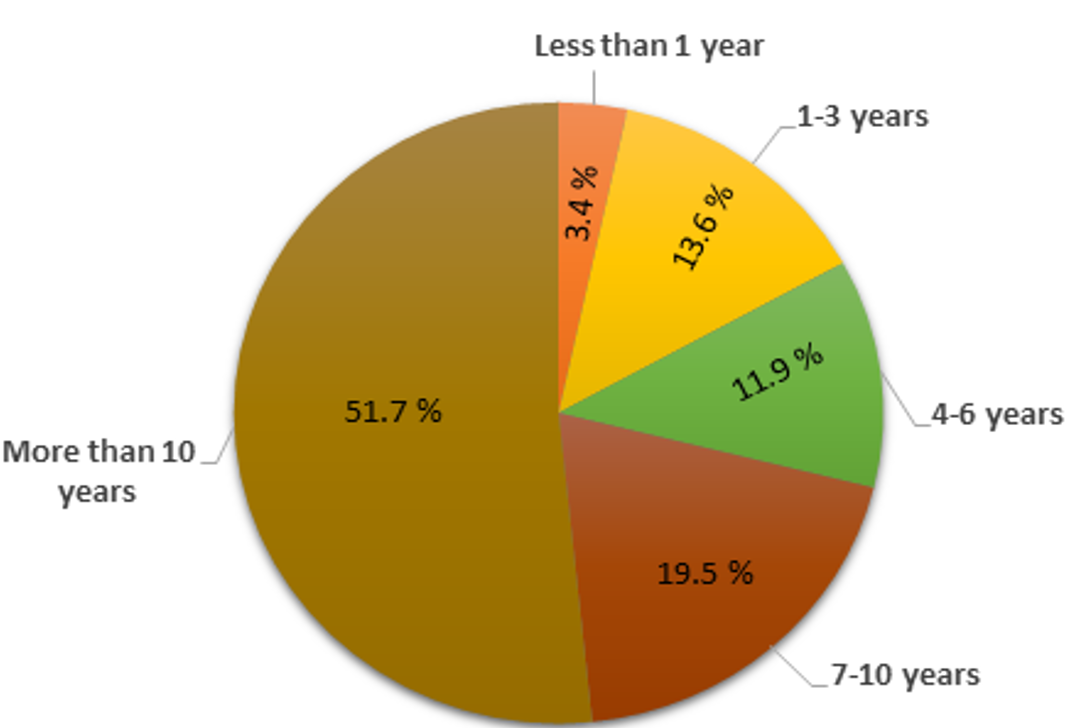
Effective maintenance strategies are critical for ensuring efficiency, reliability, and sustainability in the cement industry, where equipment downtime significantly affect productivity and costs. This study evaluates existing maintenance practices in Yemeni cement factories and proposes an optimized strategy using the Analytic Hierarchy Process (AHP). A mixed-methods design combined survey data from 118 professionals with case studies from three cement plants. The findings reveal a predominant reliance on Corrective Maintenance (CM) owing to technological and training limitations, while Preventive Maintenance (PM) is inconsistently applied. By contrast, predictive maintenance (PdM) and Proactive Maintenance (PrM), though demonstrably more effective, remain un-derutilized. The AHP model prioritizes key operational criteria—productivity, cost, reliability, and availability and identifies PrM as the highest ranked strategy because of its superior benefits in enhancing reliability and productivity. This research advocates for a phased transition toward PdM/PrM, recommending strategic investments in scalable technologies, such as Internet of Things (IoT)-enabled condition monitoring and Artificial Intelligence (AI)-driven analytics, alongside government-supported training initiatives. By adapting the AHP framework to a conflict-affected setting, this study provides a replicable blueprint for industries in fragile economies. Future research could expand the AHP model to include environmental and social criteria, apply it across other industrial sectors in Yemen, and conduct longitudinal studies to assess the long-term impact of the recommended strategies.
Keywords
How to Cite This Article
Hafed Al Nabhani, Khalil Al-Hatab (2025). Analyzing Maintenance Strategies and Development of a Model for Strategy Formulation – A Case Study of Cement Industry. Sana'a University Journal of Applied Sciences and Technology, 1387-1397. DOI: https://doi.org/10.59628/jast.v3i6.2171
Hafed Al Nabhani, Khalil Al-Hatab . “Analyzing Maintenance Strategies and Development of a Model for Strategy Formulation – A Case Study of Cement Industry.” Sana'a University Journal of Applied Sciences and Technology, 2025, pp. 1387-1397. https://doi.org/10.59628/jast.v3i6.2171. Accessed 6 Sep. 2026.
Hafed Al Nabhani, Khalil Al-Hatab . 2025. “Analyzing Maintenance Strategies and Development of a Model for Strategy Formulation – A Case Study of Cement Industry.” Sana'a University Journal of Applied Sciences and Technology : 1387-1397. DOI: https://doi.org/10.59628/jast.v3i6.2171
Hafed Al Nabhani, Khalil Al-Hatab (2025) ‘Analyzing Maintenance Strategies and Development of a Model for Strategy Formulation – A Case Study of Cement Industry’, Sana'a University Journal of Applied Sciences and Technology, pp. 1387-1397. doi: 10.59628/jast.v3i6.2171
@article{jast2025_art2171,
author = {Hafed Al Nabhani, Khalil Al-Hatab },
title = {Analyzing Maintenance Strategies and Development of a Model for Strategy Formulation – A Case Study of Cement Industry},
journal = {Sana'a University Journal of Applied Sciences and Technology}, year = {2025}, month = {December}, pages = {1387-1397}, doi = {10.59628/jast.v3i6.2171},
url = {https://doi.org/10.59628/jast.v3i6.2171},}
Transverse Instability of Relativistic Ion-Acoustic Solitons in a Magnetized Space Plasmas with Heavy Ions and Superthermal Pair Electrons
Abstract
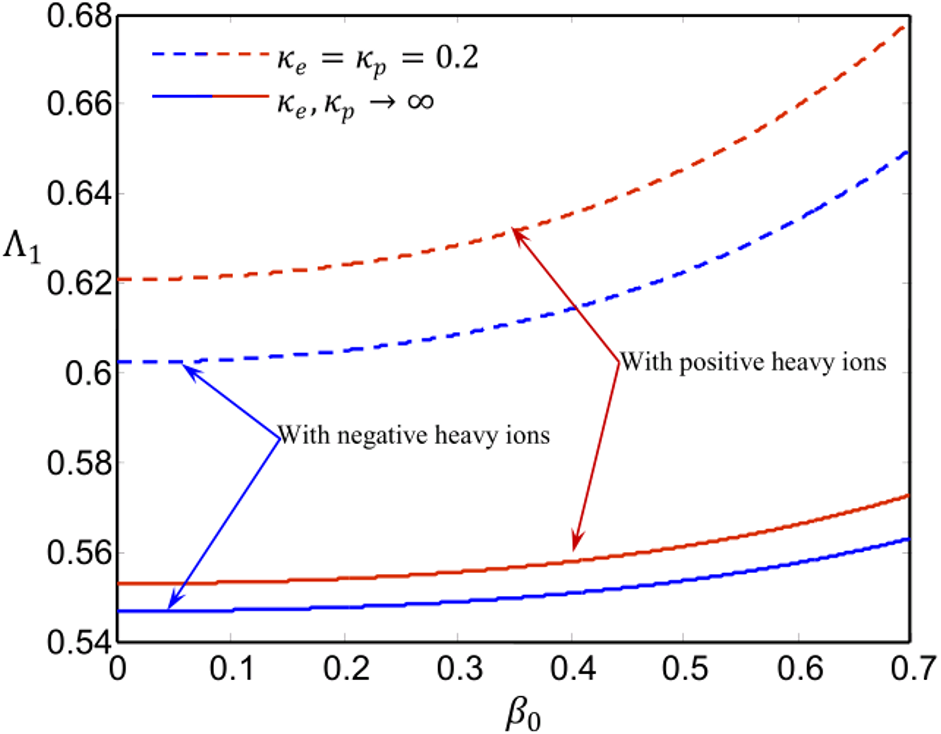
A two-dimensional Zakharov Kuznetsov (ZK) equation was derived for ion-acoustic (IA) solitons in magnetoplasmas with relativistic streaming warm ions, superthermal electrons and positrons, and stationary heavy ions (either positive or negative). The transverse instability of the IA solitons was investigated using the small- κ perturbation expansion method. The effects of plasma parameters such as the concentration of positive/negative heavy ions, relativistic streaming velocity of ions, superthermality of electrons and positrons, positron concentration, ion temperature, and magnetic field strength on the instability of IA solitons are investigated. These parameters have a significant effect on the instability growth rate. The results also indicate that the solitons tended to be stable in the plasma model containing negatively charged heavy ions. The findings of this work may provide valuable insights into the understanding of astrophysical systems, especially in the context of pulsar magnetospheres, solar wind, and Van Allen radiation belts, where relativistic ions and superthermal electron-positron coexist with heavy ions.
Keywords
How to Cite This Article
Hilal H. AL-Jawhari, Mahmood A. H. Khaled (2025). Transverse Instability of Relativistic Ion-Acoustic Solitons in a Magnetized Space Plasmas with Heavy Ions and Superthermal Pair Electrons. Sana'a University Journal of Applied Sciences and Technology, 1398-1407. DOI: https://doi.org/10.59628/jast.v3i6.1940
Hilal H. AL-Jawhari, Mahmood A. H. Khaled . “Transverse Instability of Relativistic Ion-Acoustic Solitons in a Magnetized Space Plasmas with Heavy Ions and Superthermal Pair Electrons.” Sana'a University Journal of Applied Sciences and Technology, 2025, pp. 1398-1407. https://doi.org/10.59628/jast.v3i6.1940. Accessed 6 Sep. 2026.
Hilal H. AL-Jawhari, Mahmood A. H. Khaled . 2025. “Transverse Instability of Relativistic Ion-Acoustic Solitons in a Magnetized Space Plasmas with Heavy Ions and Superthermal Pair Electrons.” Sana'a University Journal of Applied Sciences and Technology : 1398-1407. DOI: https://doi.org/10.59628/jast.v3i6.1940
Hilal H. AL-Jawhari, Mahmood A. H. Khaled (2025) ‘Transverse Instability of Relativistic Ion-Acoustic Solitons in a Magnetized Space Plasmas with Heavy Ions and Superthermal Pair Electrons’, Sana'a University Journal of Applied Sciences and Technology, pp. 1398-1407. doi: 10.59628/jast.v3i6.1940
@article{jast2025_art1940,
author = {Hilal H. AL-Jawhari, Mahmood A. H. Khaled },
title = {Transverse Instability of Relativistic Ion-Acoustic Solitons in a Magnetized Space Plasmas with Heavy Ions and Superthermal Pair Electrons},
journal = {Sana'a University Journal of Applied Sciences and Technology}, year = {2025}, month = {December}, pages = {1398-1407}, doi = {10.59628/jast.v3i6.1940},
url = {https://doi.org/10.59628/jast.v3i6.1940},}
Morphological and Optical Analysis of α − Al2O3 : Zn Nanoparticles
Abstract
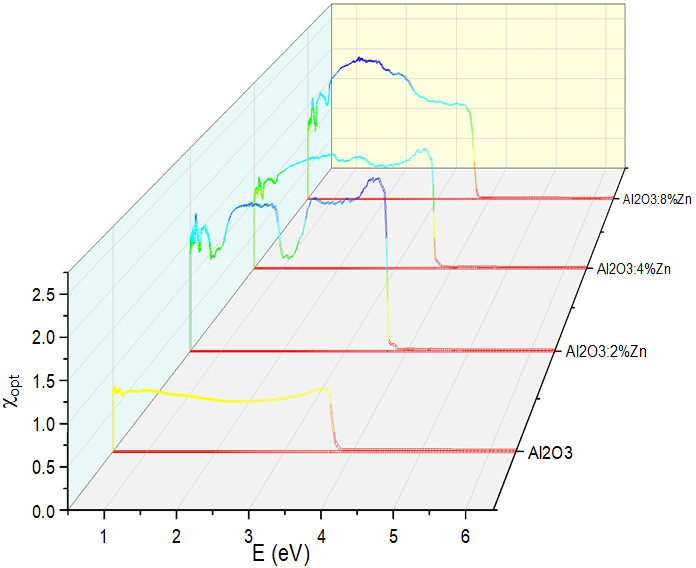
This study investigates the morphology and optical properties of prepared α-Al2O3:Zn nanoparticles by sol-gel method at room temperature. TEM image revealed hexagonal structure and the average particle size in the range (9.52-15.94 nm), and showed the particles distribution and area by histograms distribution. The Selected Area Electron Diffraction (SAED) illustrated the polycrystalline structure. XRD analysis confirmed hexagonal structure with a high crystalline and polycrystalline structure of α-Al2O3:Zn nanoparticles, the average crystallite size in the range (30.529- 24.057 nm). The optical study found that the energy gab of prepared α-Al2O3:Zn (0%, 2%, 4%, 8%) were (5.145, 4.86, 4.88, 4.95 eV), respectively. Furthermore, other optical parameters such as refractive index, extinction coefficient, and dielectric constant are studied.
Keywords
How to Cite This Article
Eman Mohammed Ali Nassar, A.H. AL-Hammadi, Yasser Hussein Issa Mohammed (2025). Morphological and Optical Analysis of α − Al2O3 : Zn Nanoparticles. Sana'a University Journal of Applied Sciences and Technology, 1408-1418. DOI: https://doi.org/10.59628/jast.v3i6.1876
Eman Mohammed Ali Nassar, A.H. AL-Hammadi, Yasser Hussein Issa Mohammed . “Morphological and Optical Analysis of α − Al2O3 : Zn Nanoparticles.” Sana'a University Journal of Applied Sciences and Technology, 2025, pp. 1408-1418. https://doi.org/10.59628/jast.v3i6.1876. Accessed 6 Sep. 2026.
Eman Mohammed Ali Nassar, A.H. AL-Hammadi, Yasser Hussein Issa Mohammed . 2025. “Morphological and Optical Analysis of α − Al2O3 : Zn Nanoparticles.” Sana'a University Journal of Applied Sciences and Technology : 1408-1418. DOI: https://doi.org/10.59628/jast.v3i6.1876
Eman Mohammed Ali Nassar, A.H. AL-Hammadi, Yasser Hussein Issa Mohammed (2025) ‘Morphological and Optical Analysis of α − Al2O3 : Zn Nanoparticles’, Sana'a University Journal of Applied Sciences and Technology, pp. 1408-1418. doi: 10.59628/jast.v3i6.1876
@article{jast2025_art1876,
author = {Eman Mohammed Ali Nassar, A.H. AL-Hammadi, Yasser Hussein Issa Mohammed },
title = {Morphological and Optical Analysis of α − Al2O3 : Zn Nanoparticles},
journal = {Sana'a University Journal of Applied Sciences and Technology}, year = {2025}, month = {December}, pages = {1408-1418}, doi = {10.59628/jast.v3i6.1876},
url = {https://doi.org/10.59628/jast.v3i6.1876},}
The Propagation properties of the average intensity evolution of Whittaker–Gaussian beams in oceanic turbulence
Abstract
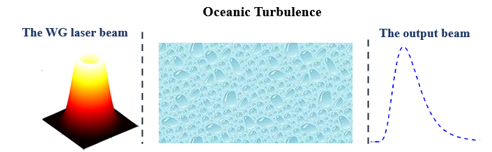
This study investigates the propagation behavior of a class of general circular light beams (CiBs), known as Whittaker–Gaussian beams (WGBs), as they traverse oceanic turbulence by employing the Rytov approximation and diffraction integral formalism. Based on the derived analytical expression, numerical simulations were per- formed to evaluate the impact of oceanic turbulence on the axial intensity distribution of these circular beams. The results indicate that the beam intensity profile is significantly influenced by variations in its initial parameters, namely, the beam waist and wavelength, as well as by key oceanic turbulence parameters, including the rate of mean-square temperature dissipation, balance between temperature and salinity fluctuations, and rate of turbulent kinetic energy dissipation per unit mass. These findings offer deeper insights that can support the development and optimization of optical systems used in underwater communication, remote sensing, and imaging applications.
Keywords
How to Cite This Article
N. Nossir, L. Dalil-Essakali, A. Belafhal (2025). The Propagation properties of the average intensity evolution of Whittaker–Gaussian beams in oceanic turbulence. Sana'a University Journal of Applied Sciences and Technology, 1419-1428. DOI: https://doi.org/10.59628/jast.v3i6.2334
N. Nossir, L. Dalil-Essakali, A. Belafhal . “The Propagation properties of the average intensity evolution of Whittaker–Gaussian beams in oceanic turbulence.” Sana'a University Journal of Applied Sciences and Technology, 2025, pp. 1419-1428. https://doi.org/10.59628/jast.v3i6.2334. Accessed 6 Sep. 2026.
N. Nossir, L. Dalil-Essakali, A. Belafhal . 2025. “The Propagation properties of the average intensity evolution of Whittaker–Gaussian beams in oceanic turbulence.” Sana'a University Journal of Applied Sciences and Technology : 1419-1428. DOI: https://doi.org/10.59628/jast.v3i6.2334
N. Nossir, L. Dalil-Essakali, A. Belafhal (2025) ‘The Propagation properties of the average intensity evolution of Whittaker–Gaussian beams in oceanic turbulence’, Sana'a University Journal of Applied Sciences and Technology, pp. 1419-1428. doi: 10.59628/jast.v3i6.2334
@article{jast2025_art2334,
author = {N. Nossir, L. Dalil-Essakali, A. Belafhal },
title = {The Propagation properties of the average intensity evolution of Whittaker–Gaussian beams in oceanic turbulence},
journal = {Sana'a University Journal of Applied Sciences and Technology}, year = {2025}, month = {December}, pages = {1419-1428}, doi = {10.59628/jast.v3i6.2334},
url = {https://doi.org/10.59628/jast.v3i6.2334},}
Systematic Review of Agile Development Methodologies: Practices, Benefits, Implementation Challenges, and Future Directions
Abstract
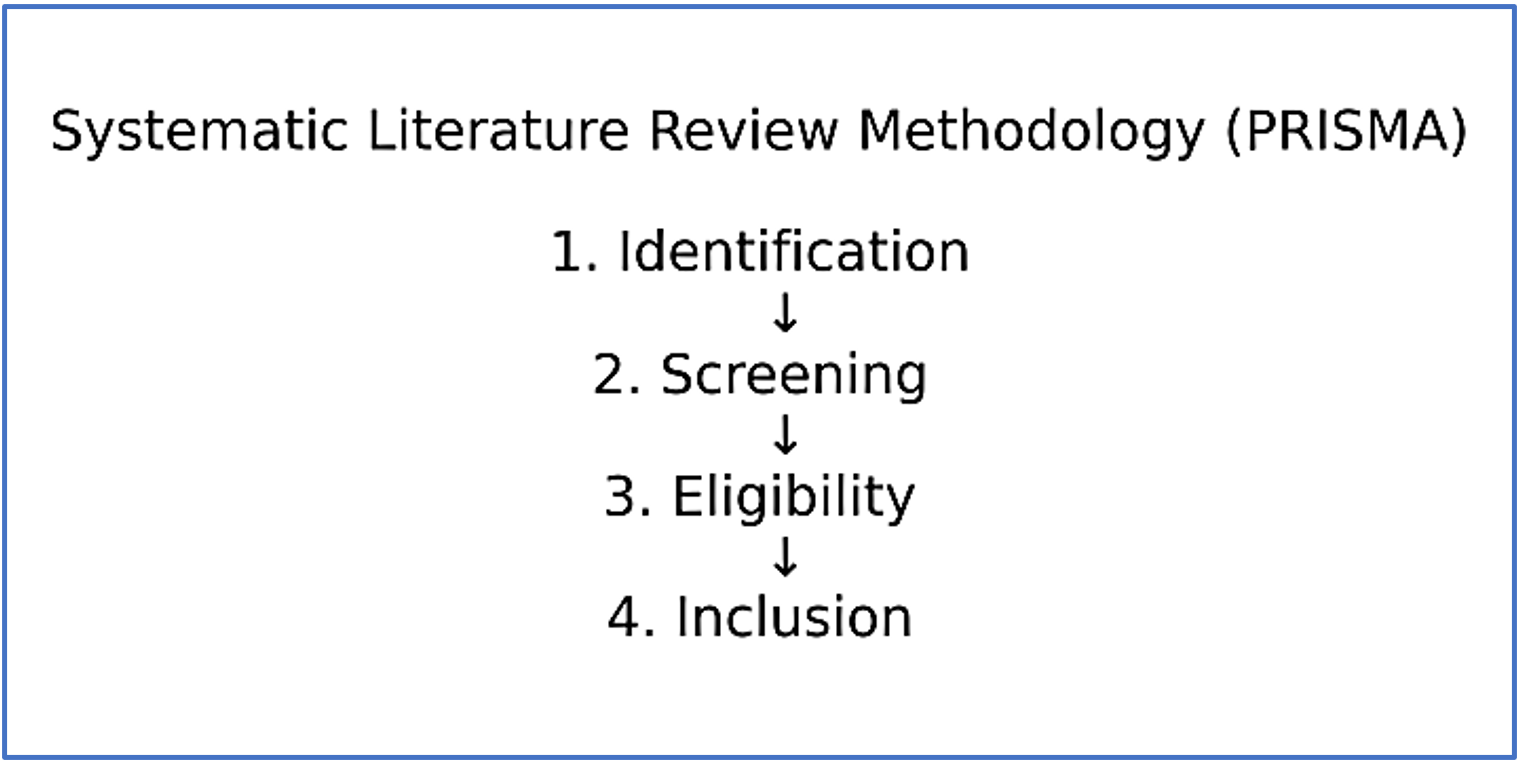
This systematic review synthesizes findings from 47 peer-reviewed studies to comprehensively assess the core practices, benefits, implementation challenges, and future directions of Agile software development methodologies. The review covers a wide range of frameworks, including Scrum, Kanban, Extreme Programming (XP), Lean, Crystal, DSDM, Feature-Driven Development (FDD), Agile Unified Process (AUP), and Behavior-Driven Development (BDD). Using thematic and comparative analysis, the study identifies recurring practices such as sprint planning, continuous integration, pair programming, WIP limits, and test-driven development, which significantly contribute to improved software quality and delivery efficiency. The results indicate that Agile methodologies consistently enhance team collaboration, stakeholder engagement, and adaptability to changing requirements, especially in dynamic environments. Case studies from sectors such as education, healthcare, government, and e-commerce further demonstrate the practical benefits and adaptability of these approaches. However, organizations face several persistent challenges, including cultural resistance, lack of skilled practitioners, stakeholder misalignment, and scalability limitations when applying Agile at scale. The review emphasizes the importance of context-aware methodology selection and customization, and highlights a growing shift towards hybrid models that combine Agile with traditional approaches to better address complex, high-risk, or regulated projects. Finally, the study identifies emerging trends such as Agile–DevOps integration, the application of Agile beyond software development, and the use of technology-driven collaboration and automation tools. These findings provide a practical foundation for practitioners and researchers seeking to optimize Agile adoption and sustain long term development success.
Keywords
How to Cite This Article
Rania Aleryani, Ayman Alsabry, Emad Alramada (2025). Systematic Review of Agile Development Methodologies: Practices, Benefits, Implementation Challenges, and Future Directions. Sana'a University Journal of Applied Sciences and Technology, 1429-1451. DOI: https://doi.org/10.59628/jast.v3i6.1912
Rania Aleryani, Ayman Alsabry, Emad Alramada . “Systematic Review of Agile Development Methodologies: Practices, Benefits, Implementation Challenges, and Future Directions.” Sana'a University Journal of Applied Sciences and Technology, 2025, pp. 1429-1451. https://doi.org/10.59628/jast.v3i6.1912. Accessed 6 Sep. 2026.
Rania Aleryani, Ayman Alsabry, Emad Alramada . 2025. “Systematic Review of Agile Development Methodologies: Practices, Benefits, Implementation Challenges, and Future Directions.” Sana'a University Journal of Applied Sciences and Technology : 1429-1451. DOI: https://doi.org/10.59628/jast.v3i6.1912
Rania Aleryani, Ayman Alsabry, Emad Alramada (2025) ‘Systematic Review of Agile Development Methodologies: Practices, Benefits, Implementation Challenges, and Future Directions’, Sana'a University Journal of Applied Sciences and Technology, pp. 1429-1451. doi: 10.59628/jast.v3i6.1912
@article{jast2025_art1912,
author = {Rania Aleryani, Ayman Alsabry, Emad Alramada },
title = {Systematic Review of Agile Development Methodologies: Practices, Benefits, Implementation Challenges, and Future Directions},
journal = {Sana'a University Journal of Applied Sciences and Technology}, year = {2025}, month = {December}, pages = {1429-1451}, doi = {10.59628/jast.v3i6.1912},
url = {https://doi.org/10.59628/jast.v3i6.1912},}
From Algorithms to Applications: A Review of AI-Based Face Recognition and Identity Verification
Abstract
Face recognition and identity verification are now critical components of current security and verification technology. The main objective of this review is to identify the most important deep learning techniques that have contributed to the improvement in the accuracy and reliability of facial recognition systems, as well as highlighting existing problems and potential future research areas. An extensive literature review was conducted with the assistance of leading scientific databases such as IEEE Xplore, ScienceDirect, and SpringerLink and covered studies from the period 2015 to 2024. The studies of interest were related to the application of deep neural networks, i.e., CNN, Siamese, and Transformer-based models, in face recognition and identity verification systems. Deep learning-based approaches have been shown through cross-sectional studies to improve recognition accuracy under diverse environmental and demographic conditions. Anti-counterfeiting (Anti-Spoofing) and real presence detection features integrated into systems have likewise enhanced system security against advanced attacks such as 3D masks, false images and videos, and Deepfake technology. Future trends point to the need to develop deep, multi-sensory and interpretable learning models, and adopt learning strategies based on limited data, while adhering to legal and ethical frameworks to ensure fairness and
transparency.
Keywords
How to Cite This Article
Rusul Hussein Hasan , Rasha Majid Hassoon, Inaam Salman Aboud (2025). From Algorithms to Applications: A Review of AI-Based Face Recognition and Identity Verification. Sana'a University Journal of Applied Sciences and Technology, 1452-1459. DOI: https://doi.org/10.59628/jast.v3i6.2286
Rusul Hussein Hasan , Rasha Majid Hassoon, Inaam Salman Aboud . “From Algorithms to Applications: A Review of AI-Based Face Recognition and Identity Verification.” Sana'a University Journal of Applied Sciences and Technology, 2025, pp. 1452-1459. https://doi.org/10.59628/jast.v3i6.2286. Accessed 6 Sep. 2026.
Rusul Hussein Hasan , Rasha Majid Hassoon, Inaam Salman Aboud . 2025. “From Algorithms to Applications: A Review of AI-Based Face Recognition and Identity Verification.” Sana'a University Journal of Applied Sciences and Technology : 1452-1459. DOI: https://doi.org/10.59628/jast.v3i6.2286
Rusul Hussein Hasan , Rasha Majid Hassoon, Inaam Salman Aboud (2025) ‘From Algorithms to Applications: A Review of AI-Based Face Recognition and Identity Verification’, Sana'a University Journal of Applied Sciences and Technology, pp. 1452-1459. doi: 10.59628/jast.v3i6.2286
@article{jast2025_art2286,
author = {Rusul Hussein Hasan , Rasha Majid Hassoon, Inaam Salman Aboud },
title = {From Algorithms to Applications: A Review of AI-Based Face Recognition and Identity Verification},
journal = {Sana'a University Journal of Applied Sciences and Technology}, year = {2025}, month = {December}, pages = {1452-1459}, doi = {10.59628/jast.v3i6.2286},
url = {https://doi.org/10.59628/jast.v3i6.2286},}
Phenotypic Detection and Antibiotic Susceptibility Pattern of Extended-Spectrum β-Lactamase-Producing Uropathogenic E. coli Isolated in Sana'a City, Yemen
Abstract
Background: Urinary tract infections pose a significant public health challenge in Yemen, exacerbated by the emergence of extended spectrum -lactamase-producing uropathogenic E. coli. This study aimed to determine the prevalence and antimicrobial susceptibility profile of extended-spectrum -lactamase-producing uropathogenic E. coli in Sana’a City.
Methods: A cross-sectional study collected 359 urine samples from two major hospitals in Sana’a. Uropathogenic E. coli isolates were identified using standard methods, and ESBL production was confirmed phenotypically using the double-disk synergy test. Antimicrobial susceptibility was determined via Kirby-Bauer disk diffusion
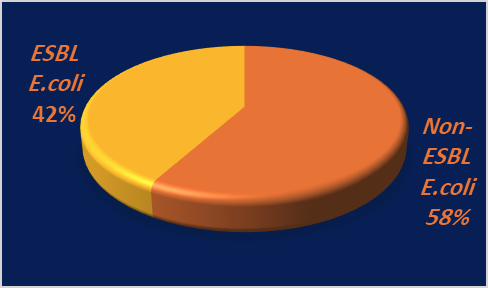
Results: Of the samples, 155 (43.1%) were positive for uropathogenic E. coli, with 41.9% (65/155) confirmed as ESBL producers. These isolates exhibited high resistance to ampicillin, cephalosporins, and fluoroquinolones. Amikacin and meropenem remained the most effective antibiotics. Extended-spectrum -lactamase-producing uropathogenic E. coli infections showed significant associations with comorbidities including diabetes, heart disease, and urinary tract deformities (p < 0.05).
Conclusion: The high prevalence of multidrug-resistant extended spectrum -lactamase-producing uropathogenic E. coli among Yemeni urinary tract infection in Sana’a city underscores the urgent need for routine susceptibility testing and antimicrobial stewardship programs to guide treatment and preserve effective antibiotics.
Keywords
How to Cite This Article
Ashwaq Ali Hezam Qasem Al-Arosi, Anas Ahmad Al-Mahbashi (2025). Phenotypic Detection and Antibiotic Susceptibility Pattern of Extended-Spectrum β-Lactamase-Producing Uropathogenic E. coli Isolated in Sana'a City, Yemen. Sana'a University Journal of Applied Sciences and Technology, 1460-1466. DOI: https://doi.org/10.59628/jast.v3i6.2096
Ashwaq Ali Hezam Qasem Al-Arosi, Anas Ahmad Al-Mahbashi . “Phenotypic Detection and Antibiotic Susceptibility Pattern of Extended-Spectrum β-Lactamase-Producing Uropathogenic E. coli Isolated in Sana'a City, Yemen.” Sana'a University Journal of Applied Sciences and Technology, 2025, pp. 1460-1466. https://doi.org/10.59628/jast.v3i6.2096. Accessed 6 Sep. 2026.
Ashwaq Ali Hezam Qasem Al-Arosi, Anas Ahmad Al-Mahbashi . 2025. “Phenotypic Detection and Antibiotic Susceptibility Pattern of Extended-Spectrum β-Lactamase-Producing Uropathogenic E. coli Isolated in Sana'a City, Yemen.” Sana'a University Journal of Applied Sciences and Technology : 1460-1466. DOI: https://doi.org/10.59628/jast.v3i6.2096
Ashwaq Ali Hezam Qasem Al-Arosi, Anas Ahmad Al-Mahbashi (2025) ‘Phenotypic Detection and Antibiotic Susceptibility Pattern of Extended-Spectrum β-Lactamase-Producing Uropathogenic E. coli Isolated in Sana'a City, Yemen’, Sana'a University Journal of Applied Sciences and Technology, pp. 1460-1466. doi: 10.59628/jast.v3i6.2096
@article{jast2025_art2096,
author = {Ashwaq Ali Hezam Qasem Al-Arosi, Anas Ahmad Al-Mahbashi },
title = {Phenotypic Detection and Antibiotic Susceptibility Pattern of Extended-Spectrum β-Lactamase-Producing Uropathogenic E. coli Isolated in Sana'a City, Yemen},
journal = {Sana'a University Journal of Applied Sciences and Technology}, year = {2025}, month = {December}, pages = {1460-1466}, doi = {10.59628/jast.v3i6.2096},
url = {https://doi.org/10.59628/jast.v3i6.2096},}
A Conceptual Blockchain Architecture for Dynamic Spectrum Access in 6G CR-IoT Networks: An Analytical Review
Abstract
Even though 6G networks will provide not just terabit-level throughput and sub-millisecond-level latency but also connect exponentially more devices, the explosive growth of IoT applications is fueling an unprecedented demand for wireless spectrum. Traditional, static allocation schemes can’t keep up with this scale and dynamism, leading to underuse and conflict. Most blockchain solutions for dynamic spectrum access lack robust security measures against emerging quantum-era threats and do not incorporate quantum-resistant cryptography, which is essential in future 6G environments. In this research article, we propose a five-layer conceptual blockchain architecture to enable DSA in 6G cognitive radio IoT networks, combining a permissioned PBFT blockchain with quantum secure cryptography (ECC and QKD), smart contracts, edge-computing nodes, and AI-driven spectrum intelligence, the architecture integrates trust management, quantum-safe cryptography, and intelligent decision-making to ensure reliable spectrum access in future 6G environments. The system model, layered architecture, and associated security and consensus mechanisms are presented. While implementation remains future work, this conceptual design offers a strong theoretical foundation for building robust, secure, and scalable spectrum management systems in next-generation wireless networks.
Keywords
How to Cite This Article
NASSMAH Y. AL-MATARI , AMMAR T. ZAHARY (2025). A Conceptual Blockchain Architecture for Dynamic Spectrum Access in 6G CR-IoT Networks: An Analytical Review. Sana'a University Journal of Applied Sciences and Technology, 1467-1480. DOI: https://doi.org/10.59628/jast.v3i6.1953
NASSMAH Y. AL-MATARI , AMMAR T. ZAHARY . “A Conceptual Blockchain Architecture for Dynamic Spectrum Access in 6G CR-IoT Networks: An Analytical Review.” Sana'a University Journal of Applied Sciences and Technology, 2025, pp. 1467-1480. https://doi.org/10.59628/jast.v3i6.1953. Accessed 6 Sep. 2026.
NASSMAH Y. AL-MATARI , AMMAR T. ZAHARY . 2025. “A Conceptual Blockchain Architecture for Dynamic Spectrum Access in 6G CR-IoT Networks: An Analytical Review.” Sana'a University Journal of Applied Sciences and Technology : 1467-1480. DOI: https://doi.org/10.59628/jast.v3i6.1953
NASSMAH Y. AL-MATARI , AMMAR T. ZAHARY (2025) ‘A Conceptual Blockchain Architecture for Dynamic Spectrum Access in 6G CR-IoT Networks: An Analytical Review’, Sana'a University Journal of Applied Sciences and Technology, pp. 1467-1480. doi: 10.59628/jast.v3i6.1953
@article{jast2025_art1953,
author = {NASSMAH Y. AL-MATARI , AMMAR T. ZAHARY },
title = {A Conceptual Blockchain Architecture for Dynamic Spectrum Access in 6G CR-IoT Networks: An Analytical Review},
journal = {Sana'a University Journal of Applied Sciences and Technology}, year = {2025}, month = {December}, pages = {1467-1480}, doi = {10.59628/jast.v3i6.1953},
url = {https://doi.org/10.59628/jast.v3i6.1953},}