Computer Science

Items 22
Showing 00 of 0
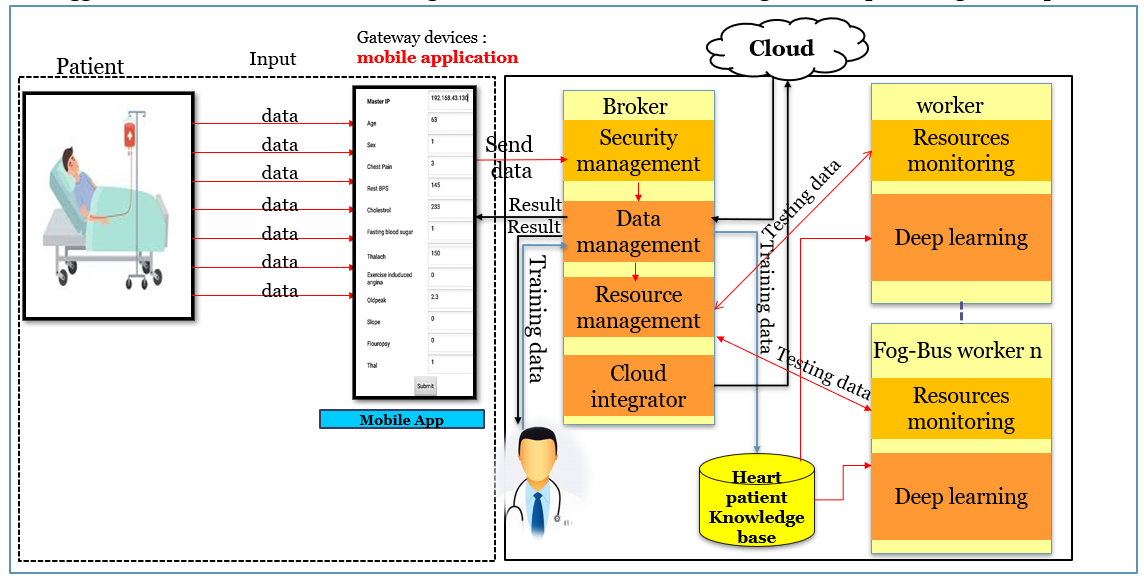
  • Research Model

    A Promising Smart Healthcare Monitoring Model based on Internet of Things and Deep Learning Techniques

    DOI: 10.59628/jast.v2i2.811
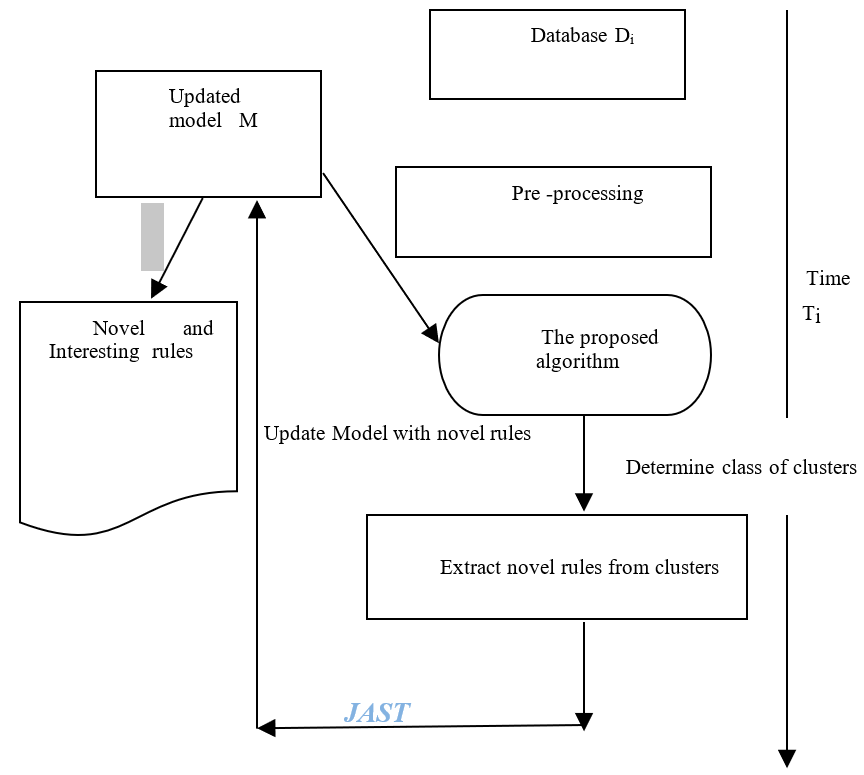
  • General Architecture of the proposed approach

    A Proposed Incremental Distance Based Clustering of Interesting Patterns for Big Data

    DOI: 10.59628/jast.v4i4.2271
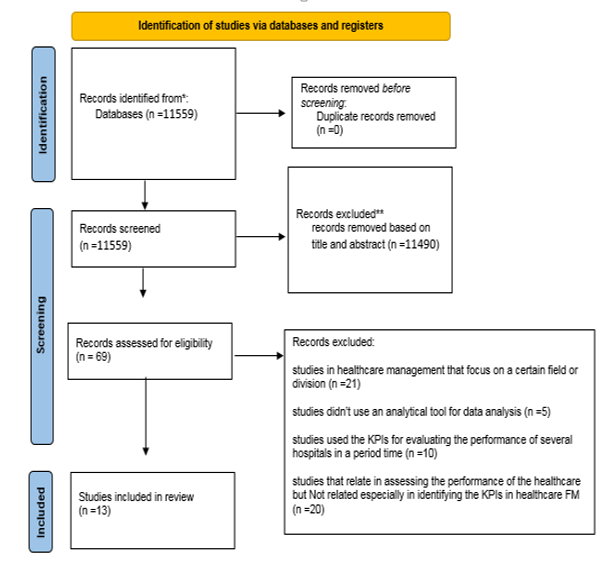
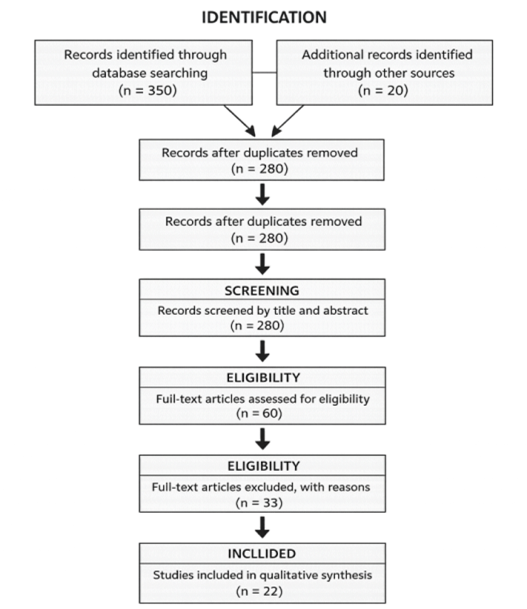
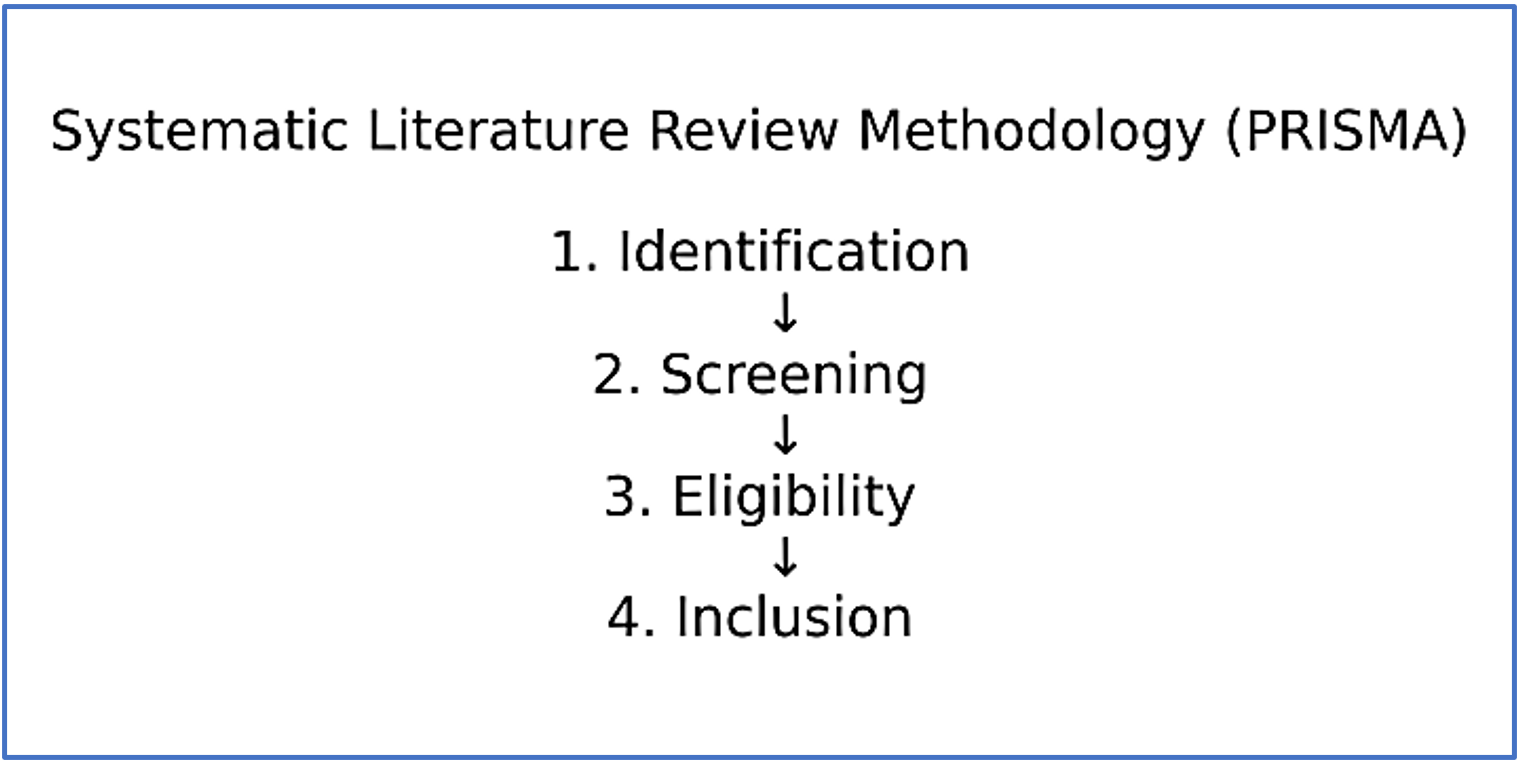
  • PRISMA 2020 flow diagram for new system review which included a search of the database.

    A A Systematic Review and Meta-Analysis on the Most Useful Key Performance Indicators in Measuring and Evaluating Healthcare Performance

    DOI: 10.59628/jast.v2i3.1019
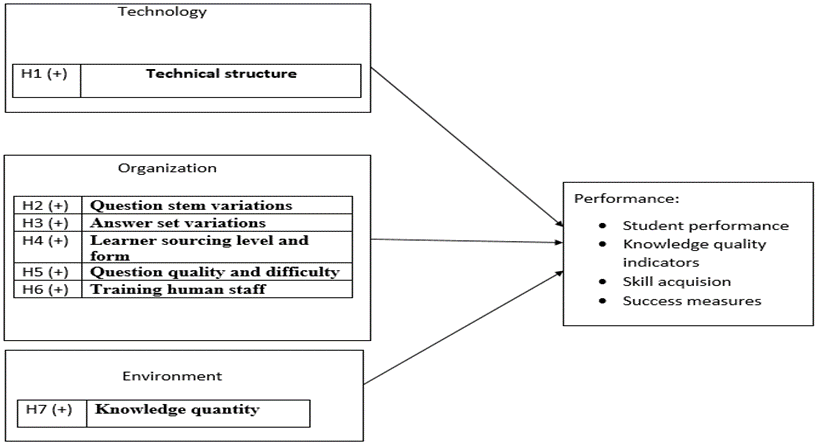
  • Conceptual Model Based on the TOE Model

    A Technology Adoption Framework for Digitally Transforming Automated Examination Systems in Resource-Limited Environments: Evidence from Yemeni Schools

    DOI: 10.59628/jast.v4i3.2611
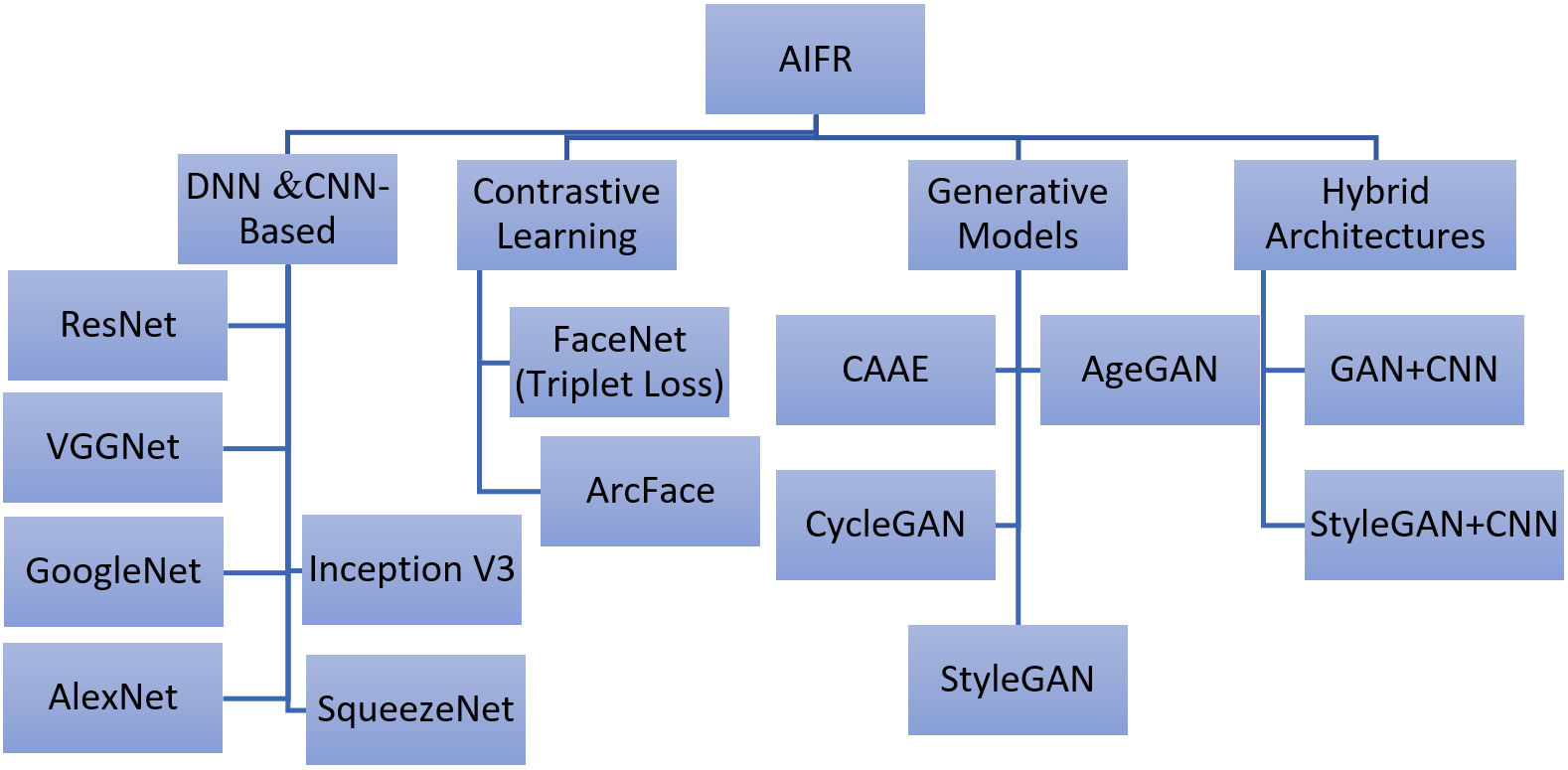
  • Taxonomy of Age-Invariant Face Recognition (AIFR) Technique

    Advanced Techniques in Age-Invariant Face Recognition: A Survey

    DOI: 10.59628/jast.v3i4.1729
  • Sana'a University Journal of Applied Sciences and Technology

    An Overview and Impact Analysis of AI Tools in Academic Research, Learning, and Educational Performance

    DOI: 10.59628/jast.v4i2.1921
  • Analysis Of Mining Algorithms for Patterns of Frequent Item sets and Hidden

    DOI: 10.59628/jast.v1i4.663
  • System architecture

    Annotation of Inchoative and Predicate in Arabic Nominal Sentence

    DOI: 10.59628/jast.v3i5.1468
  • Big Data Formation, Reduction, and Its Impact on Sampling: A survey

    DOI: 10.59628/jast.v3i1.1516
  • Comparative Analysis and Evaluation of Stemming and Preprocessing Techniques for Arabic Text

    DOI: 10.59628/jast.v1i4.588
  • snapshot from the WHO dashboard highlighting the state of nutrition in Yemen after applying DHIS2, December 2022 [16]

    Conceptual Readiness for DHIS2 Adoption in Yemen’s NCD Program: SWOT, PESTEL.

    DOI: 10.59628/jast.v4i6.2796
  • Architecture of the Proposed Model

    Deep Convolutional Neural Networks for Fingerprint Classification

    DOI: 10.59628/jast.v3i5.1831
  • PRISMA flow diagram depicting the study selection process.

    Deep Learning Approaches for Masked Face Recognition: A Survey of Research During (2020-2024)

    DOI: 10.59628/jast.v4i5.2643
  • Developing a Model for Offline Signature Verification Using CNN Architectures and Genetic Algorithm

    DOI: 10.59628/jast.v1i3.314
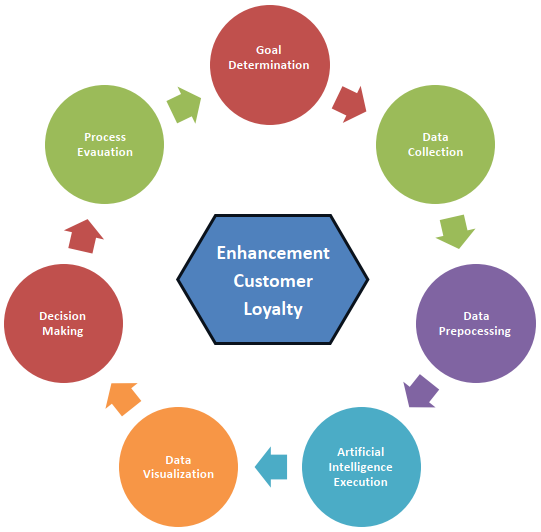
  • The Proposed Model

    Enhancement Customer Loyalty Via Data Mining Techniques in Yemeni Banks: Review Study

    DOI: 10.59628/jast.v2i4.1059
  • Fake News Detection On Social Media:Review of Literature

    DOI: 10.59628/jast.v2i1.369
  •  Methodology

    From Algorithms to Applications: A Review of AI-Based Face Recognition and Identity Verification

    DOI: 10.59628/jast.v3i6.2286
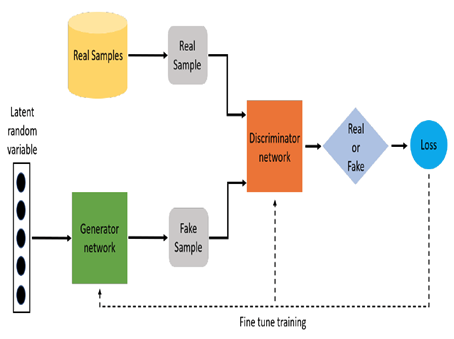
  • GAN Basic Architecture

    Generative Adversarial Networks for Visual Content: A Comprehensive Review of Image and Video Synthesis, Challenges, and Ethical Implications

    DOI: 10.59628/jast.v4i1.2100
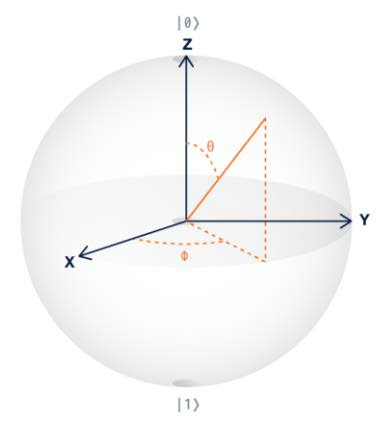
  • The Bloch Sphere visually represents a qubit, with the axes labeled asX, Y, and Z. The state |0⟩ is located at the top of the sphere, while |1⟩ is at the bottom. The solid orange vector illustrates the position of the qubit on the sphere’s surface. The angle |ϕ⟩ reflects a state of superposition, indicating that the qubit’s value lies between |0⟩ and |1⟩. Meanwhile, the angle |ϕ⟩ signifies rotation around the Z axis, representing the qubit’s phase.

    Investigating Quantum Entanglement by Using IBM’s Quantum Information Science Kit (QISKit)

    DOI: 10.59628/jast.v2i6.1328
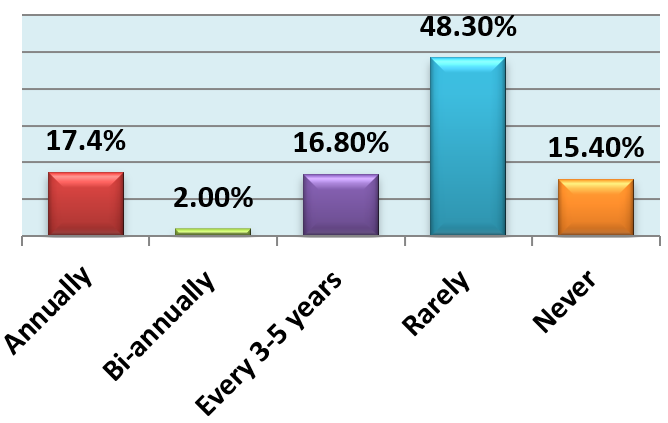
  • shows how often telecommunications organizations review and update their sustainability policies and practices

    Leveraging Contemporary Project Management Techniques and Technology for Sustainable Telecommunications Advancement in Yemen

    DOI: 10.59628/jast.v2i5.1214
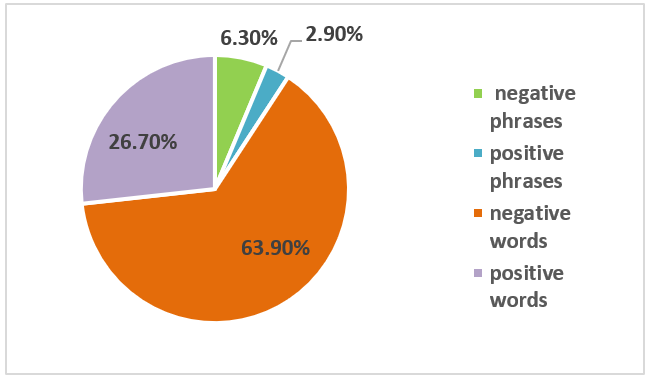
  •  The percentage of lexicon word /phrase

    Lexicon-Based Approach in Sentiment Analysis of Yemeni Dialect for Social Media Network

    DOI: 10.59628/jast.v2i5.1058
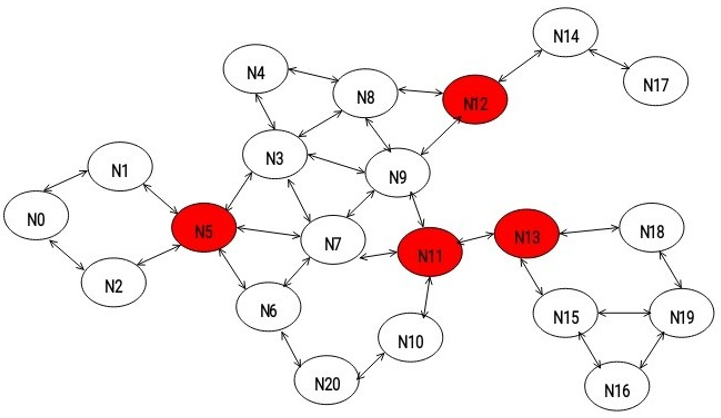
  • The problem of disjointing MANET network’s topol- ogy into sub networks

    Survey: State-of-the-Art Energy-Consumption Optimization Solutions for Mobile Ad-Hoc Networks

    DOI: 10.59628/jast.v2i3.925