

This study focused on one traditional herb used in Yemen, Caralluma deflersiana. The antioxidant activity of the extracts was examined using the bipyridine-ferric reducing antioxidant capacity assay, as well as the antibacterial activity against S. aureus, P. aeruginosa, E. coli, and C. albicans microbial strains using the agar diffusion method. The highest antioxidant activity was observed for the ethyl acetate extract. 370 µg ASA/mg ascorbic equivalent µg ASA/mg (p< 0.05). Acetone and chloroform extracts showed decreased activity and 340 and 305 ascorbic equivalents µg ASA/mg, respectively. The three extracts inhibited the growth of the three bacterial and one fungal species, with MIC values ranging from 55.0- 80.7 µg/ml. The selected extracts may be developed to explore new pharmacological possibilities for their application.
Bushra M. al-attab, Maher A. Almaqtari, Ahmed Yahya Mubarak (2024). Antioxidant and antimicrobial of three extracts of Caralluma deflersiana Laver. Sana'a University Journal of Applied Sciences and Technology, 154-157. DOI: https://doi.org/10.59628/jast.v2i2.862
Bushra M. al-attab, Maher A. Almaqtari, Ahmed Yahya Mubarak . “Antioxidant and antimicrobial of three extracts of Caralluma deflersiana Laver.” Sana'a University Journal of Applied Sciences and Technology, 2024, pp. 154-157. https://doi.org/10.59628/jast.v2i2.862. Accessed 30 Oct. 2026.
Bushra M. al-attab, Maher A. Almaqtari, Ahmed Yahya Mubarak . 2024. “Antioxidant and antimicrobial of three extracts of Caralluma deflersiana Laver.” Sana'a University Journal of Applied Sciences and Technology : 154-157. DOI: https://doi.org/10.59628/jast.v2i2.862
Bushra M. al-attab, Maher A. Almaqtari, Ahmed Yahya Mubarak (2024) ‘Antioxidant and antimicrobial of three extracts of Caralluma deflersiana Laver’, Sana'a University Journal of Applied Sciences and Technology, pp. 154-157. doi: 10.59628/jast.v2i2.862
@article{jast2024_art862,
    author  = {Bushra M. al-attab, Maher A. Almaqtari, Ahmed Yahya Mubarak },
    title   = {Antioxidant and antimicrobial of three extracts of Caralluma deflersiana Laver},
    journal = {Sana'a University Journal of Applied Sciences and Technology},    year    = {2024},    month   = {May},    pages   = {154-157},    doi     = {10.59628/jast.v2i2.862},
    url     = {https://doi.org/10.59628/jast.v2i2.862},}
Antioxidant and antimicrobial of three extracts of Caralluma deflersiana Laver
Khat chewing has spread widely among women in Yemeni society. This modifiable lifestyle may increase the level of inflammatory markers and advanced glycation end productions (AGE, s). Limited data are available. There is limited data on the impact of khat chewing on inflammatory markers and AGE, s. Therefore, this project aimed to study the effect of khat chewing on inflammatory markers and AGE, s in Yemeni females. One hundred and eighty Yemeni females signed the consent form and donated blood 60 of them were non-khat chewers (control group), and 120 were daily khat chewers. The levels of high-sensitivity C-Reactive Protein (hs-CRP) and interleukin were higher in khat chewers than in non-Khat chewers. There were no differences in total white blood cells, neutrophils, and lymphocytes between khat chewer and non-Khat chewer females. The levels of (AGEs) were similar between khat chewers and non-khat chewers females (P=0.612). Analysis of covariantcet (ANCOVA) showed that khat chewing increased hs-CRP and interleukin-6 levels among khat chewers (p < 0.005; p < 0.034) compared to non-khat chewer. In conclusion, khat chewing increased hs-CRP, a cardiovascular risk prediction factor, and interleukin-6, which is associated with obesity, insulin resistance, and type 2 diabetes mellitus (T2DM). Therefore, women with continuous khat chewing are at a high risk of developing cardiovascular diseases and T2DM.
Maher Ali Al-Maqtari, Mona Abdullah Al-Tahami, Dheya A. Hameed, Riyadh Saif Ali (2024). Impact of Khat (Catha edulis) Chewing on Inflammatory Markers and Advanced Glycation End Products among Yemeni Women. Sana'a University Journal of Applied Sciences and Technology, 96 - 102. DOI: https://doi.org/10.59628/jast.v2i1.817
Maher Ali Al-Maqtari, Mona Abdullah Al-Tahami, Dheya A. Hameed, Riyadh Saif Ali . “Impact of Khat (Catha edulis) Chewing on Inflammatory Markers and Advanced Glycation End Products among Yemeni Women.” Sana'a University Journal of Applied Sciences and Technology, 2024, pp. 96 - 102. https://doi.org/10.59628/jast.v2i1.817. Accessed 30 Oct. 2026.
Maher Ali Al-Maqtari, Mona Abdullah Al-Tahami, Dheya A. Hameed, Riyadh Saif Ali . 2024. “Impact of Khat (Catha edulis) Chewing on Inflammatory Markers and Advanced Glycation End Products among Yemeni Women.” Sana'a University Journal of Applied Sciences and Technology : 96 - 102. DOI: https://doi.org/10.59628/jast.v2i1.817
Maher Ali Al-Maqtari, Mona Abdullah Al-Tahami, Dheya A. Hameed, Riyadh Saif Ali (2024) ‘Impact of Khat (Catha edulis) Chewing on Inflammatory Markers and Advanced Glycation End Products among Yemeni Women’, Sana'a University Journal of Applied Sciences and Technology, pp. 96 - 102. doi: 10.59628/jast.v2i1.817
@article{jast2024_art817,
    author  = {Maher Ali Al-Maqtari, Mona Abdullah Al-Tahami, Dheya A. Hameed, Riyadh Saif Ali },
    title   = {Impact of Khat (Catha edulis) Chewing on Inflammatory Markers and Advanced Glycation End Products among Yemeni Women},
    journal = {Sana'a University Journal of Applied Sciences and Technology},    year    = {2024},    month   = {February},    pages   = {96 - 102},    doi     = {10.59628/jast.v2i1.817},
    url     = {https://doi.org/10.59628/jast.v2i1.817},}
Impact of Khat (Catha edulis) Chewing on Inflammatory Markers and Advanced Glycation End Products among Yemeni Women

Punica granatum (Pomegranate) is a valuable source of secondary plant metabolism compounds (SMs) that are widely used in the pharmaceutical, cosmetics, and food industries. The phytochemical screening illustrates that the Sa’dah P. granatum cultivar peel ethanol extract containsvarious beneficial components, including Flavonoids, Alkaloids, Steroids, Phenols, and Tannins. Moreover, the Sa’dah P. granatum cultivar peel ethanol extract (1.3 μg/ml) exhibited significant antioxidant activity compared to low concentrations of ascorbic acid (0.4, 0.6, 0.8, and 1 μg/ml). Furthermore, the Sa’dah P. granatum cultivar peel ethanol extract displays potent antibacterial activities against selected pathogenic bacteria (Staphylococcus aureus, Escherichia coli, and Pseudomonas aeruginosa) compared to two nominated antibiotics (Ampicillin and Gentamicin). This remarkable performance can be attributed to the presence of phenols and flavonoid compounds, which exhibit high antioxidant activity.
Naji A. Almasehali , Hassan M. Ibrahim, Fares A. Alarbagi , Amani A. AlGaadbi, Khlood A. A. H. Almakhzoum, Maher A. Almaqtari (2024). Phytochemical Screening and Biological Activity (Antioxidant and Antibacterial) of Punica granatum Fruit peel extract Cultivated in Sa'dah Governorate-Yemen . Sana'a University Journal of Applied Sciences and Technology, 333-338. DOI: https://doi.org/10.59628/jast.v2i4.1117
Naji A. Almasehali , Hassan M. Ibrahim, Fares A. Alarbagi , Amani A. AlGaadbi, Khlood A. A. H. Almakhzoum, Maher A. Almaqtari . “Phytochemical Screening and Biological Activity (Antioxidant and Antibacterial) of Punica granatum Fruit peel extract Cultivated in Sa'dah Governorate-Yemen .” Sana'a University Journal of Applied Sciences and Technology, 2024, pp. 333-338. https://doi.org/10.59628/jast.v2i4.1117. Accessed 30 Oct. 2026.
Naji A. Almasehali , Hassan M. Ibrahim, Fares A. Alarbagi , Amani A. AlGaadbi, Khlood A. A. H. Almakhzoum, Maher A. Almaqtari . 2024. “Phytochemical Screening and Biological Activity (Antioxidant and Antibacterial) of Punica granatum Fruit peel extract Cultivated in Sa'dah Governorate-Yemen .” Sana'a University Journal of Applied Sciences and Technology : 333-338. DOI: https://doi.org/10.59628/jast.v2i4.1117
Naji A. Almasehali , Hassan M. Ibrahim, Fares A. Alarbagi , Amani A. AlGaadbi, Khlood A. A. H. Almakhzoum, Maher A. Almaqtari (2024) ‘Phytochemical Screening and Biological Activity (Antioxidant and Antibacterial) of Punica granatum Fruit peel extract Cultivated in Sa'dah Governorate-Yemen ’, Sana'a University Journal of Applied Sciences and Technology, pp. 333-338. doi: 10.59628/jast.v2i4.1117
@article{jast2024_art1117,
    author  = {Naji A. Almasehali , Hassan M. Ibrahim, Fares A. Alarbagi , Amani A. AlGaadbi, Khlood A. A. H. Almakhzoum, Maher A. Almaqtari },
    title   = {Phytochemical Screening and Biological Activity (Antioxidant and Antibacterial) of Punica granatum Fruit peel extract Cultivated in Sa'dah Governorate-Yemen },
    journal = {Sana'a University Journal of Applied Sciences and Technology},    year    = {2024},    month   = {September},    pages   = {333-338},    doi     = {10.59628/jast.v2i4.1117},
    url     = {https://doi.org/10.59628/jast.v2i4.1117},}
Phytochemical Screening and Biological Activity (Antioxidant and Antibacterial) of Punica granatum Fruit peel extract Cultivated in Sa'dah Governorate-Yemen
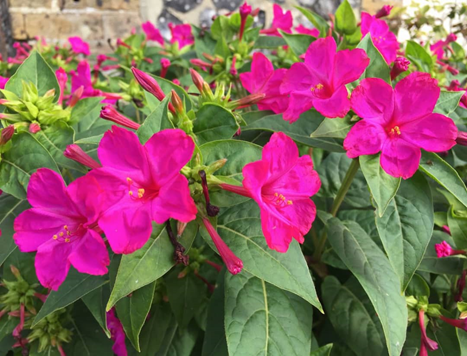
The phytochemical content, antioxidant capacity, and antimicrobial efficacy of leaf extracts from two forms of Mirabilis jalapa (M. jalapa) - red and yellow flowered- were investigated. Using the cold maceration method with 70% methanol, the presence of alkaloids, flavonoids, carbohydrate, protein, amino acid, phenol, tannins, saponins, , and steroids was confirmed. Fourier-transform infrared (FT-IR) spectrum analysis detected hydroxyl groups (OH), aromatic and aliphatic C-H bonds, aromatic C=C bonds, carbonyl group (C=O), amines (-C-N), and C-O group in both forms red and yellow leaves of M. jalapa.
The antioxidant activity assessed using the1,1-Diphenyl-2-picrylhydrazyl (DPPH) radical scavenging method showed higher free radical scavenging activities for the red -flowered leaves compared to the yellow-flowered ones at different concentrations. Four human pathogenic microorganisms; Staphylococcus aureus(S. aureus), Escherichia coli(E. coli), Pseudomonas aeruginosa(P. aeruginosa), and Candida albicans(C. albicans) were evaluated for antimicrobial activity by agar well diffusion method.The red-flowered form exhibited higher activity against the tested pathogens compared to the yellow form, likely due to its higher content of phenols and flavonoids in the methanol extracts. The minimum inhibitory concentration (MIC) was found to be 0.195 mg/ml against S. aureus and 0.049 mg/ml against E. coli and P. aeruginosa; for both forms, it was 0.025 mg/ml against C. albicans.
Amani A.M. Al-Gaadbi, Mutea A.S. Almoharrmy, Bushra .M. Alattab, Hassan M. Ibrahim, Maher A. Almaqtari, Fatma M. Al-Jawfi (2025). Phytochemical Screening, Antioxidant and Antimicrobial Activities of red and yellow flowered Mirabilis jalapa. Sana'a University Journal of Applied Sciences and Technology, 587-596. DOI: https://doi.org/10.59628/jast.v3i1.1437
Amani A.M. Al-Gaadbi, Mutea A.S. Almoharrmy, Bushra .M. Alattab, Hassan M. Ibrahim, Maher A. Almaqtari, Fatma M. Al-Jawfi . “Phytochemical Screening, Antioxidant and Antimicrobial Activities of red and yellow flowered Mirabilis jalapa.” Sana'a University Journal of Applied Sciences and Technology, 2025, pp. 587-596. https://doi.org/10.59628/jast.v3i1.1437. Accessed 30 Oct. 2026.
Amani A.M. Al-Gaadbi, Mutea A.S. Almoharrmy, Bushra .M. Alattab, Hassan M. Ibrahim, Maher A. Almaqtari, Fatma M. Al-Jawfi . 2025. “Phytochemical Screening, Antioxidant and Antimicrobial Activities of red and yellow flowered Mirabilis jalapa.” Sana'a University Journal of Applied Sciences and Technology : 587-596. DOI: https://doi.org/10.59628/jast.v3i1.1437
Amani A.M. Al-Gaadbi, Mutea A.S. Almoharrmy, Bushra .M. Alattab, Hassan M. Ibrahim, Maher A. Almaqtari, Fatma M. Al-Jawfi (2025) ‘Phytochemical Screening, Antioxidant and Antimicrobial Activities of red and yellow flowered Mirabilis jalapa’, Sana'a University Journal of Applied Sciences and Technology, pp. 587-596. doi: 10.59628/jast.v3i1.1437
@article{jast2025_art1437,
    author  = {Amani A.M. Al-Gaadbi, Mutea  A.S. Almoharrmy, Bushra .M. Alattab, Hassan M. Ibrahim, Maher A. Almaqtari, Fatma  M. Al-Jawfi },
    title   = {Phytochemical Screening, Antioxidant and Antimicrobial Activities of red and yellow flowered Mirabilis jalapa},
    journal = {Sana'a University Journal of Applied Sciences and Technology},    year    = {2025},    month   = {February},    pages   = {587-596},    doi     = {10.59628/jast.v3i1.1437},
    url     = {https://doi.org/10.59628/jast.v3i1.1437},}
Phytochemical Screening, Antioxidant and Antimicrobial Activities of red and yellow flowered Mirabilis jalapa
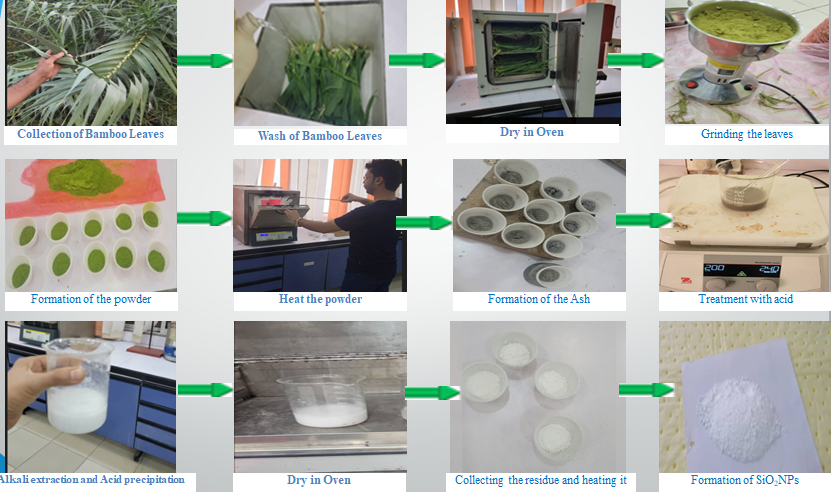
This study illustrates the low-cost, eco-friendly synthesis of silica nanoparticles using local bamboo leaves collected in August 2024 from the Aqqan Valley in the Al-Masimir District of Lahij Governorate, Yemen. Nanosilica powder synthesis by precipitation method is generated subsequent to thermal treatment of BLA at 750°C followed by characterization using advanced characterization techniques. The absorption peaks close to λmax = 240 nm in the UV spectrum showed silica nanoparticles, which were observed using UV-Vis spectroscopy. The presence of a siloxane group (Si-O-Si) in the experimental FT-IR spectral data indicated the high purity of the nanosilica particles. The prepared silica showed a high purity of 97.82% using XRF. The particle size determined by transmission electron microscopy (TEM) was found to be between 10.79 nm and 22.73 nm with minor agglomerations. Analysis of the nanosilica by X-ray diffraction (XRD) confirmed an amorphous structure with a
peak intensity at 2θ=23°.
Fursan Thabet A. Saleh, Sadeq H. Azzam, Amani A. Al-Gaadbi, Bushra M. Alattab, Saad A. Al-Arnoot, Hussein M.A. Al-Maydama, Maher Ali Almaqtari (2025). Synthesis and characteristics of Silica nanoparticles (SiO2NPs) from Bamboo Leaves Ash by precipitation method. Sana'a University Journal of Applied Sciences and Technology, 949-953. DOI: https://doi.org/10.59628/jast.v3i4.1792
Fursan Thabet A. Saleh, Sadeq H. Azzam, Amani A. Al-Gaadbi, Bushra M. Alattab, Saad A. Al-Arnoot, Hussein M.A. Al-Maydama, Maher Ali Almaqtari . “Synthesis and characteristics of Silica nanoparticles (SiO2NPs) from Bamboo Leaves Ash by precipitation method.” Sana'a University Journal of Applied Sciences and Technology, 2025, pp. 949-953. https://doi.org/10.59628/jast.v3i4.1792. Accessed 30 Oct. 2026.
Fursan Thabet A. Saleh, Sadeq H. Azzam, Amani A. Al-Gaadbi, Bushra M. Alattab, Saad A. Al-Arnoot, Hussein M.A. Al-Maydama, Maher Ali Almaqtari . 2025. “Synthesis and characteristics of Silica nanoparticles (SiO2NPs) from Bamboo Leaves Ash by precipitation method.” Sana'a University Journal of Applied Sciences and Technology : 949-953. DOI: https://doi.org/10.59628/jast.v3i4.1792
Fursan Thabet A. Saleh, Sadeq H. Azzam, Amani A. Al-Gaadbi, Bushra M. Alattab, Saad A. Al-Arnoot, Hussein M.A. Al-Maydama, Maher Ali Almaqtari (2025) ‘Synthesis and characteristics of Silica nanoparticles (SiO2NPs) from Bamboo Leaves Ash by precipitation method’, Sana'a University Journal of Applied Sciences and Technology, pp. 949-953. doi: 10.59628/jast.v3i4.1792
@article{jast2025_art1792,
    author  = {Fursan Thabet A.  Saleh, Sadeq H. Azzam, Amani A. Al-Gaadbi, Bushra M. Alattab, Saad A. Al-Arnoot, Hussein M.A. Al-Maydama, Maher Ali  Almaqtari },
    title   = {Synthesis and characteristics of Silica nanoparticles (SiO2NPs) from Bamboo Leaves Ash by precipitation method},
    journal = {Sana'a University Journal of Applied Sciences and Technology},    year    = {2025},    month   = {August},    pages   = {949-953},    doi     = {10.59628/jast.v3i4.1792},
    url     = {https://doi.org/10.59628/jast.v3i4.1792},}
Synthesis and characteristics of Silica nanoparticles (SiO2NPs) from Bamboo Leaves Ash by precipitation method
Nothing has been published in this category yet.

Sana'a University Journal
of Applied Sciences and Technology
A peer-reviewed, open-access journal publishing high-quality research in applied sciences, engineering, and technology since 2023.
