الزراعة والهندسة الزراعية

Traditionally, to promote growth and prevent disease, the poultry industry has relied on antibiotics. The extensive use of these drugs has resulted in the appearance of antibiotic-resistant bacteria, which cause a serious health threat. Consequently, probiotics (live beneficial microorganisms) have become progressively vital as a sustainable and actual alternative. Generally, probiotics support intestinal health, stimulate the immune system, and advance nutrient absorption. In fact, probiotics have many benefits, unlike the risks related to the use of antibiotics. Probiotics play an important role in reducing the disease incidence through endorsing a balanced
inhibiting the pathogenic bacteria colonization, and intestinal flora. Previous scientific studies have shown that probiotic strains like Lactobacillus and Bacillus can considerably enhance the feed efficiency, growth, and overall health of poultry. Overall, probiotics represent a promising approach for attracting poultry production by promoting food safety and sustainable agricultural applications, due to increasing support from the agricultural sector and consumer need for antibiotic-free poultry production.
Kawther Hkeem Ibrahem (المؤلف) (2026). Probiotics as an Alternative to Antibiotics in Poultry. مجلة جامعة صنعاء للعلوم التطبيقية والتكنولوجيا, 1781-1786. DOI: https://doi.org/10.59628/jast.v4i2.2245
Kawther Hkeem Ibrahem (المؤلف). “ Probiotics as an Alternative to Antibiotics in Poultry.” مجلة جامعة صنعاء للعلوم التطبيقية والتكنولوجيا, 2026, pp. 1781-1786. https://doi.org/10.59628/jast.v4i2.2245. Accessed 31 أكتوبر. 2026.
Kawther Hkeem Ibrahem (المؤلف). 2026. “ Probiotics as an Alternative to Antibiotics in Poultry.” مجلة جامعة صنعاء للعلوم التطبيقية والتكنولوجيا : 1781-1786. DOI: https://doi.org/10.59628/jast.v4i2.2245
Kawther Hkeem Ibrahem (المؤلف) (2026) ‘ Probiotics as an Alternative to Antibiotics in Poultry’, مجلة جامعة صنعاء للعلوم التطبيقية والتكنولوجيا, pp. 1781-1786. doi: 10.59628/jast.v4i2.2245
@article{jast2026_art2245,
    author  = {Kawther Hkeem Ibrahem (المؤلف)},
    title   = { Probiotics as an Alternative to Antibiotics in Poultry},
    journal = {مجلة جامعة صنعاء للعلوم التطبيقية والتكنولوجيا},    year    = {2026},    month   = {فبراير},    pages   = {1781-1786},    doi     = {10.59628/jast.v4i2.2245},
    url     = {https://doi.org/10.59628/jast.v4i2.2245},}
Probiotics as an Alternative to Antibiotics in Poultry

تم تنفيذ البحث خلال عامي 2023-2024م في مختبر المؤسسة التشاركية للدراسات والبحوث والنشر وكلية الزراعة والأغذية والبيئة جامعة صنعاء، في بيئة متحكم فيها، وبهدف دراسة مدى إمكانية إيجاد تباينات وراثية في صنف من البن اليمني باستخدام المواد المطفرة. استخدم في هذه الدراسة بذور صنف محلي "عديني"، في تصميم تجريبي عشوائي كامل في أربع معاملات هي الشاهد، نقع البذور بمحلول ازيد الصوديوم بتركيز 0.1 مولار، معاملة البذور بمستخلص بذور نبات الحرمل بتركيز 150جرام/لتر، وغمس جذور بادرات البن بعد الانبات بمستخلص الحرمل، وجميع نباتات هذه المعاملة الرابعة ماتت خلال الأسابيع الأولى من غمس جذور البادرات في مستخلص الحرمل مما يوشر الى أهمية استخدام تراكيز وفترات تغميس اقل. النتائج بينت ان استخدام المواد الكيميائية المطفرة كان لها دور في احداث تغيرات معنوية في سرعة ونسبة انبات البذور، وفي طول البادرات وعدد وطول الجذور،والتحليل لمنحنيات التكرارات أوضحت تأثر توزيع التكرارات للمجموعة النباتية الطبيعية بشكل واضح في المعاملات بالمواد المطفرة مقارنة بالمجموعة الطبيعية للشاهد بالنسبة لمجموع الصفات. وفي المرحلة الثالثة سجلت التحويرات المظهرية التي ظهرت على الأوراق الفلقية وعلى الأوراق الحقيقية النامية على العقدة الأولى، وقد تم تمييز سبعة اشكال من التحويرات تمثلت في التغاير في الأوراق الفلقية وفي الأوراق الحقيقية. النتائج المشجعة هذه تشير بوضوح الى امكانية استخدام الطفرات كإدة لتوسيع التباين الوراثي في البن اليمني.
بثينة عثمان عبد الله باحويرث، امين عبده سفيان الحكيمي، محاسن المنيباري (المؤلف) (2026). استحثاث الطفرات في صنف من البن اليمني باستخدام ازيد الصوديوم ومستخلص بذور نبات الحرمل . مجلة جامعة صنعاء للعلوم التطبيقية والتكنولوجيا, 1977-1997. DOI: https://doi.org/10.59628/jast.v4i4.2538
بثينة عثمان عبد الله باحويرث، امين عبده سفيان الحكيمي، محاسن المنيباري (المؤلف). “استحثاث الطفرات في صنف من البن اليمني باستخدام ازيد الصوديوم ومستخلص بذور نبات الحرمل .” مجلة جامعة صنعاء للعلوم التطبيقية والتكنولوجيا, 2026, pp. 1977-1997. https://doi.org/10.59628/jast.v4i4.2538. Accessed 31 أكتوبر. 2026.
بثينة عثمان عبد الله باحويرث، امين عبده سفيان الحكيمي، محاسن المنيباري (المؤلف). 2026. “استحثاث الطفرات في صنف من البن اليمني باستخدام ازيد الصوديوم ومستخلص بذور نبات الحرمل .” مجلة جامعة صنعاء للعلوم التطبيقية والتكنولوجيا : 1977-1997. DOI: https://doi.org/10.59628/jast.v4i4.2538
بثينة عثمان عبد الله باحويرث، امين عبده سفيان الحكيمي، محاسن المنيباري (المؤلف) (2026) ‘استحثاث الطفرات في صنف من البن اليمني باستخدام ازيد الصوديوم ومستخلص بذور نبات الحرمل ’, مجلة جامعة صنعاء للعلوم التطبيقية والتكنولوجيا, pp. 1977-1997. doi: 10.59628/jast.v4i4.2538
@article{jast2026_art2538,
    author  = {بثينة عثمان عبد الله باحويرث، امين عبده سفيان الحكيمي، محاسن المنيباري (المؤلف)},
    title   = {استحثاث الطفرات في صنف من البن اليمني باستخدام ازيد الصوديوم ومستخلص بذور نبات الحرمل },
    journal = {مجلة جامعة صنعاء للعلوم التطبيقية والتكنولوجيا},    year    = {2026},    month   = {أبريل},    pages   = {1977-1997},    doi     = {10.59628/jast.v4i4.2538},
    url     = {https://doi.org/10.59628/jast.v4i4.2538},}
استحثاث الطفرات في صنف من البن اليمني باستخدام ازيد الصوديوم ومستخلص بذور نبات الحرمل
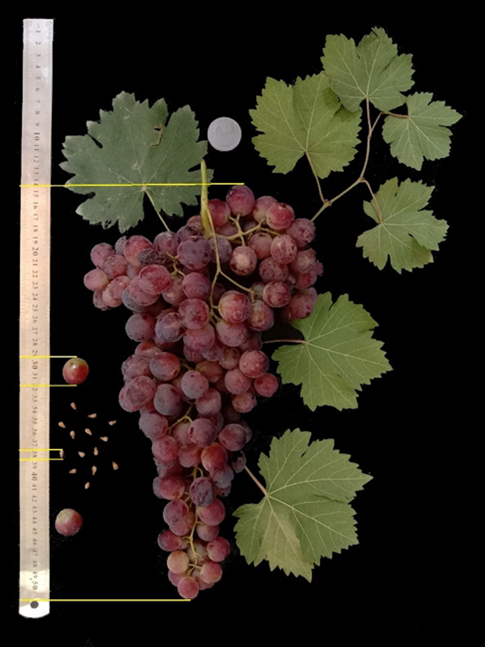
The study was conducted to characterize the morphological traits of A’asmi Cultivar of Yemeni grape (Vitis vinifera L.) in the Bani Hashish district during the 2021 and 2022 seasons, based on OIV, UPOV, and IPGRI standards. The aim was to establish a database documenting the morphological characteristics and certain chemical properties of the Cultivar, to support breeding programs, preserve genetic diversity, and enhance agricultural productivity amid environmental challenges. The study involved 10 fruiting vines from a farm in the village of Bayt al-Nukhif, Wadi al-Sir, where 105 traits were measured, encompassing young and mature shoots, leaves, flowers, clusters, berries, and seeds, in addition to the evaluation of selected chemical properties such as soluble sugars, acidity, pH, and vitamin C using standardized methodologies. The results revealed a notable coherence in the morphological traits of the Cultivar. The young shoot was characterized by an open and fully developed apex before the node, indicating vigorous vegetative growth and an ability to adapt to warm seasons, while a weak expression of anthocyanins on the pubescence suggested a potential genetic limitation in expressing this pigment and its effect on the plant’s response to environmental stresses. The mature shoot exhibited a nearly vertical growth pattern with a balanced color distribution on its sides and a reduced pubescence density, which may improve ventilation and reduce the risk of fungal diseases. The leaves maintained stability in terms of shape, size, and number of lobes, with a balanced pigment distribution that reflects an equilibrium between genetic and environmental factors to enhance photosynthetic efficiency and nutrient transport. At the cluster and berry level, productive traits were manifested through a loose distribution of berries and a long conical shape, along with an increase in berry number and stability in dimensional ratios and weight. The seeds showed dimensional stability with variations in biomass accumulation, reflecting the influence of environmental factors. Furthermore, the hermaphroditic floral structure contributed to both self- and cross-pollination, thereby enhancing genetic diversity. Overall, the study comprehensively documented and evaluated the morphological and chemical performance of the A’asmi Cultivar under changing environmental conditions.
Taiseer M. Al-Sanhani، Hasan A. Aldobai (المؤلف) (2025). Ampelographic Characterization of the A’asmi Cultivar of Yemeni Grape (Vitis vinifera L.). مجلة جامعة صنعاء للعلوم التطبيقية والتكنولوجيا, 819-847. DOI: https://doi.org/10.59628/jast.v3i3.1628
Taiseer M. Al-Sanhani، Hasan A. Aldobai (المؤلف). “Ampelographic Characterization of the A’asmi Cultivar of Yemeni Grape (Vitis vinifera L.).” مجلة جامعة صنعاء للعلوم التطبيقية والتكنولوجيا, 2025, pp. 819-847. https://doi.org/10.59628/jast.v3i3.1628. Accessed 31 أكتوبر. 2026.
Taiseer M. Al-Sanhani، Hasan A. Aldobai (المؤلف). 2025. “Ampelographic Characterization of the A’asmi Cultivar of Yemeni Grape (Vitis vinifera L.).” مجلة جامعة صنعاء للعلوم التطبيقية والتكنولوجيا : 819-847. DOI: https://doi.org/10.59628/jast.v3i3.1628
Taiseer M. Al-Sanhani، Hasan A. Aldobai (المؤلف) (2025) ‘Ampelographic Characterization of the A’asmi Cultivar of Yemeni Grape (Vitis vinifera L.)’, مجلة جامعة صنعاء للعلوم التطبيقية والتكنولوجيا, pp. 819-847. doi: 10.59628/jast.v3i3.1628
@article{jast2025_art1628,
    author  = {Taiseer M. Al-Sanhani، Hasan A. Aldobai (المؤلف)},
    title   = {Ampelographic Characterization of the A’asmi Cultivar of Yemeni Grape (Vitis vinifera L.)},
    journal = {مجلة جامعة صنعاء للعلوم التطبيقية والتكنولوجيا},    year    = {2025},    month   = {يونيو},    pages   = {819-847},    doi     = {10.59628/jast.v3i3.1628},
    url     = {https://doi.org/10.59628/jast.v3i3.1628},}
Ampelographic Characterization of the A’asmi Cultivar of Yemeni Grape (Vitis vinifera L.)
The study aimed to analyze the impact of climate change on water requirements and productivity of improved Arabic wheat in the Sana'a Basin, by conducting field experiments for two agricultural seasons (2023-2024 AD) on the farm of the Faculty of Agriculture, Sana'a University. It included three irrigation treatments: (full irrigation (I1), 75% deficit irrigation (I2), and 50% deficit irrigation (I3) of the full irrigation) using a randomized complete block design. The Aqua Crop model was used for modeling, calibrated with data from the first agricultural season of 2023 and validated with data from the second agricultural season of 2024. The model was validated using three global climate models: CNRM-CM5, GFDL-ESM2M, and EARTH-EC, and two gas emission scenarios: Rcp4.5 and Rcp8.5, for each model, and at an increased and constant CO2 concentration (350 ppm). The study revealed that irrigation treatment (I2) achieved the highest water productivity (WPET) values during the two seasons, ranging from 0.72 to 0.69 tons/m³, respectively. Its water permeability (WPI) ranged from 0.74 to 0.72 tons/m³, respectively. The correlation coefficient (R²) showed high agreement between the calculated and predicted values for grain productivity and biomass for the two seasons, ranging from 99.93 to 100. and (99, 95%) (%), respectively. The grain productivity values for the two seasons were higher in irrigation treatment (I1), ranging between (2.27, 2.52) (tons/ha), respectively, compared to irrigation treatments (I2) and (I3), which ranged between (2.15, 1.95), (1.0, 1.02) (tons/ha), respectively, at a significance level of (0.05). Climate changes recorded an increase in maximum temperatures by 2.47°C for the RCP8.5 scenario and the period 2040–2059, according to the EC-Earth model. Meanwhile, rainfall recorded a decrease of 16.18 mm in the RCP8.5 scenario for the same period and the GFDL-ESM2M model, compared to the reference (historical) period (2005 , 1986) With increased CO₂, irrigation treatment (I1) achieved the highest grain productivity value. (3.24) (tons/ha) according to the RCP8.5 scenario for the period (2020-2039), while under constant CO₂, the lowest value was recorded for irrigation treatment (I3) (0.82) (tons/ha) according to the RCP4.5 scenario for the same period . The highest actual evapotranspiration values were recorded for treatment (I1) at (384.60) (mm) according to the RCP8.5 scenario for the period (2020-2039) under constant CO₂. The lowest values were recorded for treatment (I3) under increasing CO₂, at (266.0 (mm) according to the RCP8.5 scenario for the period (2039-2020 ) The study showed that the experimental site will witness an increase in the productivity of the improved Arabic wheat crop, and assuming an increase in carbon dioxide concentration, this contributes to increased crop productivity.
Hassan Mutahhar Amer، Abdullah Mohammad Yaya، Adel Mohammad Al-Weshali (المؤلف) (2025). بحث Assessing the Impact of Climate Change on Water Requirements and Productivity of Improved Arabic wheat crops in the Sana'a Basin. مجلة جامعة صنعاء للعلوم التطبيقية والتكنولوجيا, 1358-1377. DOI: https://doi.org/10.59628/jast.v3i6.2129
Hassan Mutahhar Amer، Abdullah Mohammad Yaya، Adel Mohammad Al-Weshali (المؤلف). “بحث Assessing the Impact of Climate Change on Water Requirements and Productivity of Improved Arabic wheat crops in the Sana'a Basin.” مجلة جامعة صنعاء للعلوم التطبيقية والتكنولوجيا, 2025, pp. 1358-1377. https://doi.org/10.59628/jast.v3i6.2129. Accessed 31 أكتوبر. 2026.
Hassan Mutahhar Amer، Abdullah Mohammad Yaya، Adel Mohammad Al-Weshali (المؤلف). 2025. “بحث Assessing the Impact of Climate Change on Water Requirements and Productivity of Improved Arabic wheat crops in the Sana'a Basin.” مجلة جامعة صنعاء للعلوم التطبيقية والتكنولوجيا : 1358-1377. DOI: https://doi.org/10.59628/jast.v3i6.2129
Hassan Mutahhar Amer، Abdullah Mohammad Yaya، Adel Mohammad Al-Weshali (المؤلف) (2025) ‘بحث Assessing the Impact of Climate Change on Water Requirements and Productivity of Improved Arabic wheat crops in the Sana'a Basin’, مجلة جامعة صنعاء للعلوم التطبيقية والتكنولوجيا, pp. 1358-1377. doi: 10.59628/jast.v3i6.2129
@article{jast2025_art2129,
    author  = {Hassan Mutahhar Amer، Abdullah Mohammad Yaya، Adel Mohammad Al-Weshali (المؤلف)},
    title   = {بحث Assessing the Impact of Climate Change on Water Requirements and Productivity of Improved Arabic wheat crops in the Sana'a Basin},
    journal = {مجلة جامعة صنعاء للعلوم التطبيقية والتكنولوجيا},    year    = {2025},    month   = {ديسمبر},    pages   = {1358-1377},    doi     = {10.59628/jast.v3i6.2129},
    url     = {https://doi.org/10.59628/jast.v3i6.2129},}
بحث Assessing the Impact of Climate Change on Water Requirements and Productivity of Improved Arabic wheat crops in the Sana'a Basin
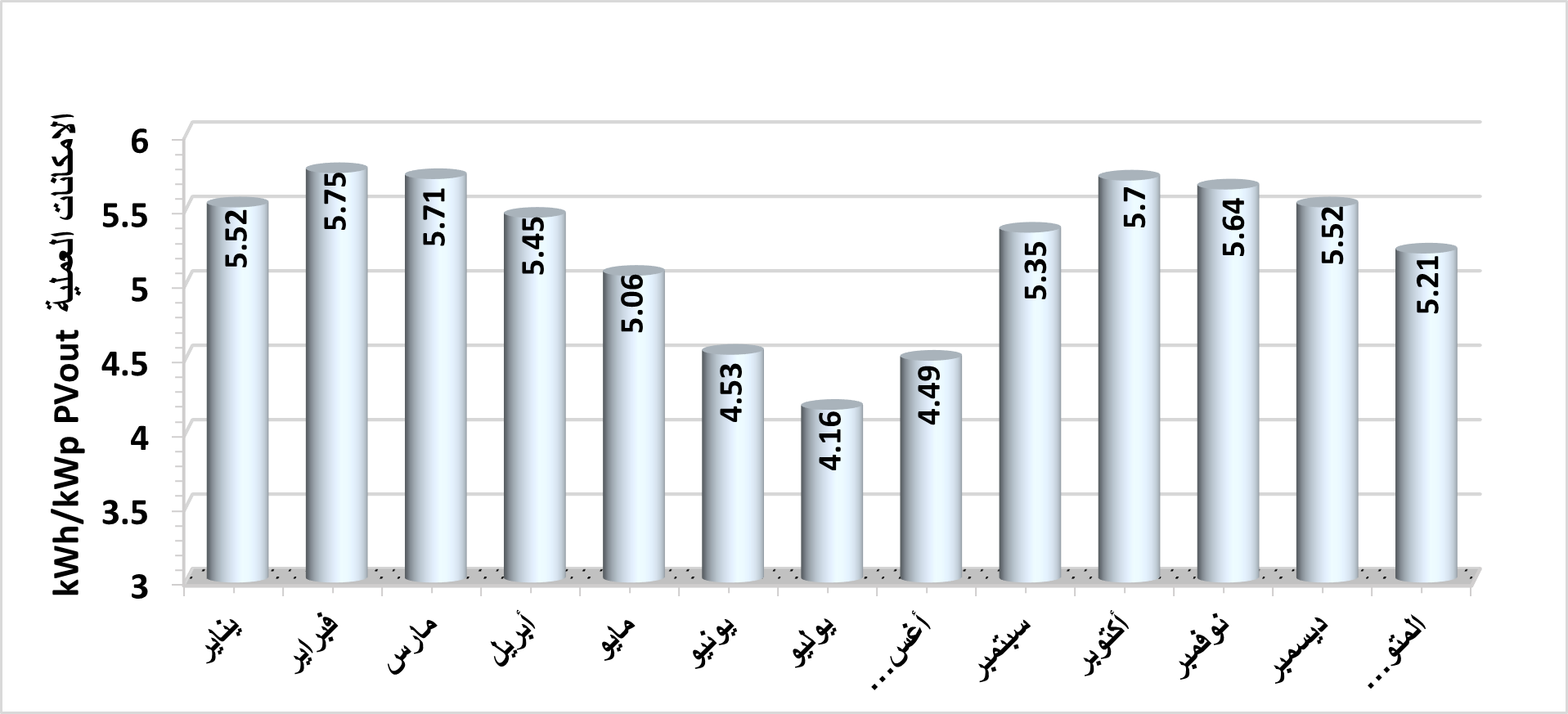
يتناول هذا البحث تقييماً شاملاً للإمكانات النظرية والعملية للطاقة الشمسية في الجمهورية اليمنية، بالاعتماد على بيانات الأقمار الصناعية الصادرة عن منصة "سولار جيس" (SolarGIS) المتاحة عبر "أطلس الطاقة الشمسية العالمي". تم تحليل عدة مؤشرات رئيسية، شملت الإشعاع الشمسي المباشر (DNI)، الإشعاع المنتشر (DIF)، الإشعاع الأفقي الشامل (GHI)، والإشعاع على السطح المائل بالإمالة المثلى (GTI)، إلى جانب عوامل مساعدة مثل زاوية الميل المثلى، درجة حرارة الهواء، والارتفاع عن مستوى سطح البحر. أظهرت نتائج الإشعاع الشمسي الأفقي (GHI) أن القيم تراوحت بين 5.46 و6.88 كيلوواط ساعي لكل متر مربع يوميًا، حيث تمتلك 7.62% من مساحة اليمن أعلى إمكانات نظرية (6.8–7.05)، بينما تمتلك 47.27% إمكانات عالية جداً (6.6–6.8). أما الإشعاع المباشر (DNI)، فقد بلغ أقصاه 7.29 وأدناه 3.76، مع تميّز 1.45% من المساحة بأعلى الإمكانات عالميًا (7.2–7.75)، و15.38% ضمن فئة مرتفعة. (6.7–7.2) وفيما يخص الإشعاع المنتشر (DIF)، تراوحت القيم بين 1.83 و2.76، حيث تقع 38.5% من المساحة ضمن الفئة (2.1–2.2). أما الإشعاع المائل (GTI)، فقد بلغ أعلى قيمة 7.27 وأدناها 5.66، مع 13.64% من المساحة ضمن فئة عالية (7.1–7.3). وفيما يتعلق بالإمكانات الكهروضوئية العملية (PVOUT)، بينت النتائج أن 2.35% من المساحة تمتلك أعلى كفاءة إنتاج (5.6–5.9 كيلوواط ساعي لكل كيلوواط مثبت يوميًا)، و24.41% ضمن فئة عالية جداً (5.4–5.6)، بينما لا تقل الإمكانات في 90.09% من المساحة عن 5. وفقًا لمستويات التقييم الثلاثة (0، 1، 2)، بلغت المساحات 455,112 كم²، 235,748 كم²، و219,364 كم² على التوالي، ما يعادل 86.2%، 44.65%، و41.54% من إجمالي مساحة اليمن. بينما غطّت المناطق ذات الإمكانات الأعلى من 5.6 نحو 1.7–2% من المساحة، وبلغت المساحة التي تفوق الإمكانات فيها المتوسط الوطني (5.2) حوالي 152,007 كم². تؤكد هذه النتائج توفر موارد شمسية واعدة في اليمن، ما يعزز إمكانية الاعتماد على الطاقة الشمسية كخيار استراتيجي مستدام لإنتاج الكهرباء وتحقيق التنمية.
Adel M. Al-Weshali، Abdullah M. Yaya (المؤلف) (2026). Assessment of the Potential Photovoltaic Power in Yemen Using Satellite Data and GIS. مجلة جامعة صنعاء للعلوم التطبيقية والتكنولوجيا, 1528-1544. DOI: https://doi.org/10.59628/jast.v4i1.2155
Adel M. Al-Weshali، Abdullah M. Yaya (المؤلف). “Assessment of the Potential Photovoltaic Power in Yemen Using Satellite Data and GIS.” مجلة جامعة صنعاء للعلوم التطبيقية والتكنولوجيا, 2026, pp. 1528-1544. https://doi.org/10.59628/jast.v4i1.2155. Accessed 31 أكتوبر. 2026.
Adel M. Al-Weshali، Abdullah M. Yaya (المؤلف). 2026. “Assessment of the Potential Photovoltaic Power in Yemen Using Satellite Data and GIS.” مجلة جامعة صنعاء للعلوم التطبيقية والتكنولوجيا : 1528-1544. DOI: https://doi.org/10.59628/jast.v4i1.2155
Adel M. Al-Weshali، Abdullah M. Yaya (المؤلف) (2026) ‘Assessment of the Potential Photovoltaic Power in Yemen Using Satellite Data and GIS’, مجلة جامعة صنعاء للعلوم التطبيقية والتكنولوجيا, pp. 1528-1544. doi: 10.59628/jast.v4i1.2155
@article{jast2026_art2155,
    author  = {Adel  M. Al-Weshali، Abdullah M. Yaya (المؤلف)},
    title   = {Assessment of the Potential Photovoltaic Power in Yemen Using Satellite Data and GIS},
    journal = {مجلة جامعة صنعاء للعلوم التطبيقية والتكنولوجيا},    year    = {2026},    month   = {يناير},    pages   = {1528-1544},    doi     = {10.59628/jast.v4i1.2155},
    url     = {https://doi.org/10.59628/jast.v4i1.2155},}
Assessment of the Potential Photovoltaic Power in Yemen Using Satellite Data and GIS
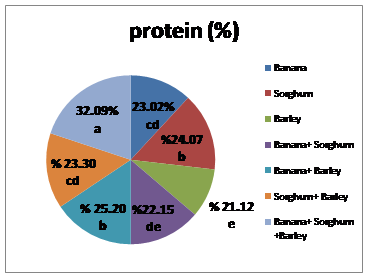
Mushroom cultivation is virtually non-existent in Yemen, despite it becoming increasingly common as an effective biotechnological practice for recycling agricultural by-products into valuable human food. Most farmers dispose of their agricultural waste, while it could be utilized beneficially as substrates for mushroom production.This study was conducted to investigate the effect of available agricultural waste mixtures on the growth of fungus Pleurotus ostreatus, yield and their components when used as substrates. Various agricultural waste and their mixtures were used, including banana, sorghum, barley, (banana + sorghum in a 1:1 ratio), (banana + barley in a 1:1 ratio) (sorghum + barley in a 1:1 ratio) and (banana + sorghum + barley in a 1:1:1 ratio), as substrates for improving fungus Pleurotus ostreatus growth. The experiment was carried out using a completely randomized design. The substrates were sterilized after preparation and packed into heat-resistant polypropylene bags. They were then inoculated with spawn and incubated. The results indicated that the shortest incubation period was observed (21.67 days) when using barley straw as a substrate. Additionally, the shortest duration for incubation and the formation of pinheads was achieved with the mixture of sorghum and barley, with durations of (25.67 and 10 days, respectively). The results showed that the highest number of clusters was obtained when using the substrate composed of a mixture of sorghum + barley, reaching 3.33 clusters. The maximum average number of fruits was recorded for the substrate mixtures when using the composed mixture of banana and barley, with a count of 7.00 fruit/cluster. Furthermore, the highest total productivity was obtained from the substrate composed of a mixture of (sorghum + barley), amounting to (810 g) with a biological efficiency of 91.2%. The fruiting bodies were analyzed for protein content, and the highest protein percentage (32.09%) was recorded when using the substrate mixture of (banana + sorghum + barley). Based on the research findings, we can conclude that agricultural waste mixtures can lead to increased productivity of oyster mushrooms and utilize the abundance of agricultural waste for mushroom production, enhancing their properties by incorporating them with barley residues. This, in turn, provides an alternative protein source.
Nesreen, K. Al-Huwaidi، Hasan, A. A. Aldobai (المؤلف) (2024). Effect of agricultural substrates mixtures on yield and components in oyster mushroom (Pleurotus ostreatus). مجلة جامعة صنعاء للعلوم التطبيقية والتكنولوجيا, 215-222. DOI: https://doi.org/10.59628/jast.v2i3.767
Nesreen, K. Al-Huwaidi، Hasan, A. A. Aldobai (المؤلف). “Effect of agricultural substrates mixtures on yield and components in oyster mushroom (Pleurotus ostreatus).” مجلة جامعة صنعاء للعلوم التطبيقية والتكنولوجيا, 2024, pp. 215-222. https://doi.org/10.59628/jast.v2i3.767. Accessed 31 أكتوبر. 2026.
Nesreen, K. Al-Huwaidi، Hasan, A. A. Aldobai (المؤلف). 2024. “Effect of agricultural substrates mixtures on yield and components in oyster mushroom (Pleurotus ostreatus).” مجلة جامعة صنعاء للعلوم التطبيقية والتكنولوجيا : 215-222. DOI: https://doi.org/10.59628/jast.v2i3.767
Nesreen, K. Al-Huwaidi، Hasan, A. A. Aldobai (المؤلف) (2024) ‘Effect of agricultural substrates mixtures on yield and components in oyster mushroom (Pleurotus ostreatus)’, مجلة جامعة صنعاء للعلوم التطبيقية والتكنولوجيا, pp. 215-222. doi: 10.59628/jast.v2i3.767
@article{jast2024_art767,
    author  = {Nesreen, K.  Al-Huwaidi، Hasan, A. A.  Aldobai (المؤلف)},
    title   = {Effect of agricultural substrates mixtures on yield and components in oyster mushroom (Pleurotus ostreatus)},
    journal = {مجلة جامعة صنعاء للعلوم التطبيقية والتكنولوجيا},    year    = {2024},    month   = {يونيو},    pages   = {215-222},    doi     = {10.59628/jast.v2i3.767},
    url     = {https://doi.org/10.59628/jast.v2i3.767},}
Effect of agricultural substrates mixtures on yield and components in oyster mushroom (Pleurotus ostreatus)

This study evaluated the antioxidant potential of Yemeni red onion peels (YROP) extract in enhancing the oxidative stability of refined, bleached, and deodorized palm olein (RBDPO) Oil under deep-frying conditions (170–180°C for 25hours). The extract, applied at 200 and 400ppm, was compared to the synthetic antioxidant TBHQ (100ppm). At 400ppm, the extract effectively reduced free fatty acids and peroxide values by over 20%, preserved oil color, and achieved an oxidative stability index (OSI) of 15.20hours, close to TBHQ (17.53hours) and superior to untreated oil (10.25hours). Antioxidant activity (49.05% DPPH inhibition) and total phenolic content (37.36mg GAE/g DW) supported its effectiveness. These findings indicate that the YROP extract demonstrates notable antioxidant potential, enhancing oil quality and shelf life, while promoting sustainable utilization of agro-industrial waste.
Talal Abdulrazaq AL-Kawry، Ali Mansour Senan، Abdulbaki Saeed Al-Zaimi، Mushtaq Faisal Al-Afour (المؤلف) (2025). Enhancing Oxidative Stability of Palm Olein Oil Using Yemeni Red Onion Peels Extract (Allium cepa L.) During Deep-Frying. مجلة جامعة صنعاء للعلوم التطبيقية والتكنولوجيا, 1306-1314. DOI: https://doi.org/10.59628/jast.v3i6.2000
Talal Abdulrazaq AL-Kawry، Ali Mansour Senan، Abdulbaki Saeed Al-Zaimi، Mushtaq Faisal Al-Afour (المؤلف). “Enhancing Oxidative Stability of Palm Olein Oil Using Yemeni Red Onion Peels Extract (Allium cepa L.) During Deep-Frying.” مجلة جامعة صنعاء للعلوم التطبيقية والتكنولوجيا, 2025, pp. 1306-1314. https://doi.org/10.59628/jast.v3i6.2000. Accessed 31 أكتوبر. 2026.
Talal Abdulrazaq AL-Kawry، Ali Mansour Senan، Abdulbaki Saeed Al-Zaimi، Mushtaq Faisal Al-Afour (المؤلف). 2025. “Enhancing Oxidative Stability of Palm Olein Oil Using Yemeni Red Onion Peels Extract (Allium cepa L.) During Deep-Frying.” مجلة جامعة صنعاء للعلوم التطبيقية والتكنولوجيا : 1306-1314. DOI: https://doi.org/10.59628/jast.v3i6.2000
Talal Abdulrazaq AL-Kawry، Ali Mansour Senan، Abdulbaki Saeed Al-Zaimi، Mushtaq Faisal Al-Afour (المؤلف) (2025) ‘Enhancing Oxidative Stability of Palm Olein Oil Using Yemeni Red Onion Peels Extract (Allium cepa L.) During Deep-Frying’, مجلة جامعة صنعاء للعلوم التطبيقية والتكنولوجيا, pp. 1306-1314. doi: 10.59628/jast.v3i6.2000
@article{jast2025_art2000,
    author  = {Talal  Abdulrazaq AL-Kawry، Ali Mansour Senan، Abdulbaki Saeed Al-Zaimi، Mushtaq Faisal Al-Afour (المؤلف)},
    title   = {Enhancing Oxidative Stability of Palm Olein Oil Using Yemeni Red Onion Peels Extract (Allium cepa L.) During Deep-Frying},
    journal = {مجلة جامعة صنعاء للعلوم التطبيقية والتكنولوجيا},    year    = {2025},    month   = {ديسمبر},    pages   = {1306-1314},    doi     = {10.59628/jast.v3i6.2000},
    url     = {https://doi.org/10.59628/jast.v3i6.2000},}
Enhancing Oxidative Stability of Palm Olein Oil Using Yemeni Red Onion Peels Extract (Allium cepa L.) During Deep-Frying

A GIS-based Soil Conservation Service Curve Number (SCS-CN) approach was used to estimate surface-runoff potential in Yemen’s arid Abyan Delta (∼1,237 km2). Sentinel-2 (10 m) imagery was classified into major land-cover types and combined with hydrologic soil groups (HYSOGs) to assign CN values under Antecedent Moisture Condition II. The composite CN map (67–100; mean = 91.8) indicates limited infiltration across large areas of bare or impervious surfaces on clayey soils. Using the standard SCS-CN equations, event runoff was simulated for representative storm depths of 74, 124, and 174 mm. The model produced direct-runoff depths of ∼52, 100, and 150 mm, corresponding to runoff coefficients of ∼71%, 81%, and 86%, and basin-wide volumes of 0.65, 1.24, and 1.85 × 10⁸ m3, respectively. Spatial attribution shows that high-CN zones (notably barren HSG-C/D units and built-up/roads) generate most of the runoff despite covering a smaller fraction of the delta. The results identify priority areas for spate-irrigation, retention, and recharge interventions, and provide a reproducible baseline for flood-risk reduction and water-harvesting planning in data-scarce drylands. The workflow can be readily updated with improved soils, land-use, or climate inputs to support adaptive management.
Sady Alsady، Marwan Al-Badani، Zamzam Mubarak (المؤلف) (2025). Estimating Surface Runoff Potential in the Abyan Delta, Yemen Using GIS-Based SCS-Curve Number Method. مجلة جامعة صنعاء للعلوم التطبيقية والتكنولوجيا, 1164-1170. DOI: https://doi.org/10.59628/jast.v3i5.1987
Sady Alsady، Marwan Al-Badani، Zamzam Mubarak (المؤلف). “Estimating Surface Runoff Potential in the Abyan Delta, Yemen Using GIS-Based SCS-Curve Number Method.” مجلة جامعة صنعاء للعلوم التطبيقية والتكنولوجيا, 2025, pp. 1164-1170. https://doi.org/10.59628/jast.v3i5.1987. Accessed 31 أكتوبر. 2026.
Sady Alsady، Marwan Al-Badani، Zamzam Mubarak (المؤلف). 2025. “Estimating Surface Runoff Potential in the Abyan Delta, Yemen Using GIS-Based SCS-Curve Number Method.” مجلة جامعة صنعاء للعلوم التطبيقية والتكنولوجيا : 1164-1170. DOI: https://doi.org/10.59628/jast.v3i5.1987
Sady Alsady، Marwan Al-Badani، Zamzam Mubarak (المؤلف) (2025) ‘Estimating Surface Runoff Potential in the Abyan Delta, Yemen Using GIS-Based SCS-Curve Number Method’, مجلة جامعة صنعاء للعلوم التطبيقية والتكنولوجيا, pp. 1164-1170. doi: 10.59628/jast.v3i5.1987
@article{jast2025_art1987,
    author  = {Sady Alsady، Marwan Al-Badani، Zamzam Mubarak (المؤلف)},
    title   = {Estimating Surface Runoff Potential in the Abyan Delta, Yemen Using GIS-Based SCS-Curve Number Method},
    journal = {مجلة جامعة صنعاء للعلوم التطبيقية والتكنولوجيا},    year    = {2025},    month   = {أكتوبر},    pages   = {1164-1170},    doi     = {10.59628/jast.v3i5.1987},
    url     = {https://doi.org/10.59628/jast.v3i5.1987},}
Estimating Surface Runoff Potential in the Abyan Delta, Yemen Using GIS-Based SCS-Curve Number Method
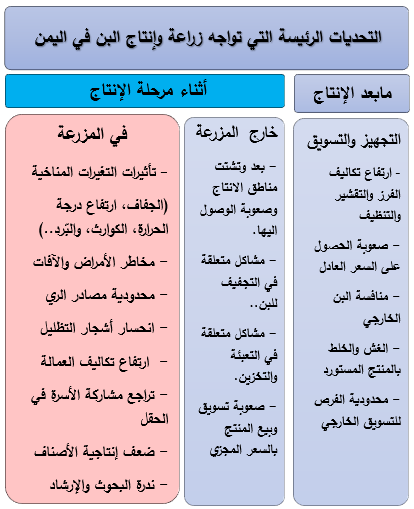
This research work comes based on for participatory research methodology between the Faculty of Agriculture, Food and Environment at Sana'a University, the Participatory Foundation for Research and Dissemination (PFRD) and the Yemeni Association for Sustainable Agriculture Development (YASAD), in which 20 samples of Yemeni Coffee Landraces (YCL) were collected and tested at an early stage and under an environmentally controlled condition in order to highlight the importance of genetic traits related to the ability of the coffee crop to face drought. This requires the existence of genetic variation that researchers rely on in genetic improvement procedures to increase the ability of local varieties to endure biotic and abiotic stresses of which drought and lack of water are at the forefront of these factors. In this study, the results showed that there are significant genetic variation in most of the studied traits, and that calculating the components of genetic, and environmental variances enabled the estimation of the degree of heritability, whose values varied between (9-90%), and enabled the distinction of traits that can be relied on in evaluating genetic resources and selecting local varieties and landraces that can be propagated and cultivated or introduced in breeding and genetic improvement programs to produce varieties that are more tolerant and suitable for drought and water shortages and reduce the effects of current and potential climate changes in the future. Principal Component Analyses (PCA) and clustering analyses have enabled the sorting of genetic groups with multiple traits that have demonstrated genetic variation and characterized the most stable and adapted local landraces under drought conditions in the early stages of plant life, plants have been retained and research and evaluation will continue under agricultural field conditions.
Soltana Mohamed Abdulrahman Enabah، Mahassen Munibari، Amin Al-Hakimi (المؤلف) (2025). Evaluation of Genetic Variation in Yemeni Coffee Landraces (Coffea arabica L.) for some Morpho-physiological Traits Related to Drought Resistance. مجلة جامعة صنعاء للعلوم التطبيقية والتكنولوجيا, 1241-1258. DOI: https://doi.org/10.59628/jast.v3i6.2147
Soltana Mohamed Abdulrahman Enabah، Mahassen Munibari، Amin Al-Hakimi (المؤلف). “Evaluation of Genetic Variation in Yemeni Coffee Landraces (Coffea arabica L.) for some Morpho-physiological Traits Related to Drought Resistance.” مجلة جامعة صنعاء للعلوم التطبيقية والتكنولوجيا, 2025, pp. 1241-1258. https://doi.org/10.59628/jast.v3i6.2147. Accessed 31 أكتوبر. 2026.
Soltana Mohamed Abdulrahman Enabah، Mahassen Munibari، Amin Al-Hakimi (المؤلف). 2025. “Evaluation of Genetic Variation in Yemeni Coffee Landraces (Coffea arabica L.) for some Morpho-physiological Traits Related to Drought Resistance.” مجلة جامعة صنعاء للعلوم التطبيقية والتكنولوجيا : 1241-1258. DOI: https://doi.org/10.59628/jast.v3i6.2147
Soltana Mohamed Abdulrahman Enabah، Mahassen Munibari، Amin Al-Hakimi (المؤلف) (2025) ‘Evaluation of Genetic Variation in Yemeni Coffee Landraces (Coffea arabica L.) for some Morpho-physiological Traits Related to Drought Resistance’, مجلة جامعة صنعاء للعلوم التطبيقية والتكنولوجيا, pp. 1241-1258. doi: 10.59628/jast.v3i6.2147
@article{jast2025_art2147,
    author  = {Soltana Mohamed Abdulrahman Enabah، Mahassen Munibari، Amin Al-Hakimi (المؤلف)},
    title   = {Evaluation of Genetic Variation in Yemeni Coffee Landraces (Coffea arabica L.) for some Morpho-physiological Traits Related to Drought Resistance},
    journal = {مجلة جامعة صنعاء للعلوم التطبيقية والتكنولوجيا},    year    = {2025},    month   = {ديسمبر},    pages   = {1241-1258},    doi     = {10.59628/jast.v3i6.2147},
    url     = {https://doi.org/10.59628/jast.v3i6.2147},}
Evaluation of Genetic Variation in Yemeni Coffee Landraces (Coffea arabica L.) for some Morpho-physiological Traits Related to Drought Resistance
Pearl Millet (Pennisetum glaucum (L.) R. Br.) is an important crop plant cultivated in many countries, including Yemen, due to its high nutritional value. Landrace, temperatures, and rainfall are crucial factors when it comes to improving the cultivation of crops for the benefit of man and animals. Therefore, the aim of this study was to statistically evaluate the morphological (Plant height, Leaf area, area index and number, and inflorescence length) & physiological (Biomass, Grain Yield, and Seed weight) parameters of 20 Pearl Millet landraces that comply with the amount of rainfall to produce the best grain yielding and/or high biomass production when cultivated in the Al-Mawasit district, Taiz. The Grain Yield of landrace 25508 (mean grain yield of 3.1 t/ha) was found to be greater than the grain yield produced by the other studied landraces. Moreover, landraces 25366 and 25353 were found to give the greatest biomass (mean biomass of 6.7t/ha).
Alhadi, F. A، Ibrahim, H.M، Alkadasy, A. K (المؤلف) (2023). Evaluation of Some Growth Parameters of Millet (Pennisetum glaucum (L.) R. Br.) Landraces Cultivated in Al-Mawaset District, Taiz Governorate, Yemen. مجلة جامعة صنعاء للعلوم التطبيقية والتكنولوجيا. DOI: https://doi.org/10.59628/jast.v1i4.563
Alhadi, F. A، Ibrahim, H.M، Alkadasy, A. K (المؤلف). “Evaluation of Some Growth Parameters of Millet (Pennisetum glaucum (L.) R. Br.) Landraces Cultivated in Al-Mawaset District, Taiz Governorate, Yemen.” مجلة جامعة صنعاء للعلوم التطبيقية والتكنولوجيا, 2023, https://doi.org/10.59628/jast.v1i4.563. Accessed 31 أكتوبر. 2026.
Alhadi, F. A، Ibrahim, H.M، Alkadasy, A. K (المؤلف). 2023. “Evaluation of Some Growth Parameters of Millet (Pennisetum glaucum (L.) R. Br.) Landraces Cultivated in Al-Mawaset District, Taiz Governorate, Yemen.” مجلة جامعة صنعاء للعلوم التطبيقية والتكنولوجيا DOI: https://doi.org/10.59628/jast.v1i4.563
Alhadi, F. A، Ibrahim, H.M، Alkadasy, A. K (المؤلف) (2023) ‘Evaluation of Some Growth Parameters of Millet (Pennisetum glaucum (L.) R. Br.) Landraces Cultivated in Al-Mawaset District, Taiz Governorate, Yemen’, مجلة جامعة صنعاء للعلوم التطبيقية والتكنولوجيا. doi: 10.59628/jast.v1i4.563
@article{jast2023_art563,
    author  = {Alhadi, F. A، Ibrahim, H.M، Alkadasy, A. K (المؤلف)},
    title   = {Evaluation of Some Growth Parameters of Millet (Pennisetum glaucum (L.) R.   Br.) Landraces Cultivated in Al-Mawaset District, Taiz Governorate, Yemen},
    journal = {مجلة جامعة صنعاء للعلوم التطبيقية والتكنولوجيا},    year    = {2023},    month   = {ديسمبر},    doi     = {10.59628/jast.v1i4.563},
    url     = {https://doi.org/10.59628/jast.v1i4.563},}
Evaluation of Some Growth Parameters of Millet (Pennisetum glaucum (L.) R. Br.) Landraces Cultivated in Al-Mawaset District, Taiz Governorate, Yemen

Green synthesis offers an environmentally benign approach for producing functional metal oxide nanomaterials. In this study, chamomile extract was employed as a natural reducing and stabilizing agent to synthesize ZnO and MgO nanoparticles under identical reaction conditions. The nanoparticles were prepared at 30 °C for 30 min under neutral pH, followed by heat treatment at 400 °C for five hours to remove residual moisture and promote crystallization. Structural and morphological characteristics were examined using X-ray diffraction (XRD), UV–visible spectroscopy and scanning electron microscopy (SEM). The UV–Vis spectra exhibited characteristic absorption peaks at 369 nm for ZnO and 265 nm for MgO. XRD analysis confirmed the formation of hexagonal wurtzite ZnO and face-centered cubic MgO phases, with calculated crystallite sizes of 8.35 nm and 11.58 nm, respectively. SEM images revealed predominantly spherical ZnO nanoparticles forming agglomerated secondary structures (55–70 nm) and spherical MgO nanoparticles with primary sizes ranging from 60–75 nm. The results demonstrate that chamomile extract serves as an effective biotemplate for controlling the nucleation and growth of ZnO and MgO nanoparticles, leading to well-defined structural and morphological features. This study highlights the potential of plant-mediated synthesis as a sustainable route for producing stable nanomaterials suitable for biomedical and environmental applications, reinforcing the role of green chemistry in advancing eco-friendly nanotechnology.
Ali Hashim Mohammed، Ali Maajal Ali، Mohaimen Baseem Awf، Rafaa Abd Alkareem Abdulwahid، Laith Saleh، Ghassan Adnan Naeem (المؤلف) (2026). Green Synthesis and Characterization of ZnO and MgO Nanoparticles Using Chamomile Extract. مجلة جامعة صنعاء للعلوم التطبيقية والتكنولوجيا, 1825-1830. DOI: https://doi.org/10.59628/jast.v4i3.2488
Ali Hashim Mohammed، Ali Maajal Ali، Mohaimen Baseem Awf، Rafaa Abd Alkareem Abdulwahid، Laith Saleh، Ghassan Adnan Naeem (المؤلف). “Green Synthesis and Characterization of ZnO and MgO Nanoparticles Using Chamomile Extract.” مجلة جامعة صنعاء للعلوم التطبيقية والتكنولوجيا, 2026, pp. 1825-1830. https://doi.org/10.59628/jast.v4i3.2488. Accessed 31 أكتوبر. 2026.
Ali Hashim Mohammed، Ali Maajal Ali، Mohaimen Baseem Awf، Rafaa Abd Alkareem Abdulwahid، Laith Saleh، Ghassan Adnan Naeem (المؤلف). 2026. “Green Synthesis and Characterization of ZnO and MgO Nanoparticles Using Chamomile Extract.” مجلة جامعة صنعاء للعلوم التطبيقية والتكنولوجيا : 1825-1830. DOI: https://doi.org/10.59628/jast.v4i3.2488
Ali Hashim Mohammed، Ali Maajal Ali، Mohaimen Baseem Awf، Rafaa Abd Alkareem Abdulwahid، Laith Saleh، Ghassan Adnan Naeem (المؤلف) (2026) ‘Green Synthesis and Characterization of ZnO and MgO Nanoparticles Using Chamomile Extract’, مجلة جامعة صنعاء للعلوم التطبيقية والتكنولوجيا, pp. 1825-1830. doi: 10.59628/jast.v4i3.2488
@article{jast2026_art2488,
    author  = {Ali Hashim Mohammed، Ali Maajal Ali، Mohaimen Baseem Awf، Rafaa Abd Alkareem Abdulwahid، Laith Saleh، Ghassan Adnan Naeem (المؤلف)},
    title   = {Green Synthesis and Characterization of ZnO and MgO Nanoparticles Using Chamomile Extract},
    journal = {مجلة جامعة صنعاء للعلوم التطبيقية والتكنولوجيا},    year    = {2026},    month   = {مارس},    pages   = {1825-1830},    doi     = {10.59628/jast.v4i3.2488},
    url     = {https://doi.org/10.59628/jast.v4i3.2488},}
Green Synthesis and Characterization of ZnO and MgO Nanoparticles Using Chamomile Extract
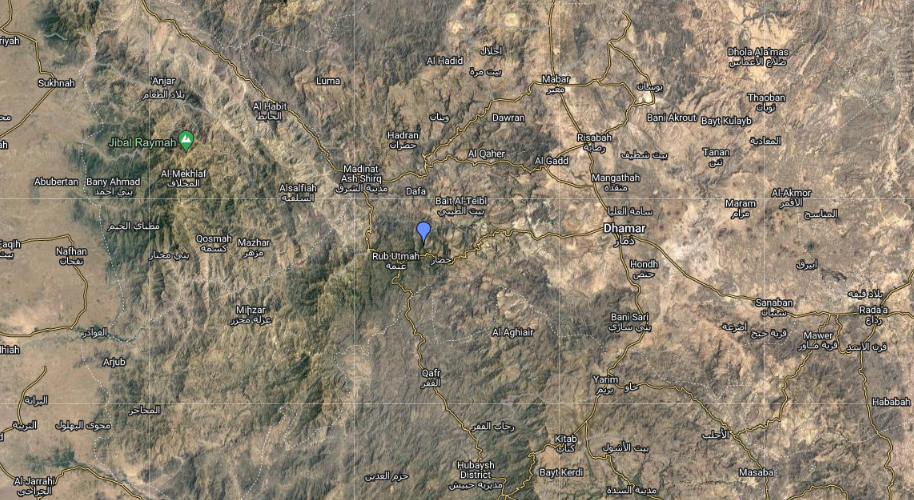
In natural habitats of wild plants, growth, and productivity are influenced by various environmental factors, including edaphic and climatic conditions. Yemen has many natural habitats that contain endemic plants. Thymus laevigatus is one of these plants distributed in higher mountain areas in the Northern part of the country. Assessment of environmental factors in these areas is still limited. So, this study aimed to analyze the edaphic and climatic factors affecting the growth of wild thyme in the Utmah Natural Reserve. Soils 0-25, and 25-50 cm deep were randomly sampled from the rhizosphere of the thyme. Edaphic factors include soil texture, organic matter, pH, EC, mobile potassium (K2O) and phosphorous (P2O5), Exchangeable (Ca, Mg, Na), Available (Fe, Zn, Mn), and total Calcium carbonate (CaCO3). The meteorological data (precipitation, temperature, and average monthly sunshine duration) for 2015-2022 were obtained from the Water and Environment Center – Sana’a University. Results showed that K2O, Zn, and Ca concentrations are deficient; Mn is adequate; Mg is near moderate; P2O5 is moderate; Fe and organic matter are adequate; Na is high. Soil is without salinity and pH is alkaline. The soil texture is sandy loam. The bioclimatic zone is semi-arid with a temperate winter. Wet periods are months of April, May, mid-July, August, and October with a yearly average rainfall of 377.13 mm. Minimum temperatures are between 6.83-15.01°C, while the maximum is between 23.21-31.16°C. The average sunshine hours during thyme growth season are 10.68 h/ day. The obtained results represent the basic requirements for the growth and productivity of thyme in its natural habitats. Also, it provides preliminary information that can be used to plan conservation projects for this plant and contribute to its domestication and cultivation.
Adel Sultan Alqadasi، Younis Humaid (المؤلف) (2024). Investigation of Edaphic and Climatic Factors for Thymus laevigatus in Utmah Natural Reserve, Yemen. مجلة جامعة صنعاء للعلوم التطبيقية والتكنولوجيا, 413-421. DOI: https://doi.org/10.59628/jast.v2i5.1096
Adel Sultan Alqadasi، Younis Humaid (المؤلف). “Investigation of Edaphic and Climatic Factors for Thymus laevigatus in Utmah Natural Reserve, Yemen.” مجلة جامعة صنعاء للعلوم التطبيقية والتكنولوجيا, 2024, pp. 413-421. https://doi.org/10.59628/jast.v2i5.1096. Accessed 31 أكتوبر. 2026.
Adel Sultan Alqadasi، Younis Humaid (المؤلف). 2024. “Investigation of Edaphic and Climatic Factors for Thymus laevigatus in Utmah Natural Reserve, Yemen.” مجلة جامعة صنعاء للعلوم التطبيقية والتكنولوجيا : 413-421. DOI: https://doi.org/10.59628/jast.v2i5.1096
Adel Sultan Alqadasi، Younis Humaid (المؤلف) (2024) ‘Investigation of Edaphic and Climatic Factors for Thymus laevigatus in Utmah Natural Reserve, Yemen’, مجلة جامعة صنعاء للعلوم التطبيقية والتكنولوجيا, pp. 413-421. doi: 10.59628/jast.v2i5.1096
@article{jast2024_art1096,
    author  = {Adel Sultan Alqadasi، Younis Humaid (المؤلف)},
    title   = {Investigation of Edaphic and Climatic Factors for Thymus laevigatus in Utmah Natural Reserve, Yemen},
    journal = {مجلة جامعة صنعاء للعلوم التطبيقية والتكنولوجيا},    year    = {2024},    month   = {أكتوبر},    pages   = {413-421},    doi     = {10.59628/jast.v2i5.1096},
    url     = {https://doi.org/10.59628/jast.v2i5.1096},}
Investigation of Edaphic and Climatic Factors for Thymus laevigatus in Utmah Natural Reserve, Yemen

تهدف هذه الدراسة إلى تحليل مستوى تبنّي التقنيات الزراعية الحديثة بين مزارعي الطماطم في محافظتي ذمار وإب في الجمهورية اليمنية، وذلك خلال الفترة 2023–2024، والتعرّف على العوامل المؤثرة في هذا التبني. اعتمدت الدراسة منهج المسح الاجتماعي وجُمعت البيانات من عينة مكوّنة من 150 مزارعًا باستخدام استمارة استبيان محكّمة. تم تحليل البيانات باستخدام الأساليب الإحصائية الوصفية والاستدلالية عبر برنامجي SPSS وExcel، بما في ذلك التكرارات والنسب المئوية ومعامل ارتباط بيرسون والانحدار المتعدد. أظهرت النتائج أن 78% من المزارعين طبّقوا الأصناف المحسّنة وشبكات الري الحديث، بينما بلغت نسبة تطبيق التسميد الموصى به 75%. ورغم ارتفاع نسب التطبيق الأولي، سجّلت نسب الاستمرار في الاستخدام انخفاضًا واضحًا، خصوصًا في الري الحديث (5.1%) والمكافحة المتكاملة (10%). كما بينت النتائج أن 45.4% من المزارعين لديهم مستوى منخفض من التبني، مقابل 19.3% فقط يمتلكون مستوى تبنٍ مرتفع. كشفت الدراسة وجود علاقة ارتباط ذات دلالة إحصائية بين درجة التبني وكل من: إنتاج الأصناف المحسنة، الاحتياجات السمادية، والاحتياجات المائية عند مستوى دلالة 0.05، في حين لم تظهر علاقة معنوية بين التبني ومتغيري الإصابة بالأمراض أو الاستفادة العامة من التقانة. وأوضح تحليل الانحدار المتعدد أن المتغيرات الفنية المدروسة تفسر نسبة محدودة من التباين في التبني (R²=0.035)، مما يشير إلى وجود عوامل مؤثرة أخرى ذات طبيعة اجتماعية واقتصادية وإرشادية. تؤكد الدراسة الحاجة إلى تعزيز دور الإرشاد الزراعي، وتوفير الدعم الاقتصادي والفني للمزارعين، وتحسين برامج التدريب والتوعية لزيادة مستوى التبني واستدامة استخدام التقنيات الحديثة، بما يسهم في رفع إنتاجية محصول الطماطم وتحسين كفاءة استخدام الموارد الزراعية في اليمن.
محمد محمد يحيى دوس، طه ياسين الاديمي، علي قاسم إسماعيل (المؤلف) (2026). Modern Agricultural Technology Adoption Among Tomato Farmers in Dhamar and Ibb Governorates, Yemen. مجلة جامعة صنعاء للعلوم التطبيقية والتكنولوجيا, 1724-1740. DOI: https://doi.org/10.59628/jast.v4i2.1814
محمد محمد يحيى دوس، طه ياسين الاديمي، علي قاسم إسماعيل (المؤلف). “Modern Agricultural Technology Adoption Among Tomato Farmers in Dhamar and Ibb Governorates, Yemen.” مجلة جامعة صنعاء للعلوم التطبيقية والتكنولوجيا, 2026, pp. 1724-1740. https://doi.org/10.59628/jast.v4i2.1814. Accessed 31 أكتوبر. 2026.
محمد محمد يحيى دوس، طه ياسين الاديمي، علي قاسم إسماعيل (المؤلف). 2026. “Modern Agricultural Technology Adoption Among Tomato Farmers in Dhamar and Ibb Governorates, Yemen.” مجلة جامعة صنعاء للعلوم التطبيقية والتكنولوجيا : 1724-1740. DOI: https://doi.org/10.59628/jast.v4i2.1814
محمد محمد يحيى دوس، طه ياسين الاديمي، علي قاسم إسماعيل (المؤلف) (2026) ‘Modern Agricultural Technology Adoption Among Tomato Farmers in Dhamar and Ibb Governorates, Yemen’, مجلة جامعة صنعاء للعلوم التطبيقية والتكنولوجيا, pp. 1724-1740. doi: 10.59628/jast.v4i2.1814
@article{jast2026_art1814,
    author  = {محمد  محمد يحيى دوس، طه ياسين الاديمي، علي قاسم إسماعيل (المؤلف)},
    title   = {Modern Agricultural Technology Adoption Among Tomato Farmers in Dhamar and Ibb Governorates, Yemen},
    journal = {مجلة جامعة صنعاء للعلوم التطبيقية والتكنولوجيا},    year    = {2026},    month   = {فبراير},    pages   = {1724-1740},    doi     = {10.59628/jast.v4i2.1814},
    url     = {https://doi.org/10.59628/jast.v4i2.1814},}
Modern Agricultural Technology Adoption Among Tomato Farmers in Dhamar and Ibb Governorates, Yemen
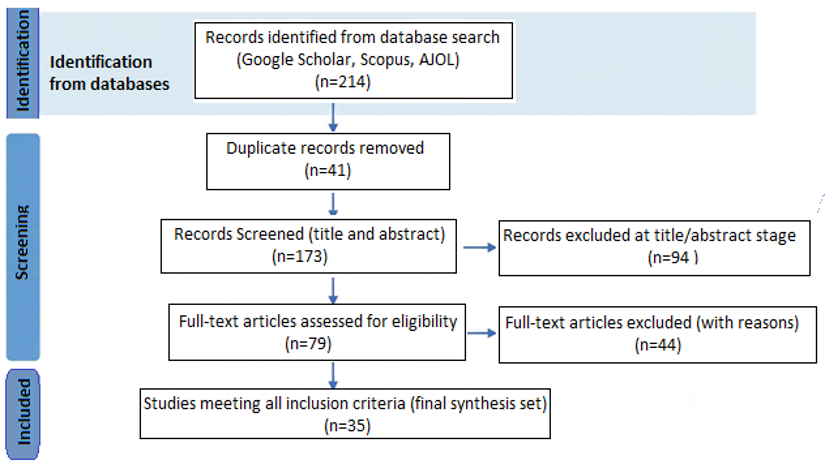
Postharvest rice losses in Nigeria persist at 15–25%, partly attributable to the absence of standardised optimization frameworks for mechanised smallholder threshers. No study has directly compared Response Surface Methodology (RSM) and Taguchi optimization in this context. This PRISMA 2020 systematic review and metaanalysis synthesises 35 studies (2010–2025) sourced from Scopus, Google Scholar, and AJOL, comprising RSM (n=12), Taguchi (n=8), hybrid (n=3), and factorial ANOVA (n=12) designs. Meta-analytic procedures included Cohen’s d effect size computation, variance ratio analysis, Egger’s regression, and trim-and-fill correction. Cylinder speed (optimal: 750–825 RPM; reported precision peak approximately 770 RPM) contributed 62.4% of threshing efficiency variance. Moisture content optima were 13–14% for grain quality and 16–18% for maximum throughput. Feed rate optimum was 3 kg·min−1, blower air velocity peaked cleaning efficiency at 99.32% (6.0 m·s−1), and a 4.5 Hz vibrating sieve reduced scatter loss from 5.2% to 1.8%. Meta-analysis revealed no significant difference in threshing efficiency between RSM (94.2%) and Taguchi (93.1%) frameworks (p=0.21; Cohen’s d=+0.35), though RSM yielded 26–40% lower output variance (differences not statistically significant; p > 0.27). Publication bias inflated mean throughput by 8.3%; the bias-adjusted estimate is 187 kg·h−1. A hybrid sequential strategy — Taguchi L screening followed by RSM-CCD refinement — is recommended for future optimization studies.
Raphael Segun Bello، Abdulgafar Usman، Igwe Dennis Chibueze، Ogbonnaya Boniface Onu، Mumuni Olanrewaju Saliu (المؤلف) (2026). Optimizing Rice Thresher Performance in Nigeria: A Systematic Review and Meta-Analytic Synthesis of Response Surface. مجلة جامعة صنعاء للعلوم التطبيقية والتكنولوجيا, 2334-2354. DOI: https://doi.org/10.59628/jast.v4i7.3051
Raphael Segun Bello، Abdulgafar Usman، Igwe Dennis Chibueze، Ogbonnaya Boniface Onu، Mumuni Olanrewaju Saliu (المؤلف). “Optimizing Rice Thresher Performance in Nigeria: A Systematic Review and Meta-Analytic Synthesis of Response Surface.” مجلة جامعة صنعاء للعلوم التطبيقية والتكنولوجيا, 2026, pp. 2334-2354. https://doi.org/10.59628/jast.v4i7.3051. Accessed 31 أكتوبر. 2026.
Raphael Segun Bello، Abdulgafar Usman، Igwe Dennis Chibueze، Ogbonnaya Boniface Onu، Mumuni Olanrewaju Saliu (المؤلف). 2026. “Optimizing Rice Thresher Performance in Nigeria: A Systematic Review and Meta-Analytic Synthesis of Response Surface.” مجلة جامعة صنعاء للعلوم التطبيقية والتكنولوجيا : 2334-2354. DOI: https://doi.org/10.59628/jast.v4i7.3051
Raphael Segun Bello، Abdulgafar Usman، Igwe Dennis Chibueze، Ogbonnaya Boniface Onu، Mumuni Olanrewaju Saliu (المؤلف) (2026) ‘Optimizing Rice Thresher Performance in Nigeria: A Systematic Review and Meta-Analytic Synthesis of Response Surface’, مجلة جامعة صنعاء للعلوم التطبيقية والتكنولوجيا, pp. 2334-2354. doi: 10.59628/jast.v4i7.3051
@article{jast2026_art3051,
    author  = {Raphael Segun Bello، Abdulgafar Usman، Igwe Dennis Chibueze، Ogbonnaya Boniface Onu، Mumuni Olanrewaju Saliu (المؤلف)},
    title   = {Optimizing Rice Thresher Performance in Nigeria: A Systematic Review and Meta-Analytic Synthesis of Response Surface},
    journal = {مجلة جامعة صنعاء للعلوم التطبيقية والتكنولوجيا},    year    = {2026},    month   = {يوليو},    pages   = {2334-2354},    doi     = {10.59628/jast.v4i7.3051},
    url     = {https://doi.org/10.59628/jast.v4i7.3051},}
Optimizing Rice Thresher Performance in Nigeria: A Systematic Review and Meta-Analytic Synthesis of Response Surface

Salinity is one of the most pervasive abiotic stressors limiting global agricultural productivity, particularly by impairing seed germination in sensitive species, such as chili peppers (Capsicum spp.). This study rigorously evaluated the potential of nature-derived biostimulants to alleviate salinityinduced germination inhibition in three agronomically important Yemeni chili pepper genotypes: Haimi (H), Hajjah (J), and Jawfi3 (V3). Aqueous extracts from red beetroot, prickly pear fruit, carrot roots, and moringa leaves and flowers were subjected to an optimized 18-hour seed priming protocol. The seeds were germinated at three salinity levels (0, 150, and 250 mM NaCl) in a randomized complete block design. The results revealed a striking mitigation of salinity stress at 150 mM NaCl by all plant extracts, with substantial protective effects observed at the extreme 250 mM NaCl concentration. Notably, beetroot extract emerged as the most potent biostimulant, consistently delivering the highest Extract Stimulation Index (ESI%) across all germination parameters including germination percentage (GrP%), mean germination time (MGT), germination speed (GSC), and radicle length. Its performance was robust across all genotypes and salinity levels, thereby highlighting its broad-spectrum efficacy.
These findings provide the first empirical evidence that cost-effective natural extracts, particularly from red beetroot and prickly pear fruit, can match or surpass synthetic priming agents in enhancing seed germination under saline conditions.
Elham Arraf، Isam Al-madhagi، Hemiar Haissam (المؤلف) (2025). Plant Extracts Are a Promising Solution to Alleviate Salinity Stress at the Chili Pepper Germination Stage. مجلة جامعة صنعاء للعلوم التطبيقية والتكنولوجيا, 868- 884. DOI: https://doi.org/10.59628/jast.v3i3.1663
Elham Arraf، Isam Al-madhagi، Hemiar Haissam (المؤلف). “Plant Extracts Are a Promising Solution to Alleviate Salinity Stress at the Chili Pepper Germination Stage.” مجلة جامعة صنعاء للعلوم التطبيقية والتكنولوجيا, 2025, pp. 868- 884. https://doi.org/10.59628/jast.v3i3.1663. Accessed 31 أكتوبر. 2026.
Elham Arraf، Isam Al-madhagi، Hemiar Haissam (المؤلف). 2025. “Plant Extracts Are a Promising Solution to Alleviate Salinity Stress at the Chili Pepper Germination Stage.” مجلة جامعة صنعاء للعلوم التطبيقية والتكنولوجيا : 868- 884. DOI: https://doi.org/10.59628/jast.v3i3.1663
Elham Arraf، Isam Al-madhagi، Hemiar Haissam (المؤلف) (2025) ‘Plant Extracts Are a Promising Solution to Alleviate Salinity Stress at the Chili Pepper Germination Stage’, مجلة جامعة صنعاء للعلوم التطبيقية والتكنولوجيا, pp. 868- 884. doi: 10.59628/jast.v3i3.1663
@article{jast2025_art1663,
    author  = {Elham Arraf، Isam Al-madhagi، Hemiar Haissam (المؤلف)},
    title   = {Plant Extracts Are a Promising Solution to Alleviate Salinity Stress at the Chili Pepper Germination Stage},
    journal = {مجلة جامعة صنعاء للعلوم التطبيقية والتكنولوجيا},    year    = {2025},    month   = {يونيو},    pages   = {868- 884},    doi     = {10.59628/jast.v3i3.1663},
    url     = {https://doi.org/10.59628/jast.v3i3.1663},}
Plant Extracts Are a Promising Solution to Alleviate Salinity Stress at the Chili Pepper Germination Stage

Plastic-covered greenhouses are widely used in Yemen to cultivate various vegetable crops, often without adequate consideration of their microclimatic conditions. This study evaluated the key microclimatic factors affecting plant growth, including air temperature, relative humidity, humidity ratio, and heat content. Air temperature and relative humidity were measured both inside and outside a 36 meter-long plastic-covered greenhouse. Internal measurements were performed at three locations: the entrance, middle, and end sections. Psychrometric equations were used to calculate the humidity ratio and heat content of air. The results indicated that the air temperature inside the greenhouse was lower than outside during the early and late afternoon hours, with a maximum difference of 3.4°C. However, between 8:00 AM and 3:00 PM, the internal temperature exceeded the external temperature, peaking at 7.5°C higher at 11:00 AM. On average, the internal daytime temperature was 25.9°C (ranging from 8.3°C to 34.9°C), while the nighttime average was 11.8°C (ranging from 8.4°C to 19.1°C). The relative humidity inside the greenhouse remained consistently higher than outside, fluctuating between 32% and 84% throughout the day. The average internal daytime relative humidity was 49.7% (ranging from 32.0% to 86.4%), whereas the nighttime average was 76.1% (ranging from 52.3% to 86.3%). The humidity ratio and heat content remained stable at night, but increased significantly during the daytime. A longitudinal variation was observed, with the greenhouse entrance exhibiting a humidity ratio of 4.3 kg of water per kg of air and a heat content of 12.2 kJ/kg, both lower than those recorded in the middle and end sections. The average internal daytime humidity ratio was 13.2 kg of water per kg of air (ranging from 7.7 to 17.5), while the nighttime average was 8.3 kg of water per kg of air (ranging from 7.6 to 9.5). Similarly, the average internal daytime heat content was 59.8 kJ/kg (ranging from 27.8 to 78.2), while the nighttime average was 33.4 kJ/kg (ranging from 27.9 to 43.3). Based on these findings, this study recommends enhancing greenhouse ventilation through mechanical systems powered by solar panels or by optimizing existing natural ventilation methods.
Hesham A. Ahmed، Abdulkareem Al-Mogahed، Adel Mohammed Ahmed (المؤلف) (2025). Psychrometric Evaluation of Air Properties Under the Conditions of Plastic-Covered Greenhouses. مجلة جامعة صنعاء للعلوم التطبيقية والتكنولوجيا, 756-769. DOI: https://doi.org/10.59628/jast.v3i2.1627
Hesham A. Ahmed، Abdulkareem Al-Mogahed، Adel Mohammed Ahmed (المؤلف). “Psychrometric Evaluation of Air Properties Under the Conditions of Plastic-Covered Greenhouses.” مجلة جامعة صنعاء للعلوم التطبيقية والتكنولوجيا, 2025, pp. 756-769. https://doi.org/10.59628/jast.v3i2.1627. Accessed 31 أكتوبر. 2026.
Hesham A. Ahmed، Abdulkareem Al-Mogahed، Adel Mohammed Ahmed (المؤلف). 2025. “Psychrometric Evaluation of Air Properties Under the Conditions of Plastic-Covered Greenhouses.” مجلة جامعة صنعاء للعلوم التطبيقية والتكنولوجيا : 756-769. DOI: https://doi.org/10.59628/jast.v3i2.1627
Hesham A. Ahmed، Abdulkareem Al-Mogahed، Adel Mohammed Ahmed (المؤلف) (2025) ‘Psychrometric Evaluation of Air Properties Under the Conditions of Plastic-Covered Greenhouses’, مجلة جامعة صنعاء للعلوم التطبيقية والتكنولوجيا, pp. 756-769. doi: 10.59628/jast.v3i2.1627
@article{jast2025_art1627,
    author  = {Hesham A. Ahmed، Abdulkareem Al-Mogahed، Adel Mohammed Ahmed (المؤلف)},
    title   = {Psychrometric Evaluation of Air Properties Under the Conditions of Plastic-Covered Greenhouses},
    journal = {مجلة جامعة صنعاء للعلوم التطبيقية والتكنولوجيا},    year    = {2025},    month   = {أبريل},    pages   = {756-769},    doi     = {10.59628/jast.v3i2.1627},
    url     = {https://doi.org/10.59628/jast.v3i2.1627},}
Psychrometric Evaluation of Air Properties Under the Conditions of Plastic-Covered Greenhouses

This study elucidates the role of salicylic acid (SA) in modulating salinity stress responses in parsley through a controlled RCBD experiment at Taiz University. Plants exposed to incremental NaCl concentrations (0–200 mM) either alone or in combination with three SA concentrations (0, 0.1, and 0.5 mM) exhibited dose-dependent growth inhibition. With 200 mM NaCl, reduced shoot length by 42% and dry matter by 35%, while concurrently suppressing protein content (28%) and catalase activity (40%) but elevating proline accumulation (69%). SA application (0.1 mM) significantly alleviated moderate stress (100 mM NaCl), restoring physiological parameters and enhancing antioxidant defenses, notably increasing catalase activity by 30–35% and reducing proline by 25–30%. Intriguingly, SA’s efficacy was temporally constrained, with optimal protection at 15 days that diminished under prolonged exposure. Biochemical profiling revealed a stress-threshold response: ascorbate peroxidase activity remained stable at ≤ 150 mM NaCl but increased 20–25% at 50–100 mM NaCl with 0.5 mM SA. Critically, high SA (0.5 mM) synergized with extreme salinity (200 mM NaCl) to induce complete mortality, demonstrating a concentration-dependent phytotoxic shift. These findings establish 0.1 mM SA and 100 mM NaCl as critical thresholds for stress mitigation.
isam al-madhagi، Emtiyaaz AL-Maqtary ، Khalid AL-Mureish (المؤلف) (2025). Salicylic Acid Alleviates Moderate Salinity-Induced Stress in Petroselinum crispum (Mill.), within Reduced Effectiveness under Prolonged High Salinity Conditions. مجلة جامعة صنعاء للعلوم التطبيقية والتكنولوجيا, 800-818. DOI: https://doi.org/10.59628/jast.v3i3.1651
isam al-madhagi، Emtiyaaz AL-Maqtary ، Khalid AL-Mureish (المؤلف). “Salicylic Acid Alleviates Moderate Salinity-Induced Stress in Petroselinum crispum (Mill.), within Reduced Effectiveness under Prolonged High Salinity Conditions.” مجلة جامعة صنعاء للعلوم التطبيقية والتكنولوجيا, 2025, pp. 800-818. https://doi.org/10.59628/jast.v3i3.1651. Accessed 31 أكتوبر. 2026.
isam al-madhagi، Emtiyaaz AL-Maqtary ، Khalid AL-Mureish (المؤلف). 2025. “Salicylic Acid Alleviates Moderate Salinity-Induced Stress in Petroselinum crispum (Mill.), within Reduced Effectiveness under Prolonged High Salinity Conditions.” مجلة جامعة صنعاء للعلوم التطبيقية والتكنولوجيا : 800-818. DOI: https://doi.org/10.59628/jast.v3i3.1651
isam al-madhagi، Emtiyaaz AL-Maqtary ، Khalid AL-Mureish (المؤلف) (2025) ‘Salicylic Acid Alleviates Moderate Salinity-Induced Stress in Petroselinum crispum (Mill.), within Reduced Effectiveness under Prolonged High Salinity Conditions’, مجلة جامعة صنعاء للعلوم التطبيقية والتكنولوجيا, pp. 800-818. doi: 10.59628/jast.v3i3.1651
@article{jast2025_art1651,
    author  = {isam al-madhagi، Emtiyaaz AL-Maqtary ، Khalid AL-Mureish  (المؤلف)},
    title   = {Salicylic Acid Alleviates Moderate Salinity-Induced Stress in Petroselinum crispum (Mill.), within Reduced Effectiveness under Prolonged High Salinity Conditions},
    journal = {مجلة جامعة صنعاء للعلوم التطبيقية والتكنولوجيا},    year    = {2025},    month   = {يونيو},    pages   = {800-818},    doi     = {10.59628/jast.v3i3.1651},
    url     = {https://doi.org/10.59628/jast.v3i3.1651},}
Salicylic Acid Alleviates Moderate Salinity-Induced Stress in Petroselinum crispum (Mill.), within Reduced Effectiveness under Prolonged High Salinity Conditions
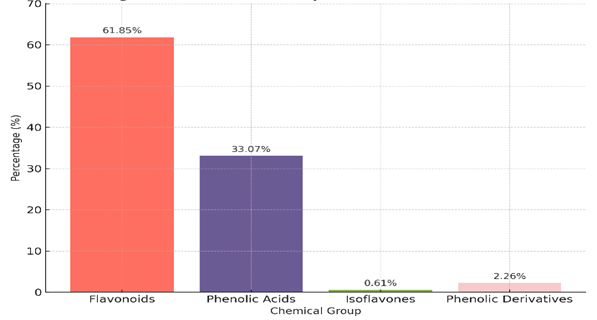
This study reports the ultrasound-assisted extraction (UAE) and quantitative profiling of antioxidants in methanolic extracts of Yemeni red onion peels (Allium cepa L.) using high-performance liquid chromatography (HPLC). The HPLC profiling identified a chemically diverse composition comprising 15 Phenolic compounds classified into four major groups: Flavonoids (61.85 %), Phenolic Acids (33.07 %), Isoflavones (0.61 %), and Phenolic Derivatives (2.26 %). Quercetin was the predominant compound with a concentration of 52289.14 μg/g DW, followed by Chlorogenic acid 18,761.89 μg/g DW, alongside significant amounts of Gallic acid, Ellagic acid, and Daidzein. The results indicate a high Phenolic content and strong antioxidant potential in Yemeni red onion peels, confirming their suitability as a natural source of bioactive compounds for nutraceutical and pharmaceutical applications.
Ali Mansour Senan، Talal Abdulrazaq AL-Kawry، Abdulbaki Saeed Al-Zaimi، Mushtaq Faisal Al-Afour (المؤلف) (2025). Ultrasound-Assisted Extraction and HPLC Quantitative Profiling of Phytochemical Compounds in Yemeni Red Onion Peels (Allium cepa L.). مجلة جامعة صنعاء للعلوم التطبيقية والتكنولوجيا, 1339-1346. DOI: https://doi.org/10.59628/jast.v3i6.2035
Ali Mansour Senan، Talal Abdulrazaq AL-Kawry، Abdulbaki Saeed Al-Zaimi، Mushtaq Faisal Al-Afour (المؤلف). “Ultrasound-Assisted Extraction and HPLC Quantitative Profiling of Phytochemical Compounds in Yemeni Red Onion Peels (Allium cepa L.).” مجلة جامعة صنعاء للعلوم التطبيقية والتكنولوجيا, 2025, pp. 1339-1346. https://doi.org/10.59628/jast.v3i6.2035. Accessed 31 أكتوبر. 2026.
Ali Mansour Senan، Talal Abdulrazaq AL-Kawry، Abdulbaki Saeed Al-Zaimi، Mushtaq Faisal Al-Afour (المؤلف). 2025. “Ultrasound-Assisted Extraction and HPLC Quantitative Profiling of Phytochemical Compounds in Yemeni Red Onion Peels (Allium cepa L.).” مجلة جامعة صنعاء للعلوم التطبيقية والتكنولوجيا : 1339-1346. DOI: https://doi.org/10.59628/jast.v3i6.2035
Ali Mansour Senan، Talal Abdulrazaq AL-Kawry، Abdulbaki Saeed Al-Zaimi، Mushtaq Faisal Al-Afour (المؤلف) (2025) ‘Ultrasound-Assisted Extraction and HPLC Quantitative Profiling of Phytochemical Compounds in Yemeni Red Onion Peels (Allium cepa L.)’, مجلة جامعة صنعاء للعلوم التطبيقية والتكنولوجيا, pp. 1339-1346. doi: 10.59628/jast.v3i6.2035
@article{jast2025_art2035,
    author  = {Ali Mansour Senan، Talal Abdulrazaq AL-Kawry، Abdulbaki Saeed Al-Zaimi، Mushtaq Faisal Al-Afour (المؤلف)},
    title   = {Ultrasound-Assisted Extraction and HPLC Quantitative Profiling of Phytochemical Compounds in Yemeni Red Onion Peels (Allium cepa L.)},
    journal = {مجلة جامعة صنعاء للعلوم التطبيقية والتكنولوجيا},    year    = {2025},    month   = {ديسمبر},    pages   = {1339-1346},    doi     = {10.59628/jast.v3i6.2035},
    url     = {https://doi.org/10.59628/jast.v3i6.2035},}
Ultrasound-Assisted Extraction and HPLC Quantitative Profiling of Phytochemical Compounds in Yemeni Red Onion Peels (Allium cepa L.)
استهدف البحث بشكل رئيس التعرف على تحديد أسباب عزوف النحالين عن استخدام الخلايا الحديثة في ثلاث من المحافظات الرئيسة في إنتاج العسل, والتعرف على مدى إمكانية إدخال الخلايا الحديثة في أوساط النحالين في هذه المحافظات. وأجري البحث على عينة مكونة من 100 نحال ممن أمضوا سنتان فأكثر في مهنة النحالة في المحافظات الثلاث المختارة يتوزعون على تسع مديريات وذلك عن طريق الاستبيان وجمع البيانات أثناء المقابلة الشخصية لكل مبحوث على حدة، وذلك خلال الفترة سبتمبر – نوفمبر 2020.
وقد أوضحت النتائج أن أهم أسباب عدم انتشار الخلايا الحديثة هي: عدم توفرها في الأسواق المحلية بنسبة 47% من المبحوثين، وعدم المعرفة باستخدامها (46%)، ولأنها غالية الثمن (44%)، ولأنها تنفتح أثناء النقل (31%)، ولأنها ثقيلة الوزن (22%). ولأنها تتطلب وقت أطول في العمل بها (16%), وعدم اليقين في نجاحها (14%), وقد أجاب 18% منهم بـ (لا أدري). كما أوضحت النتائج أن نسبة مستخدمي الخلايا الحديثة لم يتعدى 12% من إجمالي المبحوثين، وأن أهم مشاكل استخدام الخلايا الحديثة لديهم هي: إضافة الأساسات الشمعية (58.3% من المستخدمين)، وتربية واستبدال الملكات (50%)، وتنفتح أثناء النقل (50%)، وتحتاج لوقت أطول في العمل (25% )، وضعف النحل(25%)، وأنها ثقيلة الوزن(16.7%).
وتوضح النتائج السابقة أن أهم أسباب عدم استخدام الخلايا الحديثة تتمثل في نقص المعارف الأساسية في كيفية استخدامها. كما تشير النتائج عموماً إلى وجود فجوة في العمل الإرشادي وفي برامج التدريب في مجال تطوير تربية النحل في منطقة البحث. الأمر الذي يقتضي العمل على إيجاد برامج إرشادية وتدريبية لتحديث قطاع تربية النحل.
كلمات مفتاحية: عزوف - نحل العسل – التبني - استخدام - الخلايا الحديثة.
Taha Y. Al-Adimi، Ahmed A. Al-Samawi (المؤلف) (2025). أسباب عزوف النحالين اليمنيين عن استخدام الخلايا الحديثة. مجلة جامعة صنعاء للعلوم التطبيقية والتكنولوجيا, 679 - 689. DOI: https://doi.org/10.59628/jast.v3i1.1229
Taha Y. Al-Adimi، Ahmed A. Al-Samawi (المؤلف). “أسباب عزوف النحالين اليمنيين عن استخدام الخلايا الحديثة.” مجلة جامعة صنعاء للعلوم التطبيقية والتكنولوجيا, 2025, pp. 679 - 689. https://doi.org/10.59628/jast.v3i1.1229. Accessed 31 أكتوبر. 2026.
Taha Y. Al-Adimi، Ahmed A. Al-Samawi (المؤلف). 2025. “أسباب عزوف النحالين اليمنيين عن استخدام الخلايا الحديثة.” مجلة جامعة صنعاء للعلوم التطبيقية والتكنولوجيا : 679 - 689. DOI: https://doi.org/10.59628/jast.v3i1.1229
Taha Y. Al-Adimi، Ahmed A. Al-Samawi (المؤلف) (2025) ‘أسباب عزوف النحالين اليمنيين عن استخدام الخلايا الحديثة’, مجلة جامعة صنعاء للعلوم التطبيقية والتكنولوجيا, pp. 679 - 689. doi: 10.59628/jast.v3i1.1229
@article{jast2025_art1229,
    author  = {Taha Y. Al-Adimi، Ahmed A. Al-Samawi (المؤلف)},
    title   = {أسباب عزوف النحالين اليمنيين عن استخدام الخلايا الحديثة},
    journal = {مجلة جامعة صنعاء للعلوم التطبيقية والتكنولوجيا},    year    = {2025},    month   = {فبراير},    pages   = {679 - 689},    doi     = {10.59628/jast.v3i1.1229},
    url     = {https://doi.org/10.59628/jast.v3i1.1229},}
أسباب عزوف النحالين اليمنيين عن استخدام الخلايا الحديثة
أجريت الدراسة على مجموعة المتدربين من قيادات الإرشاد الزراعي وشملت ( 39 مبحوثا ) هم مجموعة المتدربين من قيادات الإرشاد الزراعي في الديوان العام للوزارة ومكاتب الإرشاد الزراعي في المحافظات والمشاركين في دورتين تدريبيتين خلال 2019 ، وجمعت بيانات الدراسة بواسطة استمارة استبيان تم تعبئتها ذاتيا بواسطة المبحوثين وتشتمل على جزأين ، الأول للخصائص الشخصية للمبحوثين والثاني لتقدير معرفة المبحوثين لأهمية مجالات العمل في الإرشاد الزراعي وتحديد مقدرتهم على تنفيذ وتطبيق المجالات المذكورة في برامجهم الإرشادية، واستخدم التكرارات والنسب المئوية والمتوسط الحسابي ونموذج Borich لتقدير وتحليل وتفسير النتائج .
وكانت أهم نتائج الدراسة أن غالبية المبحوثين (84.61%) كانت لديهم معرفة بالمجالات بدرجة متوسطة وتامة، بينما 15.38% من المبحوثين كانت معرفتهم بالمجالات قليلة. وأن 82% من المبحوثين يدركون أهمية مجالات العمل الإرشادي بدرجة مهمة ومهمة جدا ، بينما كان 18 % من المبحوثين يرون بأنها قليلة الأهمية، في حين أن 64.1% من المبحوثين كانت مقدرتهم على التطبيق تقع في فئتي الدرجة المتوسطة والقليلة ، بينما كان 35.1% من المبحوثين درجة مقدرتهم تقع في الفئة الكبيرة ، وأن درجات الاحتياج التدريبي في مجال تنمية وصيانة واستخدام الموارد الطبيعية جاء في أول الاحتياجات التدريبية(5.4 درجة)، يليه مجال رفع كفاءة تسويق المنتجات الزراعية (4.90 درجة) ، ويليه مجال تنمية وتحسين حياه الأسرة الريفية (4.71 درجة).
كما وجدت علاقة معنوية موجبة بين درجة معرفة المبحوثين لمجالات العمل الارشادي عند مستوى (0.05) وبين كل من العمر والمستوى التعليمي وكانت قيمة معامل الارتباط (0.296 و0.359) وعلاقة معنوية سالبة عند مستوى (0.01) بين درجة المعرفة وموعد أخر دورة شارك فيها وكانت قيمة معامل الارتباط (-0.374) وعلاقة سلبية عند مستوى (0.05) بين درجة المعرفة وعدد الدورات التدريبية وكانت قيمة معامل الارتباط (-0.180). وعلاقة معنوية موجبة بين درجة إدراك المبحوثين لأهمية مجالات العمل الارشادي عند مستوى (0.05) وبين المستوى التعليمي وكانت قيمة معامل الارتباط (0.321)، وعلاقة معنوية موجبة بين درجة قدرة المبحوثين عند مستوى (0.05) وبين التخصص وكانت قيمة معامل الارتباط (0.309).
احمد عبد الولي علي السماوي (المؤلف) (2025). إدراك بعض موظفي الجهاز الإرشادي اليمني لأهمية مجالات العمل الإرشادي الزراعي وحاجاتهم التدريبية. مجلة جامعة صنعاء للعلوم التطبيقية والتكنولوجيا, 663-678. DOI: https://doi.org/10.59628/jast.v3i1.1228
احمد عبد الولي علي السماوي (المؤلف). “إدراك بعض موظفي الجهاز الإرشادي اليمني لأهمية مجالات العمل الإرشادي الزراعي وحاجاتهم التدريبية.” مجلة جامعة صنعاء للعلوم التطبيقية والتكنولوجيا, 2025, pp. 663-678. https://doi.org/10.59628/jast.v3i1.1228. Accessed 31 أكتوبر. 2026.
احمد عبد الولي علي السماوي (المؤلف). 2025. “إدراك بعض موظفي الجهاز الإرشادي اليمني لأهمية مجالات العمل الإرشادي الزراعي وحاجاتهم التدريبية.” مجلة جامعة صنعاء للعلوم التطبيقية والتكنولوجيا : 663-678. DOI: https://doi.org/10.59628/jast.v3i1.1228
احمد عبد الولي علي السماوي (المؤلف) (2025) ‘إدراك بعض موظفي الجهاز الإرشادي اليمني لأهمية مجالات العمل الإرشادي الزراعي وحاجاتهم التدريبية’, مجلة جامعة صنعاء للعلوم التطبيقية والتكنولوجيا, pp. 663-678. doi: 10.59628/jast.v3i1.1228
@article{jast2025_art1228,
    author  = {احمد عبد الولي علي السماوي (المؤلف)},
    title   = {إدراك بعض موظفي الجهاز الإرشادي اليمني لأهمية مجالات العمل الإرشادي الزراعي وحاجاتهم التدريبية},
    journal = {مجلة جامعة صنعاء للعلوم التطبيقية والتكنولوجيا},    year    = {2025},    month   = {فبراير},    pages   = {663-678},    doi     = {10.59628/jast.v3i1.1228},
    url     = {https://doi.org/10.59628/jast.v3i1.1228},}
إدراك بعض موظفي الجهاز الإرشادي اليمني لأهمية مجالات العمل الإرشادي الزراعي وحاجاتهم التدريبية
خالد محمد عساج، جلال فضل، عبدالمجيد بجاش (المؤلف) (2026). استقرار الرطوبة والخصائص الحسية للبسكويت المعبأ بتغليفُ ممعدن أثناء التخزين: مقارنة مع تغليف غيرُ ممعدن في منتج واحد. مجلة جامعة صنعاء للعلوم التطبيقية والتكنولوجيا, 2361-2383. DOI: https://doi.org/10.59628/jast.v4i8.3050
خالد محمد عساج، جلال فضل، عبدالمجيد بجاش (المؤلف). “استقرار الرطوبة والخصائص الحسية للبسكويت المعبأ بتغليفُ ممعدن أثناء التخزين: مقارنة مع تغليف غيرُ ممعدن في منتج واحد.” مجلة جامعة صنعاء للعلوم التطبيقية والتكنولوجيا, 2026, pp. 2361-2383. https://doi.org/10.59628/jast.v4i8.3050. Accessed 31 أكتوبر. 2026.
خالد محمد عساج، جلال فضل، عبدالمجيد بجاش (المؤلف). 2026. “استقرار الرطوبة والخصائص الحسية للبسكويت المعبأ بتغليفُ ممعدن أثناء التخزين: مقارنة مع تغليف غيرُ ممعدن في منتج واحد.” مجلة جامعة صنعاء للعلوم التطبيقية والتكنولوجيا : 2361-2383. DOI: https://doi.org/10.59628/jast.v4i8.3050
خالد محمد عساج، جلال فضل، عبدالمجيد بجاش (المؤلف) (2026) ‘استقرار الرطوبة والخصائص الحسية للبسكويت المعبأ بتغليفُ ممعدن أثناء التخزين: مقارنة مع تغليف غيرُ ممعدن في منتج واحد’, مجلة جامعة صنعاء للعلوم التطبيقية والتكنولوجيا, pp. 2361-2383. doi: 10.59628/jast.v4i8.3050
@article{jast2026_art3050,
    author  = {خالد محمد عساج، جلال فضل، عبدالمجيد بجاش (المؤلف)},
    title   = {استقرار الرطوبة والخصائص الحسية للبسكويت المعبأ بتغليفُ ممعدن أثناء التخزين:  مقارنة مع تغليف غيرُ ممعدن في منتج واحد},
    journal = {مجلة جامعة صنعاء للعلوم التطبيقية والتكنولوجيا},    year    = {2026},    month   = {أغسطس},    pages   = {2361-2383},    doi     = {10.59628/jast.v4i8.3050},
    url     = {https://doi.org/10.59628/jast.v4i8.3050},}
استقرار الرطوبة والخصائص الحسية للبسكويت المعبأ بتغليفُ ممعدن أثناء التخزين: مقارنة مع تغليف غيرُ ممعدن في منتج واحد

يُعدّ الحديد عنصرًا أساسيًا في تغذية النبات، حيث يساهم في تحسين نموه وإنتاجيته. وتُعاني الترب القاعدية من انخفاض تيسر عنصر الحديد رغم توفره بكميات كافية، وذلك نتيجة لارتفاع درجة تفاعل التربة (pH) الناجم عن زيادة نسبة كربونات الكالسيوم، مما يؤدي إلى تثبيت الحديد وظهور أعراض نقصه على النبات. وعلى الرغم من استخدام الأسمدة التقليدية المحتوية على الحديد، إلا أنها لم تحقق الكفاءة المطلوبة في تحسين خصوبة التربة. في السنوات الأخيرة، برزت الأسمدة النانوية كبديل واعد لتعزيز امتصاص العناصر الغذائية وتحسين خصوبة التربة. وهدفت هذه الدراسة إلى تقييم تأثير سماد الحديد النانوي المحضّر باستخدام مستخلص ثمار الليمون، مقارنةً بالحديد التجاري، على بعض خصائص التربة ونمو نبات الجزر، بالإضافة إلى تحليل تأثير مستويات مختلفة من السماد النانوي على تركيز العناصر الغذائية في التربة وخصائصها الكيميائية. نُفّذت التجربة في البيت المحمي التابع لكلية الزراعة والأغذية والبيئة بجامعة صنعاء خلال الموسم الخريفي 2022–2023، باستخدام تصميم القطاعات العشوائية الكاملة (RCBD) بثلاث مكررات. تم تطبيق الحديد النانوي بأربعة مستويات (0.5، 1، 1.5، 2 ملغم/لتر) بطريقة الإضافة الأرضية، ومقارنته بسماد الحديد التجاري بتركيز 1.5 غم/لتر، بالإضافة إلى معاملة الشاهد (دون إضافة الحديد). أظهرت النتائج تفوّق السماد النانوي على السماد التجاري في معظم الصفات المدروسة، حيث حققت معاملة الحديد النانوي (2 ملغم/لتر) أعلى القيم في تركيز النيتروجين الكلي (0.21%)، والبوتاسيوم الميسر (103.07 جزء في المليون)، مع انخفاض في التوصيل الكهربائي (0.42 ديسيمنز/متر)، وزيادة في تركيز المنغنيز (81.23 جزء في المليون)، وارتفاع النبات (19.28 سم)، ومحتوى الكلوروفيل (1.31 ملغم/جم وزن طري)، والوزن الجاف للمجموع الخضري (4.98 غرام/نبات). كما تميزت معاملة الحديد النانوي (1 ملغم/لتر) بزيادة تركيز الفسفور الميسر (7.30 جزء في المليون) وخفض درجة حموضة التربة. (7.63) تؤكد نتائج الدراسة أن السماد النانوي المحضّر من ثمار الليمون يعزز خصوبة التربة ويزيد من توافر العناصر الغذائية مقارنةً بالحديد التجاري، مما يساهم في تحسين نمو نبات الجزر. وعليه، تُظهر الأسمدة النانوية إمكانات كبيرة كبديل مستدام وفعّال لتعزيز إنتاجية المحاصيل.
ليلى حفظ الله جريد العنسي ، نجيب محمد حسين المغربي (المؤلف) (2025). تأثير أضافة سماد الحديد النانوي والسماد التجاري على بعض خواص التربة ونمو نباتتأثير سماد الحديد النانوي والسماد التجاري على بعض خصائص التربة ونمو نبات الجزر (Daucus carota L. var. sativa) الجزر. مجلة جامعة صنعاء للعلوم التطبيقية والتكنولوجيا, 973-989. DOI: https://doi.org/10.59628/jast.v3i4.1594
ليلى حفظ الله جريد العنسي ، نجيب محمد حسين المغربي (المؤلف). “تأثير أضافة سماد الحديد النانوي والسماد التجاري على بعض خواص التربة ونمو نباتتأثير سماد الحديد النانوي والسماد التجاري على بعض خصائص التربة ونمو نبات الجزر (Daucus carota L. var. sativa) الجزر.” مجلة جامعة صنعاء للعلوم التطبيقية والتكنولوجيا, 2025, pp. 973-989. https://doi.org/10.59628/jast.v3i4.1594. Accessed 31 أكتوبر. 2026.
ليلى حفظ الله جريد العنسي ، نجيب محمد حسين المغربي (المؤلف). 2025. “تأثير أضافة سماد الحديد النانوي والسماد التجاري على بعض خواص التربة ونمو نباتتأثير سماد الحديد النانوي والسماد التجاري على بعض خصائص التربة ونمو نبات الجزر (Daucus carota L. var. sativa) الجزر.” مجلة جامعة صنعاء للعلوم التطبيقية والتكنولوجيا : 973-989. DOI: https://doi.org/10.59628/jast.v3i4.1594
ليلى حفظ الله جريد العنسي ، نجيب محمد حسين المغربي (المؤلف) (2025) ‘تأثير أضافة سماد الحديد النانوي والسماد التجاري على بعض خواص التربة ونمو نباتتأثير سماد الحديد النانوي والسماد التجاري على بعض خصائص التربة ونمو نبات الجزر (Daucus carota L. var. sativa) الجزر’, مجلة جامعة صنعاء للعلوم التطبيقية والتكنولوجيا, pp. 973-989. doi: 10.59628/jast.v3i4.1594
@article{jast2025_art1594,
    author  = {ليلى حفظ الله جريد   العنسي ، نجيب محمد حسين المغربي (المؤلف)},
    title   = {تأثير أضافة سماد الحديد النانوي والسماد التجاري على بعض خواص التربة ونمو نباتتأثير سماد الحديد النانوي والسماد التجاري على بعض خصائص التربة ونمو نبات الجزر  (Daucus carota L. var. sativa) الجزر},
    journal = {مجلة جامعة صنعاء للعلوم التطبيقية والتكنولوجيا},    year    = {2025},    month   = {أغسطس},    pages   = {973-989},    doi     = {10.59628/jast.v3i4.1594},
    url     = {https://doi.org/10.59628/jast.v3i4.1594},}
تأثير أضافة سماد الحديد النانوي والسماد التجاري على بعض خواص التربة ونمو نباتتأثير سماد الحديد النانوي والسماد التجاري على بعض خصائص التربة ونمو نبات الجزر (Daucus carota L. var. sativa) الجزر

أُجري هذا البحث لدراسة تأثير استخدام أنواع من أغطية سطح التربة على حفظ رطوبة التربة وكفاءة استخدام المياه عند زراعة محصول الباميا. تضمنت التجربة أربعة معاملات تجريبية: 1) استخدام تقنية حشوات البوليمر، 2) تغطية التربة بالسماد البلدي، 3) تغطية التربة بمخلفات المزروعات، 4) تغطية التربة بالبولي إيثيلين الأسود، وفي المعاملة التجريبية الخامسة، تم الزراعة بدون تغطية كـ(شاهد التجربة). أظهرت النتائج تفوق معنوي لمعاملتي التغطية بالسماد البلدي، والتغطية بالبولي إيثلين على بقية معاملات التجربة في الحفاظ على رطوبة التربة وزيادة الفترة بين الريات، وتقليل كميات المياه المضافة بنسبة 16.72% مقارنة بشاهد التجربة. كما أظهرت النتائج تفوق معنوي لمعاملة تغطية التربة بالبولي إيثلين على بقية المعاملات في زيادة الانتاجية بنسبة زيادة قدرها 80.12%، تلتها معاملة تغطية التربة بالسماد البلدي بنسبة زيادة قدرها 54.74%، ونتيجة لذلك أظهرت معاملة التغطية بالبولي إيثلين تفوقاً معنوياً على بقية المعاملات في رفع كفاءة استخدام المياه بنسبة قدرها 110.48%، تلتها معاملة التغطية بالسماد البلدي بنسبة زيادة قدرها 80.79%.
عبداللطيف الوشلي، عادل محمد الوشلي، عبدالله محمد يايه (المؤلف) (2026). تأثير استخدام تقنيات حفظ رطوبة التربة في الحفاظ على المياه الجوفية في وادي زبيد – تهامة. مجلة جامعة صنعاء للعلوم التطبيقية والتكنولوجيا, 1798-1813. DOI: https://doi.org/10.59628/jast.v4i3.2229
عبداللطيف الوشلي، عادل محمد الوشلي، عبدالله محمد يايه (المؤلف). “تأثير استخدام تقنيات حفظ رطوبة التربة في الحفاظ على المياه الجوفية في وادي زبيد – تهامة.” مجلة جامعة صنعاء للعلوم التطبيقية والتكنولوجيا, 2026, pp. 1798-1813. https://doi.org/10.59628/jast.v4i3.2229. Accessed 31 أكتوبر. 2026.
عبداللطيف الوشلي، عادل محمد الوشلي، عبدالله محمد يايه (المؤلف). 2026. “تأثير استخدام تقنيات حفظ رطوبة التربة في الحفاظ على المياه الجوفية في وادي زبيد – تهامة.” مجلة جامعة صنعاء للعلوم التطبيقية والتكنولوجيا : 1798-1813. DOI: https://doi.org/10.59628/jast.v4i3.2229
عبداللطيف الوشلي، عادل محمد الوشلي، عبدالله محمد يايه (المؤلف) (2026) ‘تأثير استخدام تقنيات حفظ رطوبة التربة في الحفاظ على المياه الجوفية في وادي زبيد – تهامة’, مجلة جامعة صنعاء للعلوم التطبيقية والتكنولوجيا, pp. 1798-1813. doi: 10.59628/jast.v4i3.2229
@article{jast2026_art2229,
    author  = {عبداللطيف  الوشلي، عادل محمد الوشلي، عبدالله محمد يايه (المؤلف)},
    title   = {تأثير استخدام تقنيات حفظ رطوبة التربة في الحفاظ على المياه الجوفية في وادي زبيد – تهامة},
    journal = {مجلة جامعة صنعاء للعلوم التطبيقية والتكنولوجيا},    year    = {2026},    month   = {مارس},    pages   = {1798-1813},    doi     = {10.59628/jast.v4i3.2229},
    url     = {https://doi.org/10.59628/jast.v4i3.2229},}
تأثير استخدام تقنيات حفظ رطوبة التربة في الحفاظ على المياه الجوفية في وادي زبيد – تهامة

بهدف تقييم مدى تلوث التربة والنبات في حوض صنعاء بالعناصر الثقيلة (Fe وCu وZn وMn) الناتج عن الري بمياه الآبار القريبة من ثلاثة مصادر تلوث (A) مقلب نفاية المدينة بمنطقة الأزرقين (B) الصرف الصحي بمنطقة بني الحارث (C)مجرى سيول الأمطار بمنطقة الروضة، أخذت عينات أربعة آبار لكل منطقة، لدراسة سمية وسلوك واستجابة النبات لهذه العناصر الثقيلة. كما تمت زراعة نبات الفجل في تجربة أصص خلال الموسم الربيعي (فبراير-إبريل)، لتقييم عوامل الوفرة والانتقال والتراكم الحيوي لهذه العناصر. أظهرت نتائج التحاليل أن عنصري (Fe, Mn)كانا الأكثر تركيزاَ في آبار مقلب نفاية المدينة بمنطقة الأزرقين (A) مقارنة بآبار المنطقة (B) و (C)،وربما يرجع السبب إلى احتواء القمامة على مخلفات المواد الحديدية ومواد معدنية حاوية على هذين العنصرين. أما تواجد (Cu) بتركيز أعلى في منطقة بني الحارث (الصرف الصحي B) فقد يعود إلى استخدام المواد النحاسية والأنابيب التي تحتوي على عنصر النحاس. أما فيما يتعلق باحتواء آبار منطقة الروضة (السائلة C) على أعلى تركيز من عنصر (Zn) فقد يعود السبب إلى أن مياه السيول تجري عبر الترب الزراعية التي تستخدم فيها الأسمدة والمبيدات المحتوية على الزنك. في الوقت الذي لم تبين النتائج وجود تجاوز لحدود تلك العناصر المسموح بها في مياه الري في أي من الآبار المشمولة بالدراسة. إلا أن كمية تركيزي Fe وMn تراكمت في التربة بعد الزراعة في جميع المواقع المدروسة بحوالي ثلاثة أضعاف إلى ضعفين ونصف كميتها قبل الزراعة أي (279) % للـ Fe و(245) % للـ Mn، في حين أن كمية Cu وZn في أغلب مواقع الزراعة المدروسة زادت في التربة بعد زراعة الفجل بنسبة (32) % و59% على التوالي. وفق معامل الوفرة (EF) Enrichment Factor أثرت جميع مياه الآبار المدروسة في تراكم عنصر Cu في التربة بعد زراعة محصول الفجل. كما أثرت مناطق التلوث المدروسة في تركيز عنصر Mn في نبات الفجل بمجموعيه الخضري والجذري معاً، بينما أثرت في تركيز عنصر Fe في المجموع الجذري فقط. كما يتراكم عنصر Zn فقط في المجموع الجذري والخضري عند استخدام مياه ري من آبار منطقة التلوث B، بينما يتراكم عنصر Zn في المجموع الجذري فقط عند استخدام مياه ري من آبار منطقة التلوث A، ولذلك يمكن اعتبار نبات الفجل من الأدلة النباتية لتراكم عنصر Zn في الترب الملوثة بهذا العنصر. وبناء على معامل الانتقال (TF) Translocation factor فإن نبات الفجل لديه القدرة على امتصاص عنصر النحاس Cu في منطقة التلوث A ونقله بشكل فعال من الجذور إلى المجموع الخضري، وغير قادر على امتصاص العنصر في منطقة التلوث C,B. وكان ترتيب متوسطات قيمة معامل التراكم الحيوي (BAF) Bioaccumulation factor للمجموع الجذري لنبات الفجل على النحو الآتي: (Zn:1.18>Cu:0.14>Mn:0.13>Fe:0.04). وقد يشكل ذلك خطراَ صحياَ على الإنسان بسبب تراكم هذه العناصر في أنسجة النبات ودخوله في السلسلة الغذائية للإنسان.
علي محمد عبد الرحمن المساوى، سليم علي عبده الجرادي (المؤلف) (2025). تأثير الري بمياه آبار حوض صنعاء القريبة من مصادر تلوث مختلفة على بعض العناصر الثقيلة في التربة ونبات الفجل. مجلة جامعة صنعاء للعلوم التطبيقية والتكنولوجيا, 1108-1136. DOI: https://doi.org/10.59628/jast.v3i5.2065
علي محمد عبد الرحمن المساوى، سليم علي عبده الجرادي (المؤلف). “تأثير الري بمياه آبار حوض صنعاء القريبة من مصادر تلوث مختلفة على بعض العناصر الثقيلة في التربة ونبات الفجل.” مجلة جامعة صنعاء للعلوم التطبيقية والتكنولوجيا, 2025, pp. 1108-1136. https://doi.org/10.59628/jast.v3i5.2065. Accessed 31 أكتوبر. 2026.
علي محمد عبد الرحمن المساوى، سليم علي عبده الجرادي (المؤلف). 2025. “تأثير الري بمياه آبار حوض صنعاء القريبة من مصادر تلوث مختلفة على بعض العناصر الثقيلة في التربة ونبات الفجل.” مجلة جامعة صنعاء للعلوم التطبيقية والتكنولوجيا : 1108-1136. DOI: https://doi.org/10.59628/jast.v3i5.2065
علي محمد عبد الرحمن المساوى، سليم علي عبده الجرادي (المؤلف) (2025) ‘تأثير الري بمياه آبار حوض صنعاء القريبة من مصادر تلوث مختلفة على بعض العناصر الثقيلة في التربة ونبات الفجل’, مجلة جامعة صنعاء للعلوم التطبيقية والتكنولوجيا, pp. 1108-1136. doi: 10.59628/jast.v3i5.2065
@article{jast2025_art2065,
    author  = {علي  محمد عبد الرحمن المساوى، سليم  علي عبده الجرادي (المؤلف)},
    title   = {تأثير الري بمياه آبار حوض صنعاء القريبة من مصادر تلوث مختلفة على بعض العناصر الثقيلة في التربة ونبات الفجل},
    journal = {مجلة جامعة صنعاء للعلوم التطبيقية والتكنولوجيا},    year    = {2025},    month   = {أكتوبر},    pages   = {1108-1136},    doi     = {10.59628/jast.v3i5.2065},
    url     = {https://doi.org/10.59628/jast.v3i5.2065},}
تأثير الري بمياه آبار حوض صنعاء القريبة من مصادر تلوث مختلفة على بعض العناصر الثقيلة في التربة ونبات الفجل

تُعد عمليتا الدراس والتذرية من أهم العمليات التي تلي حصاد محاصيل الحبوب، ولا تقلان أهمية عن الحصاد نفسه، خاصة في الحيازات الزراعية الصغيرة. وتعتمد هذه العمليات تقليديًا على وسائل يدوية بدائية تتطلب جهدًا عضليًا كبيرًا وزمنًا طويلًا، مما يؤدي إلى ارتفاع التكاليف التشغيلية وانخفاض الكفاءة، فضلًا عن الفاقد الناتج عن نقل المحصول. وانطلاقًا من ذلك، تم تطوير آلة دراس وتذرية ذاتية الحركة ملائمة لصغار المزارعين. هدفت هذه الدراسة إلى تقييم تأثير أربع سرعات دوران للأسطوانة (800، 1000، 1200، 1400 دورة/دقيقة) وأربع معدلات تغذية (20، 25، 30، 35 كغ) على إنتاجية القمح، زمن التشغيل، كفاءة الدراس، استهلاك الطاقة، التكاليف التشغيلية، وكفاءة التنظيف. أظهرت النتائج أن إنتاجية القمح ازدادت بزيادة سرعة الدوران ومعدل التغذية، حيث سُجلت أعلى إنتاجية عند 1400 دورة/دقيقة و35 كغ. كما انخفض زمن التشغيل مع زيادة السرعة وازداد مع زيادة معدل التغذية، وسُجل أقصر زمن تشغيل (39.1 دقيقة) عند 1400 دورة/دقيقة و20 كغ. في المقابل، انخفضت كفاءة الدراس بزيادة السرعة وارتفعت بزيادة معدل التغذية، وبلغت أقصاها (89.2%) عند 800 دورة/دقيقة و35 كغ. كما ازدادت الفاقد، واستهلاك الطاقة، والتكاليف التشغيلية مع زيادة السرعة ومعدل التغذية، بينما انخفضت كفاءة التنظيف. وحقق التشغيل عند 800 دورة/دقيقة و20 كغ أقل فاقد (5.38%)، وأدنى استهلاك للطاقة (41.4 ك·و·س)، وأقل تكلفة تشغيلية، وأعلى كفاءة تنظيف (92.2%). وبناءً عليه، يعتمد اختيار ظروف التشغيل المثلى على الموازنة بين زيادة الإنتاجية وتقليل الفاقد والتكاليف، وقد تحقق أفضل أداء متوازن عند سرعة 800 دورة/دقيقة ومعدل تغذية 20 كغ.
Ahmed Sharaf ، Abdullah Omer (المؤلف) (2026). ال تأثير سرعة دوران الأسطوانة ومعدل التغذية في أداء آلة دراس القمح على الإنتاجية والطاقة والتكلفة.. مجلة جامعة صنعاء للعلوم التطبيقية والتكنولوجيا, 1831-1843. DOI: https://doi.org/10.59628/jast.v4i3.2204
Ahmed Sharaf ، Abdullah Omer (المؤلف). “ال تأثير سرعة دوران الأسطوانة ومعدل التغذية في أداء آلة دراس القمح على الإنتاجية والطاقة والتكلفة..” مجلة جامعة صنعاء للعلوم التطبيقية والتكنولوجيا, 2026, pp. 1831-1843. https://doi.org/10.59628/jast.v4i3.2204. Accessed 31 أكتوبر. 2026.
Ahmed Sharaf ، Abdullah Omer (المؤلف). 2026. “ال تأثير سرعة دوران الأسطوانة ومعدل التغذية في أداء آلة دراس القمح على الإنتاجية والطاقة والتكلفة..” مجلة جامعة صنعاء للعلوم التطبيقية والتكنولوجيا : 1831-1843. DOI: https://doi.org/10.59628/jast.v4i3.2204
Ahmed Sharaf ، Abdullah Omer (المؤلف) (2026) ‘ال تأثير سرعة دوران الأسطوانة ومعدل التغذية في أداء آلة دراس القمح على الإنتاجية والطاقة والتكلفة.’, مجلة جامعة صنعاء للعلوم التطبيقية والتكنولوجيا, pp. 1831-1843. doi: 10.59628/jast.v4i3.2204
@article{jast2026_art2204,
    author  = {Ahmed Sharaf ، Abdullah Omer (المؤلف)},
    title   = {ال تأثير سرعة دوران الأسطوانة ومعدل التغذية في أداء آلة دراس القمح على الإنتاجية والطاقة والتكلفة.},
    journal = {مجلة جامعة صنعاء للعلوم التطبيقية والتكنولوجيا},    year    = {2026},    month   = {مارس},    pages   = {1831-1843},    doi     = {10.59628/jast.v4i3.2204},
    url     = {https://doi.org/10.59628/jast.v4i3.2204},}
ال تأثير سرعة دوران الأسطوانة ومعدل التغذية في أداء آلة دراس القمح على الإنتاجية والطاقة والتكلفة.
لم يتم نشر أي شيء من هذه الفئة بعد.

مجلة جامعة صنعاء
للعلوم التطبيقية والتكنولوجيا
مجلة علمية محكمة ومتاحة للجميع، تنشر أبحاثاً عالية الجودة في مجالات العلوم التطبيقية والهندسة والحاسوب منذ عام 2023.
