الأمن الالكتروني
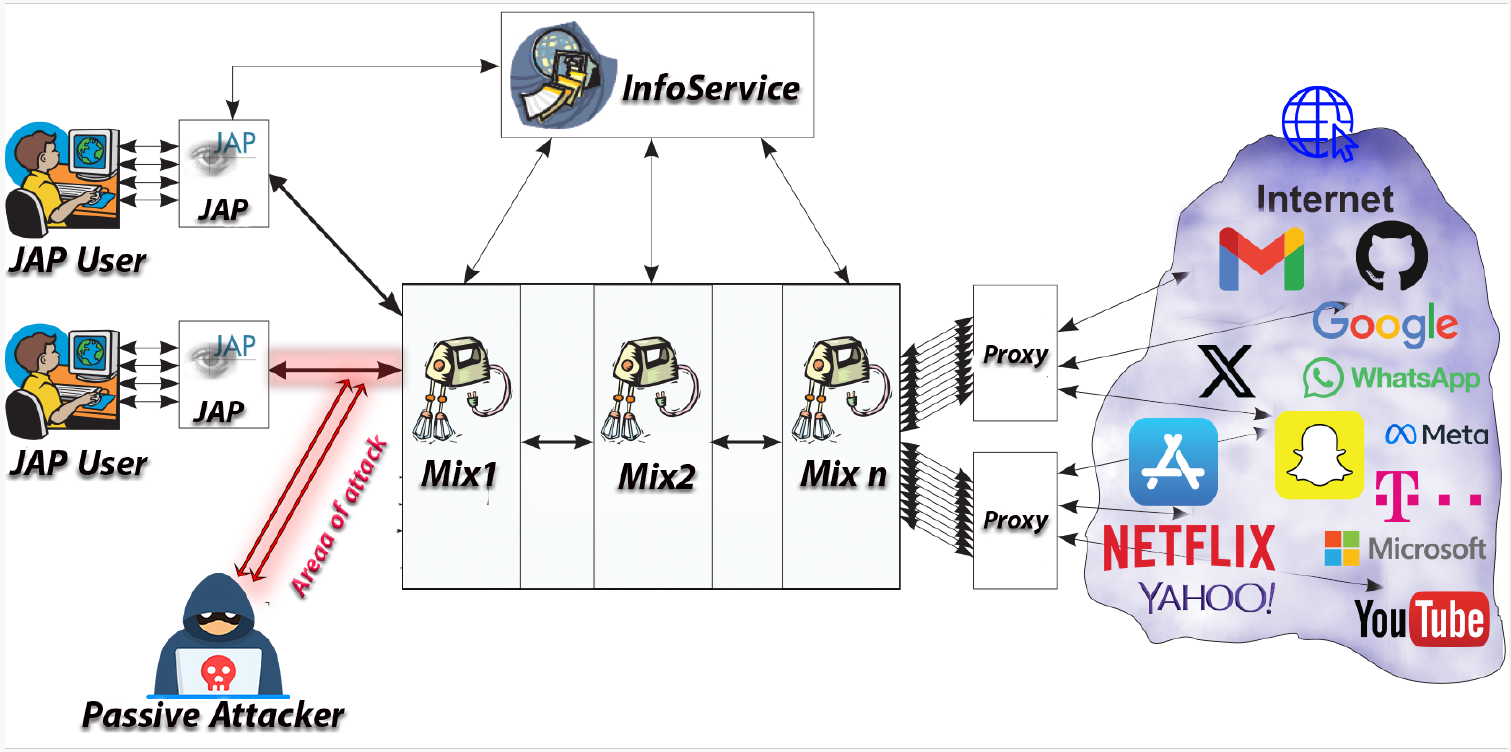
Website fingerprinting (WF) attacks pose a serious threat to online privacy, even when users employ anonymizing networks. The effectiveness of deep learning-based WF critically depends on how raw network telemetry is transformed into input representations. In this paper, we systematically compare five feature encoding paradigms–Direction Only, Inter-arrival Times, Unsigned Packet Sizes, Signed Inter-arrival Times, and Signed Packet Sizes–using two deep learning architectures: a 1D Convolutional Neural Network (CNN) and a CNN-LSTM-Attention (CLA) model. We conduct our experiments on a newly collected Java Anon Proxy (JAP) dataset of 10,000 traces, measuring accuracy, stability (standard deviation and learning curves), training time, and peak RAM usage. Our results show that Direction Only achieves high accuracy (99.14% with CLA) and low variance, confirming its discriminative power. However, Signed Packet Sizes combining packet size with directional sign–deliver the best overall performance: CLA reaches 99.56% accuracy with low variance (0.24%), while the CNN model attains 98.22% with even lower variance (0.18%) and faster training time. A sensitivity analysis with four weighting schemes (accuracy-focused, efficiency-focused, stability-focused, balanced) shows that while Signed Sizes CLA is optimal for absolute peak accuracy, Signed Sizes-CNN provides the best trade-off for practical deployments where computational resources are limited.
Abdulqader Shaawa، Abdoulwase Al Azzani (المؤلف) (2026). A Comparative Analysis of Feature Representation Paradigms for Website Fingerprinting on the Java Anon Proxy Network. مجلة جامعة صنعاء للعلوم التطبيقية والتكنولوجيا, 2292- 2301. DOI: https://doi.org/10.59628/jast.v4i8.3272
Abdulqader Shaawa، Abdoulwase Al Azzani (المؤلف). “A Comparative Analysis of Feature Representation Paradigms for Website Fingerprinting on the Java Anon Proxy Network.” مجلة جامعة صنعاء للعلوم التطبيقية والتكنولوجيا, 2026, pp. 2292- 2301. https://doi.org/10.59628/jast.v4i8.3272. Accessed 30 أكتوبر. 2026.
Abdulqader Shaawa، Abdoulwase Al Azzani (المؤلف). 2026. “A Comparative Analysis of Feature Representation Paradigms for Website Fingerprinting on the Java Anon Proxy Network.” مجلة جامعة صنعاء للعلوم التطبيقية والتكنولوجيا : 2292- 2301. DOI: https://doi.org/10.59628/jast.v4i8.3272
Abdulqader Shaawa، Abdoulwase Al Azzani (المؤلف) (2026) ‘A Comparative Analysis of Feature Representation Paradigms for Website Fingerprinting on the Java Anon Proxy Network’, مجلة جامعة صنعاء للعلوم التطبيقية والتكنولوجيا, pp. 2292- 2301. doi: 10.59628/jast.v4i8.3272
@article{jast2026_art3272,
    author  = {Abdulqader Shaawa، Abdoulwase Al Azzani (المؤلف)},
    title   = {A Comparative Analysis of Feature Representation Paradigms for Website Fingerprinting on the Java Anon Proxy Network},
    journal = {مجلة جامعة صنعاء للعلوم التطبيقية والتكنولوجيا},    year    = {2026},    month   = {أغسطس},    pages   = {2292- 2301},    doi     = {10.59628/jast.v4i8.3272},
    url     = {https://doi.org/10.59628/jast.v4i8.3272},}
A Comparative Analysis of Feature Representation Paradigms for Website Fingerprinting on the Java Anon Proxy Network

Even though 6G networks will provide not just terabit-level throughput and sub-millisecond-level latency but also connect exponentially more devices, the explosive growth of IoT applications is fueling an unprecedented demand for wireless spectrum. Traditional, static allocation schemes can’t keep up with this scale and dynamism, leading to underuse and conflict. Most blockchain solutions for dynamic spectrum access lack robust security measures against emerging quantum-era threats and do not incorporate quantum-resistant cryptography, which is essential in future 6G environments. In this research article, we propose a five-layer conceptual blockchain architecture to enable DSA in 6G cognitive radio IoT networks, combining a permissioned PBFT blockchain with quantum secure cryptography (ECC and QKD), smart contracts, edge-computing nodes, and AI-driven spectrum intelligence, the architecture integrates trust management, quantum-safe cryptography, and intelligent decision-making to ensure reliable spectrum access in future 6G environments. The system model, layered architecture, and associated security and consensus mechanisms are presented. While implementation remains future work, this conceptual design offers a strong theoretical foundation for building robust, secure, and scalable spectrum management systems in next-generation wireless networks.
NASSMAH Y. AL-MATARI ، AMMAR T. ZAHARY (المؤلف) (2025). A Conceptual Blockchain Architecture for Dynamic Spectrum Access in 6G CR-IoT Networks: An Analytical Review. مجلة جامعة صنعاء للعلوم التطبيقية والتكنولوجيا, 1467-1480. DOI: https://doi.org/10.59628/jast.v3i6.1953
NASSMAH Y. AL-MATARI ، AMMAR T. ZAHARY (المؤلف). “A Conceptual Blockchain Architecture for Dynamic Spectrum Access in 6G CR-IoT Networks: An Analytical Review.” مجلة جامعة صنعاء للعلوم التطبيقية والتكنولوجيا, 2025, pp. 1467-1480. https://doi.org/10.59628/jast.v3i6.1953. Accessed 30 أكتوبر. 2026.
NASSMAH Y. AL-MATARI ، AMMAR T. ZAHARY (المؤلف). 2025. “A Conceptual Blockchain Architecture for Dynamic Spectrum Access in 6G CR-IoT Networks: An Analytical Review.” مجلة جامعة صنعاء للعلوم التطبيقية والتكنولوجيا : 1467-1480. DOI: https://doi.org/10.59628/jast.v3i6.1953
NASSMAH Y. AL-MATARI ، AMMAR T. ZAHARY (المؤلف) (2025) ‘A Conceptual Blockchain Architecture for Dynamic Spectrum Access in 6G CR-IoT Networks: An Analytical Review’, مجلة جامعة صنعاء للعلوم التطبيقية والتكنولوجيا, pp. 1467-1480. doi: 10.59628/jast.v3i6.1953
@article{jast2025_art1953,
    author  = {NASSMAH Y. AL-MATARI ، AMMAR T. ZAHARY  (المؤلف)},
    title   = {A Conceptual Blockchain Architecture for Dynamic Spectrum Access in 6G CR-IoT Networks: An Analytical Review},
    journal = {مجلة جامعة صنعاء للعلوم التطبيقية والتكنولوجيا},    year    = {2025},    month   = {ديسمبر},    pages   = {1467-1480},    doi     = {10.59628/jast.v3i6.1953},
    url     = {https://doi.org/10.59628/jast.v3i6.1953},}
A Conceptual Blockchain Architecture for Dynamic Spectrum Access in 6G CR-IoT Networks: An Analytical Review
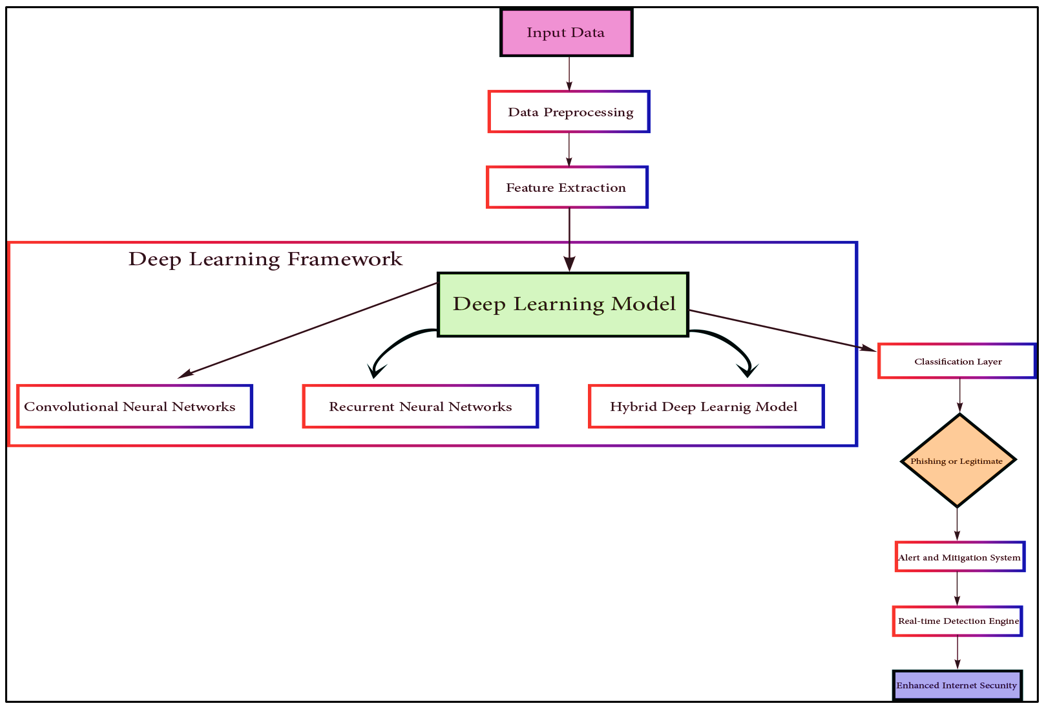
Phishing attacks continue to be a persistent and critical challenge in the cybersecurity landscape, exploiting weaknesses in Internet security through sophisticated tactics, such as social engineering, deceptive domain names, and URL obfuscation. Traditional detection systems often fail to identify these evolving threats because of their limited adaptability and high false positive rates. In this study, a deep learning approach is proposed to enhance the accuracy of phishing detection and minimize erroneous classifications. Leveraging a comprehensive dataset composed of key URL-related features, including URL structure, domain age, presence of HTTPS, and lexical patterns, we implemented and compared the performance of four deep learning models: Convolutional Neural Network with Bidirectional Long Short-Term Memory (CNN-BLSTM), Self-Normalizing Neural Network (SNN), Transformer, and Deep Belief Network (DBN). Among these, the CNN-BLSTM model achieved the highest accuracy of 81\%, demonstrating its superior ability to capture sequential and spatial patterns inherent in phishing URLs. The experimental results confirm that deep-learning methods outperform conventional techniques in detecting phishing attempts. However, challenges such as high computational complexity limit real-time deployment. This study highlights the transformative potential of deep learning for strengthening online threat detection and enhancing cybersecurity defenses.
Abdulrahman A. Alsabri، Marwa A. Al-Hadi (المؤلف) (2025). A Hybrid CNN-BLSTM Model for Phishing Attack Detection Using Deep Learning to Strengthen Internet Security. مجلة جامعة صنعاء للعلوم التطبيقية والتكنولوجيا, 964-972. DOI: https://doi.org/10.59628/jast.v3i4.1822
Abdulrahman A. Alsabri، Marwa A. Al-Hadi (المؤلف). “A Hybrid CNN-BLSTM Model for Phishing Attack Detection Using Deep Learning to Strengthen Internet Security.” مجلة جامعة صنعاء للعلوم التطبيقية والتكنولوجيا, 2025, pp. 964-972. https://doi.org/10.59628/jast.v3i4.1822. Accessed 30 أكتوبر. 2026.
Abdulrahman A. Alsabri، Marwa A. Al-Hadi (المؤلف). 2025. “A Hybrid CNN-BLSTM Model for Phishing Attack Detection Using Deep Learning to Strengthen Internet Security.” مجلة جامعة صنعاء للعلوم التطبيقية والتكنولوجيا : 964-972. DOI: https://doi.org/10.59628/jast.v3i4.1822
Abdulrahman A. Alsabri، Marwa A. Al-Hadi (المؤلف) (2025) ‘A Hybrid CNN-BLSTM Model for Phishing Attack Detection Using Deep Learning to Strengthen Internet Security’, مجلة جامعة صنعاء للعلوم التطبيقية والتكنولوجيا, pp. 964-972. doi: 10.59628/jast.v3i4.1822
@article{jast2025_art1822,
    author  = {Abdulrahman A. Alsabri، Marwa A.  Al-Hadi (المؤلف)},
    title   = {A Hybrid CNN-BLSTM Model for Phishing Attack Detection Using Deep Learning to Strengthen Internet Security},
    journal = {مجلة جامعة صنعاء للعلوم التطبيقية والتكنولوجيا},    year    = {2025},    month   = {أغسطس},    pages   = {964-972},    doi     = {10.59628/jast.v3i4.1822},
    url     = {https://doi.org/10.59628/jast.v3i4.1822},}
A Hybrid CNN-BLSTM Model for Phishing Attack Detection Using Deep Learning to Strengthen Internet Security

With the rapid developments in data volume and the complexity of cyber-attacks, attack detection systems face increasing challenges. This paper presents a model based on a Support Vector Machine (SVM) algorithm to detect attacks. To improve detection accuracy and reduce computational complexity, the Principal Component Analysis (PCA) algorithm was used as a first stage to select the most important features in the NSL-KDD dataset. The proposed model was applied to the NSL-KDD dataset. The results showed that using the SVM and PCA algorithms helps reduce the data dimensions, leading to improved classification accuracy and reduced computational complexity of the model. This model provides a machine learning-based detection system that can effectively identify attacks, which leads to enhancing network security against complex threats.
Essra Abd wazkool، Abdulrahman A. Alsabri، Suad Mohammed Othman (المؤلف) (2026). Attacks Detection Model Based on a Machine Learning Algorithm. مجلة جامعة صنعاء للعلوم التطبيقية والتكنولوجيا, 1656-1664. DOI: https://doi.org/10.59628/jast.v4i2.2270
Essra Abd wazkool، Abdulrahman A. Alsabri، Suad Mohammed Othman (المؤلف). “Attacks Detection Model Based on a Machine Learning Algorithm.” مجلة جامعة صنعاء للعلوم التطبيقية والتكنولوجيا, 2026, pp. 1656-1664. https://doi.org/10.59628/jast.v4i2.2270. Accessed 30 أكتوبر. 2026.
Essra Abd wazkool، Abdulrahman A. Alsabri، Suad Mohammed Othman (المؤلف). 2026. “Attacks Detection Model Based on a Machine Learning Algorithm.” مجلة جامعة صنعاء للعلوم التطبيقية والتكنولوجيا : 1656-1664. DOI: https://doi.org/10.59628/jast.v4i2.2270
Essra Abd wazkool، Abdulrahman A. Alsabri، Suad Mohammed Othman (المؤلف) (2026) ‘Attacks Detection Model Based on a Machine Learning Algorithm’, مجلة جامعة صنعاء للعلوم التطبيقية والتكنولوجيا, pp. 1656-1664. doi: 10.59628/jast.v4i2.2270
@article{jast2026_art2270,
    author  = {Essra Abd wazkool، Abdulrahman A. Alsabri، Suad Mohammed Othman (المؤلف)},
    title   = {Attacks Detection Model Based on a Machine Learning Algorithm},
    journal = {مجلة جامعة صنعاء للعلوم التطبيقية والتكنولوجيا},    year    = {2026},    month   = {فبراير},    pages   = {1656-1664},    doi     = {10.59628/jast.v4i2.2270},
    url     = {https://doi.org/10.59628/jast.v4i2.2270},}
Attacks Detection Model Based on a Machine Learning Algorithm
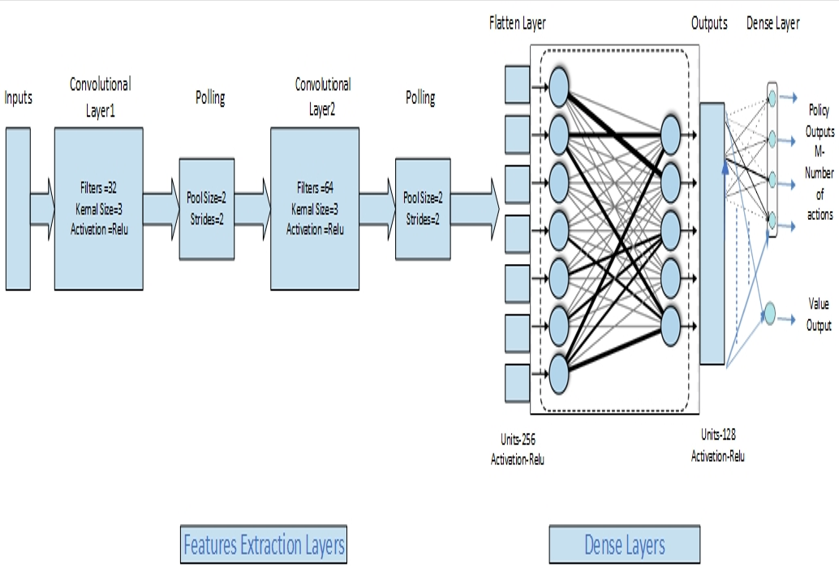
Intrusion detection is crucial for securing Industrial Internet of Things (IIoT) networks, especially within edge computing environments. Traditional Intrusion Detection Systems (IDSs) struggle with the complexity and dynamic nature of IIoT networks, where increasing intrusion classes make classification tasks more challenging. While the Asynchronous Advantage Actor-Critic (A3C) algorithm has shown promise in reinforcement learning-based IDSs, previous A3C implementations suffer from slow convergence, high variance, unstable gradient updates, and inefficient parameter synchronization. These issues limit their ability to accurately classify diverse attack patterns, particularly underrepresented intrusion types. To address these challenges, this research introduces an Enhanced A3C (EA3C) using an enhanced convolutional neural network (CNN) structure to significantly improve feature representation compared to traditional fully connected networks from the dataset before passing them to the policy and value networks. Additionally, gradient clipping will be applied to prevent exploding gradients, and
bootstrapping-based reward handling will be used to enhance policy and value estimation for better long-term learning and improved intrusion detection performance. The proposed approach is evaluated using the X-IIoTID dataset, which is a comprehensive benchmark that is effective in detecting a wide range of cyber threats in IIoT environments. Experimental results indicate that the EA3C algorithm significantly outperforms Decision Tree (DT), Adversarial Environment Reinforcement Learning (AERL), Double Deep Q-Network (DDQN), and traditional A3C algorithms, particularly in identifying underrepresented attack classes. The results of EA3C show that its weighted Accuracy, Precision, Recall, and F1-score exceeded 0.98, making it suitable for practical use with the increasing number of labeled classes of cyber-attacks. Although these results are promising, this algorithm needs further improvement, especially for attacks with very small samples or attacks that occur for the first time, such as zero-day attacks.
Abdulssalam M .Khako، Sharaf A . Alhomdy (المؤلف) (2025). Enhanced Asynchronous Advantage Actor-Critic (EA3C) Algorithm for Intrusion Detection in IIoT Environment. مجلة جامعة صنعاء للعلوم التطبيقية والتكنولوجيا, 898-914. DOI: https://doi.org/10.59628/jast.v3i3.1681
Abdulssalam M .Khako، Sharaf A . Alhomdy (المؤلف). “Enhanced Asynchronous Advantage Actor-Critic (EA3C) Algorithm for Intrusion Detection in IIoT Environment.” مجلة جامعة صنعاء للعلوم التطبيقية والتكنولوجيا, 2025, pp. 898-914. https://doi.org/10.59628/jast.v3i3.1681. Accessed 30 أكتوبر. 2026.
Abdulssalam M .Khako، Sharaf A . Alhomdy (المؤلف). 2025. “Enhanced Asynchronous Advantage Actor-Critic (EA3C) Algorithm for Intrusion Detection in IIoT Environment.” مجلة جامعة صنعاء للعلوم التطبيقية والتكنولوجيا : 898-914. DOI: https://doi.org/10.59628/jast.v3i3.1681
Abdulssalam M .Khako، Sharaf A . Alhomdy (المؤلف) (2025) ‘Enhanced Asynchronous Advantage Actor-Critic (EA3C) Algorithm for Intrusion Detection in IIoT Environment’, مجلة جامعة صنعاء للعلوم التطبيقية والتكنولوجيا, pp. 898-914. doi: 10.59628/jast.v3i3.1681
@article{jast2025_art1681,
    author  = {Abdulssalam M  .Khako، Sharaf A . Alhomdy (المؤلف)},
    title   = {Enhanced Asynchronous Advantage Actor-Critic (EA3C) Algorithm for Intrusion Detection in IIoT Environment},
    journal = {مجلة جامعة صنعاء للعلوم التطبيقية والتكنولوجيا},    year    = {2025},    month   = {يونيو},    pages   = {898-914},    doi     = {10.59628/jast.v3i3.1681},
    url     = {https://doi.org/10.59628/jast.v3i3.1681},}
Enhanced Asynchronous Advantage Actor-Critic (EA3C) Algorithm for Intrusion Detection in IIoT Environment

Strong cybersecurity measures are becoming vitally crucial as cloud computing utilization rises. Advanced and dynamic cyberthreats are frequently difficult for traditional intrusion detection systems (IDS), which rely on preset signatures and rules, to identify. This study improves the detection of known and unknown intrusions in cloud systems using Machine Learning (ML) methods. The UNSW-NB15 dataset was used to train and assess a num- ber of ML classifiers, including Random Forest (RF), Decision Tree (DT), XGBoost, Naïve Bayes (NB), Support Vector Machine (SVM), Logistic Regression (LR), and Gradient Boosting (GB). It uses full feature training across several classifiers and also investigates the implications of feature reduction, in contrast to many other studies that mainly employ full feature sets to train RF alone. Critical metrics including accuracy (ACC), precision, recall, and F1-score are used to analyze classifier performance and provide a thorough evaluation of their efficacy in in- trusion detection. The findings show that using all characteristics the RF and DT obtained perfect accuracy (1.00). In the case of less characteristics when using feature selection techniques (RF-based selection, information gain, or mutual information), the RF retained the best accuracy (0.94), whereas NB performed the worst overall. This study emphasizes the significance of feature selection in enhancing IDS performance and shows that ML-based techniques may greatly increase threat detection in cloud settings, even when feature dimensionality is lowered.
Khawla Ali Maodah، Fursan Thabit، Sharaf Alhomdy (المؤلف) (2025). Enhancing Intrusion Detection System in cloud computing Using Machine Learning Techniques. مجلة جامعة صنعاء للعلوم التطبيقية والتكنولوجيا, 1203-1221. DOI: https://doi.org/10.59628/jast.v3i5.1777
Khawla Ali Maodah، Fursan Thabit، Sharaf Alhomdy (المؤلف). “Enhancing Intrusion Detection System in cloud computing Using Machine Learning Techniques.” مجلة جامعة صنعاء للعلوم التطبيقية والتكنولوجيا, 2025, pp. 1203-1221. https://doi.org/10.59628/jast.v3i5.1777. Accessed 30 أكتوبر. 2026.
Khawla Ali Maodah، Fursan Thabit، Sharaf Alhomdy (المؤلف). 2025. “Enhancing Intrusion Detection System in cloud computing Using Machine Learning Techniques.” مجلة جامعة صنعاء للعلوم التطبيقية والتكنولوجيا : 1203-1221. DOI: https://doi.org/10.59628/jast.v3i5.1777
Khawla Ali Maodah، Fursan Thabit، Sharaf Alhomdy (المؤلف) (2025) ‘Enhancing Intrusion Detection System in cloud computing Using Machine Learning Techniques’, مجلة جامعة صنعاء للعلوم التطبيقية والتكنولوجيا, pp. 1203-1221. doi: 10.59628/jast.v3i5.1777
@article{jast2025_art1777,
    author  = {Khawla Ali Maodah، Fursan Thabit، Sharaf Alhomdy (المؤلف)},
    title   = {Enhancing Intrusion Detection System in cloud computing Using Machine Learning Techniques},
    journal = {مجلة جامعة صنعاء للعلوم التطبيقية والتكنولوجيا},    year    = {2025},    month   = {أكتوبر},    pages   = {1203-1221},    doi     = {10.59628/jast.v3i5.1777},
    url     = {https://doi.org/10.59628/jast.v3i5.1777},}
Enhancing Intrusion Detection System in cloud computing Using Machine Learning Techniques

As cyber threats continue to evolve in sophistication, this study investigates critical vulnerabilities within Cisco ASA firewalls, with a particular emphasis on the Adaptive Security Device Manager (ASDM) interface. The research demonstrates how advanced malware can exploit the file-based architecture of ASDM to circumvent traditional firewall protections. A controlled virtual environment was established using VMware, incorporating a native Cisco ASA 5512-X firewall running software version 8.6(1), a Windows 10-based victim machine, and a Kali Linux attacker system. To facilitate the exploitation process, substantial modifications were applied to the open source tool “theway”, enabling it to extract and reassemble the .bin installation package without altering the structure of its internal components. Additionally, 7-Zip was employed to unpack the embedded .msi installer files, allowing for the insertion of malicious payloads. The WiX Toolset, used in its unmodified state, was then utilized to rebuild the .msi packages. These .msi files were selected as the primary attack vector due to their broad compatibility across ASDM versions and reduced likelihood of detection. In contrast, attempts to inject unsigned Java .class files into the pdm.sgz archive were unsuccessful, as recent ASDM versions enforce strict digital signature verification. The attack scenarios simulated in this study included reverse shell injection and credential interception through a man-in-the middle (MITM) attack. Results revealed significant weaknesses in Cisco ASA’s file validation procedures and outbound traffic monitoring mechanisms. To address these issues, a comprehensive multi-layered defense strategy is proposed, incorporating SIEM/EDR integration, robust digital signature enforcement, and internal network segmentation. The findings of this research contribute to both academic and practical efforts to enhance the security posture of enterprise firewall deployments against sophisticated malware threats.
Malek Algabri، Jamil Rashid، Ehab Al-junid (المؤلف) (2025). Exploiting ASDM Vulnerabilities and Proactive Defense Strategies Against Sophisticated Malware in Cisco ASA Firewalls Security. مجلة جامعة صنعاء للعلوم التطبيقية والتكنولوجيا, 933-940. DOI: https://doi.org/10.59628/jast.v3i4.1866
Malek Algabri، Jamil Rashid، Ehab Al-junid (المؤلف). “Exploiting ASDM Vulnerabilities and Proactive Defense Strategies Against Sophisticated Malware in Cisco ASA Firewalls Security.” مجلة جامعة صنعاء للعلوم التطبيقية والتكنولوجيا, 2025, pp. 933-940. https://doi.org/10.59628/jast.v3i4.1866. Accessed 30 أكتوبر. 2026.
Malek Algabri، Jamil Rashid، Ehab Al-junid (المؤلف). 2025. “Exploiting ASDM Vulnerabilities and Proactive Defense Strategies Against Sophisticated Malware in Cisco ASA Firewalls Security.” مجلة جامعة صنعاء للعلوم التطبيقية والتكنولوجيا : 933-940. DOI: https://doi.org/10.59628/jast.v3i4.1866
Malek Algabri، Jamil Rashid، Ehab Al-junid (المؤلف) (2025) ‘Exploiting ASDM Vulnerabilities and Proactive Defense Strategies Against Sophisticated Malware in Cisco ASA Firewalls Security’, مجلة جامعة صنعاء للعلوم التطبيقية والتكنولوجيا, pp. 933-940. doi: 10.59628/jast.v3i4.1866
@article{jast2025_art1866,
    author  = {Malek Algabri، Jamil Rashid، Ehab Al-junid (المؤلف)},
    title   = {Exploiting ASDM Vulnerabilities and Proactive Defense Strategies Against Sophisticated Malware in Cisco ASA Firewalls Security},
    journal = {مجلة جامعة صنعاء للعلوم التطبيقية والتكنولوجيا},    year    = {2025},    month   = {أغسطس},    pages   = {933-940},    doi     = {10.59628/jast.v3i4.1866},
    url     = {https://doi.org/10.59628/jast.v3i4.1866},}
Exploiting ASDM Vulnerabilities and Proactive Defense Strategies Against Sophisticated Malware in Cisco ASA Firewalls Security
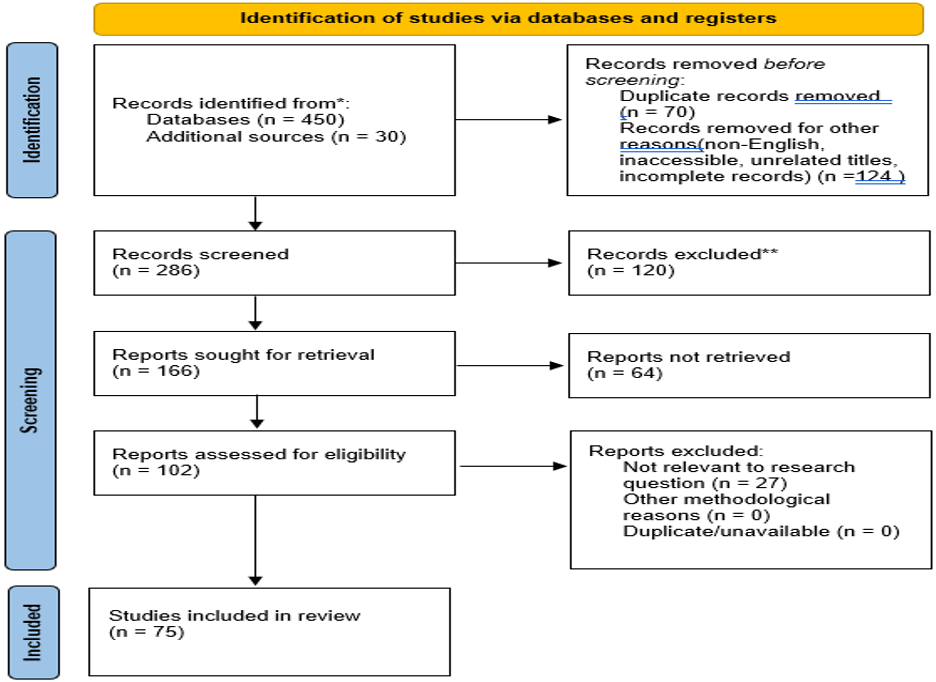
The rapid advancement of Generative Artificial Intelligence (GAI) has led to the proliferation of deepfake media, posing significant threats to digital security, privacy, and information integrity. To overcome this challenge, substantial research efforts have been directed toward developing automated detection techniques using deep learning methodologies. This study presents a comprehensive survey of deep learning-based deepfake detection methods, emphasizing lightweight and hybrid architectures designed for real-time deployment. The survey systematically categorizes the landscape of deepfake generation techniques and evaluates state-of-the-art detection frameworks, including: classical CNNs, efficient backbone architectures (MobileNet, EfficientNet), and spatiotemporal models (CNN LSTM/GRU). Furthermore, this study examines model compression techniques— including pruning and quantization — essential for resource-constrained deployment, and provides a structured analysis of benchmark datasets, major detection architecture categories, and persistent research gaps. By critically examining the trade-off between detection accuracy and computational latency, this paper identifies key open challenges and concludes by highlighting a research gap for probabilistically robust, lightweight frameworks, offering a roadmap for future research toward reliable, real-time deepfake forensics in unconstrained environments.
Azhar Abdulmughni، Nagi AL-Shaibany (المؤلف) (2026). Lightweight Hybrid Deep Learning Models for Real-Time Deepfake Video Detection: A Comprehensive Survey. مجلة جامعة صنعاء للعلوم التطبيقية والتكنولوجيا, 2379-2389. DOI: https://doi.org/10.59628/jast.v4i7.3069
Azhar Abdulmughni، Nagi AL-Shaibany (المؤلف). “Lightweight Hybrid Deep Learning Models for Real-Time Deepfake Video Detection: A Comprehensive Survey.” مجلة جامعة صنعاء للعلوم التطبيقية والتكنولوجيا, 2026, pp. 2379-2389. https://doi.org/10.59628/jast.v4i7.3069. Accessed 30 أكتوبر. 2026.
Azhar Abdulmughni، Nagi AL-Shaibany (المؤلف). 2026. “Lightweight Hybrid Deep Learning Models for Real-Time Deepfake Video Detection: A Comprehensive Survey.” مجلة جامعة صنعاء للعلوم التطبيقية والتكنولوجيا : 2379-2389. DOI: https://doi.org/10.59628/jast.v4i7.3069
Azhar Abdulmughni، Nagi AL-Shaibany (المؤلف) (2026) ‘Lightweight Hybrid Deep Learning Models for Real-Time Deepfake Video Detection: A Comprehensive Survey’, مجلة جامعة صنعاء للعلوم التطبيقية والتكنولوجيا, pp. 2379-2389. doi: 10.59628/jast.v4i7.3069
@article{jast2026_art3069,
    author  = {Azhar Abdulmughni، Nagi AL-Shaibany (المؤلف)},
    title   = {Lightweight Hybrid Deep Learning Models for Real-Time Deepfake Video Detection: A Comprehensive Survey},
    journal = {مجلة جامعة صنعاء للعلوم التطبيقية والتكنولوجيا},    year    = {2026},    month   = {يوليو},    pages   = {2379-2389},    doi     = {10.59628/jast.v4i7.3069},
    url     = {https://doi.org/10.59628/jast.v4i7.3069},}
Lightweight Hybrid Deep Learning Models for Real-Time Deepfake Video Detection: A Comprehensive Survey

The rapid evolution of 5G networks introduces unprecedented high-speed communication and massive connectivity, but it also intensifies security challenges. Ensuring confidentiality, integrity, and availability of data requires robust encryption mechanisms. This study evaluates the performance and overhead of Advanced Encryption Standard (AES), Rivest–Shamir–Adleman (RSA), and Elliptic Curve Cryptography (ECC) in 5G networks using simulation-based analysis. Metrics considered include latency (ms), throughput (%), encryption/decryption time per MB, and computational cost on UE-class hardware, providing quantitative comparison across typical 5G scenarios (high mobility eMBB, URLLC, and mMTCIoT devices).
Key findings: AES achieves low latency and high throughput for bulk data; ECC provides secure, lightweight key exchange; RSA is suitable only for session key establishment due to higher computational overhead. Overall, hybrid AES+ECC provides the best tradeoff between security and performance in realistic 5G environments.
Mohamed Hankal (المؤلف) (2026). Performance of Encryption schemes in 5G Networks. مجلة جامعة صنعاء للعلوم التطبيقية والتكنولوجيا, 1959-1966. DOI: https://doi.org/10.59628/jast.v4i4.2317
Mohamed Hankal (المؤلف). “Performance of Encryption schemes in 5G Networks.” مجلة جامعة صنعاء للعلوم التطبيقية والتكنولوجيا, 2026, pp. 1959-1966. https://doi.org/10.59628/jast.v4i4.2317. Accessed 30 أكتوبر. 2026.
Mohamed Hankal (المؤلف). 2026. “Performance of Encryption schemes in 5G Networks.” مجلة جامعة صنعاء للعلوم التطبيقية والتكنولوجيا : 1959-1966. DOI: https://doi.org/10.59628/jast.v4i4.2317
Mohamed Hankal (المؤلف) (2026) ‘Performance of Encryption schemes in 5G Networks’, مجلة جامعة صنعاء للعلوم التطبيقية والتكنولوجيا, pp. 1959-1966. doi: 10.59628/jast.v4i4.2317
@article{jast2026_art2317,
    author  = {Mohamed Hankal (المؤلف)},
    title   = {Performance of Encryption schemes in 5G Networks},
    journal = {مجلة جامعة صنعاء للعلوم التطبيقية والتكنولوجيا},    year    = {2026},    month   = {أبريل},    pages   = {1959-1966},    doi     = {10.59628/jast.v4i4.2317},
    url     = {https://doi.org/10.59628/jast.v4i4.2317},}
Performance of Encryption schemes in 5G Networks
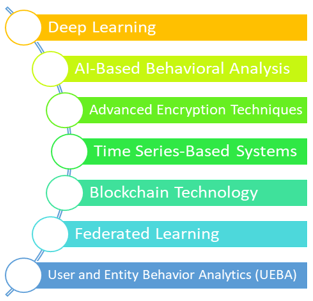
With the continued development of cloud computing environments, security measures have become more im-portant than ever. Intrusion detection systems (IDS) are considered one of the most critical security measures in cloud computing. Researchers aim to find effective technologies for detecting intrusions in cloud computing. This paper presents a comprehensive survey of the techniques used for Intrusion Detection in Cloud Computing and their classification. Specifically, it covers a range of techniques such as machine learning, and provides insights for researchers looking to develop more flexible and effective techniques for intrusion detection in cloud computing.
سعاد محمد عثمان، Adnan Yehia Al-mutawkkil، Amani Mohammed Alnashi (المؤلف) (2024). Survey of Intrusion Detection Techniques in Cloud Computing. مجلة جامعة صنعاء للعلوم التطبيقية والتكنولوجيا, 363-374. DOI: https://doi.org/10.59628/jast.v2i4.970
سعاد محمد عثمان، Adnan Yehia Al-mutawkkil، Amani Mohammed Alnashi (المؤلف). “Survey of Intrusion Detection Techniques in Cloud Computing.” مجلة جامعة صنعاء للعلوم التطبيقية والتكنولوجيا, 2024, pp. 363-374. https://doi.org/10.59628/jast.v2i4.970. Accessed 30 أكتوبر. 2026.
سعاد محمد عثمان، Adnan Yehia Al-mutawkkil، Amani Mohammed Alnashi (المؤلف). 2024. “Survey of Intrusion Detection Techniques in Cloud Computing.” مجلة جامعة صنعاء للعلوم التطبيقية والتكنولوجيا : 363-374. DOI: https://doi.org/10.59628/jast.v2i4.970
سعاد محمد عثمان، Adnan Yehia Al-mutawkkil، Amani Mohammed Alnashi (المؤلف) (2024) ‘Survey of Intrusion Detection Techniques in Cloud Computing’, مجلة جامعة صنعاء للعلوم التطبيقية والتكنولوجيا, pp. 363-374. doi: 10.59628/jast.v2i4.970
@article{jast2024_art970,
    author  = {سعاد محمد عثمان، Adnan Yehia Al-mutawkkil، Amani Mohammed Alnashi (المؤلف)},
    title   = {Survey of Intrusion Detection Techniques in Cloud Computing},
    journal = {مجلة جامعة صنعاء للعلوم التطبيقية والتكنولوجيا},    year    = {2024},    month   = {سبتمبر},    pages   = {363-374},    doi     = {10.59628/jast.v2i4.970},
    url     = {https://doi.org/10.59628/jast.v2i4.970},}
Survey of Intrusion Detection Techniques in Cloud Computing
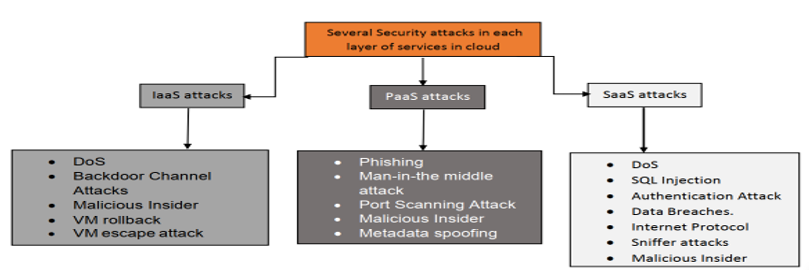
One of the most popular IT subfields today is cloud computing. With a simple Internet connection, it enables users to access cutting-edge information, technology, and infrastructure. Because of the numerous benefits offered, most international organizations have started to move toward cloud computing environments during the last few decades. Companies and organizations find cloud computing appealing because it eliminates the need to plan for provisioning and enables them to start with modest resources and progressively raise them as service demand increases. Cloud computing presents opportunities for research as well as obstacles. The security and privacy of data in cloud systems are important issues. Now that cloud computing technology is developing quickly, it is more convenient for businesses to move their workload there. It asks for a smaller investment and guarantees quick delivery of cutting-edge technologies. Cloud security is of the utmost importance. It is susceptible to cyberattacks that exploit its vulnerabilities in an insecure cloud environment. This puts the cloud environment’s assets, resources, and data in danger. In this paper, we reviewed some cloud computing studies about various attacks on cloud computing services. This paper’s main objective is to give readers a better understanding of security issues and solutions.
Fatima ALhadi، Nagi Ali AL-Shaibany، Sharaf Abdulhak AL-Homdyl (المؤلف) (2024). Survey on Cloud Computing Security. مجلة جامعة صنعاء للعلوم التطبيقية والتكنولوجيا, 381-390. DOI: https://doi.org/10.59628/jast.v2i4.1025
Fatima ALhadi، Nagi Ali AL-Shaibany، Sharaf Abdulhak AL-Homdyl (المؤلف). “Survey on Cloud Computing Security.” مجلة جامعة صنعاء للعلوم التطبيقية والتكنولوجيا, 2024, pp. 381-390. https://doi.org/10.59628/jast.v2i4.1025. Accessed 30 أكتوبر. 2026.
Fatima ALhadi، Nagi Ali AL-Shaibany، Sharaf Abdulhak AL-Homdyl (المؤلف). 2024. “Survey on Cloud Computing Security.” مجلة جامعة صنعاء للعلوم التطبيقية والتكنولوجيا : 381-390. DOI: https://doi.org/10.59628/jast.v2i4.1025
Fatima ALhadi، Nagi Ali AL-Shaibany، Sharaf Abdulhak AL-Homdyl (المؤلف) (2024) ‘Survey on Cloud Computing Security’, مجلة جامعة صنعاء للعلوم التطبيقية والتكنولوجيا, pp. 381-390. doi: 10.59628/jast.v2i4.1025
@article{jast2024_art1025,
    author  = {Fatima ALhadi، Nagi Ali AL-Shaibany، Sharaf Abdulhak AL-Homdyl (المؤلف)},
    title   = {Survey on Cloud Computing Security},
    journal = {مجلة جامعة صنعاء للعلوم التطبيقية والتكنولوجيا},    year    = {2024},    month   = {سبتمبر},    pages   = {381-390},    doi     = {10.59628/jast.v2i4.1025},
    url     = {https://doi.org/10.59628/jast.v2i4.1025},}
Survey on Cloud Computing Security
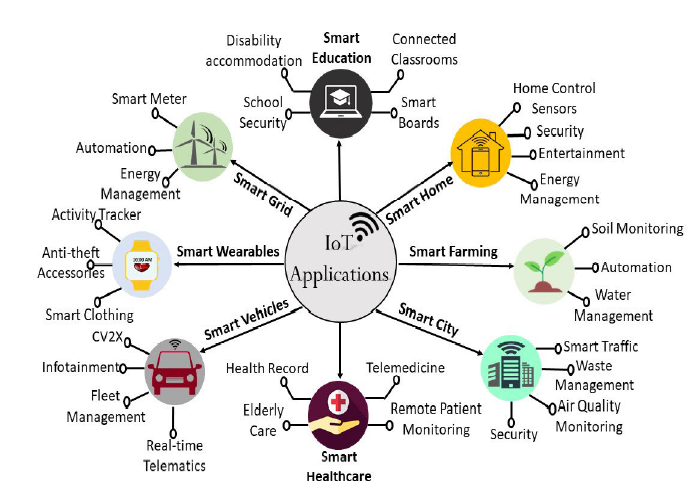
The rapid development of various advanced technologies, including the Internet of Things (IoT), coupled with users’ heavy reliance on technology in various aspects of their daily lives, has led to an increase in the number of devices connected to the Internet. As a result of this rapid growth, the amount of data generated will increase significantly, as the Internet of Things covers many areas, from industrial and healthcare sectors to smart cities and smart homes. However, many challenges, attacks, vulnerabilities, and various anomalies related to the security of IoT devices arise, negatively impacting individuals and organizations. Several anomaly detection techniques have emerged, including machine learning and deep learning, which in turn detect anomalies. This enhances the security, integrity, reliability, and effectiveness of IoT systems. This paper provides a comprehensive survey of peer-reviewed articles from 2018 up to the present that focus on machine learning and deep learning in anomaly detection and attacks on various layers of the Internet of Things architecture. The survey results provide potential insights and recommendations for future research endeavors.
Haifa Hamoud Al-Hamadi ، Ibrahim Ahmed Al-Baltah، Nagi Ali Al-shaibany (المؤلف) (2026). Survey On Intelligent Anomaly Detection Techniques In IOT Security. مجلة جامعة صنعاء للعلوم التطبيقية والتكنولوجيا, 1596-1621. DOI: https://doi.org/10.59628/jast.v4i1.2234
Haifa Hamoud Al-Hamadi ، Ibrahim Ahmed Al-Baltah، Nagi Ali Al-shaibany (المؤلف). “Survey On Intelligent Anomaly Detection Techniques In IOT Security.” مجلة جامعة صنعاء للعلوم التطبيقية والتكنولوجيا, 2026, pp. 1596-1621. https://doi.org/10.59628/jast.v4i1.2234. Accessed 30 أكتوبر. 2026.
Haifa Hamoud Al-Hamadi ، Ibrahim Ahmed Al-Baltah، Nagi Ali Al-shaibany (المؤلف). 2026. “Survey On Intelligent Anomaly Detection Techniques In IOT Security.” مجلة جامعة صنعاء للعلوم التطبيقية والتكنولوجيا : 1596-1621. DOI: https://doi.org/10.59628/jast.v4i1.2234
Haifa Hamoud Al-Hamadi ، Ibrahim Ahmed Al-Baltah، Nagi Ali Al-shaibany (المؤلف) (2026) ‘Survey On Intelligent Anomaly Detection Techniques In IOT Security’, مجلة جامعة صنعاء للعلوم التطبيقية والتكنولوجيا, pp. 1596-1621. doi: 10.59628/jast.v4i1.2234
@article{jast2026_art2234,
    author  = {Haifa Hamoud Al-Hamadi ، Ibrahim Ahmed Al-Baltah، Nagi Ali Al-shaibany (المؤلف)},
    title   = {Survey On Intelligent Anomaly Detection Techniques In IOT Security},
    journal = {مجلة جامعة صنعاء للعلوم التطبيقية والتكنولوجيا},    year    = {2026},    month   = {يناير},    pages   = {1596-1621},    doi     = {10.59628/jast.v4i1.2234},
    url     = {https://doi.org/10.59628/jast.v4i1.2234},}
Survey On Intelligent Anomaly Detection Techniques In IOT Security
لم يتم نشر أي شيء من هذه الفئة بعد.

مجلة جامعة صنعاء
للعلوم التطبيقية والتكنولوجيا
مجلة علمية محكمة ومتاحة للجميع، تنشر أبحاثاً عالية الجودة في مجالات العلوم التطبيقية والهندسة والحاسوب منذ عام 2023.
