Sana'a University Journal of Human Sciences
Volume Four - Issue Two - 2025 - Sana'a University Journal for Human Sciences
Download Full Issue
Articles
How to Cite This Article
Adel Ali Mohammad Al-Najjar (2025). Grounds for Refusing Enforcement of Settlement Agreements according with Article 5-1 of Singapore Convention on Mediation 2018.. Sana'a University Journal of Human Sciences, 1 - 29. DOI: https://doi.org/10.59628/jhs.v4i2.1485
Adel Ali Mohammad Al-Najjar. “Grounds for Refusing Enforcement of Settlement Agreements according with Article 5-1 of Singapore Convention on Mediation 2018..” Sana'a University Journal of Human Sciences, 2025, pp. 1 - 29. https://doi.org/10.59628/jhs.v4i2.1485. Accessed 14 Jul. 2026.
Adel Ali Mohammad Al-Najjar. 2025. “Grounds for Refusing Enforcement of Settlement Agreements according with Article 5-1 of Singapore Convention on Mediation 2018..” Sana'a University Journal of Human Sciences : 1 - 29. DOI: https://doi.org/10.59628/jhs.v4i2.1485
Adel Ali Mohammad Al-Najjar (2025) ‘Grounds for Refusing Enforcement of Settlement Agreements according with Article 5-1 of Singapore Convention on Mediation 2018.’, Sana'a University Journal of Human Sciences, pp. 1 - 29. doi: 10.59628/jhs.v4i2.1485
@article{jhs2025_art1485,
author = {Adel Ali Mohammad Al-Najjar},
title = {Grounds for Refusing Enforcement of Settlement Agreements according with Article 5-1 of Singapore Convention on Mediation 2018.},
journal = {Sana'a University Journal of Human Sciences}, year = {2025}, month = {February}, pages = {1 - 29}, doi = {10.59628/jhs.v4i2.1485},
url = {https://doi.org/10.59628/jhs.v4i2.1485},}
Psychometric properties of the scale for assessing the behavioral traits of gifted students in the eighth grade in the capital, Sana'a
Abstract
This research aimed to verify the psychometric properties of the Renzulli Scale for Estimating the Behavioral Characteristics of the Gifted. It was applied to a sample of (601) male and female students in the eighth grade of the most outstanding schools in the capital Sana'a, with the response of a sample of their teachers amounting to (38) male and female teachers. The study followed the descriptive approach and included three tools: the Renzulli Scale for Estimating the Behavioral Characteristics of the Gifted in the following dimensions: learning, creativity, motivation, leadership, the Standard Progressive Matrices Test, and academic achievement. The following statistical methods were used: percentage, Pearson correlation coefficient, t-test for two independent samples, and alpha-Cronbach's reliability coefficient. The results of the study showed that the Renzulli Scale for Estimating Behavioral Characteristics of the Gifted has a high degree of validity in its types: content validity, concurrent validity with the Progressive Matrices Test and with academic achievement, and construct validity indicators represented by internal consistency validity and discriminant validity. The results also showed that the scale has a high degree of stability in its types: repetition validity, split-half validity, and alpha-Cronbach's reliability. Accordingly, the scale has good psychometric properties in the Yemeni environment. The study recommended using the scale to identify gifted students in Yemen, and training teachers to use the scale so that their responses are accurate and objective.
Keywords
How to Cite This Article
Ali Yahya Saleh Al-Qohali, Najah Abdul Rahim Mohammad Othman (2025). Psychometric properties of the scale for assessing the behavioral traits of gifted students in the eighth grade in the capital, Sana'a. Sana'a University Journal of Human Sciences, 30 - 48. DOI: https://doi.org/10.59628/jhs.v4i2.524
Ali Yahya Saleh Al-Qohali, Najah Abdul Rahim Mohammad Othman. “Psychometric properties of the scale for assessing the behavioral traits of gifted students in the eighth grade in the capital, Sana'a.” Sana'a University Journal of Human Sciences, 2025, pp. 30 - 48. https://doi.org/10.59628/jhs.v4i2.524. Accessed 14 Jul. 2026.
Ali Yahya Saleh Al-Qohali, Najah Abdul Rahim Mohammad Othman. 2025. “Psychometric properties of the scale for assessing the behavioral traits of gifted students in the eighth grade in the capital, Sana'a.” Sana'a University Journal of Human Sciences : 30 - 48. DOI: https://doi.org/10.59628/jhs.v4i2.524
Ali Yahya Saleh Al-Qohali, Najah Abdul Rahim Mohammad Othman (2025) ‘Psychometric properties of the scale for assessing the behavioral traits of gifted students in the eighth grade in the capital, Sana'a’, Sana'a University Journal of Human Sciences, pp. 30 - 48. doi: 10.59628/jhs.v4i2.524
@article{jhs2025_art524,
author = {Ali Yahya Saleh Al-Qohali, Najah Abdul Rahim Mohammad Othman},
title = {Psychometric properties of the scale for assessing the behavioral traits of gifted students in the eighth grade in the capital, Sana'a},
journal = {Sana'a University Journal of Human Sciences}, year = {2025}, month = {February}, pages = {30 - 48}, doi = {10.59628/jhs.v4i2.524},
url = {https://doi.org/10.59628/jhs.v4i2.524},}
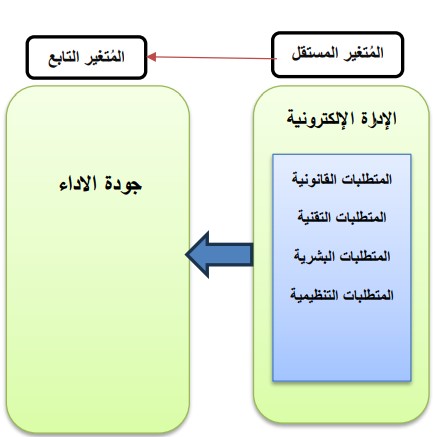
The Role of Electronic Management on the Quality of Performance in the Petroleum Company of Yemen
Abstract
The research aimed to identify the role of electronic management on the quality of performance in the Petroleum Company of Yemen, by studying the level of using electronic management with its requirements (legal, technical, human, organizational) and find out the level of quality of performance in the Yemeni Oil Company. To achieve the objectives of this research, the researcher used the descriptive analytical method, and a questionnaire tool was used to collect data and was applied to a stratified random sample of the company’s employees, consisting of (173) individuals from the total research population (314) The researcher reached a number of results, the most important of which were the following: The use of electronic management has a positive role on the quality of performance in the company, Accordingly, the researcher made a number of recommendations, the most important of which were: Improving the levels of networking, so that there are modern internal communication networks linking departments,sections, branches, agents, beneficiaries, and all financial, administrative, and marketing systems in the company, including the beneficiary service system, and the company’s website, to work together in an integrated manner towards achieving the company’s goals, and in a way that helps Beneficiaries can obtain information and services from anywhere and at any time.
Keywords
How to Cite This Article
Osamah Yaha Alkhatib (2025). The Role of Electronic Management on the Quality of Performance in the Petroleum Company of Yemen . Sana'a University Journal of Human Sciences, 49 - 65. DOI: https://doi.org/10.59628/jhs.v4i2.1370
Osamah Yaha Alkhatib. “The Role of Electronic Management on the Quality of Performance in the Petroleum Company of Yemen .” Sana'a University Journal of Human Sciences, 2025, pp. 49 - 65. https://doi.org/10.59628/jhs.v4i2.1370. Accessed 14 Jul. 2026.
Osamah Yaha Alkhatib. 2025. “The Role of Electronic Management on the Quality of Performance in the Petroleum Company of Yemen .” Sana'a University Journal of Human Sciences : 49 - 65. DOI: https://doi.org/10.59628/jhs.v4i2.1370
Osamah Yaha Alkhatib (2025) ‘The Role of Electronic Management on the Quality of Performance in the Petroleum Company of Yemen ’, Sana'a University Journal of Human Sciences, pp. 49 - 65. doi: 10.59628/jhs.v4i2.1370
@article{jhs2025_art1370,
author = {Osamah Yaha Alkhatib},
title = {The Role of Electronic Management on the Quality of Performance in the Petroleum Company of Yemen },
journal = {Sana'a University Journal of Human Sciences}, year = {2025}, month = {February}, pages = {49 - 65}, doi = {10.59628/jhs.v4i2.1370},
url = {https://doi.org/10.59628/jhs.v4i2.1370},}
The Arab Calendar and Its Earliest Historical Evidence in Poetry and Prose
Abstract
This study addresses the issue of the pre-Islamic Arab calendar, exploring its existence and determining whether it was lunar or solar. It also examines the most prominent calendars before and after Islam, investigating the names of their months and correlating them with their counterparts in Roman and Aramaic-Syriac calendars. The research delves into the earliest historical references to these calendars in poetry and prose, wherever possible.
The study relies on the chronological arrangement of historical references as presented in the online portal of the Doha Historical Dictionary of Arabic, except for the Himyarite calendar. However, it acknowledges a considerable margin of approximation in these dates, given their estimated nature. Nevertheless, such estimations ensure precedence, even if approximate in nature.
The names of the months have been standardized based on lexicographical principles, without adhering to contemporary colloquial usage. For non-Arabic names, the study relied on the work of the distinguished Indian scholar F. Abdul Rahim in his book A Dictionary of Foreign Words in Modern Arabic and Its Dialects. As a polyglot fluent in fourteen living languages, his contributions to cataloging loanwords in Arabic, both ancient and modern, are highly regarded.
In conclusion, the research opens new avenues for specialists to conduct in-depth studies on individual Arab calendars. Such studies would establish their origins, delineate subtle differences among them, and trace their earliest historical beginnings in accordance with the principles of historiography. However, this endeavor requires more time, extensive investigation, and detailed writing—beyond the scope of a paper published in a journal.

Keywords
How to Cite This Article
Maqbil Al-Tam Amer Al-Ahmadi (2025). The Arab Calendar and Its Earliest Historical Evidence in Poetry and Prose. Sana'a University Journal of Human Sciences, 66 - 82. DOI: https://doi.org/10.59628/jhs.v4i2.1479
Maqbil Al-Tam Amer Al-Ahmadi. “The Arab Calendar and Its Earliest Historical Evidence in Poetry and Prose.” Sana'a University Journal of Human Sciences, 2025, pp. 66 - 82. https://doi.org/10.59628/jhs.v4i2.1479. Accessed 14 Jul. 2026.
Maqbil Al-Tam Amer Al-Ahmadi. 2025. “The Arab Calendar and Its Earliest Historical Evidence in Poetry and Prose.” Sana'a University Journal of Human Sciences : 66 - 82. DOI: https://doi.org/10.59628/jhs.v4i2.1479
Maqbil Al-Tam Amer Al-Ahmadi (2025) ‘The Arab Calendar and Its Earliest Historical Evidence in Poetry and Prose’, Sana'a University Journal of Human Sciences, pp. 66 - 82. doi: 10.59628/jhs.v4i2.1479
@article{jhs2025_art1479,
author = {Maqbil Al-Tam Amer Al-Ahmadi},
title = {The Arab Calendar and Its Earliest Historical Evidence in Poetry and Prose},
journal = {Sana'a University Journal of Human Sciences}, year = {2025}, month = {February}, pages = {66 - 82}, doi = {10.59628/jhs.v4i2.1479},
url = {https://doi.org/10.59628/jhs.v4i2.1479},}
The role of the enterprise resource planning (ERP) system in organizational agility in the Yemeni Oil Company
Abstract
The research aimed to identify the role of the enterprise resource planning (ERP) system with its dimensions (system quality، information quality، service quality) in the organizational agility of the Yemeni Oil Company, To achieve the objectives of this research، the researcher used the quantitative approach، using (descriptive method). The questionnaire tool was used to collect data. The questionnaire consisted of 42 items distributed among the variables and dimensions of the research and was applied to a random sample of the company’s employees consisting of (190) individuals from the total research community (344).
The researcher reached a number of results، the most important of which، were the following:
- The results of the descriptive analysis showed that the enterprise resource planning (ERP) system appears to be in the very high range.
- The results confirmed that the level of organizational agility in the oil company was high، because of employees’ participation in decision-making and its possession of flexible policies and procedures that contribute to keeping pace with sudden changes.
- The results of the research showed that the importance of the enterprise resource planning (ERP) system has a positive impact on organizational agility in the Yemeni Oil Company. This shows the importance of implementing the system and that it has a positive role in improving organizational agility when the oil company commits to implementing it.
Accordingly، the researcher made a number of recommendations، the most important of which were:
- Benefiting from the respondents’ awareness of the importance of implementing the ERP system and the speed of implementing the system، as resistance to change will be very little، if any.
- participation of various administrative levels in the company in the planning process and setting goals and programs related to the policy of implementing the enterprise resource planning (ERP) system in the company.
- Paying attention to providing material and moral incentives and linking them to the trend towards implementing the enterprise resource planning system.
Keywords: Keywords: enterprise resource planning (ERP) system, organizational agility
Keywords
How to Cite This Article
Ayman Abdulmalik Jalam, Ahmed Mohammed Nasser (2025). The role of the enterprise resource planning (ERP) system in organizational agility in the Yemeni Oil Company. Sana'a University Journal of Human Sciences, 83 - 113. DOI: https://doi.org/10.59628/jhs.v4i2.1378
Ayman Abdulmalik Jalam, Ahmed Mohammed Nasser. “The role of the enterprise resource planning (ERP) system in organizational agility in the Yemeni Oil Company.” Sana'a University Journal of Human Sciences, 2025, pp. 83 - 113. https://doi.org/10.59628/jhs.v4i2.1378. Accessed 14 Jul. 2026.
Ayman Abdulmalik Jalam, Ahmed Mohammed Nasser. 2025. “The role of the enterprise resource planning (ERP) system in organizational agility in the Yemeni Oil Company.” Sana'a University Journal of Human Sciences : 83 - 113. DOI: https://doi.org/10.59628/jhs.v4i2.1378
Ayman Abdulmalik Jalam, Ahmed Mohammed Nasser (2025) ‘The role of the enterprise resource planning (ERP) system in organizational agility in the Yemeni Oil Company’, Sana'a University Journal of Human Sciences, pp. 83 - 113. doi: 10.59628/jhs.v4i2.1378
@article{jhs2025_art1378,
author = {Ayman Abdulmalik Jalam, Ahmed Mohammed Nasser},
title = {The role of the enterprise resource planning (ERP) system in organizational agility in the Yemeni Oil Company},
journal = {Sana'a University Journal of Human Sciences}, year = {2025}, month = {February}, pages = {83 - 113}, doi = {10.59628/jhs.v4i2.1378},
url = {https://doi.org/10.59628/jhs.v4i2.1378},}
The effectiveness of a selective program to develop motivation to treat drug addicts in the capital sana’a
Abstract
The research sample consisted of 100 male addicts residing in the hospitals of the capital sana’a secretariat. The available sample method was used to select the research sample from addicts residing in various hospitals (Al-Risala Psychiatric Hospital, Al-Amal Psychiatric Hospital, Al-Taqwa and Social Rehabilitation Hospital, Faydh Al-Hayat Psychiatric Hospital, Al-Thawra General Hospital, and the First Dispensary). The program sample included 11 addicts selected intentionally. The researcher used the motivation scale prepared by (Lebkal Esmi 2013), Lazarus' questionnaire, and the ASSIST test. The results showed that the post-test average was higher than the pre-test average by 83 points, indicating a significant effectiveness of the program and its techniques. The results also showed statistically significant differences between the average ranks of the motivation development scores as a whole in favor of the post-test. The effect size was extracted with a regression coefficient of( 0.418), which was much higher than (20,) indicating a significant impact of the program. The results also showed no statistically significant differences between the post-test and follow-up measurements. The researcher recommends developing treatment programs to help addicts adapt to life anew and, training ,and, rehabilitating specialized psychological therapists for addiction treatment,
Keywords
How to Cite This Article
Najat Murshid Muhammad Al-Daroubi (2025). The effectiveness of a selective program to develop motivation to treat drug addicts in the capital sana’a. Sana'a University Journal of Human Sciences, 114 - 143. DOI: https://doi.org/10.59628/jhs.v4i2.1407
Najat Murshid Muhammad Al-Daroubi. “The effectiveness of a selective program to develop motivation to treat drug addicts in the capital sana’a.” Sana'a University Journal of Human Sciences, 2025, pp. 114 - 143. https://doi.org/10.59628/jhs.v4i2.1407. Accessed 14 Jul. 2026.
Najat Murshid Muhammad Al-Daroubi. 2025. “The effectiveness of a selective program to develop motivation to treat drug addicts in the capital sana’a.” Sana'a University Journal of Human Sciences : 114 - 143. DOI: https://doi.org/10.59628/jhs.v4i2.1407
Najat Murshid Muhammad Al-Daroubi (2025) ‘The effectiveness of a selective program to develop motivation to treat drug addicts in the capital sana’a’, Sana'a University Journal of Human Sciences, pp. 114 - 143. doi: 10.59628/jhs.v4i2.1407
@article{jhs2025_art1407,
author = {Najat Murshid Muhammad Al-Daroubi},
title = {The effectiveness of a selective program to develop motivation to treat drug addicts in the capital sana’a},
journal = {Sana'a University Journal of Human Sciences}, year = {2025}, month = {February}, pages = {114 - 143}, doi = {10.59628/jhs.v4i2.1407},
url = {https://doi.org/10.59628/jhs.v4i2.1407},}
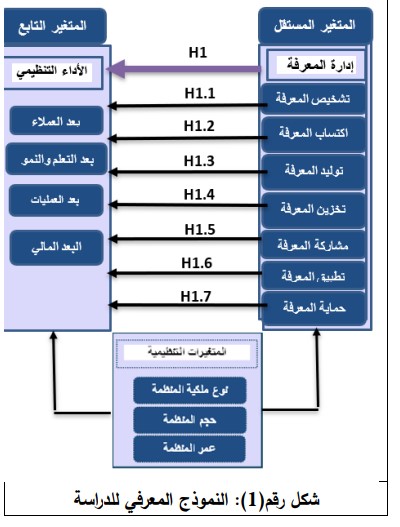
The impact of Knowledge Management on Organizational Performance: A survey Study in Yemeni telecommunications sector
Abstract
This study aimed to identify the impact of knowledge management on the organizational performance in the Yemeni telecommunications sector. The study also aimed to identify the level of study variables: knowledge management, organizational performance in the Yemeni telecommunications sector. The study used the quantitative research method in its descriptive and analytical styles. The questionnaire was also used as the main tool to collect the necessary data for the purposes of this study, the study population represented all employees of the Yemeni telecommunications sector in the main centers (Public Telecommunications Corporation, TeleYemen Company, Yemen Mobile Company, SabaFon Company, You Company) numbering (4,171) employees. The non-proportional stratified random sampling method was used to select the study sample individuals. (352) questionnaires were distributed to the study sample individuals, and (289) valid questionnaires were recovered for analysis at a rate of (82%). The data were analyzed using the statistical analysis program (SPSS) version (28). The study reached a number of results, the most important of which are: the level of knowledge management (somewhat high), and the level of organizational performance (somewhat high), and the results of the study showed the existence of a statistically significant effect of knowledge management on organizational performance in the Yemeni telecommunications sector. The study recommended the need to increase attention to organizational performance and to establish organizational units in the organizational structures of the Yemeni telecommunications sector that are concerned with knowledge management due to its significant impact on improving organizational performance in the Yemeni telecommunications sector. Keywords: Knowledge management, organizational performance, Yemeni telecommunications sector.
Keywords
How to Cite This Article
Fadhl Ali Mohammed Al-Rabiee, Zayed Naji Nasser Shawesh (2025). The impact of Knowledge Management on Organizational Performance: A survey Study in Yemeni telecommunications sector. Sana'a University Journal of Human Sciences, 144 -185. DOI: https://doi.org/10.59628/jhs.v4i2.1393
Fadhl Ali Mohammed Al-Rabiee, Zayed Naji Nasser Shawesh. “The impact of Knowledge Management on Organizational Performance: A survey Study in Yemeni telecommunications sector.” Sana'a University Journal of Human Sciences, 2025, pp. 144 -185. https://doi.org/10.59628/jhs.v4i2.1393. Accessed 14 Jul. 2026.
Fadhl Ali Mohammed Al-Rabiee, Zayed Naji Nasser Shawesh. 2025. “The impact of Knowledge Management on Organizational Performance: A survey Study in Yemeni telecommunications sector.” Sana'a University Journal of Human Sciences : 144 -185. DOI: https://doi.org/10.59628/jhs.v4i2.1393
Fadhl Ali Mohammed Al-Rabiee, Zayed Naji Nasser Shawesh (2025) ‘The impact of Knowledge Management on Organizational Performance: A survey Study in Yemeni telecommunications sector’, Sana'a University Journal of Human Sciences, pp. 144 -185. doi: 10.59628/jhs.v4i2.1393
@article{jhs2025_art1393,
author = {Fadhl Ali Mohammed Al-Rabiee, Zayed Naji Nasser Shawesh},
title = {The impact of Knowledge Management on Organizational Performance: A survey Study in Yemeni telecommunications sector},
journal = {Sana'a University Journal of Human Sciences}, year = {2025}, month = {February}, pages = {144 -185}, doi = {10.59628/jhs.v4i2.1393},
url = {https://doi.org/10.59628/jhs.v4i2.1393},}
The Impact of Phonetic Differences on Writing Names in Arabic and Persian
Abstract
This research aimed to identify the phonetic differences that affect the written forms of names in Arabic and Persian. Given that names feature prominently in cross-linguistic interactions and are relatively resistant to distortion during language contact, a nuanced understanding of these verbal differences is crucial for non-native speakers. The study addresses the issue of inaccurate transcriptions and spellings of names when pronounced by non-native speakers.
The research adopted a descriptive analytical approach in data collection, description, and analysis to uncover the nature and causes of these verbal discrepancies, thereby drawing parallels between the two languages. The investigation focused on illustrative examples of verbal differences in a sample of Arabic and Persian names. In addition, the study examined names borrowed from other languages, highlighting the distinct ways Arabic and Persian adapt to these foreign terms. Further analysis encompassed vocabulary with similar written forms but different pronunciations.
The findings reveal that mental frameworks, socio-geographic contexts, and vocal apparatus variations contribute significantly to the verbal differences observed in the pronunciation of names. Notably, the vocal apparatus plays a crucial role in shaping the phonetic patterns of borrowed vocabulary, often undergoing adaptations not present in the native language. This, in turn, contributes to the inaccuracies encountered when non-native speakers attempt to transcribe spoken names.
Keywords
How to Cite This Article
Yahya Obaid Saleh Obaid, Gholam-Hossein Gholam-Hossein Zadeh (2025). The Impact of Phonetic Differences on Writing Names in Arabic and Persian. Sana'a University Journal of Human Sciences, 186 - 203. DOI: https://doi.org/10.59628/jhs.v4i2.1322
Yahya Obaid Saleh Obaid, Gholam-Hossein Gholam-Hossein Zadeh. “The Impact of Phonetic Differences on Writing Names in Arabic and Persian.” Sana'a University Journal of Human Sciences, 2025, pp. 186 - 203. https://doi.org/10.59628/jhs.v4i2.1322. Accessed 14 Jul. 2026.
Yahya Obaid Saleh Obaid, Gholam-Hossein Gholam-Hossein Zadeh. 2025. “The Impact of Phonetic Differences on Writing Names in Arabic and Persian.” Sana'a University Journal of Human Sciences : 186 - 203. DOI: https://doi.org/10.59628/jhs.v4i2.1322
Yahya Obaid Saleh Obaid, Gholam-Hossein Gholam-Hossein Zadeh (2025) ‘The Impact of Phonetic Differences on Writing Names in Arabic and Persian’, Sana'a University Journal of Human Sciences, pp. 186 - 203. doi: 10.59628/jhs.v4i2.1322
@article{jhs2025_art1322,
author = {Yahya Obaid Saleh Obaid, Gholam-Hossein Gholam-Hossein Zadeh},
title = {The Impact of Phonetic Differences on Writing Names in Arabic and Persian},
journal = {Sana'a University Journal of Human Sciences}, year = {2025}, month = {February}, pages = {186 - 203}, doi = {10.59628/jhs.v4i2.1322},
url = {https://doi.org/10.59628/jhs.v4i2.1322},}
The extent to which Yemeni universities meet the requirements for transformation into smart universities
Abstract
The research aimed to determine the extent to which Yemeni universities meet the requirements for transformation into smart universities, to achieve the research objectives, the researcher used a descriptive survey methodology and applied aquestionnaire consisting of (88) indicators to a purposive sample of (22) experts in Yemeni universities, following the Delphi technique, Data were analyzed using appropriate statistical methods, and the study yielded several key findings. Chief among them was that the availability level of strengths required for transformation into a smart university, on an overall axis level, was moderate, with a mean score of(3.19), Meanwhile, the availability level of weaknesses regarding these requirements was very high, with a mean score of (4.24).
Keywords
How to Cite This Article
Shaima'a Abdullah Abdul Majeed Salam, Taher Mohammed Al-Ahdal (2025). The extent to which Yemeni universities meet the requirements for transformation into smart universities. Sana'a University Journal of Human Sciences, 204 - 232. DOI: https://doi.org/10.59628/jhs.v4i2.1367
Shaima'a Abdullah Abdul Majeed Salam, Taher Mohammed Al-Ahdal. “The extent to which Yemeni universities meet the requirements for transformation into smart universities.” Sana'a University Journal of Human Sciences, 2025, pp. 204 - 232. https://doi.org/10.59628/jhs.v4i2.1367. Accessed 14 Jul. 2026.
Shaima'a Abdullah Abdul Majeed Salam, Taher Mohammed Al-Ahdal. 2025. “The extent to which Yemeni universities meet the requirements for transformation into smart universities.” Sana'a University Journal of Human Sciences : 204 - 232. DOI: https://doi.org/10.59628/jhs.v4i2.1367
Shaima'a Abdullah Abdul Majeed Salam, Taher Mohammed Al-Ahdal (2025) ‘The extent to which Yemeni universities meet the requirements for transformation into smart universities’, Sana'a University Journal of Human Sciences, pp. 204 - 232. doi: 10.59628/jhs.v4i2.1367
@article{jhs2025_art1367,
author = {Shaima'a Abdullah Abdul Majeed Salam, Taher Mohammed Al-Ahdal},
title = {The extent to which Yemeni universities meet the requirements for transformation into smart universities},
journal = {Sana'a University Journal of Human Sciences}, year = {2025}, month = {February}, pages = {204 - 232}, doi = {10.59628/jhs.v4i2.1367},
url = {https://doi.org/10.59628/jhs.v4i2.1367},}
The requirements for establishing a virtual university in the Republic of Yemen
Abstract
The aim of the research is to know the requirements for establishing a virtual university in the Republic of Yemen, and to achieve this, the researcher adopted the descriptive approach with its methods: analytical, and surveying, using the questionnaire as a tool to collect research data, consisting of (46) paragraphs distributed in three fields, and it was applied to an intentional sample of academic experts in Yemeni universities of the (20) experts according to the modified Delphi method. The research reached a number of results, the most important of which are: the high level of the degree of experts' response of the research sample to the requirements of establishing a virtual university in the Republic of Yemen at the level of the overall degree and in all fields where it came withd a (very high), and the mathematical average of the fields as a whole (4.45), and a standard deviation (348.).
Keywords
How to Cite This Article
Mohammed Ngai Ahmed Al-Magashi, Ghalib Hamid Hamid AL-Qanus (2025). The requirements for establishing a virtual university in the Republic of Yemen. Sana'a University Journal of Human Sciences, 233 - 259. DOI: https://doi.org/10.59628/jhs.v4i2.1277
Mohammed Ngai Ahmed Al-Magashi, Ghalib Hamid Hamid AL-Qanus. “The requirements for establishing a virtual university in the Republic of Yemen.” Sana'a University Journal of Human Sciences, 2025, pp. 233 - 259. https://doi.org/10.59628/jhs.v4i2.1277. Accessed 14 Jul. 2026.
Mohammed Ngai Ahmed Al-Magashi, Ghalib Hamid Hamid AL-Qanus. 2025. “The requirements for establishing a virtual university in the Republic of Yemen.” Sana'a University Journal of Human Sciences : 233 - 259. DOI: https://doi.org/10.59628/jhs.v4i2.1277
Mohammed Ngai Ahmed Al-Magashi, Ghalib Hamid Hamid AL-Qanus (2025) ‘The requirements for establishing a virtual university in the Republic of Yemen’, Sana'a University Journal of Human Sciences, pp. 233 - 259. doi: 10.59628/jhs.v4i2.1277
@article{jhs2025_art1277,
author = {Mohammed Ngai Ahmed Al-Magashi, Ghalib Hamid Hamid AL-Qanus},
title = {The requirements for establishing a virtual university in the Republic of Yemen},
journal = {Sana'a University Journal of Human Sciences}, year = {2025}, month = {February}, pages = {233 - 259}, doi = {10.59628/jhs.v4i2.1277},
url = {https://doi.org/10.59628/jhs.v4i2.1277},}
The reality of the performance of Yemeni public universities in light of the requirements of the knowledge economy from the point of view of faculty members (Sana'a University as a model)
Abstract
The aim of the research is to identify the reality of the performance of Yemeni public universities in light of the requirements of the knowledge economy، by identifying the degree of availability of requirements in the fields of scientific research، community partnership، training courses، providing consultations and diagnosing this reality by answering the sub-research questions included in the questionnaire، which is the research tool provided to faculty members at Sana'a University، the research sample. The descriptive survey method was used، and the research sample consisted of (180) faculty members at Sana'a University. The questionnaire was used to collect the necessary data for research purposes، and it included (39) paragraphs distributed over four areas to be answered according to the five-point scale. Arithmetic averages، standard deviations، Cronbach's coefficient of reliability، Pearson's correlation coefficient، Scheffe tests، and one-way analysis of variance were used. The research concluded that the availability of requirements in the reality of the performance of Yemeni public universities from the point of view of faculty members at Sana'a University in light of the requirements of the knowledge economy in the fields of scientific research، community partnership، training courses، and providing consultations is generally weak، as it obtained an overall average of (2.12) with a percentage of (42.40%)، and a number of recommendations were presented، the most prominent of which were: activating the fields of the knowledge economy in Yemeni public universities in the fields of scientific research، community participation،training courses،and providing consultations.
Keywords
How to Cite This Article
Esmaeil Esmaeil Ali Al-Fusayal, Taher Muhammad Al-Ahdal (2025). The reality of the performance of Yemeni public universities in light of the requirements of the knowledge economy from the point of view of faculty members (Sana'a University as a model). Sana'a University Journal of Human Sciences, 260 - 294. DOI: https://doi.org/10.59628/jhs.v4i2.1329
Esmaeil Esmaeil Ali Al-Fusayal, Taher Muhammad Al-Ahdal. “The reality of the performance of Yemeni public universities in light of the requirements of the knowledge economy from the point of view of faculty members (Sana'a University as a model).” Sana'a University Journal of Human Sciences, 2025, pp. 260 - 294. https://doi.org/10.59628/jhs.v4i2.1329. Accessed 14 Jul. 2026.
Esmaeil Esmaeil Ali Al-Fusayal, Taher Muhammad Al-Ahdal. 2025. “The reality of the performance of Yemeni public universities in light of the requirements of the knowledge economy from the point of view of faculty members (Sana'a University as a model).” Sana'a University Journal of Human Sciences : 260 - 294. DOI: https://doi.org/10.59628/jhs.v4i2.1329
Esmaeil Esmaeil Ali Al-Fusayal, Taher Muhammad Al-Ahdal (2025) ‘The reality of the performance of Yemeni public universities in light of the requirements of the knowledge economy from the point of view of faculty members (Sana'a University as a model)’, Sana'a University Journal of Human Sciences, pp. 260 - 294. doi: 10.59628/jhs.v4i2.1329
@article{jhs2025_art1329,
author = {Esmaeil Esmaeil Ali Al-Fusayal, Taher Muhammad Al-Ahdal},
title = {The reality of the performance of Yemeni public universities in light of the requirements of the knowledge economy from the point of view of faculty members (Sana'a University as a model)},
journal = {Sana'a University Journal of Human Sciences}, year = {2025}, month = {February}, pages = {260 - 294}, doi = {10.59628/jhs.v4i2.1329},
url = {https://doi.org/10.59628/jhs.v4i2.1329},}
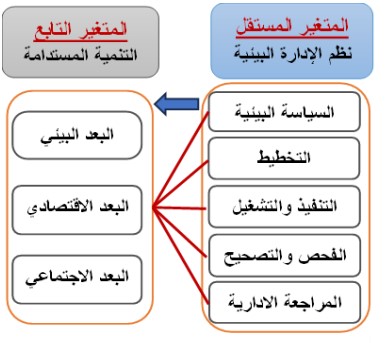
The impact of environmental management systems on sustainable development in cement factories in Yemen
Abstract
The study aimed to determine the impact of environmental management systems (EMS) - including environmental policy، planning، implementation، checking، and corrective action، and management review - on sustainable development in cement factories in Yemen. Additionally، the study aimed to identify the level of EMS implementation in these factories. A descriptive-analytical approach was adopted. The study population consisted of 1392 administrative employees from five cement factories. A stratified random sampling technique was used to select a sample of 305 administrative employees، of which 292 questionnaires were retrieved and 281 were considered valid for analysis. The results revealed that the level of EMS implementation in Yemeni cement factories was relatively high. Moreover، the study found that the level of contribution of cement factories in Yemen to sustainable development was also relatively high. The results also indicated a positive correlation between EMS and sustainable development، and a statistically significant impact of EMS on sustainable development
Keywords
How to Cite This Article
Abdulkarem Ali Nji Alammari , Zayed Naji Shawesh (2025). The impact of environmental management systems on sustainable development in cement factories in Yemen. Sana'a University Journal of Human Sciences, 295 - 321. DOI: https://doi.org/10.59628/jhs.v4i2.1240
Abdulkarem Ali Nji Alammari , Zayed Naji Shawesh . “The impact of environmental management systems on sustainable development in cement factories in Yemen.” Sana'a University Journal of Human Sciences, 2025, pp. 295 - 321. https://doi.org/10.59628/jhs.v4i2.1240. Accessed 14 Jul. 2026.
Abdulkarem Ali Nji Alammari , Zayed Naji Shawesh . 2025. “The impact of environmental management systems on sustainable development in cement factories in Yemen.” Sana'a University Journal of Human Sciences : 295 - 321. DOI: https://doi.org/10.59628/jhs.v4i2.1240
Abdulkarem Ali Nji Alammari , Zayed Naji Shawesh (2025) ‘The impact of environmental management systems on sustainable development in cement factories in Yemen’, Sana'a University Journal of Human Sciences, pp. 295 - 321. doi: 10.59628/jhs.v4i2.1240
@article{jhs2025_art1240,
author = {Abdulkarem Ali Nji Alammari , Zayed Naji Shawesh },
title = {The impact of environmental management systems on sustainable development in cement factories in Yemen},
journal = {Sana'a University Journal of Human Sciences}, year = {2025}, month = {February}, pages = {295 - 321}, doi = {10.59628/jhs.v4i2.1240},
url = {https://doi.org/10.59628/jhs.v4i2.1240},}
The Rules of a Deceased's Debts in Their Estate in Islamic Jurisprudence and Yemeni Law a Comparative Study
Abstract
The research discusses the topic of "The Rulings on the Debts of the Deceased in Their Estate" and aims to understand the meaning of these rulings, the types of the deceased's debts, and their impact on the transfer of the estate. It also seeks to clarify the ruling on prioritizing the deceased's debts when the estate is insufficient to cover all debts, and how to divide the estate among creditors in cases of competition. Through the descriptive-analytical method, the researcher concluded that the rulings on the debts of the deceased in their estate are the legal consequences of the financial obligations and rights owed by the deceased and their impact on the estate left behind. The types of debts were identified as debts related to the estate based on their beneficiaries, personal debts owed to individuals, and debts categorized by the time they were incurred. It was found that the ruling on prioritizing debts when the estate is insufficient dictates that funeral expenses take precedence over the deceased's debts, personal debts to individuals are prioritized over debts owed to God, and that debts incurred during health are treated equally with debts incurred during illness, provided the deceased is not suspected of fraudulent declarations during their illness. Additionally, the settlement of debts takes precedence over wills and inheritance. The estate is divided among creditors based on the proportion of their claims against the deceased, similar to how creditors share in the debts of a bankrupt individual during their lifetime. The methods of dividing the estate among creditors either follow specific rules and steps or are done according to the four ratios used for division. The researcher recommends detailing the rulings on the deceased's debts in personal status law and emphasizes the importance of addressing and settling the deceased's debts. There is also a need to raise societal awareness about the importance of paying off the deceased's debts from their estate.
Keywords
How to Cite This Article
Hadi Hezam Hassan Al-Surabi (2025). The Rules of a Deceased's Debts in Their Estate in Islamic Jurisprudence and Yemeni Law a Comparative Study. Sana'a University Journal of Human Sciences, 322 - 342. DOI: https://doi.org/10.59628/jhs.v4i2.1334
Hadi Hezam Hassan Al-Surabi. “The Rules of a Deceased's Debts in Their Estate in Islamic Jurisprudence and Yemeni Law a Comparative Study.” Sana'a University Journal of Human Sciences, 2025, pp. 322 - 342. https://doi.org/10.59628/jhs.v4i2.1334. Accessed 14 Jul. 2026.
Hadi Hezam Hassan Al-Surabi. 2025. “The Rules of a Deceased's Debts in Their Estate in Islamic Jurisprudence and Yemeni Law a Comparative Study.” Sana'a University Journal of Human Sciences : 322 - 342. DOI: https://doi.org/10.59628/jhs.v4i2.1334
Hadi Hezam Hassan Al-Surabi (2025) ‘The Rules of a Deceased's Debts in Their Estate in Islamic Jurisprudence and Yemeni Law a Comparative Study’, Sana'a University Journal of Human Sciences, pp. 322 - 342. doi: 10.59628/jhs.v4i2.1334
@article{jhs2025_art1334,
author = {Hadi Hezam Hassan Al-Surabi},
title = {The Rules of a Deceased's Debts in Their Estate in Islamic Jurisprudence and Yemeni Law a Comparative Study},
journal = {Sana'a University Journal of Human Sciences}, year = {2025}, month = {February}, pages = {322 - 342}, doi = {10.59628/jhs.v4i2.1334},
url = {https://doi.org/10.59628/jhs.v4i2.1334},}
Achieving (Reasons for prostration of forgetfulness) in the Sunni talents book Explanation of the urban introduction of Sheikh Said Baishen (d. 1270 H) (Verification and Annotation)
Abstract
Through this scientific research، the researcher sought to highlight the achievement of a part of a distinguished jurisprudential scientific book of the Aishen label: The Book of Sunni Talents Explained the Urban Introduction.
Our objective in this research is to work towards achieving a chapter of this book in order to complete its full realization and dissemination of the distinguished scientific legacy of civilization. in addition to making an effort to make the most of this unique book، The problem of research was the quest to know Sheikh Baashan، his jurisprudence، his writing of Sunni talents and his jurisprudence in the investigative part And we came up with the result of this research to introduce the sign to living and writing his Sunni talents، In addition to deciphering the verified part of that book، the researcher has conducted his investigation work by attributing Quranic verses to her wall، The graduation of prophetic hadiths and commentary on some questions of jurisprudence. In this research، the researcher used the descriptive and historical curriculum. The research was divided into researchers: The first research introduces Sheikh Al-Marah Baashan and his book Sunni talents، and the second research (Reasons for prostration of forgetfulness) of the book Prayer of Sunni Talents Explanation of the Urban Introduction.
Keywords
How to Cite This Article
Saleh Abdul Qader Ali Bahomid (2025). Achieving (Reasons for prostration of forgetfulness) in the Sunni talents book Explanation of the urban introduction of Sheikh Said Baishen (d. 1270 H) (Verification and Annotation). Sana'a University Journal of Human Sciences, 343 - 373. DOI: https://doi.org/10.59628/jhs.v4i2.1351
Saleh Abdul Qader Ali Bahomid. “ Achieving (Reasons for prostration of forgetfulness) in the Sunni talents book Explanation of the urban introduction of Sheikh Said Baishen (d. 1270 H) (Verification and Annotation).” Sana'a University Journal of Human Sciences, 2025, pp. 343 - 373. https://doi.org/10.59628/jhs.v4i2.1351. Accessed 14 Jul. 2026.
Saleh Abdul Qader Ali Bahomid. 2025. “ Achieving (Reasons for prostration of forgetfulness) in the Sunni talents book Explanation of the urban introduction of Sheikh Said Baishen (d. 1270 H) (Verification and Annotation).” Sana'a University Journal of Human Sciences : 343 - 373. DOI: https://doi.org/10.59628/jhs.v4i2.1351
Saleh Abdul Qader Ali Bahomid (2025) ‘ Achieving (Reasons for prostration of forgetfulness) in the Sunni talents book Explanation of the urban introduction of Sheikh Said Baishen (d. 1270 H) (Verification and Annotation)’, Sana'a University Journal of Human Sciences, pp. 343 - 373. doi: 10.59628/jhs.v4i2.1351
@article{jhs2025_art1351,
author = {Saleh Abdul Qader Ali Bahomid},
title = { Achieving (Reasons for prostration of forgetfulness) in the Sunni talents book Explanation of the urban introduction of Sheikh Said Baishen (d. 1270 H) (Verification and Annotation)},
journal = {Sana'a University Journal of Human Sciences}, year = {2025}, month = {February}, pages = {343 - 373}, doi = {10.59628/jhs.v4i2.1351},
url = {https://doi.org/10.59628/jhs.v4i2.1351},}
The Political Role of Women in Yemen 1940-1990
Abstract
The study sought to find out the political reality of Yemeni women before 1990 in North and South Yemen, as it was called, until unity was achieved, explaining the political roles that Yemeni women performed with sincerity and courage for the sake of the homeland ,the study used the historical and descriptive analytical method to identify the political reality by tracking what women provided on various fronts to help their men brothers achieve victory, especially in the south of the country against British colonialism, It addressed women's political rights. It sought to know the obstacles to the political, the study was limited to a specific period of time to shed light on the political role of Yemeni women during that period and it was found that they were among the first women in the Arab world to engage in the struggle as a result of the political awareness in which they excelled.
It concluded that the role of Yemeni women, despite its importance, is limited and marginalized compared to what they deserve to obtain, and a number of recommendations that would enhance the status of Yemeni women and enable them.
Keywords
How to Cite This Article
Zubaida Moqbel Al-Zubaidi (2025). The Political Role of Women in Yemen 1940-1990. Sana'a University Journal of Human Sciences, 374 - 391. DOI: https://doi.org/10.59628/jhs.v4i2.1246
Zubaida Moqbel Al-Zubaidi. “The Political Role of Women in Yemen 1940-1990.” Sana'a University Journal of Human Sciences, 2025, pp. 374 - 391. https://doi.org/10.59628/jhs.v4i2.1246. Accessed 14 Jul. 2026.
Zubaida Moqbel Al-Zubaidi. 2025. “The Political Role of Women in Yemen 1940-1990.” Sana'a University Journal of Human Sciences : 374 - 391. DOI: https://doi.org/10.59628/jhs.v4i2.1246
Zubaida Moqbel Al-Zubaidi (2025) ‘The Political Role of Women in Yemen 1940-1990’, Sana'a University Journal of Human Sciences, pp. 374 - 391. doi: 10.59628/jhs.v4i2.1246
@article{jhs2025_art1246,
author = {Zubaida Moqbel Al-Zubaidi},
title = {The Political Role of Women in Yemen 1940-1990},
journal = {Sana'a University Journal of Human Sciences}, year = {2025}, month = {February}, pages = {374 - 391}, doi = {10.59628/jhs.v4i2.1246},
url = {https://doi.org/10.59628/jhs.v4i2.1246},}
The E-Learning Experience in the Initiative to Enable Gaza Students to Continue Their University Education as Visiting Students at An-Najah National University: Al-Aqsa University as a Case Study
Abstract
The study explores the implementation and outcomes of an innovative e-learning initiative aimed at addressing the educational disruption faced by students in Gaza due to the ongoing conflict. The initiative, launched collaboratively by An-Najah National University and other educational stakeholders, allowed Gaza students to continue their university education as virtual visiting students. Al-Aqsa University serves as a model for analyzing the initiative's effectiveness and challenges.
Using a qualitative descriptive methodology, data were collected through focus groups, interviews, and content analysis of institutional reports. Key findings highlight that while the initiative provided hope and an opportunity for continuity in education, it encountered significant obstacles, including unstable internet connectivity, lack of digital infrastructure, and psychological distress among students. Teachers displayed flexibility and resilience, utilizing diverse teaching methods to adapt to students' varying access to resources.
The study underscores the importance of e-learning as a tool for ensuring educational continuity during crises. It provides insights into students’ and educators’ experiences, emphasizing the need for enhanced support systems, such as access to stable internet, digital training for educators, and psychosocial assistance for learners.
Keywords
How to Cite This Article
Saeda Affouneh, Ahmed Abdul Majeed Al-Mabhouh, Muhannad Abdullah Al-Taban, Yasser Abdulrahman Salha, Sabreen Wajih Jamil Wahdan (2025). The E-Learning Experience in the Initiative to Enable Gaza Students to Continue Their University Education as Visiting Students at An-Najah National University: Al-Aqsa University as a Case Study. Sana'a University Journal of Human Sciences, 392- 411. DOI: https://doi.org/10.59628/jhs.v4i2.1430
Saeda Affouneh, Ahmed Abdul Majeed Al-Mabhouh, Muhannad Abdullah Al-Taban, Yasser Abdulrahman Salha, Sabreen Wajih Jamil Wahdan. “The E-Learning Experience in the Initiative to Enable Gaza Students to Continue Their University Education as Visiting Students at An-Najah National University: Al-Aqsa University as a Case Study.” Sana'a University Journal of Human Sciences, 2025, pp. 392- 411. https://doi.org/10.59628/jhs.v4i2.1430. Accessed 14 Jul. 2026.
Saeda Affouneh, Ahmed Abdul Majeed Al-Mabhouh, Muhannad Abdullah Al-Taban, Yasser Abdulrahman Salha, Sabreen Wajih Jamil Wahdan. 2025. “The E-Learning Experience in the Initiative to Enable Gaza Students to Continue Their University Education as Visiting Students at An-Najah National University: Al-Aqsa University as a Case Study.” Sana'a University Journal of Human Sciences : 392- 411. DOI: https://doi.org/10.59628/jhs.v4i2.1430
Saeda Affouneh, Ahmed Abdul Majeed Al-Mabhouh, Muhannad Abdullah Al-Taban, Yasser Abdulrahman Salha, Sabreen Wajih Jamil Wahdan (2025) ‘The E-Learning Experience in the Initiative to Enable Gaza Students to Continue Their University Education as Visiting Students at An-Najah National University: Al-Aqsa University as a Case Study’, Sana'a University Journal of Human Sciences, pp. 392- 411. doi: 10.59628/jhs.v4i2.1430
@article{jhs2025_art1430,
author = {Saeda Affouneh, Ahmed Abdul Majeed Al-Mabhouh, Muhannad Abdullah Al-Taban, Yasser Abdulrahman Salha, Sabreen Wajih Jamil Wahdan},
title = {The E-Learning Experience in the Initiative to Enable Gaza Students to Continue Their University Education as Visiting Students at An-Najah National University: Al-Aqsa University as a Case Study},
journal = {Sana'a University Journal of Human Sciences}, year = {2025}, month = {February}, pages = {392- 411}, doi = {10.59628/jhs.v4i2.1430},
url = {https://doi.org/10.59628/jhs.v4i2.1430},}
Intertextuality and Adaptation in Ahmad Yahya Hamid Al-Din's Poetry: A Study of his Adaptation of Abu Feras Al-Hamadani's " I see you, defiant against tears"
Abstract
This study examines the intertextuality and adaptation in Ahmad Yahya Hamid Al-Din's poetry, focusing on his adaptation of Abu Feras Al-Hamadani's famous poem (I see you, defiant against tears). consists of an introduction, first part involves a biography of both poets, an exploration of the cultural and artistic context of their works, the second part involves definitions of intertextuality and adaptation section and it delves into first the types of intertextuality present in Hamid al-Din's adaptation, second the techniques used in this adaptation, and the unique characteristics of the new text. Key findings of the study include:
- Shared cultural context: The shared cultural background between the two poets influenced Hamid al-Din to adapt Abu Feras's poem. This adaptation involved a dialogue between the new text and the original, as well as other absent texts, resulting in a unique and integrated new work.
- Types of intertextuality: The study identifies various types of intertextuality in the new text, including religious, literary, and historical intertextuality, both direct and indirect.
- Techniques of adaptation: The study explores the techniques used in the adaptation process, such as quotation, absorption, and transformation.
- Characteristics of the new text: The new text contributes to the continuity of the original text while introducing innovative elements. It transforms the original love poem into a more heroic one, addressing the theme of imprisonment and elevating the status of the captive.
Recommendations:
The study recommends the following:
Focusing on Hamid al-Din's literary works: Hamid al-Din's literary works should be studied independently of his political role.
Keywords
How to Cite This Article
محمد عبد الله يحيى شرف الدين (2025). Intertextuality and Adaptation in Ahmad Yahya Hamid Al-Din's Poetry: A Study of his Adaptation of Abu Feras Al-Hamadani's " I see you, defiant against tears". Sana'a University Journal of Human Sciences, 412- 438. DOI: https://doi.org/10.59628/jhs.v4i2.1404
محمد عبد الله يحيى شرف الدين. “Intertextuality and Adaptation in Ahmad Yahya Hamid Al-Din's Poetry: A Study of his Adaptation of Abu Feras Al-Hamadani's " I see you, defiant against tears".” Sana'a University Journal of Human Sciences, 2025, pp. 412- 438. https://doi.org/10.59628/jhs.v4i2.1404. Accessed 14 Jul. 2026.
محمد عبد الله يحيى شرف الدين. 2025. “Intertextuality and Adaptation in Ahmad Yahya Hamid Al-Din's Poetry: A Study of his Adaptation of Abu Feras Al-Hamadani's " I see you, defiant against tears".” Sana'a University Journal of Human Sciences : 412- 438. DOI: https://doi.org/10.59628/jhs.v4i2.1404
محمد عبد الله يحيى شرف الدين (2025) ‘Intertextuality and Adaptation in Ahmad Yahya Hamid Al-Din's Poetry: A Study of his Adaptation of Abu Feras Al-Hamadani's " I see you, defiant against tears"’, Sana'a University Journal of Human Sciences, pp. 412- 438. doi: 10.59628/jhs.v4i2.1404
@article{jhs2025_art1404,
author = {محمد عبد الله يحيى شرف الدين},
title = {Intertextuality and Adaptation in Ahmad Yahya Hamid Al-Din's Poetry: A Study of his Adaptation of Abu Feras Al-Hamadani's " I see you, defiant against tears"},
journal = {Sana'a University Journal of Human Sciences}, year = {2025}, month = {February}, pages = {412- 438}, doi = {10.59628/jhs.v4i2.1404},
url = {https://doi.org/10.59628/jhs.v4i2.1404},}
Investigating the Strategies of Translating Culture-Specific Terms in Court Documents by Accredited Translators
Abstract
Culture-specific terms (CSTs) represent one of the thorniest issues in translation, particularly legal translation, as they are culturally rooted and heavily loaded with specific traditional connotations and functions. Thus, translating CSTs, particularly used in court documents, not only requires a bilingual and bicultural translator but also professional knowledge of translation strategies, which play an indispensable role in translating such terms. This study aimed to explore and examine translation strategies employed by Yemeni accredited translation offices when translating CSTs in Yemeni court documents. To achieve the study objective, Ghazala’s (2015) taxonomy of strategies for translating culture-specific terms was adopted to analyze and assess the strategies applied by the study participants who were randomly selected from Sana'a-based translation offices. They were requested to translate a validated list of CSTs randomly selected from various legal documents at Yemeni courts. The study results revealed that the majority of the study participants (38%) applied the literal translation strategy, which yielded inappropriate translations oriented towards the source language. Only a small number (2%) of them used strategies that led to semantically and functionally acceptable translations. Therefore, it is recommended that strategies for translating cultural items proposed by Ghazala’s (2015) taxonomy be introduced to translation programs in departments of translation to prepare translation students for the labor market.
Keywords
How to Cite This Article
Abdulhameed Ashuja'a , Abdulwadood Ahmed Annuzaili, Qaid Musar (2025). Investigating the Strategies of Translating Culture-Specific Terms in Court Documents by Accredited Translators. Sana'a University Journal of Human Sciences, 439- 448. DOI: https://doi.org/10.59628/jhs.v4i2.1536
Abdulhameed Ashuja'a , Abdulwadood Ahmed Annuzaili, Qaid Musar. “Investigating the Strategies of Translating Culture-Specific Terms in Court Documents by Accredited Translators.” Sana'a University Journal of Human Sciences, 2025, pp. 439- 448. https://doi.org/10.59628/jhs.v4i2.1536. Accessed 14 Jul. 2026.
Abdulhameed Ashuja'a , Abdulwadood Ahmed Annuzaili, Qaid Musar. 2025. “Investigating the Strategies of Translating Culture-Specific Terms in Court Documents by Accredited Translators.” Sana'a University Journal of Human Sciences : 439- 448. DOI: https://doi.org/10.59628/jhs.v4i2.1536
Abdulhameed Ashuja'a , Abdulwadood Ahmed Annuzaili, Qaid Musar (2025) ‘Investigating the Strategies of Translating Culture-Specific Terms in Court Documents by Accredited Translators’, Sana'a University Journal of Human Sciences, pp. 439- 448. doi: 10.59628/jhs.v4i2.1536
@article{jhs2025_art1536,
author = {Abdulhameed Ashuja'a , Abdulwadood Ahmed Annuzaili, Qaid Musar},
title = {Investigating the Strategies of Translating Culture-Specific Terms in Court Documents by Accredited Translators},
journal = {Sana'a University Journal of Human Sciences}, year = {2025}, month = {February}, pages = {439- 448}, doi = {10.59628/jhs.v4i2.1536},
url = {https://doi.org/10.59628/jhs.v4i2.1536},}
The Degree of Practicing Classroom Management Skills For Volunteer Teachers In Basic Education Schools Sana'a Governorate
Abstract
The study aimed to identify the degree of practicing classroom management skills among volunteer teachers of primary schools in Sana'a Governorate. The research community amounted to (630) male and female teachers distributed across the schools of the governorate's directorates, which number (16). The study was implemented in (6) of them, and on a random sample of (193) male and female teachers. To achieve the study's objective, the researcher used the descriptive analytical method and the questionnaire as a study tool, which included (41) paragraphs distributed over six areas: (planning - organization - communication and classroom interaction - guidance and counseling - behavior management - evaluation). The results of the study showed that the areas of organization, guidance, counseling, communication, classroom communication, and evaluation, respectively, took an average degree, so that organization took the highest rank among those areas, with an average of (3.3708), while the areas of behavior management and planning, respectively, took a weak degree, and the planning area took the lowest average, with an average of (2.4618). The results also showed that there were statistically significant differences at the significance level of.05% attributed to the variables (gender - academic qualification - experience - attending a training course - region), and the differences were in favor of females, in favor of the higher qualification, in favor of the more experienced, in favor of those who attended a training course, and in favor of city teachers. Among the most important recommendations of the study: qualifying volunteer teachers who have obtained a high school qualification educationally, by joining rehabilitation and training institutes during service, activating central and local educational supervision and following up on teachers, especially volunteers, providing them with appropriate feedback, identifying their training needs, and holding training courses for them.
Keywords
How to Cite This Article
Anwer Yahya Yahya Saleh Abohadi (2025). The Degree of Practicing Classroom Management Skills For Volunteer Teachers In Basic Education Schools Sana'a Governorate. Sana'a University Journal of Human Sciences, 449- 471. DOI: https://doi.org/10.59628/jhs.v4i2.1192
Anwer Yahya Yahya Saleh Abohadi. “The Degree of Practicing Classroom Management Skills For Volunteer Teachers In Basic Education Schools Sana'a Governorate.” Sana'a University Journal of Human Sciences, 2025, pp. 449- 471. https://doi.org/10.59628/jhs.v4i2.1192. Accessed 14 Jul. 2026.
Anwer Yahya Yahya Saleh Abohadi. 2025. “The Degree of Practicing Classroom Management Skills For Volunteer Teachers In Basic Education Schools Sana'a Governorate.” Sana'a University Journal of Human Sciences : 449- 471. DOI: https://doi.org/10.59628/jhs.v4i2.1192
Anwer Yahya Yahya Saleh Abohadi (2025) ‘The Degree of Practicing Classroom Management Skills For Volunteer Teachers In Basic Education Schools Sana'a Governorate’, Sana'a University Journal of Human Sciences, pp. 449- 471. doi: 10.59628/jhs.v4i2.1192
@article{jhs2025_art1192,
author = {Anwer Yahya Yahya Saleh Abohadi},
title = {The Degree of Practicing Classroom Management Skills For Volunteer Teachers In Basic Education Schools Sana'a Governorate},
journal = {Sana'a University Journal of Human Sciences}, year = {2025}, month = {February}, pages = {449- 471}, doi = {10.59628/jhs.v4i2.1192},
url = {https://doi.org/10.59628/jhs.v4i2.1192},}
The additional Fiqh contributions of Sheikh Abdullah bin Al-Hadi in his book: "The Transparent Pearl Extracted from the Depths of Al-Kashaf" on Surahs Ar-Rum، Luqman، and Al-Ahzab
Abstract
The aim of the research is to: Introducing Abdullah bin al-Hadi bin Imam Yahya bin Hamza (d. 793 AH) and his book ‘Al-Jawhar al-Shafi fi Sharh al-Kashaf’، and presenting the additions of Zaidi jurisprudential issues that were not mentioned by Al-Zamakhshari in his interpretation، because of their importance and the benefit of knowing these issues. I have limited myself to these additions from Surah al-Baqarah to al-Ahzab because of their importance in knowing these issues، while researching the validity of their attribution and the extent of their use، and I followed the method of selecting the issues and then comparing them with other texts to study these additions. The research included an introduction، two articles and a conclusion. The first article included an introductionto Abdullah ibn al-Hadi (d. 793AH) and his book ‘The Transparent Jewel Selected from the Moghasat al-Kashaf’. The research concludes with conclusions and recommendations related to the position of Allama Abdullah bin al-Hadi (d. 973 AH) and his jurisprudential additions in his tafsir.
Keywords
How to Cite This Article
Hasna Hamid Abdullah Thamer (2025). The additional Fiqh contributions of Sheikh Abdullah bin Al-Hadi in his book: "The Transparent Pearl Extracted from the Depths of Al-Kashaf" on Surahs Ar-Rum، Luqman، and Al-Ahzab. Sana'a University Journal of Human Sciences, 472- 483. DOI: https://doi.org/10.59628/jhs.v4i2.1368
Hasna Hamid Abdullah Thamer. “The additional Fiqh contributions of Sheikh Abdullah bin Al-Hadi in his book: "The Transparent Pearl Extracted from the Depths of Al-Kashaf" on Surahs Ar-Rum، Luqman، and Al-Ahzab.” Sana'a University Journal of Human Sciences, 2025, pp. 472- 483. https://doi.org/10.59628/jhs.v4i2.1368. Accessed 14 Jul. 2026.
Hasna Hamid Abdullah Thamer. 2025. “The additional Fiqh contributions of Sheikh Abdullah bin Al-Hadi in his book: "The Transparent Pearl Extracted from the Depths of Al-Kashaf" on Surahs Ar-Rum، Luqman، and Al-Ahzab.” Sana'a University Journal of Human Sciences : 472- 483. DOI: https://doi.org/10.59628/jhs.v4i2.1368
Hasna Hamid Abdullah Thamer (2025) ‘The additional Fiqh contributions of Sheikh Abdullah bin Al-Hadi in his book: "The Transparent Pearl Extracted from the Depths of Al-Kashaf" on Surahs Ar-Rum، Luqman، and Al-Ahzab’, Sana'a University Journal of Human Sciences, pp. 472- 483. doi: 10.59628/jhs.v4i2.1368
@article{jhs2025_art1368,
author = {Hasna Hamid Abdullah Thamer},
title = {The additional Fiqh contributions of Sheikh Abdullah bin Al-Hadi in his book: "The Transparent Pearl Extracted from the Depths of Al-Kashaf" on Surahs Ar-Rum، Luqman، and Al-Ahzab},
journal = {Sana'a University Journal of Human Sciences}, year = {2025}, month = {February}, pages = {472- 483}, doi = {10.59628/jhs.v4i2.1368},
url = {https://doi.org/10.59628/jhs.v4i2.1368},}
The Effectiveness of program based the Adey and Shayer Model in Development the Logical thinking skills for pre-school Child in the capital city of Sana’a
Abstract
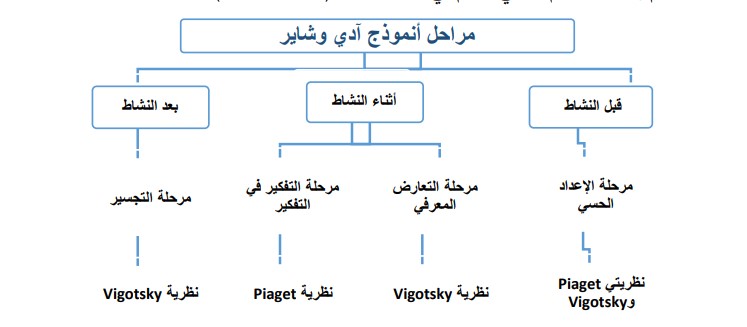
The current research aims to determine the effectiveness of a program based on the Adey and Shayer model in developing logical thinking skills among preschool children in the capital governorate. The research sample consisted of (19) children in Janati Kindergarten in Sana'a. To achieve the research objectives, the researchers used a logical thinking skills scale, which includes 6 skills: classification, logical sequencing, Links and relationships, similarities and differences, distinguishing and perception, and thinking about relevant facts. The researchers adopted a quasi-experimental design with pre and post-tests. The validity and reliability of the tool were ensured to make it suitable for achieving the objectives of the current research, in addition to building a training program. The results of the research showed a clear and positive impact of the program based on the Adey and Shayer model in developing logical thinking skills as a whole, as well as a clear impact on developing the following skills: classification, logical sequencing, Links and relationships, and similarities and differences. However, there was no impact of the program on developing the skills of distinguishing and perception, and thinking about relevant facts. The research also confirms the need to pay attention to the Adey and Shayer model for preschool children aged 5-6 years, in a way that is consistent with the characteristics of growth at this stage to develop their logical thinking.
Keywords
How to Cite This Article
Sawsan Naji AL-Ammari, Abdullah Othman AL- Hammadi, Salwa Ali AL-Mukhthi (2025). The Effectiveness of program based the Adey and Shayer Model in Development the Logical thinking skills for pre-school Child in the capital city of Sana’a. Sana'a University Journal of Human Sciences, 484- 512. DOI: https://doi.org/10.59628/jhs.v4i2.1321
Sawsan Naji AL-Ammari, Abdullah Othman AL- Hammadi, Salwa Ali AL-Mukhthi. “The Effectiveness of program based the Adey and Shayer Model in Development the Logical thinking skills for pre-school Child in the capital city of Sana’a.” Sana'a University Journal of Human Sciences, 2025, pp. 484- 512. https://doi.org/10.59628/jhs.v4i2.1321. Accessed 14 Jul. 2026.
Sawsan Naji AL-Ammari, Abdullah Othman AL- Hammadi, Salwa Ali AL-Mukhthi. 2025. “The Effectiveness of program based the Adey and Shayer Model in Development the Logical thinking skills for pre-school Child in the capital city of Sana’a.” Sana'a University Journal of Human Sciences : 484- 512. DOI: https://doi.org/10.59628/jhs.v4i2.1321
Sawsan Naji AL-Ammari, Abdullah Othman AL- Hammadi, Salwa Ali AL-Mukhthi (2025) ‘The Effectiveness of program based the Adey and Shayer Model in Development the Logical thinking skills for pre-school Child in the capital city of Sana’a’, Sana'a University Journal of Human Sciences, pp. 484- 512. doi: 10.59628/jhs.v4i2.1321
@article{jhs2025_art1321,
author = {Sawsan Naji AL-Ammari, Abdullah Othman AL- Hammadi, Salwa Ali AL-Mukhthi},
title = {The Effectiveness of program based the Adey and Shayer Model in Development the Logical thinking skills for pre-school Child in the capital city of Sana’a},
journal = {Sana'a University Journal of Human Sciences}, year = {2025}, month = {February}, pages = {484- 512}, doi = {10.59628/jhs.v4i2.1321},
url = {https://doi.org/10.59628/jhs.v4i2.1321},}
The Legitimacy of International Blockades According to the Rules of the International Charter (Yemen and Gaza as Case Studies)
Abstract
Following the establishment of the United Nations Organization after the Second World War and the tragedies left behind by the two world wars, the international collective security system underwent significant development, not only in the number of principal organs created within the organization but also in the set of principles and means included in the organization's charter to maintain international peace and security. These include: the commitment of states to resolve their disputes peacefully and refrain from the use of force or the threat thereof. The establishment of a special organ (the Security Council) tasked with maintaining international peace and security, with some of its decisions being binding (Chapter VII). The linkage between the maintenance of international peace and security and human rights. These characteristics have become the fundamental pillars of the international charter (the United Nations Charter). If the rules of international legitimacy have settled the legitimacy of war through the obligation of states to refrain from the use of force and to resolve their disputes peacefully, they have also placed two restrictions on the legitimacy of war:
First: It must be with the explicit permission of the Security Council, in accordance with Chapter 7 of the Charter. Second: In the case of self-defense as a natural right, in accordance with Article 51.
However, we find that blockades, according to the rules of international legitimacy, have not been explicitly criminalized as a means of warfare, but have become one of the legitimate coercive measures to which the organization resorts in times of peace. This has given rise to a number of jurisprudential and practical issues, amounting to a serious violation of the basic principles contained in international human rights law on the one hand, and further weakening those basic rules and principles in the face of the rules of the international system based on power. This reality has been evident in a number of international conflicts since the establishment of the United Nations Organization, most notably the legal nature and consequences of the international blockade imposed on the Gaza Strip and Yemen.
Keywords
How to Cite This Article
Habib Abdullah Mohammed Al-Romima (2025). The Legitimacy of International Blockades According to the Rules of the International Charter (Yemen and Gaza as Case Studies). Sana'a University Journal of Human Sciences, 513- 535. DOI: https://doi.org/10.59628/jhs.v4i2.1495
Habib Abdullah Mohammed Al-Romima. “The Legitimacy of International Blockades According to the Rules of the International Charter (Yemen and Gaza as Case Studies).” Sana'a University Journal of Human Sciences, 2025, pp. 513- 535. https://doi.org/10.59628/jhs.v4i2.1495. Accessed 14 Jul. 2026.
Habib Abdullah Mohammed Al-Romima. 2025. “The Legitimacy of International Blockades According to the Rules of the International Charter (Yemen and Gaza as Case Studies).” Sana'a University Journal of Human Sciences : 513- 535. DOI: https://doi.org/10.59628/jhs.v4i2.1495
Habib Abdullah Mohammed Al-Romima (2025) ‘The Legitimacy of International Blockades According to the Rules of the International Charter (Yemen and Gaza as Case Studies)’, Sana'a University Journal of Human Sciences, pp. 513- 535. doi: 10.59628/jhs.v4i2.1495
@article{jhs2025_art1495,
author = {Habib Abdullah Mohammed Al-Romima},
title = {The Legitimacy of International Blockades According to the Rules of the International Charter (Yemen and Gaza as Case Studies)},
journal = {Sana'a University Journal of Human Sciences}, year = {2025}, month = {February}, pages = {513- 535}, doi = {10.59628/jhs.v4i2.1495},
url = {https://doi.org/10.59628/jhs.v4i2.1495},}
Manifestations of Social Transformations of Yemeni Women's Work During the Period 2015-2022 Sana'a Municipality as an Example
Abstract
The war on Yemen has led to the stoppage of salaries of the state’s employees. Consequently, the responsibilities placed on women have increased, so they went out looking for a source of income. A social restriction which prevents women from participating in the social and economic life has returned, so they started doing jobs usually done by men, at least in the Yemeni society. Moreover, there is a disparity in the usual income level in the Yemeni society.
This study answers the following question: What are the manifestations and factors of social transformations in the work of Yemeni women? What are the obstacles facing the work of Yemeni women in Sana'a Municipality (2015-2022), and what are the solutions?
This study uses the analytical approach to analyze the manifestations of social transformations in the work of Yemeni women in Sana'a Municipality (2015-2022), the comparative approach to compare time periods, and uses the case study method to study the cases of some working women. It concludes that Yemeni women carried out different works in Sana'a Municipality (2015-2022) due to the poor economic situation, until they have engaged in some works usually done by men, at least in the Yemeni society
Keywords
How to Cite This Article
Iman Abdulmalik Hassan BaSaid (2025). Manifestations of Social Transformations of Yemeni Women's Work During the Period 2015-2022 Sana'a Municipality as an Example. Sana'a University Journal of Human Sciences, 536- 558. DOI: https://doi.org/10.59628/jhs.v4i2.1338
Iman Abdulmalik Hassan BaSaid. “Manifestations of Social Transformations of Yemeni Women's Work During the Period 2015-2022 Sana'a Municipality as an Example.” Sana'a University Journal of Human Sciences, 2025, pp. 536- 558. https://doi.org/10.59628/jhs.v4i2.1338. Accessed 14 Jul. 2026.
Iman Abdulmalik Hassan BaSaid. 2025. “Manifestations of Social Transformations of Yemeni Women's Work During the Period 2015-2022 Sana'a Municipality as an Example.” Sana'a University Journal of Human Sciences : 536- 558. DOI: https://doi.org/10.59628/jhs.v4i2.1338
Iman Abdulmalik Hassan BaSaid (2025) ‘Manifestations of Social Transformations of Yemeni Women's Work During the Period 2015-2022 Sana'a Municipality as an Example’, Sana'a University Journal of Human Sciences, pp. 536- 558. doi: 10.59628/jhs.v4i2.1338
@article{jhs2025_art1338,
author = {Iman Abdulmalik Hassan BaSaid},
title = {Manifestations of Social Transformations of Yemeni Women's Work During the Period 2015-2022 Sana'a Municipality as an Example},
journal = {Sana'a University Journal of Human Sciences}, year = {2025}, month = {February}, pages = {536- 558}, doi = {10.59628/jhs.v4i2.1338},
url = {https://doi.org/10.59628/jhs.v4i2.1338},}
Depicting Cultural Clash and Quest for Identity in Hari Kunzru's The Impressionist
Abstract
The paper interrogates race, identity, and hybridity in The Impressionist as legacies of colonialism. It uses the post-colonial approach to discuss these related topics. It deals with the cultural clash between the colonizer and the colonized and the quest for identity in the postcolonial era. It shows how hybridity and diasporic experiences affect the protagonist's attempt to construct his identity. It argues how the protagonist's attempts to construct his identity are hampered by the incongruous cultural values crammed in his mind by the colonizer's indoctrination. It argues that through depicting the cultural clash between the colonizer and colonized, dismantles the racist indoctrination that prompts Indians to ape the colonizers' culture and internalize the British values. Through portraying the protagonist's predicaments and the horrendous incidents the protagonist has undergone, Kunzru challenges the oppressive power structures inherited in Indian society. He also attempts to expunge the nefarious impact of colonialism that maims Indian identity in the post-independence era and entangles Indians in its snare. Kunzru has denuded his protagonist, Pran Nathan, of the definite boundary of society, home, nation, and individuality and provoked him to embrace fake identities. Through, Kunzru stresses the importance of blurring and intermingling identities and boundaries into a single identity and boundary but he himself has encountered some challenges that have impeded achieving his dream in the foreign countries.
Keywords
How to Cite This Article
Yahya Ali Mohammed Dohshoush , Ibrahim Sufyan Qassim Hajib Alburaihi (2025). Depicting Cultural Clash and Quest for Identity in Hari Kunzru's The Impressionist. Sana'a University Journal of Human Sciences, 559- 576. DOI: https://doi.org/10.59628/jhs.v4i2.1311
Yahya Ali Mohammed Dohshoush , Ibrahim Sufyan Qassim Hajib Alburaihi. “Depicting Cultural Clash and Quest for Identity in Hari Kunzru's The Impressionist.” Sana'a University Journal of Human Sciences, 2025, pp. 559- 576. https://doi.org/10.59628/jhs.v4i2.1311. Accessed 14 Jul. 2026.
Yahya Ali Mohammed Dohshoush , Ibrahim Sufyan Qassim Hajib Alburaihi. 2025. “Depicting Cultural Clash and Quest for Identity in Hari Kunzru's The Impressionist.” Sana'a University Journal of Human Sciences : 559- 576. DOI: https://doi.org/10.59628/jhs.v4i2.1311
Yahya Ali Mohammed Dohshoush , Ibrahim Sufyan Qassim Hajib Alburaihi (2025) ‘Depicting Cultural Clash and Quest for Identity in Hari Kunzru's The Impressionist’, Sana'a University Journal of Human Sciences, pp. 559- 576. doi: 10.59628/jhs.v4i2.1311
@article{jhs2025_art1311,
author = {Yahya Ali Mohammed Dohshoush , Ibrahim Sufyan Qassim Hajib Alburaihi},
title = {Depicting Cultural Clash and Quest for Identity in Hari Kunzru's The Impressionist},
journal = {Sana'a University Journal of Human Sciences}, year = {2025}, month = {February}, pages = {559- 576}, doi = {10.59628/jhs.v4i2.1311},
url = {https://doi.org/10.59628/jhs.v4i2.1311},}