Vol. 19 No. 6 (2025): Sana’a University Journal of Medicine and Health Sciences
Issue 6 (2025): Sana’a University Journal of Medicine and Health Sciences
Article
How to Cite This Article
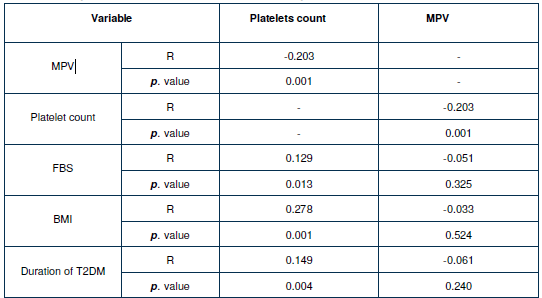
Sami A. Quiad, Mohammed A. Hajar (2025). Evaluation of Platelets Count and Mean Platelets Volume in Type2 Diabetes patients in Hospitals of Sanaa City - Yemen. Sana'a University Journal of Medicine and Health Sciences, 371-377. DOI: https://doi.org/10.59628/jchm.v19i6.2120
Sami A. Quiad, Mohammed A. Hajar . “Evaluation of Platelets Count and Mean Platelets Volume in Type2 Diabetes patients in Hospitals of Sanaa City - Yemen.” Sana'a University Journal of Medicine and Health Sciences, 2025, pp. 371-377. https://doi.org/10.59628/jchm.v19i6.2120. Accessed 5 Sep. 2026.
Sami A. Quiad, Mohammed A. Hajar . 2025. “Evaluation of Platelets Count and Mean Platelets Volume in Type2 Diabetes patients in Hospitals of Sanaa City - Yemen.” Sana'a University Journal of Medicine and Health Sciences : 371-377. DOI: https://doi.org/10.59628/jchm.v19i6.2120
Sami A. Quiad, Mohammed A. Hajar (2025) ‘Evaluation of Platelets Count and Mean Platelets Volume in Type2 Diabetes patients in Hospitals of Sanaa City - Yemen’, Sana'a University Journal of Medicine and Health Sciences, pp. 371-377. doi: 10.59628/jchm.v19i6.2120
@article{jchm2025_art2120,
author = {Sami A. Quiad, Mohammed A. Hajar },
title = {Evaluation of Platelets Count and Mean Platelets Volume in Type2 Diabetes patients in Hospitals of Sanaa City - Yemen},
journal = {Sana'a University Journal of Medicine and Health Sciences}, year = {2025}, month = {December}, pages = {371-377}, doi = {10.59628/jchm.v19i6.2120},
url = {https://doi.org/10.59628/jchm.v19i6.2120},}
Risk factors, microbiological etiology, and clinical manifestations of UTIs in patients presenting to urology clinics in major hospitals in Sana’a City, Yemen
Abstract
Background and aims: Urinary tract infections (UTIs) remain largely under-researched despite their common occurrence in clinical practice. This study focuses on outpatient urology clinic visits in Sana’a City, aiming to assess the prevalence of clinical symptoms, bacterial characteristics, and risk factors associated with both bacterial and fungal UTIs.
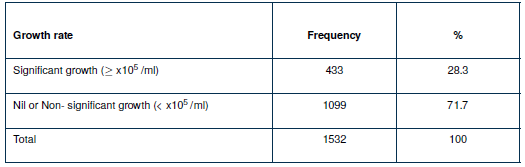
Methods: In a 12-month cross-sectional study involving 1532 patients suspected of having a urinary tract infection (UTI), 433 culture-positive samples were identified. Urine samples were collected along with clinical and demographic data through a standard questionnaire. Laboratory procedures were employed to isolate, cultivate, and identify potential bacterial pathogens, while also examining risk factors associated with UTIs.
Results: The majority of patients were aged 21–30 years (25.6%), and the most common symptoms were urine turbidity (85.1%), urinary urgency (78.0%), fever (64.7%), and dysuria (52.3%), while hematuria, kidney pain, and nausea/vomiting were less frequent. Escherichia coli (41.3%), Pseudomonas aeruginosa (18.5%), Klebsiella pneumoniae (9.1%), S.aureus (9.7%), Proteus mirabilis (1.7%), Acintobacter lowfii (0.46%), and Citrobacter freundii (1.2%) were the Gram-negative isolates. Staphylococcus haemolyticus (1.7%), Staphylococcus saprophyticus (5.8%), and Enterococcus faecalis (5.5%) were the Gram-positive isolates. Additionally, 5.3% of the isolates were of the Candida species. There were significant risk factors for contracting UTI, including diabetic mellitus (OR = 4.9), renal disorders (OR = 2.8), autoimmune diseases (OR = 3.3), khat chewing (OR = 1.7), catheterization (OR = 3.6), stones (OR = 2.9), immunosuppressive medications (OR = 2.8), hypertension (OR = 6.5), previous urinary tract infection (OR = 7.8), active sexual intercourse (OR = 5.2), familial urinary tract infection (OR = 3.8), depression and psychosis (OR = 4.1), and obesity (OR = 2.5), all of which had significant 2 and p-values.
Conclusions: The most common isolates of UTI was Escherichia coli. The results show the most common symptoms of UTI are urine turbidity, urinary urgency, fever and dysuria. There were significant risk factors for UTIs, including all known risk factors for UTIs except kidney transplants.
Keywords
How to Cite This Article
Ansam Mansoor M Al-barq, Hassan Abdulwahab Al-Shamahy (2025). Risk factors, microbiological etiology, and clinical manifestations of UTIs in patients presenting to urology clinics in major hospitals in Sana’a City, Yemen. Sana'a University Journal of Medicine and Health Sciences, 378-386. DOI: https://doi.org/10.59628/jchm.v19i6.2003
Ansam Mansoor M Al-barq, Hassan Abdulwahab Al-Shamahy . “Risk factors, microbiological etiology, and clinical manifestations of UTIs in patients presenting to urology clinics in major hospitals in Sana’a City, Yemen.” Sana'a University Journal of Medicine and Health Sciences, 2025, pp. 378-386. https://doi.org/10.59628/jchm.v19i6.2003. Accessed 5 Sep. 2026.
Ansam Mansoor M Al-barq, Hassan Abdulwahab Al-Shamahy . 2025. “Risk factors, microbiological etiology, and clinical manifestations of UTIs in patients presenting to urology clinics in major hospitals in Sana’a City, Yemen.” Sana'a University Journal of Medicine and Health Sciences : 378-386. DOI: https://doi.org/10.59628/jchm.v19i6.2003
Ansam Mansoor M Al-barq, Hassan Abdulwahab Al-Shamahy (2025) ‘Risk factors, microbiological etiology, and clinical manifestations of UTIs in patients presenting to urology clinics in major hospitals in Sana’a City, Yemen’, Sana'a University Journal of Medicine and Health Sciences, pp. 378-386. doi: 10.59628/jchm.v19i6.2003
@article{jchm2025_art2003,
author = {Ansam Mansoor M Al-barq, Hassan Abdulwahab Al-Shamahy },
title = {Risk factors, microbiological etiology, and clinical manifestations of UTIs in patients presenting to urology clinics in major hospitals in Sana’a City, Yemen},
journal = {Sana'a University Journal of Medicine and Health Sciences}, year = {2025}, month = {December}, pages = {378-386}, doi = {10.59628/jchm.v19i6.2003},
url = {https://doi.org/10.59628/jchm.v19i6.2003},}
Prevalence of anaemia among adult heart failure patients in cardiac centres, Sana’a, Yemen
Abstract
Background and objective: Heart failure is a debilitating clinical syndrome associated with high rates of morbidity and mortality. Anemia is common among patients with heart failure, significantly impacting their prognosis and contributing to increased hospitalization and mortality. This study aimed to assess the prevalence
of anemia among adults with heart failure at cardiac centers in Sana’a, Yemen.
Materials and Methods: This cross-sectional study included 183 adult patients with heart failure from two major cardiology centres in Sana’a. Data were collected on demographic characteristics and haematological parameters, including complete blood count. Anemia was classified according to the World Health Organization criteria (hemoglobin <12 g/dL for women and <13 g/dL for men). Statistical analyses were performed using SPSS version 27, with a significance level of <0.05.
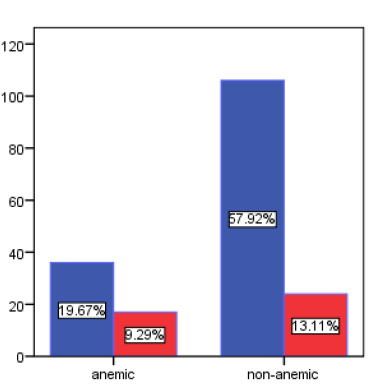
Results: The mean age of the patients was 43.4 ± 3.8 years, and 77.6% were male. The overall prevalence of anemia among patients with heart failure was 28.9% (95% CI: 28.6–29.2%). Among the patients with anemia, 75.5% had mild anemia and 24.5% had moderate anemia, with no severe cases observed.
Conclusion: Anaemia is a notable comorbidity among heart failure patients in Sana’a, Yemen, affecting nearly a third of the studied population, primarily as mild or moderate cases. These findings highlight the importance of routine anemia screening and management in patients with HF in this region to improve clinical
outcomes.
Keywords
How to Cite This Article
Marwan Motea Naje Mosleh, Ahmed Kaid Salem, Mohammed Ahmed Hajar, Hassan Abdulwahab Al-Shamahy (2025). Prevalence of anaemia among adult heart failure patients in cardiac centres, Sana’a, Yemen. Sana'a University Journal of Medicine and Health Sciences, 387-392. DOI: https://doi.org/10.59628/jchm.v19i6.2168
Marwan Motea Naje Mosleh, Ahmed Kaid Salem, Mohammed Ahmed Hajar, Hassan Abdulwahab Al-Shamahy . “Prevalence of anaemia among adult heart failure patients in cardiac centres, Sana’a, Yemen.” Sana'a University Journal of Medicine and Health Sciences, 2025, pp. 387-392. https://doi.org/10.59628/jchm.v19i6.2168. Accessed 5 Sep. 2026.
Marwan Motea Naje Mosleh, Ahmed Kaid Salem, Mohammed Ahmed Hajar, Hassan Abdulwahab Al-Shamahy . 2025. “Prevalence of anaemia among adult heart failure patients in cardiac centres, Sana’a, Yemen.” Sana'a University Journal of Medicine and Health Sciences : 387-392. DOI: https://doi.org/10.59628/jchm.v19i6.2168
Marwan Motea Naje Mosleh, Ahmed Kaid Salem, Mohammed Ahmed Hajar, Hassan Abdulwahab Al-Shamahy (2025) ‘Prevalence of anaemia among adult heart failure patients in cardiac centres, Sana’a, Yemen’, Sana'a University Journal of Medicine and Health Sciences, pp. 387-392. doi: 10.59628/jchm.v19i6.2168
@article{jchm2025_art2168,
author = {Marwan Motea Naje Mosleh, Ahmed Kaid Salem, Mohammed Ahmed Hajar, Hassan Abdulwahab Al-Shamahy },
title = {Prevalence of anaemia among adult heart failure patients in cardiac centres, Sana’a, Yemen},
journal = {Sana'a University Journal of Medicine and Health Sciences}, year = {2025}, month = {December}, pages = {387-392}, doi = {10.59628/jchm.v19i6.2168},
url = {https://doi.org/10.59628/jchm.v19i6.2168},}
Comparative Analysis of Lateral Incisor Morphology in Patients with Unilateral Palatally Impacted Canines: A CBCT Study
Abstract
Background and objectives:
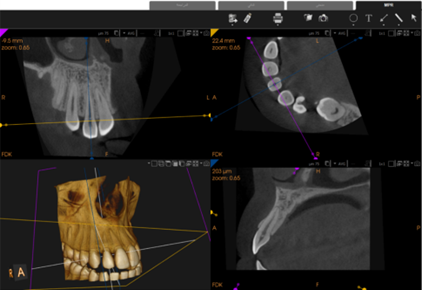
This study aimed to evaluate the morphology of maxillary lateral incisors in patients with unilateral palatally impacted canines compared to the contralateral side using cone beam computed tomography (CBCT) technique.
Materials and Methods:
A cross-sectional study analyzed CBCT images of 70 patients (35 males and 35 females; mean age, 25.83 ± 9.27 years) with unilateral palatally impacted canines. The lateral incisor length, crown width, and colum angle were evaluated on both the impacted and non-impacted sides. Paired and independent t-tests were used for comparisons, and intraclass correlation coefficients (ICCs) were used to assess intra- and inter-examiner reliability. Statistical significance was set at P < 0.05.
Results:
The results revealed a statistically significant difference in lateral incisor length between the impacted side (21.81 ± 2.28 mm) and the non-impacted side (22.12 ± 2.03 mm). In contrast, crown width and collum angle did not show any significant differences. In the gender-based comparison, the lateral incisor length was significantly reduced in female participants (p = 0.006). All ICC values indicated excellent agreement (ICC > 0.9).
Conclusion:
The lateral incisor was significantly shorter on the impacted side than on the non-impacted side, supporting its potential role as a clinical predictor of palatal canine impaction. In contrast, there were no significant differences in the crown width or colum angle of the lateral incisors.
Keywords
How to Cite This Article
Wafa’a Mohammed Al-Sharaeai, Naela Mohamed Al-Mogahed (2025). Comparative Analysis of Lateral Incisor Morphology in Patients with Unilateral Palatally Impacted Canines: A CBCT Study. Sana'a University Journal of Medicine and Health Sciences, 393- 398. DOI: https://doi.org/10.59628/jchm.v19i6.2174
Wafa’a Mohammed Al-Sharaeai, Naela Mohamed Al-Mogahed . “Comparative Analysis of Lateral Incisor Morphology in Patients with Unilateral Palatally Impacted Canines: A CBCT Study.” Sana'a University Journal of Medicine and Health Sciences, 2025, pp. 393- 398. https://doi.org/10.59628/jchm.v19i6.2174. Accessed 5 Sep. 2026.
Wafa’a Mohammed Al-Sharaeai, Naela Mohamed Al-Mogahed . 2025. “Comparative Analysis of Lateral Incisor Morphology in Patients with Unilateral Palatally Impacted Canines: A CBCT Study.” Sana'a University Journal of Medicine and Health Sciences : 393- 398. DOI: https://doi.org/10.59628/jchm.v19i6.2174
Wafa’a Mohammed Al-Sharaeai, Naela Mohamed Al-Mogahed (2025) ‘Comparative Analysis of Lateral Incisor Morphology in Patients with Unilateral Palatally Impacted Canines: A CBCT Study’, Sana'a University Journal of Medicine and Health Sciences, pp. 393- 398. doi: 10.59628/jchm.v19i6.2174
@article{jchm2025_art2174,
author = {Wafa’a Mohammed Al-Sharaeai, Naela Mohamed Al-Mogahed },
title = {Comparative Analysis of Lateral Incisor Morphology in Patients with Unilateral Palatally Impacted Canines: A CBCT Study},
journal = {Sana'a University Journal of Medicine and Health Sciences}, year = {2025}, month = {December}, pages = {393- 398}, doi = {10.59628/jchm.v19i6.2174},
url = {https://doi.org/10.59628/jchm.v19i6.2174},}
The Impact of a ketogenic diet (KD) vs. a Low-Fat Diet (LFD) on weight loss in overweight and obese women: A Randomized Crossover Trial
Abstract
Abstract:
Background: The global prevalence of obesity and overweight is a major public health concern, linked to increased risks of cardiovascular disease and metabolic disorders. Dietary interventions, such as the ketogenic diet (KD) and the low-fat diet (LFD), are popular strategies for weight management. However, their comparative effectiveness, especially in specific populations like women in Yemen, remains underexplored.
Objective: This study aimed to compare the effects of a KD and an LFD on weight loss, body composition, and key biochemical markers in overweight and obese women over a 12-week period.
Methods: We conducted a 12-week randomized crossover trial with 20 overweight and obese women in Sana'a, Yemen. Participants were randomly assigned to either a KD (65% fat, 25% protein, 10% carbs) or an LFD (30% fat, 15% protein, 55% carbs), with both diets being isocaloric (1650 calories). We measured anthropometric parameters (body weight, BMI, waist and hip circumference), body composition (fat mass, fat-free mass), and a range of biochemical markers (blood glucose, lipid profile, urea, creatinine, calcium, vitamin D, and ketone bodies) at baseline and weekly intervals.
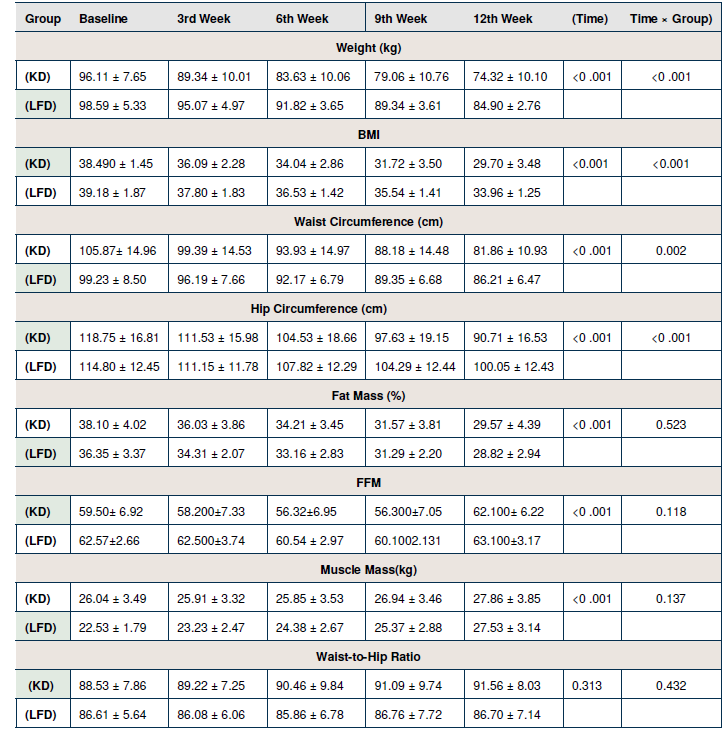
Results: Both diets led to significant decrease (p < 0.001) in body weight, body mass index, and percentage of body fat, and an increase in muscle mass. The KD group, however, experienced more rapid weight loss (averaging 2 kg/week) compared to the LFD group (1 kg/week). The KD also resulted in more favorable changes to the lipid profile, including decrease in total cholesterol, LDL-C, and triglycerides but not significant, and an increase in HDL-C. Both diets maintained stable creatinine and urea levels. A key finding was the significant decrease in Vitamin D and calcium levels in the KD group, whereas the LFD group maintained these levels. The KD successfully induced a state of nutritional ketosis, evidenced by a significant and sustained increase in ketone body levels.
Conclusion: Both a ketogenic diet and a low-fat diet are effective for weight loss and improving cardiovascular risk factors in overweight and obese women. The ketogenic diet demonstrated a greater and more rapid impact on weight loss and lipid profile improvements, while the low-fat diet was more effective at preserving vitamin D and calcium. These findings highlight that both caloric restriction and macronutrient composition are important in managing obesity.

Keywords
How to Cite This Article
Dhekra Al-Sayaghi, Adnan A.M.M. AL-Qubati, Khaled N. Homaid, A Bagash (2025). The Impact of a ketogenic diet (KD) vs. a Low-Fat Diet (LFD) on weight loss in overweight and obese women: A Randomized Crossover Trial. Sana'a University Journal of Medicine and Health Sciences, 399-407. DOI: https://doi.org/10.59628/jchm.v19i6.2122
Dhekra Al-Sayaghi, Adnan A.M.M. AL-Qubati, Khaled N. Homaid, A Bagash . “The Impact of a ketogenic diet (KD) vs. a Low-Fat Diet (LFD) on weight loss in overweight and obese women: A Randomized Crossover Trial.” Sana'a University Journal of Medicine and Health Sciences, 2025, pp. 399-407. https://doi.org/10.59628/jchm.v19i6.2122. Accessed 5 Sep. 2026.
Dhekra Al-Sayaghi, Adnan A.M.M. AL-Qubati, Khaled N. Homaid, A Bagash . 2025. “The Impact of a ketogenic diet (KD) vs. a Low-Fat Diet (LFD) on weight loss in overweight and obese women: A Randomized Crossover Trial.” Sana'a University Journal of Medicine and Health Sciences : 399-407. DOI: https://doi.org/10.59628/jchm.v19i6.2122
Dhekra Al-Sayaghi, Adnan A.M.M. AL-Qubati, Khaled N. Homaid, A Bagash (2025) ‘The Impact of a ketogenic diet (KD) vs. a Low-Fat Diet (LFD) on weight loss in overweight and obese women: A Randomized Crossover Trial’, Sana'a University Journal of Medicine and Health Sciences, pp. 399-407. doi: 10.59628/jchm.v19i6.2122
@article{jchm2025_art2122,
author = {Dhekra Al-Sayaghi, Adnan A.M.M. AL-Qubati, Khaled N. Homaid, A Bagash },
title = {The Impact of a ketogenic diet (KD) vs. a Low-Fat Diet (LFD) on weight loss in overweight and obese women: A Randomized Crossover Trial},
journal = {Sana'a University Journal of Medicine and Health Sciences}, year = {2025}, month = {December}, pages = {399-407}, doi = {10.59628/jchm.v19i6.2122},
url = {https://doi.org/10.59628/jchm.v19i6.2122},}
Association of ketogenic diet with glycemic control and hematological and biochemical parameters in Yemeni patients with primary hypertension.
Abstract
Introduction: Hypertension is associated with metabolic and hematological alterations that increase cardiovascular risk. Nutritional interventions, such as ketogenic diets, may improve these parameters. This study aimed to evaluate the association between the ketogenic diet and glycemic, hematological, and biochemical markers in patients with primary hypertension over two months.
Method: The repeated-measures study was carried out on 80 diagnosed primary hypertension patients who followed the keto diet program. They were followed during three periods: baseline, before starting the keto diet program, after one month, and after two months of using the keto diet. The results were analyzed using
SPSS for statistical analysis.
Results: The results showed that random blood sugar, alanine transaminase, aspartate transaminase, alkaline phosphatase, urea, cholesterol, and triglycerides were significantly decreased (p= 1x10⁻¹¹, 0.003, 0.029, 0.0002, 0.0003, 7.2x 10⁻¹³, 2.3x 10⁻¹³ ,respectively), but LDL-cholesterol and HDL-cholesterol levels were significantly increased (p= 0.00004, 0.00001, respectively) and hemoglobin, total white blood cell, and platelet count were significantly increased (p= 0.004, 0.073,and 0.023). There were no significant changes in creatinine, Na, K, Mg, Ca, and HbA1C in the hypertensive patients when comparing baseline with one and two months after using the ketogenic diet.
Conclusion: This study concluded that the ketogenic diet positively influenced hematological and biochemical markers without adverse effects on liver or kidney function. These changes collectively suggest that the ketogenic diet may serve as an effective adjunctive strategy for managing hypertension, especially among individuals exhibiting features of metabolic syndrome or insulin resistance.
Keywords
How to Cite This Article
Ebtisam A. Al-Sadiq, Fairooz M. Atroosh, Abdul Aziz Al-Delmi, Waled A. Al-Dubai (2025). Association of ketogenic diet with glycemic control and hematological and biochemical parameters in Yemeni patients with primary hypertension.. Sana'a University Journal of Medicine and Health Sciences, 408- 411. DOI: https://doi.org/10.59628/jchm.v19i6.2330
Ebtisam A. Al-Sadiq, Fairooz M. Atroosh, Abdul Aziz Al-Delmi, Waled A. Al-Dubai . “Association of ketogenic diet with glycemic control and hematological and biochemical parameters in Yemeni patients with primary hypertension..” Sana'a University Journal of Medicine and Health Sciences, 2025, pp. 408- 411. https://doi.org/10.59628/jchm.v19i6.2330. Accessed 5 Sep. 2026.
Ebtisam A. Al-Sadiq, Fairooz M. Atroosh, Abdul Aziz Al-Delmi, Waled A. Al-Dubai . 2025. “Association of ketogenic diet with glycemic control and hematological and biochemical parameters in Yemeni patients with primary hypertension..” Sana'a University Journal of Medicine and Health Sciences : 408- 411. DOI: https://doi.org/10.59628/jchm.v19i6.2330
Ebtisam A. Al-Sadiq, Fairooz M. Atroosh, Abdul Aziz Al-Delmi, Waled A. Al-Dubai (2025) ‘Association of ketogenic diet with glycemic control and hematological and biochemical parameters in Yemeni patients with primary hypertension.’, Sana'a University Journal of Medicine and Health Sciences, pp. 408- 411. doi: 10.59628/jchm.v19i6.2330
@article{jchm2025_art2330,
author = {Ebtisam A. Al-Sadiq, Fairooz M. Atroosh, Abdul Aziz Al-Delmi, Waled A. Al-Dubai },
title = {Association of ketogenic diet with glycemic control and hematological and biochemical parameters in Yemeni patients with primary hypertension.},
journal = {Sana'a University Journal of Medicine and Health Sciences}, year = {2025}, month = {December}, pages = {408- 411}, doi = {10.59628/jchm.v19i6.2330},
url = {https://doi.org/10.59628/jchm.v19i6.2330},}
The Prevalence of Anemia and its Associated Risk Factors among Malnourished Children under Five Years Age attending to Al-wahdah University Teaching Hospital in Thamar, Yemen
Abstract
Background: Anemia is a major public health concern, particularly among malnourished children in lowresource settings. Despite this burden, limited data are available from Yemen. This study aimed to determine the prevalence of anemia and identify its associated risk factors among malnourished children under five years
of age attending Al-Wahdah University Teaching Hospital in Thamar, Yemen.
Subjects and Methods: A cross-sectional study was conducted among 278 malnourished children under five years. Sociodemographic, clinical, and feeding information were collected using a structured questionnaire. Blood samples were analyzed for hemoglobin and red cell indices. Anemia was defined according to the
WHOcriteria (Hb < 11 g/dL). Logistic regression analysis was used to identify the factors associated with anemia.
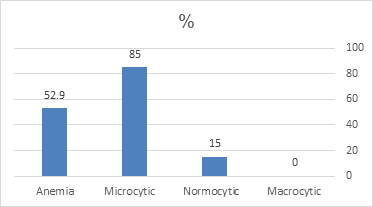
Results: The overall prevalence of anemia was 52.9% (95% CI: 47 -59%). Mild anemia was the most common (50.3%), followed by moderate (46.3%) and severe (3.4%) anemia. Microcytic anemia predominated (85%), with normocytic anemia accounting for the remaining 15%. Multivariate logistic regression showed that male sex (AOR = 2.35, 95% CI: 1.43–3.87, P = 0.001) and presence of edema (AOR = 3.57, 95% CI: 1.85–6.91, P = 0.001) were significantly associated with anemia.
Conclusion: Anemia is highly prevalent among malnourished children under-five children in Thamar, Yemen, with microcytic anemia as the dominant type. Male sex and edema were independent predictors of anemia. Targeted nutritional and clinical interventions are urgently needed to address this challenge.
Keywords
How to Cite This Article
Mohmmed Jbr Alqah, Mohammed Ahmed Hajar (2025). The Prevalence of Anemia and its Associated Risk Factors among Malnourished Children under Five Years Age attending to Al-wahdah University Teaching Hospital in Thamar, Yemen. Sana'a University Journal of Medicine and Health Sciences, 412- 419. DOI: https://doi.org/10.59628/jchm.v19i6.2055
Mohmmed Jbr Alqah, Mohammed Ahmed Hajar . “The Prevalence of Anemia and its Associated Risk Factors among Malnourished Children under Five Years Age attending to Al-wahdah University Teaching Hospital in Thamar, Yemen.” Sana'a University Journal of Medicine and Health Sciences, 2025, pp. 412- 419. https://doi.org/10.59628/jchm.v19i6.2055. Accessed 5 Sep. 2026.
Mohmmed Jbr Alqah, Mohammed Ahmed Hajar . 2025. “The Prevalence of Anemia and its Associated Risk Factors among Malnourished Children under Five Years Age attending to Al-wahdah University Teaching Hospital in Thamar, Yemen.” Sana'a University Journal of Medicine and Health Sciences : 412- 419. DOI: https://doi.org/10.59628/jchm.v19i6.2055
Mohmmed Jbr Alqah, Mohammed Ahmed Hajar (2025) ‘The Prevalence of Anemia and its Associated Risk Factors among Malnourished Children under Five Years Age attending to Al-wahdah University Teaching Hospital in Thamar, Yemen’, Sana'a University Journal of Medicine and Health Sciences, pp. 412- 419. doi: 10.59628/jchm.v19i6.2055
@article{jchm2025_art2055,
author = {Mohmmed Jbr Alqah, Mohammed Ahmed Hajar },
title = {The Prevalence of Anemia and its Associated Risk Factors among Malnourished Children under Five Years Age attending to Al-wahdah University Teaching Hospital in Thamar, Yemen},
journal = {Sana'a University Journal of Medicine and Health Sciences}, year = {2025}, month = {December}, pages = {412- 419}, doi = {10.59628/jchm.v19i6.2055},
url = {https://doi.org/10.59628/jchm.v19i6.2055},}
Evaluation of Plaque and Gingival Indices in Patients Treated with Fixed Orthodontic Appliances.
Abstract
Background/Aim:
The adverse effects of fixed orthodontic appliances in terms of gingivitis and periodontal plaque accumulation are well known, and the importance of patient education, motivation, and oral hygiene habits in periodontal health maintenance cannot be overestimated. This study aimed to prospectively determine the plaque and gingival indices of patients receiving fixed orthodontic treatment at Sanaa University, Yemen.
Methods:
This longitudinal observational study included forty-eight orthodontic patients (aged 16-30 years) undergoing active treatment for at least four months. The Plaque Index (PI) and Gingival Index (GI) were blindly assessed at baseline (T0), two months (T1), and four months (T2). Inter-arch and intra-arch (anterior vs. posterior) comparisons
were performed using the Mann-Whitney U test. Changes over time were analyzed using the Wilcoxon signed-rank test, with post-hoc Bonferroni tests for multiple comparisons (α = 0.05). Throughout the study, the patients received motivational support, including educational videos and regular WhatsApp reminders.
Results:
The general trends in GI scores showed a significant decline over time and a highly significant improvement at T0-T1 and T0-T2 (P < 0.001). The plaque score increased mildly during T0 and T1 but significantly dropped during T1 and T2 (P < 0.001). Plaque and gingival indices were always higher in the lower arch than in the upper
arch. The anterior-posterior difference in teeth was minimal and not significant.
Conclusion:
Fixed orthodontic appliances are not harmful to the health of the gums if the patients take proper care of the oral cavity. Permanent motivational reinforcement, education, and follow-up play a major role in enhancing plaque control and gingival status during orthodontic treatment.
Keywords
How to Cite This Article
Samia Dammaj, Ahmed Obeyah, Fuad Almuttareb , Ahmad Kahoul, Salma Al-aqab (2025). Evaluation of Plaque and Gingival Indices in Patients Treated with Fixed Orthodontic Appliances.. Sana'a University Journal of Medicine and Health Sciences, 420- 427. DOI: https://doi.org/10.59628/jchm.v19i6.2343
Samia Dammaj, Ahmed Obeyah, Fuad Almuttareb , Ahmad Kahoul, Salma Al-aqab . “Evaluation of Plaque and Gingival Indices in Patients Treated with Fixed Orthodontic Appliances..” Sana'a University Journal of Medicine and Health Sciences, 2025, pp. 420- 427. https://doi.org/10.59628/jchm.v19i6.2343. Accessed 5 Sep. 2026.
Samia Dammaj, Ahmed Obeyah, Fuad Almuttareb , Ahmad Kahoul, Salma Al-aqab . 2025. “Evaluation of Plaque and Gingival Indices in Patients Treated with Fixed Orthodontic Appliances..” Sana'a University Journal of Medicine and Health Sciences : 420- 427. DOI: https://doi.org/10.59628/jchm.v19i6.2343
Samia Dammaj, Ahmed Obeyah, Fuad Almuttareb , Ahmad Kahoul, Salma Al-aqab (2025) ‘Evaluation of Plaque and Gingival Indices in Patients Treated with Fixed Orthodontic Appliances.’, Sana'a University Journal of Medicine and Health Sciences, pp. 420- 427. doi: 10.59628/jchm.v19i6.2343
@article{jchm2025_art2343,
author = {Samia Dammaj, Ahmed Obeyah, Fuad Almuttareb , Ahmad Kahoul, Salma Al-aqab },
title = {Evaluation of Plaque and Gingival Indices in Patients Treated with Fixed Orthodontic Appliances.},
journal = {Sana'a University Journal of Medicine and Health Sciences}, year = {2025}, month = {December}, pages = {420- 427}, doi = {10.59628/jchm.v19i6.2343},
url = {https://doi.org/10.59628/jchm.v19i6.2343},}