
Current Issue
Sana'a University Journal of Applied Sciences and Technology
Vol. 4 No. 2 (2026)
2026-02-28
10 Articles
The fourth volume – the second issue in the Sana'a University Journal of Applied Sciences and Technology
Article
8 Articles

How to Cite This Article
Moneer M. Al-Gadh, Anas Al-Nadhary , Mahfoudh M Al-Hamadi, Maher Ali. Almaqtari (2026). Chemometric-Assisted UV Spectrophotometric Determination of Metronidazole and Diloxanide Furoate in Binary Pharmaceutical Formulations. Sana'a University Journal of Applied Sciences and Technology, 1640-1655. DOI: https://doi.org/10.59628/jast.v4i2.2481
Moneer M. Al-Gadh, Anas Al-Nadhary , Mahfoudh M Al-Hamadi, Maher Ali. Almaqtari . “Chemometric-Assisted UV Spectrophotometric Determination of Metronidazole and Diloxanide Furoate in Binary Pharmaceutical Formulations.” Sana'a University Journal of Applied Sciences and Technology, 2026, pp. 1640-1655. https://doi.org/10.59628/jast.v4i2.2481. Accessed 27 Oct. 2026.
Moneer M. Al-Gadh, Anas Al-Nadhary , Mahfoudh M Al-Hamadi, Maher Ali. Almaqtari . 2026. “Chemometric-Assisted UV Spectrophotometric Determination of Metronidazole and Diloxanide Furoate in Binary Pharmaceutical Formulations.” Sana'a University Journal of Applied Sciences and Technology : 1640-1655. DOI: https://doi.org/10.59628/jast.v4i2.2481
Moneer M. Al-Gadh, Anas Al-Nadhary , Mahfoudh M Al-Hamadi, Maher Ali. Almaqtari (2026) ‘Chemometric-Assisted UV Spectrophotometric Determination of Metronidazole and Diloxanide Furoate in Binary Pharmaceutical Formulations’, Sana'a University Journal of Applied Sciences and Technology, pp. 1640-1655. doi: 10.59628/jast.v4i2.2481
@article{jast2026_art2481,
    author  = {Moneer M. Al-Gadh, Anas  Al-Nadhary , Mahfoudh M Al-Hamadi, Maher Ali.  Almaqtari },
    title   = {Chemometric-Assisted UV Spectrophotometric Determination of Metronidazole and Diloxanide Furoate in Binary Pharmaceutical Formulations},
    journal = {Sana'a University Journal of Applied Sciences and Technology},    year    = {2026},    month   = {February},    pages   = {1640-1655},    doi     = {10.59628/jast.v4i2.2481},
    url     = {https://doi.org/10.59628/jast.v4i2.2481},}
Citation copied!
Contact Authors
Chemometric-Assisted UV Spectrophotometric Determination of Metronidazole and Diloxanide Furoate in Binary Pharmaceutical Formulations
Email copied!
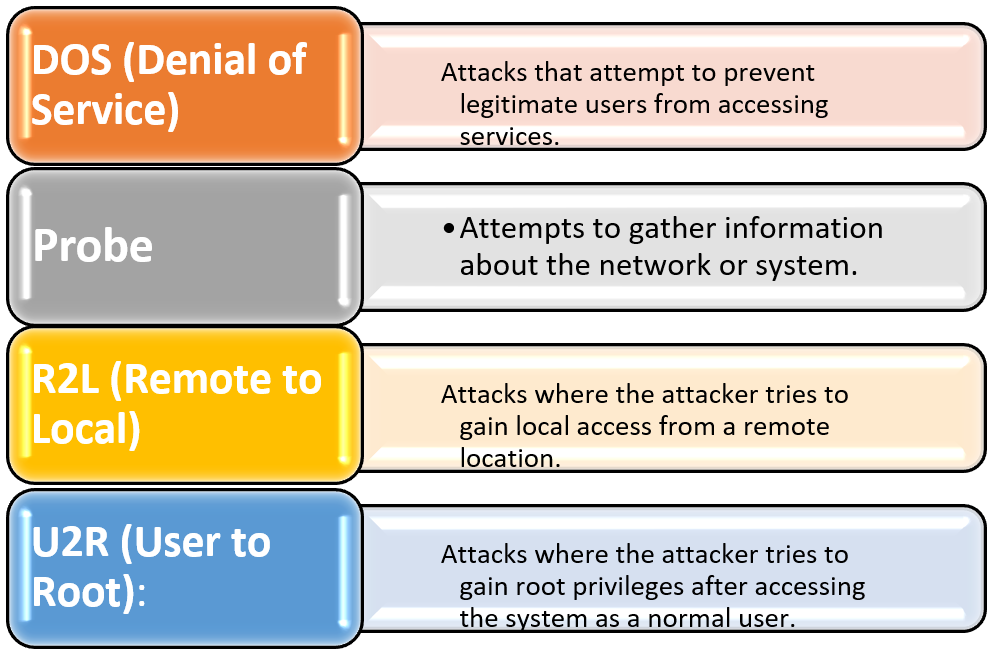
Attacks Detection Model Based on a Machine Learning Algorithm
Essra Abd wazkool, Abdulrahman A. Alsabri, Suad Mohammed Othman
1656-1664
2026-02-28
Abstract
With the rapid developments in data volume and the complexity of cyber-attacks, attack detection systems face increasing challenges. This paper presents a model based on a Support Vector Machine (SVM) algorithm to detect attacks. To improve detection accuracy and reduce computational complexity, the Principal Component Analysis (PCA) algorithm was used as a first stage to select the most important features in the NSL-KDD dataset. The proposed model was applied to the NSL-KDD dataset. The results showed that using the SVM and PCA algorithms helps reduce the data dimensions, leading to improved classification accuracy and reduced computational complexity of the model. This model provides a machine learning-based detection system that can effectively identify attacks, which leads to enhancing network security against complex threats.
Keywords
Attacks Detection
Cloud Computing
Machine Learning
Classification
Support Vector Machine
Principal Component Analysis
How to Cite This Article
Essra Abd wazkool, Abdulrahman A. Alsabri, Suad Mohammed Othman (2026). Attacks Detection Model Based on a Machine Learning Algorithm. Sana'a University Journal of Applied Sciences and Technology, 1656-1664. DOI: https://doi.org/10.59628/jast.v4i2.2270
Essra Abd wazkool, Abdulrahman A. Alsabri, Suad Mohammed Othman . “Attacks Detection Model Based on a Machine Learning Algorithm.” Sana'a University Journal of Applied Sciences and Technology, 2026, pp. 1656-1664. https://doi.org/10.59628/jast.v4i2.2270. Accessed 27 Oct. 2026.
Essra Abd wazkool, Abdulrahman A. Alsabri, Suad Mohammed Othman . 2026. “Attacks Detection Model Based on a Machine Learning Algorithm.” Sana'a University Journal of Applied Sciences and Technology : 1656-1664. DOI: https://doi.org/10.59628/jast.v4i2.2270
Essra Abd wazkool, Abdulrahman A. Alsabri, Suad Mohammed Othman (2026) ‘Attacks Detection Model Based on a Machine Learning Algorithm’, Sana'a University Journal of Applied Sciences and Technology, pp. 1656-1664. doi: 10.59628/jast.v4i2.2270
@article{jast2026_art2270,
    author  = {Essra Abd wazkool, Abdulrahman A. Alsabri, Suad Mohammed Othman },
    title   = {Attacks Detection Model Based on a Machine Learning Algorithm},
    journal = {Sana'a University Journal of Applied Sciences and Technology},    year    = {2026},    month   = {February},    pages   = {1656-1664},    doi     = {10.59628/jast.v4i2.2270},
    url     = {https://doi.org/10.59628/jast.v4i2.2270},}
Citation copied!
Contact Authors
Attacks Detection Model Based on a Machine Learning Algorithm
Email copied!
An Overview and Impact Analysis of AI Tools in Academic Research, Learning, and Educational Performance
Jehan Wajeh Almaqtari, Emad Alramada, Ayman Alsabry
1665-1681
2026-02-28
Abstract
Artificial intelligence (AI) is reshaping academic practice across research and learning. To address fragmented evidence, this review aims to (i) map commonly used academic AI tools, (ii) synthesize reported effects on research and learning performance, and (iii) outline risks and governance needs. We conducted a qualitative content analysis using publicly available “materials,” including official tool documentation and websites, major academic databases , and user reports; records were screened for relevance to higher education and research, data were charted on features, use-cases, and ethical considerations, and tools were categorized into five domains: AI writing assistants; literature-review & citation tools; data analysis & visualization; productivity & organization; and learning & tutoring. Main results show comparative feature tables that support tool selection and consistent benefit signals: higher research efficiency and writing support, and within education—greater engagement and personalization; persistent risks include academic integrity, privacy, bias, and over-reliance, implying the need for clear governance and assessment design. Verification relied on human fact-checking against primary sources and consistency checks across categories; the review is exploratory and descriptive and doesnot include benchmarking or controlled experiments.
Keywords
Artificial Intelligence (AI)
Academic Research
Educational Technology
AI Tools in Learning
Student Performance
Research Productivity
AI in Higher Education
Adaptive Learning
Plagiarism Detection
Writing Assistance Tools
How to Cite This Article
Jehan Wajeh Almaqtari, Emad Alramada, Ayman Alsabry (2026). An Overview and Impact Analysis of AI Tools in Academic Research, Learning, and Educational Performance. Sana'a University Journal of Applied Sciences and Technology, 1665-1681. DOI: https://doi.org/10.59628/jast.v4i2.1921
Jehan Wajeh Almaqtari, Emad Alramada, Ayman Alsabry . “An Overview and Impact Analysis of AI Tools in Academic Research, Learning, and Educational Performance.” Sana'a University Journal of Applied Sciences and Technology, 2026, pp. 1665-1681. https://doi.org/10.59628/jast.v4i2.1921. Accessed 27 Oct. 2026.
Jehan Wajeh Almaqtari, Emad Alramada, Ayman Alsabry . 2026. “An Overview and Impact Analysis of AI Tools in Academic Research, Learning, and Educational Performance.” Sana'a University Journal of Applied Sciences and Technology : 1665-1681. DOI: https://doi.org/10.59628/jast.v4i2.1921
Jehan Wajeh Almaqtari, Emad Alramada, Ayman Alsabry (2026) ‘An Overview and Impact Analysis of AI Tools in Academic Research, Learning, and Educational Performance’, Sana'a University Journal of Applied Sciences and Technology, pp. 1665-1681. doi: 10.59628/jast.v4i2.1921
@article{jast2026_art1921,
    author  = {Jehan Wajeh Almaqtari, Emad Alramada, Ayman Alsabry },
    title   = {An Overview and Impact Analysis of AI Tools in Academic Research, Learning, and Educational Performance},
    journal = {Sana'a University Journal of Applied Sciences and Technology},    year    = {2026},    month   = {February},    pages   = {1665-1681},    doi     = {10.59628/jast.v4i2.1921},
    url     = {https://doi.org/10.59628/jast.v4i2.1921},}
Citation copied!
Contact Authors
An Overview and Impact Analysis of AI Tools in Academic Research, Learning, and Educational Performance
Email copied!
Efficient Numerical Method for Solving a Cancer Tumor Model Governed by Fractional Partial Differential Equations Involving the ψ-Caputo derivative
Seham Al-Mekhlafi
1682-1693
2026-02-28
Abstract
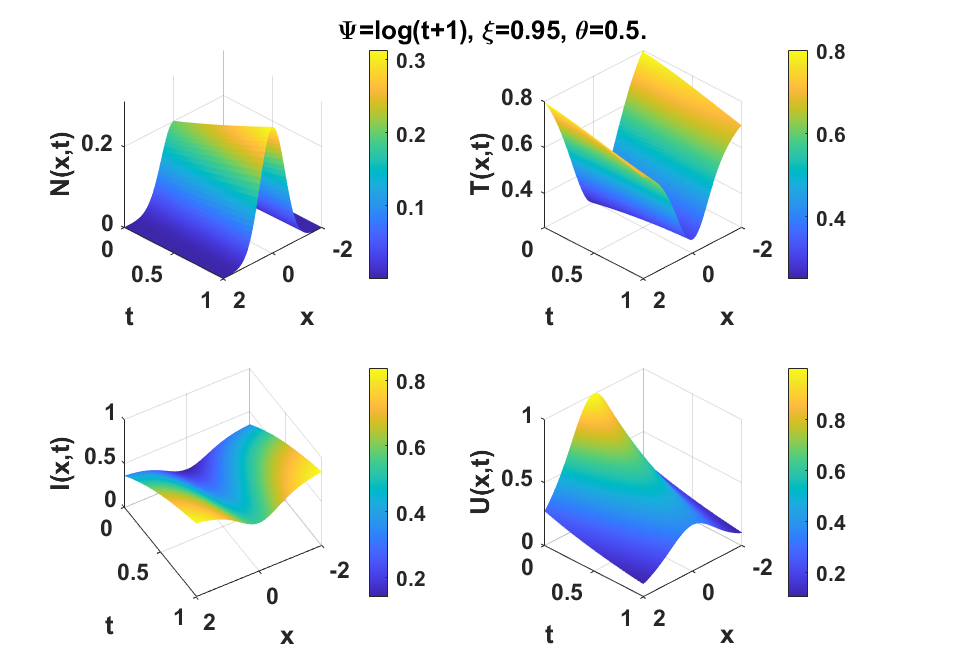
This paper introduces a novel fractional-order framework for modeling tumor-immune-drug interactions using Ψ-Caputo derivatives with general memory kernels. Unlike classical approaches, our model captures hereditary effects and anomalous transport inherent in cancer biology through flexible time-scaling laws. We establish rigorous theoretical guarantees, including existence, uniqueness, non-negativity, and boundedness of solutions, ensuring biological feasibility. Numerically, we develop a fully implicit θ-method with Ψ-Caputo discretization, proving unconditional stability and demonstrating its efficacy through comprehensive simulations. Our results reveal how the fractional order ξ and kernel selection critically regulate tumor persistence, immune activation, and treatment outcomes, uncovering memory-driven dynamics inaccessible to integer-order models. This work demonstrates that Ψ-Caputo operators are a powerful tool for predictive oncology, bridging fractional partial differential equation theory with cancer systems biology.
Keywords
Fractional partial differential equations
Ψ- Caputo derivative
Cancer modeling
Stability analysis
Numerical methods
Tumor–immune– drug dynamics
How to Cite This Article
Seham Al-Mekhlafi (2026). Efficient Numerical Method for Solving a Cancer Tumor Model Governed by Fractional Partial Differential Equations Involving the ψ-Caputo derivative. Sana'a University Journal of Applied Sciences and Technology, 1682-1693. DOI: https://doi.org/10.59628/jast.v4i2.2576
Seham Al-Mekhlafi . “Efficient Numerical Method for Solving a Cancer Tumor Model Governed by Fractional Partial Differential Equations Involving the ψ-Caputo derivative.” Sana'a University Journal of Applied Sciences and Technology, 2026, pp. 1682-1693. https://doi.org/10.59628/jast.v4i2.2576. Accessed 27 Oct. 2026.
Seham Al-Mekhlafi . 2026. “Efficient Numerical Method for Solving a Cancer Tumor Model Governed by Fractional Partial Differential Equations Involving the ψ-Caputo derivative.” Sana'a University Journal of Applied Sciences and Technology : 1682-1693. DOI: https://doi.org/10.59628/jast.v4i2.2576
Seham Al-Mekhlafi (2026) ‘Efficient Numerical Method for Solving a Cancer Tumor Model Governed by Fractional Partial Differential Equations Involving the ψ-Caputo derivative’, Sana'a University Journal of Applied Sciences and Technology, pp. 1682-1693. doi: 10.59628/jast.v4i2.2576
@article{jast2026_art2576,
    author  = {Seham Al-Mekhlafi },
    title   = {Efficient Numerical Method for Solving a Cancer Tumor Model Governed by Fractional Partial Differential Equations Involving the ψ-Caputo derivative},
    journal = {Sana'a University Journal of Applied Sciences and Technology},    year    = {2026},    month   = {February},    pages   = {1682-1693},    doi     = {10.59628/jast.v4i2.2576},
    url     = {https://doi.org/10.59628/jast.v4i2.2576},}
Citation copied!
Contact Authors
Efficient Numerical Method for Solving a Cancer Tumor Model Governed by Fractional Partial Differential Equations Involving the ψ-Caputo derivative
Email copied!
The Efficiency of Water Resources use and its Impact in Achieving Sustainable Agricultural Development in Yemen During the Period (2000–2023)
Hamid Abdullah Ali Alsamhari, Khaled Kassem Kaid Saleh
1694-1723
2026-02-28
Abstract
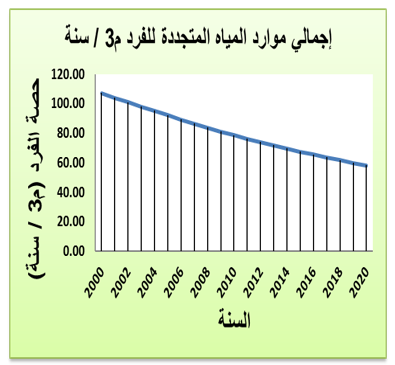
Water resources in Yemen constitute a critical determinant for achieving sustainable agricultural development; however, the country confronts substantial challenges stemming from severe deterioration in the economic efficiency of water utilization, resulting in aquifer depletion and widening resource-demand disparities. This research aims to analyze water resource conditions and their implications for sustainable agricultural development (2000–2023), employing descriptive-analytical methodology and econometric approaches based on official data. Findings confirm Yemen's classification among the world's most water-scarce nations, with per capita renewable water availability of 58 m³ annually—substantially below the absolute water scarcity threshold (500 m³)—demonstrating statistically significant annual decline of 3.01%. Analysis reveals structural imbalances in water resource management, in which the agricultural sector appropriates over 90% of resources, exerting immense pressure on groundwater reserves depleting beyond natural recharge rates while contributing merely 8% to GDP. Water use efficiency stands at USD 9.24/m³, below global averages, with water stress levels exceeding safe thresholds by 169.76%. Econometric analysis demonstrates a strong inverse correlation (r = -0.958) with statistical significance between water use efficiency and prevalence of undernourishment, whereby the model attributes 93.4% of undernourishment variance to agricultural water efficiency and per capita GDP. The crisis intensifies due to qat cultivation expansion (26.8% of irrigated lands in 2023), juxtaposed with limited modern irrigation technology adoption (14% only). The research recommends formulating and enforcing comprehensive water policies, implementing effective pricing mechanisms, expanding sustainable agriculture practices, and regulating water-intensive crop cultivation to ensure optimal water utilization, food security achievement, and sustainable agricultural development.
Keywords
Water Resources use Efficiency
digital technologies
Yemen
contemporary architecture
How to Cite This Article
Hamid Abdullah Ali Alsamhari, Khaled Kassem Kaid Saleh (2026). The Efficiency of Water Resources use and its Impact in Achieving Sustainable Agricultural Development in Yemen During the Period (2000–2023). Sana'a University Journal of Applied Sciences and Technology, 1694-1723. DOI: https://doi.org/10.59628/jast.v4i2.2116
Hamid Abdullah Ali Alsamhari, Khaled Kassem Kaid Saleh . “The Efficiency of Water Resources use and its Impact in Achieving Sustainable Agricultural Development in Yemen During the Period (2000–2023).” Sana'a University Journal of Applied Sciences and Technology, 2026, pp. 1694-1723. https://doi.org/10.59628/jast.v4i2.2116. Accessed 27 Oct. 2026.
Hamid Abdullah Ali Alsamhari, Khaled Kassem Kaid Saleh . 2026. “The Efficiency of Water Resources use and its Impact in Achieving Sustainable Agricultural Development in Yemen During the Period (2000–2023).” Sana'a University Journal of Applied Sciences and Technology : 1694-1723. DOI: https://doi.org/10.59628/jast.v4i2.2116
Hamid Abdullah Ali Alsamhari, Khaled Kassem Kaid Saleh (2026) ‘The Efficiency of Water Resources use and its Impact in Achieving Sustainable Agricultural Development in Yemen During the Period (2000–2023)’, Sana'a University Journal of Applied Sciences and Technology, pp. 1694-1723. doi: 10.59628/jast.v4i2.2116
@article{jast2026_art2116,
    author  = {Hamid Abdullah Ali Alsamhari, Khaled Kassem Kaid Saleh },
    title   = {The Efficiency of Water Resources use and its Impact in Achieving Sustainable Agricultural Development in Yemen During the Period (2000–2023)},
    journal = {Sana'a University Journal of Applied Sciences and Technology},    year    = {2026},    month   = {February},    pages   = {1694-1723},    doi     = {10.59628/jast.v4i2.2116},
    url     = {https://doi.org/10.59628/jast.v4i2.2116},}
Citation copied!
Contact Authors
The Efficiency of Water Resources use and its Impact in Achieving Sustainable Agricultural Development in Yemen During the Period (2000–2023)
Email copied!
Modern Agricultural Technology Adoption Among Tomato Farmers in Dhamar and Ibb Governorates, Yemen
Muhammad Muhammad Yahya Daws, Taha Yassin Al-Adimi, Ali Qasim Ismail
1724-1740
2026-02-28
Abstract
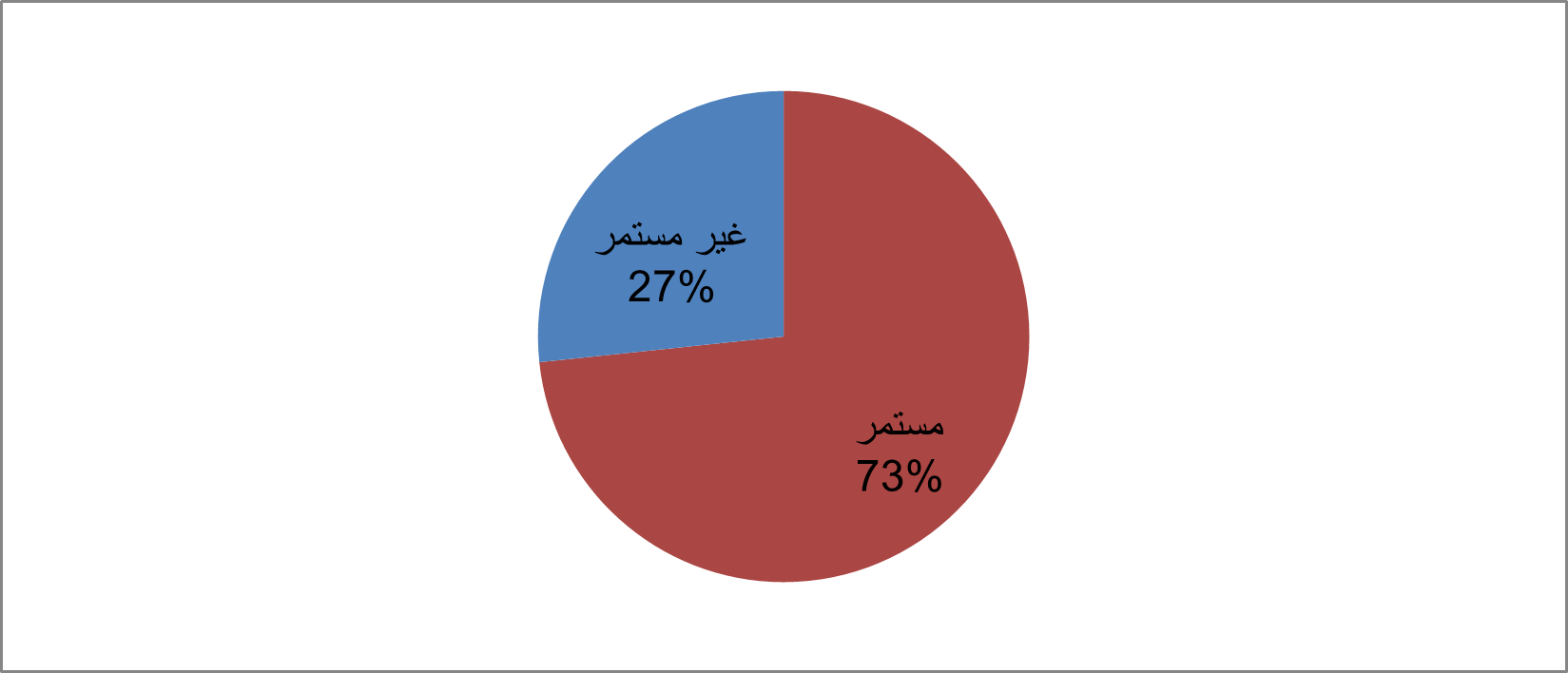
This study aims to assess the level of adoption of modern agricultural technologies among tomato farmers in Dhamar and Ibb governorates in the Republic of Yemen during the period 2023–2024, and to identify the key factors influencing this adoption. A social survey method was employed, and data were collected from a purposive sample of 150 farmers using a validated questionnaire. Data were analyzed using descriptive and inferential statistical techniques through SPSS and Excel, including frequencies, percentages, Pearson correlation, and multiple regression analysis. The results revealed that 78% of the farmers adopted improved hybrid varieties and modern irrigation networks, while 75% applied recommended fertilization practices. Despite the relatively high initial adoption rates, the continuity of use declined sharply, particularly for modern irrigation (5.1%) and integrated pest management (10%). The overall adoption level was found to be low, with 45.4% of respondents classified within the low-adoption category, compared to only 19.3% with a high level of adoption. The findings indicated statistically significant correlations at the 0.05 level between adoption degree and each of the following variables: production of improved varieties, fertilizer requirements, and water requirements. Conversely, no significant relationship was found between adoption and either disease incidence or general benefit from the technology. Multiple regression analysis showed that the studied technical variables explained only a small portion of the variation in adoption (R² = 0.035), suggesting that additional socio-economic, educational, and extension-related factors may play a stronger role. The study concludes that adoption of modern technologies among tomato farmers remains limited and faces several constraints. It recommends strengthening agricultural extension services, providing financial and technical support, enhancing farmer training programs, and improving access to resources in order to increase technology adoption and ensure sustainable improvement in tomato productivity in Yemen.
Keywords
Agricultural techniques
Agricultural extension
Tomato crop productivity
Yemen.
How to Cite This Article
Muhammad Muhammad Yahya Daws, Taha Yassin Al-Adimi, Ali Qasim Ismail (2026). Modern Agricultural Technology Adoption Among Tomato Farmers in Dhamar and Ibb Governorates, Yemen. Sana'a University Journal of Applied Sciences and Technology, 1724-1740. DOI: https://doi.org/10.59628/jast.v4i2.1814
Muhammad Muhammad Yahya Daws, Taha Yassin Al-Adimi, Ali Qasim Ismail . “Modern Agricultural Technology Adoption Among Tomato Farmers in Dhamar and Ibb Governorates, Yemen.” Sana'a University Journal of Applied Sciences and Technology, 2026, pp. 1724-1740. https://doi.org/10.59628/jast.v4i2.1814. Accessed 27 Oct. 2026.
Muhammad Muhammad Yahya Daws, Taha Yassin Al-Adimi, Ali Qasim Ismail . 2026. “Modern Agricultural Technology Adoption Among Tomato Farmers in Dhamar and Ibb Governorates, Yemen.” Sana'a University Journal of Applied Sciences and Technology : 1724-1740. DOI: https://doi.org/10.59628/jast.v4i2.1814
Muhammad Muhammad Yahya Daws, Taha Yassin Al-Adimi, Ali Qasim Ismail (2026) ‘Modern Agricultural Technology Adoption Among Tomato Farmers in Dhamar and Ibb Governorates, Yemen’, Sana'a University Journal of Applied Sciences and Technology, pp. 1724-1740. doi: 10.59628/jast.v4i2.1814
@article{jast2026_art1814,
    author  = {Muhammad Muhammad Yahya Daws, Taha Yassin Al-Adimi, Ali Qasim Ismail },
    title   = {Modern Agricultural Technology Adoption Among Tomato Farmers in Dhamar and Ibb Governorates, Yemen},
    journal = {Sana'a University Journal of Applied Sciences and Technology},    year    = {2026},    month   = {February},    pages   = {1724-1740},    doi     = {10.59628/jast.v4i2.1814},
    url     = {https://doi.org/10.59628/jast.v4i2.1814},}
Citation copied!
Contact Authors
Modern Agricultural Technology Adoption Among Tomato Farmers in Dhamar and Ibb Governorates, Yemen
Email copied!
Root Causes of Disputes in Construction Projects Implemented by Foreign Companies in Yemen
Akram Fadhel Murshed AL-Matari, Abdulmalek Hazza Al-Jolahy, Fadhl Ali Al-Nozaily
1741-1750
2026-02-28
Abstract
Disputes in construction projects pose a major challenge worldwide, particularly in fragile environments such as Yemen, where they often disrupt key infrastructure development. This study examines the root causes of disputes in foreign-led construction projects in Yemen, using a mixed-methods approach that integrates quantitative and qualitative data. A structured questionnaire was distributed to 212 professionals (199 valid responses), and semi-structured interviews were conducted with five senior Yemeni experts. Nineteen dispute-related variables were analyzed in five dimensions: technical, contractual, administrative, operational, and behavioral. Statistical analyses using SPSS (t-tests and ANOVA) confirmed that all the dimensions were significant and interrelated. The results identified unclear contract clauses, delayed payments, weak coordination, and cultural gaps as the primary dispute triggers. The triangulated findings validate the reliability of the results. The study concludes that disputes arise from multiple interlinked factors and recommends stronger contract governance, effective communication, and proactive project management to minimize disputes in Yemen’s construction sector.
Keywords
Disputes
Foreign Contractors
Construction
Technical
Payment Delays
Yemen
Mixed-methods
How to Cite This Article
Akram Fadhel Murshed AL-Matari, Abdulmalek Hazza Al-Jolahy, Fadhl Ali Al-Nozaily (2026). Root Causes of Disputes in Construction Projects Implemented by Foreign Companies in Yemen. Sana'a University Journal of Applied Sciences and Technology, 1741-1750. DOI: https://doi.org/10.59628/jast.v4i2.2227
Akram Fadhel Murshed AL-Matari, Abdulmalek Hazza Al-Jolahy, Fadhl Ali Al-Nozaily . “Root Causes of Disputes in Construction Projects Implemented by Foreign Companies in Yemen.” Sana'a University Journal of Applied Sciences and Technology, 2026, pp. 1741-1750. https://doi.org/10.59628/jast.v4i2.2227. Accessed 27 Oct. 2026.
Akram Fadhel Murshed AL-Matari, Abdulmalek Hazza Al-Jolahy, Fadhl Ali Al-Nozaily . 2026. “Root Causes of Disputes in Construction Projects Implemented by Foreign Companies in Yemen.” Sana'a University Journal of Applied Sciences and Technology : 1741-1750. DOI: https://doi.org/10.59628/jast.v4i2.2227
Akram Fadhel Murshed AL-Matari, Abdulmalek Hazza Al-Jolahy, Fadhl Ali Al-Nozaily (2026) ‘Root Causes of Disputes in Construction Projects Implemented by Foreign Companies in Yemen’, Sana'a University Journal of Applied Sciences and Technology, pp. 1741-1750. doi: 10.59628/jast.v4i2.2227
@article{jast2026_art2227,
    author  = {Akram Fadhel Murshed AL-Matari, Abdulmalek Hazza Al-Jolahy, Fadhl Ali Al-Nozaily },
    title   = {Root Causes of Disputes in Construction Projects Implemented by Foreign Companies in Yemen},
    journal = {Sana'a University Journal of Applied Sciences and Technology},    year    = {2026},    month   = {February},    pages   = {1741-1750},    doi     = {10.59628/jast.v4i2.2227},
    url     = {https://doi.org/10.59628/jast.v4i2.2227},}
Citation copied!
Contact Authors
Root Causes of Disputes in Construction Projects Implemented by Foreign Companies in Yemen
Email copied!
Development and Validation of a Stability-Indicating HPLC Method for the Simultaneous Determination of Sodium Alginate and Parabens in Pharmaceutical Oral Suspensions
Ahmed Y. M. Al-Saggier , Anass A. Alnedhary , Fatima A. Murshed
1751-1765
2026-02-28
Abstract
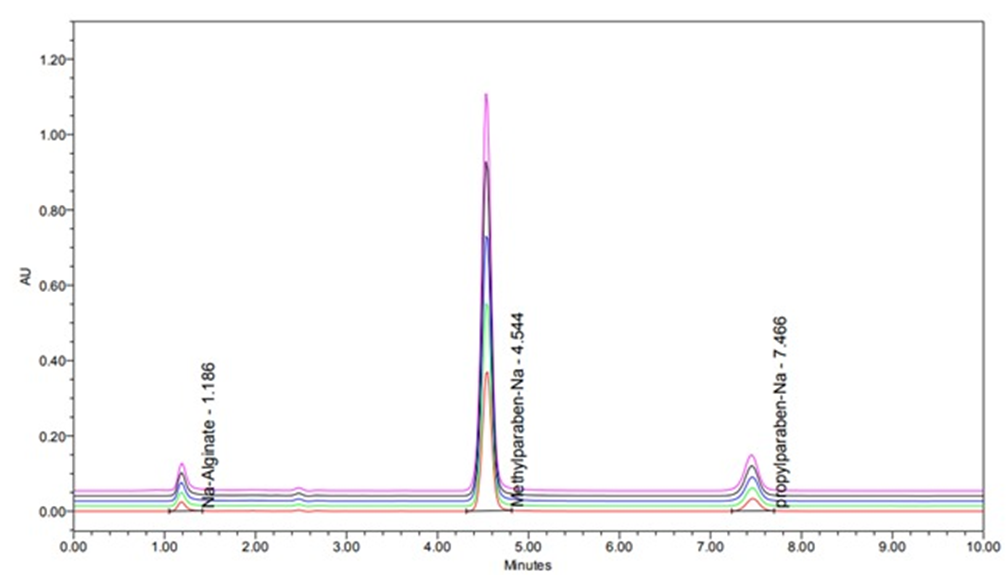
A stability-indicating high-performance liquid chromatographic (HPLC) method was developed and validated for simultaneous quantification of sodium alginate (Na Alg), sodium methylparaben (Na-MP), and sodium propylparaben (Na-PP) in oral suspension formulations. This method addresses the need for reliable quality control of complex pharmaceutical matrices. Separation was achieved on an Ultisil XB-CN(Cyanopropyl) column at 40 °C, using an isocratic mobile phase composed of 0.05 M potassium dihydrogen phosphate buffer (pH 5.2) and acetonitrile (80:20, v/v) at a flow rate of 1.5 mL/min, with detection at 210 nm. The method was validated in accordance with the ICH Q2(R1) and USP guidelines to assess linearity, accuracy, precision, specificity, and robustness. The technique demonstrated excellent linearity (R2 > 0.9998) over the concentration ranges of 10–1500, 1–150, and 0.16–24 μg/mL for Na-Alg, Na-MP, and Na-PP, respectively. The validation results showed high accuracy expressed as recovery (98.65–101.88%) across the tested concentration range of 50% to 150%, precision (%RSD < 1.9%), and sensitivity (LODs: 5.30, 0.038, and 0.062 μg/mL; LOQs: 17.65, 0.127, and 0.207 μg/mL) for Na-Alg, Na MP, and Na-PP, respectively. The degradation products were successfully resolved from the analytes, thereby confirming the specificity of the method. The developed HPLC method used to analyze 34 commercial alginate suspension samples was highly precise (%RSD < 1.5%) and accurate (94.66%–105.20% recovery). It reliably quantified Na-Alg and preservatives (Na-MP and Na-PP), with results consistently matching the label claims. This robust method is suitable for routine quality control and stability testing, and effectively combines regulatory compliance with practical pharmaceutical analysis.
Keywords
Sodium Alginate
Parabens
Stability-indicating HPLC
Method Validation
ICH guidelines
Quality Control
Oral Suspensions
How to Cite This Article
Ahmed Y. M. Al-Saggier , Anass A. Alnedhary , Fatima A. Murshed (2026). Development and Validation of a Stability-Indicating HPLC Method for the Simultaneous Determination of Sodium Alginate and Parabens in Pharmaceutical Oral Suspensions. Sana'a University Journal of Applied Sciences and Technology, 1751-1765. DOI: https://doi.org/10.59628/jast.v4i2.2311
Ahmed Y. M. Al-Saggier , Anass A. Alnedhary , Fatima A. Murshed . “Development and Validation of a Stability-Indicating HPLC Method for the Simultaneous Determination of Sodium Alginate and Parabens in Pharmaceutical Oral Suspensions.” Sana'a University Journal of Applied Sciences and Technology, 2026, pp. 1751-1765. https://doi.org/10.59628/jast.v4i2.2311. Accessed 27 Oct. 2026.
Ahmed Y. M. Al-Saggier , Anass A. Alnedhary , Fatima A. Murshed . 2026. “Development and Validation of a Stability-Indicating HPLC Method for the Simultaneous Determination of Sodium Alginate and Parabens in Pharmaceutical Oral Suspensions.” Sana'a University Journal of Applied Sciences and Technology : 1751-1765. DOI: https://doi.org/10.59628/jast.v4i2.2311
Ahmed Y. M. Al-Saggier , Anass A. Alnedhary , Fatima A. Murshed (2026) ‘Development and Validation of a Stability-Indicating HPLC Method for the Simultaneous Determination of Sodium Alginate and Parabens in Pharmaceutical Oral Suspensions’, Sana'a University Journal of Applied Sciences and Technology, pp. 1751-1765. doi: 10.59628/jast.v4i2.2311
@article{jast2026_art2311,
    author  = {Ahmed Y. M. Al-Saggier , Anass A. Alnedhary , Fatima A. Murshed  },
    title   = {Development and Validation of a Stability-Indicating HPLC Method for the Simultaneous Determination of Sodium Alginate and Parabens in Pharmaceutical Oral Suspensions},
    journal = {Sana'a University Journal of Applied Sciences and Technology},    year    = {2026},    month   = {February},    pages   = {1751-1765},    doi     = {10.59628/jast.v4i2.2311},
    url     = {https://doi.org/10.59628/jast.v4i2.2311},}
Citation copied!
Contact Authors
Development and Validation of a Stability-Indicating HPLC Method for the Simultaneous Determination of Sodium Alginate and Parabens in Pharmaceutical Oral Suspensions
Email copied!
Review
2 Articles
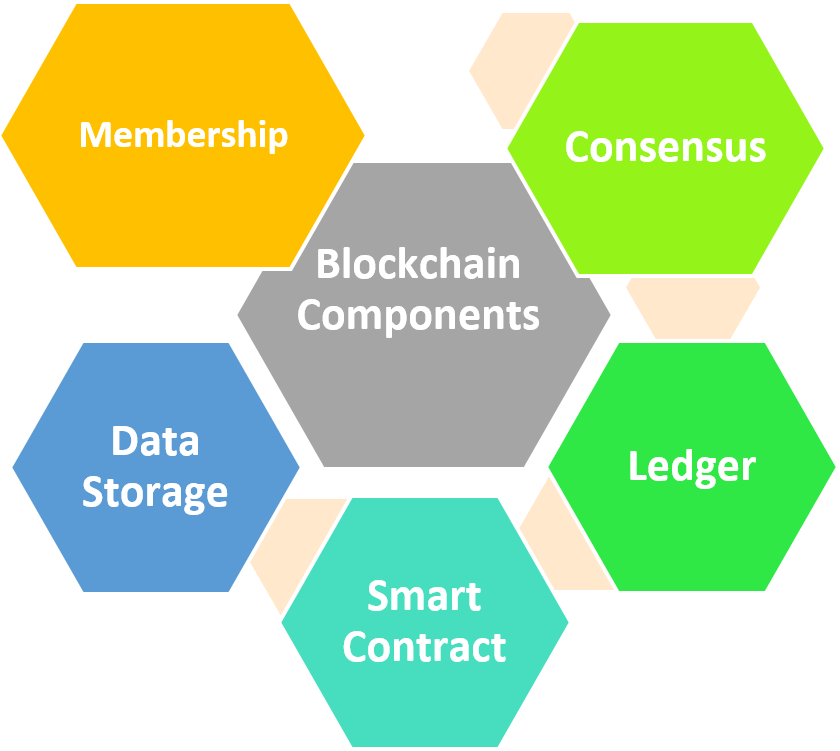
A Review on Recent Advancements in Blockchain Technology for Secure Electronic Certificates
Nawal A. Alragwi, Ammar T. Zahary
1766-1780
2026-02-28
Abstract
Blockchain technology is rapidly evolving, driving advancements in various sectors, most notably in securing academic credentials against forgery. Despite the critical need for tamperproof certificates, consensus remains limited regarding the most secure, cost-effective, and scalable issuance models. To address this gap, a systematic literature review was conducted, meticulously analyzing 24 practical blockchain-based credentialing models published between 2018 and 2024. The quantitative analysis revealed a significant platform dichotomy: 50% of the reviewed models utilize Ethereum, while 25% rely on Hyperledger Fabric. These architectural split highlights a fundamental critical trade-off between the desire for absolute decentralization and Self-Sovereign Identity (SSI) and the necessity for high operational efficiency and low transaction costs. The review concludes that the primary methodological barrier to widespread institutional adoption is the critical absence of empirical quantitative performance data (such as throughput, latency, and actual operational costs) across the current literature. Consequently, the study advocates for future research to focus on developing Hybrid Architectures that can effectively reconcile the core principles of decentralized trust with the demanding efficiency requirements of large educational bodies.
Keywords
Blockchain Technology
Electronic Education
Electronic Certificate
Smart Contracts
LMS
Cryptographic
How to Cite This Article
Nawal A. Alragwi, Ammar T. Zahary (2026). A Review on Recent Advancements in Blockchain Technology for Secure Electronic Certificates. Sana'a University Journal of Applied Sciences and Technology, 1766-1780. DOI: https://doi.org/10.59628/jast.v4i2.2264
Nawal A. Alragwi, Ammar T. Zahary . “A Review on Recent Advancements in Blockchain Technology for Secure Electronic Certificates.” Sana'a University Journal of Applied Sciences and Technology, 2026, pp. 1766-1780. https://doi.org/10.59628/jast.v4i2.2264. Accessed 27 Oct. 2026.
Nawal A. Alragwi, Ammar T. Zahary . 2026. “A Review on Recent Advancements in Blockchain Technology for Secure Electronic Certificates.” Sana'a University Journal of Applied Sciences and Technology : 1766-1780. DOI: https://doi.org/10.59628/jast.v4i2.2264
Nawal A. Alragwi, Ammar T. Zahary (2026) ‘A Review on Recent Advancements in Blockchain Technology for Secure Electronic Certificates’, Sana'a University Journal of Applied Sciences and Technology, pp. 1766-1780. doi: 10.59628/jast.v4i2.2264
@article{jast2026_art2264,
    author  = {Nawal A. Alragwi, Ammar T. Zahary },
    title   = {A Review on Recent Advancements in Blockchain Technology for Secure Electronic Certificates},
    journal = {Sana'a University Journal of Applied Sciences and Technology},    year    = {2026},    month   = {February},    pages   = {1766-1780},    doi     = {10.59628/jast.v4i2.2264},
    url     = {https://doi.org/10.59628/jast.v4i2.2264},}
Citation copied!
Contact Authors
A Review on Recent Advancements in Blockchain Technology for Secure Electronic Certificates
Email copied!
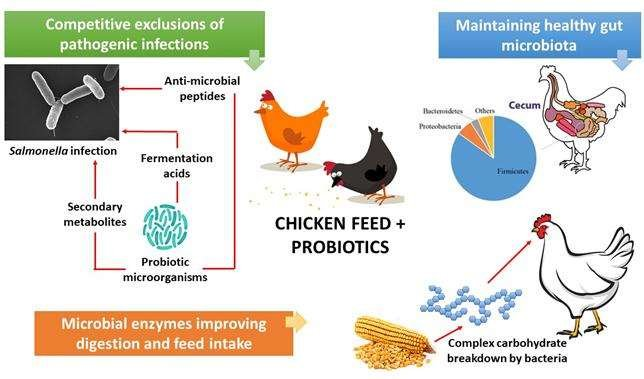
Probiotics as an Alternative to Antibiotics in Poultry
Kawther Hkeem Ibrahem
1781-1786
2026-02-28
Abstract
Traditionally, to promote growth and prevent disease, the poultry industry has relied on antibiotics. The extensive use of these drugs has resulted in the appearance of antibiotic-resistant bacteria, which cause a serious health threat. Consequently, probiotics (live beneficial microorganisms) have become progressively vital as a sustainable and actual alternative. Generally, probiotics support intestinal health, stimulate the immune system, and advance nutrient absorption. In fact, probiotics have many benefits, unlike the risks related to the use of antibiotics. Probiotics play an important role in reducing the disease incidence through endorsing a balanced
inhibiting the pathogenic bacteria colonization, and intestinal flora. Previous scientific studies have shown that probiotic strains like Lactobacillus and Bacillus can considerably enhance the feed efficiency, growth, and overall health of poultry. Overall, probiotics represent a promising approach for attracting poultry production by promoting food safety and sustainable agricultural applications, due to increasing support from the agricultural sector and consumer need for antibiotic-free poultry production.
Keywords
Probiotics
Poultry
Alternative
Antibiotics.
How to Cite This Article
Kawther Hkeem Ibrahem (2026). Probiotics as an Alternative to Antibiotics in Poultry. Sana'a University Journal of Applied Sciences and Technology, 1781-1786. DOI: https://doi.org/10.59628/jast.v4i2.2245
Kawther Hkeem Ibrahem . “ Probiotics as an Alternative to Antibiotics in Poultry.” Sana'a University Journal of Applied Sciences and Technology, 2026, pp. 1781-1786. https://doi.org/10.59628/jast.v4i2.2245. Accessed 27 Oct. 2026.
Kawther Hkeem Ibrahem . 2026. “ Probiotics as an Alternative to Antibiotics in Poultry.” Sana'a University Journal of Applied Sciences and Technology : 1781-1786. DOI: https://doi.org/10.59628/jast.v4i2.2245
Kawther Hkeem Ibrahem (2026) ‘ Probiotics as an Alternative to Antibiotics in Poultry’, Sana'a University Journal of Applied Sciences and Technology, pp. 1781-1786. doi: 10.59628/jast.v4i2.2245
@article{jast2026_art2245,
    author  = {Kawther Hkeem Ibrahem },
    title   = { Probiotics as an Alternative to Antibiotics in Poultry},
    journal = {Sana'a University Journal of Applied Sciences and Technology},    year    = {2026},    month   = {February},    pages   = {1781-1786},    doi     = {10.59628/jast.v4i2.2245},
    url     = {https://doi.org/10.59628/jast.v4i2.2245},}
Citation copied!
Contact Authors
Probiotics as an Alternative to Antibiotics in Poultry
Email copied!
