The Efficiency of Water Resources use and its Impact in Achieving Sustainable Agricultural Development in Yemen During the Period (2000–2023)
Article Sidebar
Main Article Content
Abstract
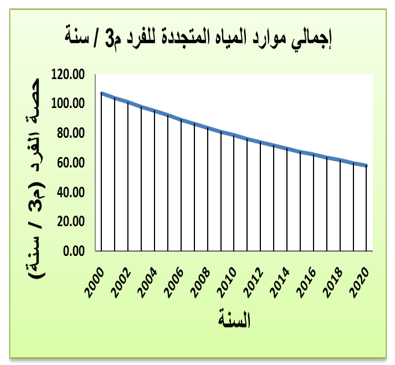
Water resources in Yemen constitute a critical determinant for achieving sustainable agricultural development; however, the country confronts substantial challenges stemming from severe deterioration in the economic efficiency of water utilization, resulting in aquifer depletion and widening resource-demand disparities. This research aims to analyze water resource conditions and their implications for sustainable agricultural development (2000–2023), employing descriptive-analytical methodology and econometric approaches based on official data. Findings confirm Yemen's classification among the world's most water-scarce nations, with per capita renewable water availability of 58 m³ annually—substantially below the absolute water scarcity threshold (500 m³)—demonstrating statistically significant annual decline of 3.01%. Analysis reveals structural imbalances in water resource management, in which the agricultural sector appropriates over 90% of resources, exerting immense pressure on groundwater reserves depleting beyond natural recharge rates while contributing merely 8% to GDP. Water use efficiency stands at USD 9.24/m³, below global averages, with water stress levels exceeding safe thresholds by 169.76%. Econometric analysis demonstrates a strong inverse correlation (r = -0.958) with statistical significance between water use efficiency and prevalence of undernourishment, whereby the model attributes 93.4% of undernourishment variance to agricultural water efficiency and per capita GDP. The crisis intensifies due to qat cultivation expansion (26.8% of irrigated lands in 2023), juxtaposed with limited modern irrigation technology adoption (14% only). The research recommends formulating and enforcing comprehensive water policies, implementing effective pricing mechanisms, expanding sustainable agriculture practices, and regulating water-intensive crop cultivation to ensure optimal water utilization, food security achievement, and sustainable agricultural development.
Downloads
Article Details

This work is licensed under a Creative Commons Attribution-NonCommercial-NoDerivatives 4.0 International License.
References
المراجع:
المراجع العربية:
- إسماعيل, بوقنور، وريم, غريب. (2021). استراتيجية إدارة الموارد المائية في الجزائر، نحو تحقيق التنمية المستدامة. المجلة الجزائرية للأمن الإنساني, 6(1), 1160-1181.
- أفد. (2016). البيئة العربية: التنمية المستدامة في مناخ عربي متغير (التقرير السنوي للمنتدى العربي للبيئة والتنمية (أفد) 2016, Issue.
- ESCOA,الامم المتحدة الاسكوا. (2020). تقرير المياه والتنمية الثامن أهداف التنمية المستدامة المتعلقة بالمياه في المنطقة العربية [ تقرير المياه والتنمية](الثامن). www.unescwa.org
- الاستراتيجية العربية للأمن المائي في المنطقة العربية لمواجهة التحديات والمتطلبات المستقبلية للتنمية المستدامة (2030) نسخة محدَّثة, (2024). من موقع المركز العربي للدراسات الإقليمية والسياسات الاستراتيجية (أكساد)
- الإستراتيجية الوطنية لقطاع الزراعة 2012-2016. (2012). (الزراعة قطاع واعد لإقتصاد متنوع في اليمن, Issue.
- التقرير الاقتصادي العربي الموحد. (2012).
- الجمهورية اليمنية، وزارة الزراعة والري. كتاب الاحصاء الزراعي أعوام مختلفة. صنعاء.
- الجمهورية اليمنية، وزارة التخطيط والتعاون الدولي. الجهاز المركزي للإحصاء. كتاب الاحصاء السنوي أعوام مختلفة. صنعاء.
- الجهاز_المركزي_للإحصاء. (2006). النتائج النهائية لتعداد العام للسكان والمساكن والمنشأت 2004م (التقرير الرئيسي الثالث). (خصائص السكان الاقتصادية, Issue.
- الجنداري, علي عبد الكريم أحمد. (2009). تحسين كفاءة استخدام المياه وإنتاجية محصول البطاطس تحت مستويات مختلفة من الري الناقص بالتنقيط [رسالة ماجستير, جامعة صنعاء].
- المنظمة العربية للتنمية. (2022). الكتاب السنوي للإحصاءات الزراعية العربية(43). https://www.aoad.org/AASYXX.htm
- المنظمة العربية للتنمية. الكتاب السنوي للإحصاءات الزراعية العربية. أعداد مختلفة. https://www.aoad.org/AASYXX.htm
- بوحسون, إيمان. (2019). واقع استخدام الموارد المائية في تحقيق التنمية الزراعية. مجلة روافد, 3(2), 17-36.
- قانون رقم (33) لسنة 2002م بشأن المياه, (2002).
- مجموعة البنك الدولي. (2014). فؤاد الحرازي. Retrieved 14/6/2025 from https://www.albankaldawli.org/ar/news/feature/2014/11/24/future-impact-of-climate-change-visible-now-in-yemen
- مخيمر, سامر، وحجازي, خالد. (1978). ازمة المياه في المنطقة العربية: الحقائق والبدائل الممكنة. (No Title)(209). https://cir.nii.ac.jp/crid/1130000796612826880
- مسح القوى العاملة في الجمهورية اليمنية 2013 - 2014. (2015). (منظمة العمل الدولیة - المكتب الإقلیمي للدول العربیة, Issue.
- مصباح, حراق، ومحمد, هبول. (2019). كفاءة استخدام الموارد المائية في القطاع الزراعي العربي، ودورها في تحقيق تنمية زراعية مستدامة. مجلة الإقتصاد الجديد, 10(2), 173-195.
- FAO, منظمة الأغذية والزراعة للأمم المتحدة. (2024). الاستفادة من المياه من أجل السلام: تجربة منظمة الأغذية والزراعة في اليمن. حسين جادين ممثل منظمة الأغذية والزراعة في اليمن. Retrieved 11/6/2025 from https://www.fao.org/neareast/news/blog/ar
المراجع الأجنبية:
- Al-Ghorbany, Amer. (2014). The Potential of Strategic Environmental Assessment for Integrated and Sustainable Water Resources Management in the Republic of Yemen:Scenario-Based Strategic Assessment of the Water Resources Policies Adopted in ‘Yemen’s Strategic Vision 2025’ [Doctor of Philosophy, Brandenburg University of Technology].
- FAO AQUASTAT Dissemination System. (2025). Retrieved 16/06/2025 from https://data.apps.fao.org/aquastat
- Hellegers, Petra؛ Perry, Chris؛ Al-Aulaqi, Nasser؛ Al-Eryani, Abdul Rahman، وAl-Hebshi, Mohammed. (2008). Incentives to reduce groundwater extraction in Yemen (2008-58). L. W. U. T. Hague. https://edepot.wur.nl/44142
- UNDP, United Nations Development Programme. (2022). UNDP Strategic Framework: A Holistic Approach to Addressing Water Resources Challenges in Yemen. https://www.undp.org/yemen/publications/strategic-framework-holistic-approach-addressing-water-resources-challenges-yemen